Are you curious about whether pure silver silverware is truly valuable? Let’s explore its worth, features, and why it continues to be a popular choice for high-end cutlery.
Pure silver silverware is indeed valuable, though it depends on factors such as silver content, craftsmanship, and condition. Silver’s historical significance and rarity contribute to its lasting value in cutlery.
In this article, we’ll dive into the real worth of silverware made from pure silver, how to determine if your spoons are valuable, and why silver is such a revered material in cutlery.
Table of Contents
Is Real Silver Silverware Worth Anything?
Wondering if real silver silverware holds any monetary value? It’s a common question, especially for those who inherit or find old silverware.
Yes, real silver silverware can be worth quite a bit. Its value largely depends on its silver purity, age, design, and condition. Silverware made from sterling silver or pure silver is often considered valuable.
Silver has been cherished for centuries due to its rarity, beauty, and functionality. It’s no surprise that real silver silverware remains sought after. But what truly defines its worth?
Silver Purity and Market Value
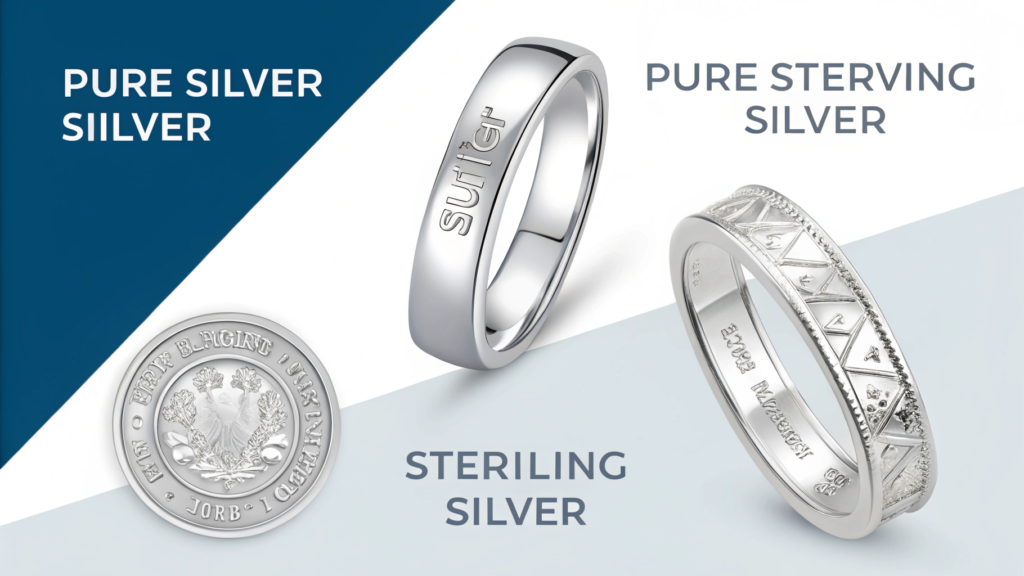
Silver’s value is mostly defined by its purity. The highest quality silverware is made of pure silver (99.9% pure), but sterling silver (92.5% silver) is the most commonly used for silverware due to its durability. Understanding the difference is crucial.
| Silver Type | Purity (%) | Common Uses | Value Consideration |
|---|---|---|---|
| Pure Silver | 99.9 | Jewelry, collectibles | High value, less durable |
| Sterling Silver | 92.5 | Cutlery, flatware | Moderate to high value |
Design and Craftsmanship
The design of the silverware also plays a significant role in its value. Antique silverware crafted by renowned makers can command a premium. The intricate craftsmanship, historical significance, and maker’s mark can make a huge difference in the price.
Condition and Rarity
Silverware that is well-maintained, free from significant tarnishing, or damage tends to hold more value. Rarity factors such as limited edition pieces or collections also affect the market price.
How Much Pure Silver is in Silverware?
How much silver actually makes up silverware? This is crucial when evaluating the quality and value of your silver utensils.
Pure silverware typically contains 99.9% silver, but most silverware is made of sterling silver, which contains 92.5% silver. The remaining percentage is usually made up of other metals for durability.
The silver content in silverware significantly impacts both its quality and value. Let’s break down the different types of silver used in making silverware, and what it means for you as a buyer or collector.
Pure Silver vs Sterling Silver
| Silver Type | Purity (%) | Durability | Ideal Use |
|---|---|---|---|
| Pure Silver | 99.9 | Low | Jewelry, collectibles |
| Sterling Silver | 92.5 | High | Cutlery, silverware |
Impact of Alloy Composition
The remaining 7.5% of the alloy in sterling silver plays a critical role. Copper is often added to improve strength, but it can cause tarnishing over time. Silverware with a higher silver content is more resistant to tarnish, but it’s also softer.
How Much Is a Pure Silver Spoon Worth?
Ever wondered how much a pure silver spoon might be worth? Its value can vary, but understanding a few key factors will help you assess its worth.
The value of a pure silver spoon depends on its weight, silver purity, design, and condition. A simple spoon may cost less, while a finely crafted, antique spoon can be worth hundreds or even thousands.
Pure silver spoons, while less common than sterling silver spoons, hold significant value, especially if they are antiques or have historical significance. But what factors influence their worth?
Weight and Silver Content
The first thing to consider when evaluating a silver spoon’s value is its weight. A spoon made of pure silver will weigh more than a comparable piece made from sterling silver, given the difference in purity. Additionally, a heavier spoon will likely contain more silver, thereby increasing its value.
Rarity and Maker's Mark
A spoon made by a famous maker or from a rare collection can dramatically increase in value. Similar to other silverware, the maker’s mark or a unique design can be an indicator of its worth.
| Factor | Influence on Value | Example |
|---|---|---|
| Silver Content | Higher silver content increases value | Pure silver spoon |
| Rarity | Rare spoons or historical pieces are more valuable | Antique spoon by Tiffany |
| Maker’s Mark | Famous silversmiths boost value | Spoon by Gorham |
How Do I Know If My Silver Spoons Are Worth Money?
Are you unsure about the value of your silver spoons? Identifying valuable silverware isn’t always straightforward, but I can help guide you through the process.
To determine if your silver spoons are worth money, check the silver content, the maker’s mark, and the spoon’s condition. Look for any signs of authenticity, such as hallmarks and tarnish patterns.
To determine if your silver spoons are valuable, you need to consider multiple factors. Let’s break down how to identify if your spoons are worth money.
Hallmarks and Maker's Marks
One of the most important steps in evaluating silver spoons is identifying hallmarks or maker’s marks. These marks often indicate the authenticity, origin, and maker of the piece, all of which can influence its value.
Condition and Age
Silver spoons in excellent condition are worth more than those with heavy tarnishing, dents, or scratches. Age can also be a factor; antique silverware often holds more value due to rarity.
| Factor | How It Affects Value |
|---|---|
| Hallmarks | Authentic pieces have higher value |
| Condition | Well-maintained spoons are more valuable |
| Age and Rarity | Antique spoons tend to be worth more |
Are Silver Spoons 100% Silver?
Are silver spoons made entirely of silver? This is a common misconception, as most silver spoons are actually made from a silver alloy.
Silver spoons are rarely 100% silver. Most are made from sterling silver, which contains 92.5% silver, with the remaining 7.5% typically being copper or other metals to enhance durability.
It’s a common question to ask if silver spoons are made of pure silver. In reality, most silver spoons are made from an alloy that contains a mix of silver and other metals. Let’s explore why this is the case.
Sterling Silver vs Pure Silver
While pure silver is softer and more prone to damage, sterling silver is a more durable option for everyday items like spoons. The addition of copper or other metals makes the silver stronger and better suited for use in cutlery.
| Silver Type | Composition | Durability | Use in Silverware |
|---|---|---|---|
| Pure Silver | 99.9% | Soft | Jewelry, art pieces |
| Sterling Silver | 92.5% | Stronger | Cutlery, spoons |
How Can You Tell if a Spoon Is Real Silver?
Not sure if your spoon is real silver? Here’s how to tell if your spoon is made of genuine silver or just a silver-plated piece.
You can tell if a spoon is real silver by checking for hallmarks, performing a magnet test, or assessing its weight. Real silver is not magnetic and has a distinct weight compared to other materials.
Distinguishing between real silver and silver-plated items can be tricky, but there are a few reliable tests you can perform to be sure. Here’s how to tell if your spoon is real silver.
Hallmarks and Stamps
A genuine silver spoon will typically have a hallmark or stamp indicating its silver content, such as “Sterling” or “.925” for sterling silver. If you see a stamp that says “silver-plated,” you’ll know it’s not pure silver.
Magnet Test
Silver is not magnetic, so you can use a simple magnet test. If the spoon sticks to the magnet, it’s not real silver. However, this test is not foolproof, as some silver alloys may contain trace metals that are slightly magnetic.
| Test Method | What to Look For | Reliability |
|---|---|---|
| Hallmarks | “Sterling” or “.925” for sterling silver | High |
| Magnet Test | Spoon does not stick to magnet | Medium |
| Weight Test | Real silver has a heavier weight | High |
Is Silver Silverware Better Than Stainless Steel?
Is silver silverware really better than stainless steel? It depends on what you value in cutlery, but let’s break down the pros and cons of both.
Silver silverware tends to be more expensive and is valued for its elegance and historic appeal. Stainless steel, on the other hand, is more durable, affordable, and easy to maintain.
When comparing silver and stainless steel, it’s essential to consider factors such as durability, cost, maintenance, and aesthetic appeal. Let’s delve deeper into each material.
Durability
Stainless steel is known for its resistance to corrosion and damage, making it an ideal choice for everyday use. Pure silver and sterling silver, while more elegant, require more care to prevent tarnishing and scratching.
| Material | Durability | Maintenance | Cost |
|---|---|---|---|
| Pure Silver | Low | Requires polishing | Expensive |
| Stainless Steel | High | Low maintenance | Affordable |
Aesthetic and Value
Silverware has a classic, elegant look that can add value to any setting. While stainless steel can mimic the look of silver, it doesn’t carry the same prestige and value over time.
What Is the Healthiest Silverware to Eat With?
Are you concerned about the potential health risks associated with eating utensils? Let’s take a look at what makes silver and stainless steel healthy options.
Silverware made from silver or stainless steel is often the healthiest to eat with. These materials are non-reactive and do not contain harmful chemicals, unlike some plastic or coated alternatives.
When choosing silverware, health concerns often come to the forefront, especially when it comes to materials that interact with food. Let’s break down the healthiest options.
Silverware Materials and Health
The material of your silverware plays a huge role in its health benefits. Silver is known for its antibacterial properties, while stainless steel is incredibly durable and resistant to corrosion. Both materials are generally considered safe for food use.
Silver’s Antibacterial Benefits
Silver has been used for centuries due to its natural antibacterial properties. This makes it an excellent option for silverware, as it can help reduce bacterial growth on the utensils. However, this is more of a benefit for the silver itself rather than its interaction with food.
Stainless Steel’s Durability and Safety
Stainless steel is a non-reactive metal, which means it won’t leach harmful chemicals into your food. It’s also highly resistant to rust, staining, and corrosion. These properties make stainless steel the ideal choice for everyday silverware.
| Material | Health Benefits | Durability | Common Use |
|---|---|---|---|
| Silver | Antibacterial | Moderate | High-end cutlery |
| Stainless Steel | Non-reactive, safe | High | Everyday cutlery |
Which Is Better, 925 Silver or Stainless Steel?
Wondering whether 925 silver or stainless steel is the better option for your silverware? Let’s compare the two materials.
925 silver, also known as sterling silver, is often considered a premium material for silverware. However, stainless steel offers better durability, making it a more practical choice for everyday use.
To decide which material is better, 925 silver or stainless steel, we need to evaluate the pros and cons of both materials based on your needs.
925 Silver (Sterling Silver)
925 silver, or sterling silver, is made of 92.5% silver and 7.5% other metals, usually copper. This alloy makes sterling silver stronger and more durable than pure silver, which is too soft for everyday use. Sterling silver is also highly valued for its aesthetic appeal and craftsmanship.
Stainless Steel
Stainless steel is a much more affordable and practical option. It is made from iron, carbon, and chromium, which makes it resistant to rust and corrosion. While it may not have the luxurious appearance of sterling silver, it is far more durable, making it ideal for daily use.
| Material | Durability | Appearance | Cost |
|---|---|---|---|
| 925 Silver | Moderate | Elegant, shiny | Expensive |
| Stainless Steel | High | Simple, polished | Affordable |
What Is the Best Metal for Silverware?
Looking for the best metal for silverware? There’s no one-size-fits-all answer, but let’s look at the top contenders.
The best metal for silverware depends on your priorities. Sterling silver is ideal for elegance, while stainless steel is the best choice for durability and ease of care.
Different metals bring different advantages to the table. Let’s break down the pros and cons of each and explore which one might be the best for you.
Sterling Silver
Sterling silver is widely regarded as one of the best metals for silverware. It offers a polished, luxurious look, and it’s highly resistant to tarnishing, especially with proper care. However, it is more expensive and may not be as durable for everyday use compared to stainless steel.
Stainless Steel
Stainless steel is highly durable, easy to maintain, and affordable, which is why it’s often used for everyday silverware. It’s less likely to tarnish, and its strength ensures that the utensils last for a long time.
| Metal | Durability | Aesthetic | Price |
|---|---|---|---|
| Sterling Silver | Moderate | Elegant, shiny | Expensive |
| Stainless Steel | High | Polished, simple | Affordable |
Can People Tell the Difference Between Stainless Steel and Silver?
Can people really tell the difference between stainless steel and silver? Let’s explore how these two materials compare in appearance and feel.
Yes, people can usually tell the difference between stainless steel and silver based on appearance and weight. Silver has a warmer tone, while stainless steel is shinier and more reflective.
While both stainless steel and silver may look similar at first glance, they have distinct characteristics that can help you differentiate them.
Visual Differences
Silver has a warmer, more subdued tone, while stainless steel tends to be brighter and shinier. Silver tends to tarnish over time, which can make it look more aged and matte, while stainless steel remains shiny with minimal maintenance.
Weight Differences
Silver is denser and heavier than stainless steel. If you hold a piece of silverware and it feels heavy and solid, it’s likely silver. Stainless steel is lighter by comparison, even though it’s highly durable.
| Feature | Silver | Stainless Steel |
|---|---|---|
| Appearance | Warmer, matte | Shiny, reflective |
| Weight | Heavier | Lighter |
What Is the Disadvantage of Silver Plated?
Wondering about the downsides of silver-plated silverware? Let’s examine why it may not always be the best choice.
The main disadvantage of silver-plated silverware is that the silver coating can wear off over time, revealing the base metal underneath. This can affect both the appearance and value of the silverware.
While silver-plated silverware may seem like an affordable alternative, it does have some disadvantages that you should consider.
Durability Issues
One of the biggest drawbacks of silver-plated silverware is that the thin layer of silver can wear off with regular use. This leaves the base metal exposed, which can detract from the overall aesthetic and lower the value of the piece.
Tarnishing
Silver-plated items are also prone to tarnishing. Although silver itself tarnishes, silver-plated pieces tend to tarnish more quickly, especially if they are not properly cared for.
| Issue | Silver-Plated | Solid Silver |
|---|---|---|
| Durability | Low | High |
| Tarnishing | Fast | Slow |

Does Silverware Have to Be Silver?
Is it essential for silverware to be made of silver? Let’s take a look at the alternatives to silver and whether they are just as good.
Silverware doesn’t have to be made from silver. While silver offers luxury and a unique aesthetic, there are other materials like stainless steel that work just as well for everyday use.
While silver is an iconic and high-end choice for silverware, it’s not the only viable option. Let’s look at the other materials that are commonly used for utensils.
Stainless Steel
Stainless steel is the most common alternative to silver in silverware. It’s durable, affordable, and easy to maintain, making it a practical choice for everyday use. It’s also more resistant to tarnishing than silver, so it requires less care.
Other Materials
Other materials, such as plastic, ceramic, or even wood, can be used for silverware, depending on the context. While these materials may not have the same prestige as silver, they can still offer functional and affordable options.
| Material | Durability | Maintenance | Common Use |
|---|---|---|---|
| Silver | Moderate | High | Luxury, special occasions |
| Stainless Steel | High | Low | Everyday use |
| Other Materials | Varies | Low to moderate | Casual dining |
Why Is Silver Used in Silverware?
Ever wondered why silver is so popular in silverware? Let’s explore the reasons behind its use.
Silver has been a preferred material for silverware for centuries due to its elegance, durability, and resistance to corrosion. It also offers natural antibacterial properties.
Silver has long been a material of choice for silverware, and for good reason. Let’s break down why silver is so highly valued in the production of eating utensils.
Aesthetic Appeal
Silver has a luxurious, polished appearance that adds elegance to any table setting. This aesthetic appeal has made silverware a status symbol for centuries.
Durability and Anti-Tarnishing
Despite its soft nature, sterling silver is durable enough for use in cutlery and has been combined with other metals to improve its strength. Additionally, silver has natural anti-tarnishing properties that help preserve its appearance over time.
| Factor | Silver | Other Materials |
|---|---|---|
| Aesthetic | Elegant, shiny | Functional, simple |
| Durability | Moderate | Varies |
Why Are Forks Made of Silver?
Why are forks made of silver? Let’s explore the history and reasoning behind this age-old practice.
Forks, like other silverware, are often made of silver for its luxurious appearance, strength, and resistance to corrosion. Historically, silver was used to convey wealth and status.
The tradition of using silver for forks and other utensils dates back centuries. Let’s dive into why silver became the material of choice for these essential items.
Historical Context
Silverware, including forks, was originally reserved for the wealthy, as it symbolized status and luxury. Over time, silver became more widely used due to its durability and elegance.
Add Your Heading Text Here
Silver is resistant to corrosion and tarnish, making it a practical choice for utensils that come into contact with food. It’s also a malleable material, making it easy to mold into the intricate shapes needed for forks.
| Reason | Silver Forks | Other Forks |
|---|---|---|
| Status Symbol | High | Low |
| Durability | Moderate | High |
The material of your silverware matters for both health and aesthetic reasons. Whether you prefer silver for its elegance or stainless steel for its durability, both materials have their advantages.