Are you struggling to find reliable stainless steel cutlery suppliers in China? You’re not alone.
To source stainless steel cutlery wholesale from China, identify reputable suppliers, verify their credentials, understand import regulations, and establish clear communication to ensure product quality and timely delivery.
Navigating the complexities of international sourcing can be daunting. Let’s break down the process to make it manageable and successful.
Table of Contents
Why Source Stainless Steel Cutlery from China?
Are you considering sourcing stainless steel cutlery from China but unsure if it’s the right move?
China offers a vast manufacturing base, competitive pricing, and a wide range of products, making it an attractive option for sourcing stainless steel cutlery.
Advantages of Chinese Manufacturing
China’s manufacturing sector is known for its scalability and cost-effectiveness. The country has a well-established supply chain for stainless steel products, allowing for bulk production at lower costs.
Potential Challenges
However, sourcing from China comes with challenges such as language barriers, quality control issues, and longer shipping times. It’s crucial to weigh these factors before making a decision.
Comparative Analysis
| Factor | China | Other Countries |
|---|---|---|
| Cost | Lower | Higher |
| Production Capacity | High | Medium |
| Lead Time | Longer | Shorter |
| Quality Control | Variable | More Consistent |
| Communication | Challenging | Easier |
Understanding these aspects will help you make an informed decision about sourcing from China.
How to Identify Reputable Suppliers?
Are you worried about finding trustworthy suppliers in a vast market like China?
To identify reputable suppliers, research thoroughly, check certifications, request samples, and consider third-party audits.
Research and Verification
Start by researching potential suppliers online. Look for reviews, ratings, and any red flags. Verify their business licenses and certifications to ensure legitimacy.
Requesting Samples
Before placing a large order, request samples to assess the quality of the products. This step is crucial in evaluating the supplier’s capabilities.
Third-Party Audits
Consider hiring third-party inspection companies to audit the supplier’s facilities. This provides an unbiased assessment of their operations and quality control measures.
Supplier Evaluation Table
| Evaluation Criteria | Importance Level | Notes |
|---|---|---|
| Business License | High | Verify authenticity |
| Certifications | High | ISO, FDA, etc. |
| Sample Quality | High | Assess product standards |
| Production Capacity | Medium | Ensure they can meet demand |
| Communication | Medium | Language proficiency matters |
Taking these steps will help you build a reliable supplier network.
What Are the Import Regulations and Duties?
Are you concerned about the legalities and costs associated with importing goods from China?
Understanding import regulations and duties is essential to avoid legal issues and unexpected costs when sourcing from China.
Import Regulations
Each country has its own set of import regulations. Familiarize yourself with the necessary documentation, such as import licenses, certificates of origin, and compliance with safety standards.
Duties and Taxes
Import duties and taxes can significantly affect your overall costs. Calculate these expenses beforehand to ensure profitability.
Compliance and Documentation
Ensure all products comply with your country’s safety and quality standards. Proper documentation is crucial for smooth customs clearance.
Import Cost Breakdown
| Cost Component | Estimated Percentage | Notes |
|---|---|---|
| Product Cost | 60% | Base price from supplier |
| Shipping | 15% | Varies by method and distance |
| Import Duties | 10% | Based on product classification |
| Taxes | 10% | VAT or GST |
| Miscellaneous Fees | 5% | Inspection, handling, etc. |
Being aware of these costs and regulations will help you plan your budget effectively.
How to find a product to import from China?
Can’t decide what kind of stainless steel cutlery to import?
Start by identifying what products are in demand, easy to ship, and within your budget. Research trends, competitors, and market needs.
Understanding Market Demand
To reduce risk, I always check trending products. I look at what styles are popular in my target market. Wedding flatware, gold-plated sets, and minimalist Scandinavian designs are in demand now.
Evaluating Profit Margin Potential
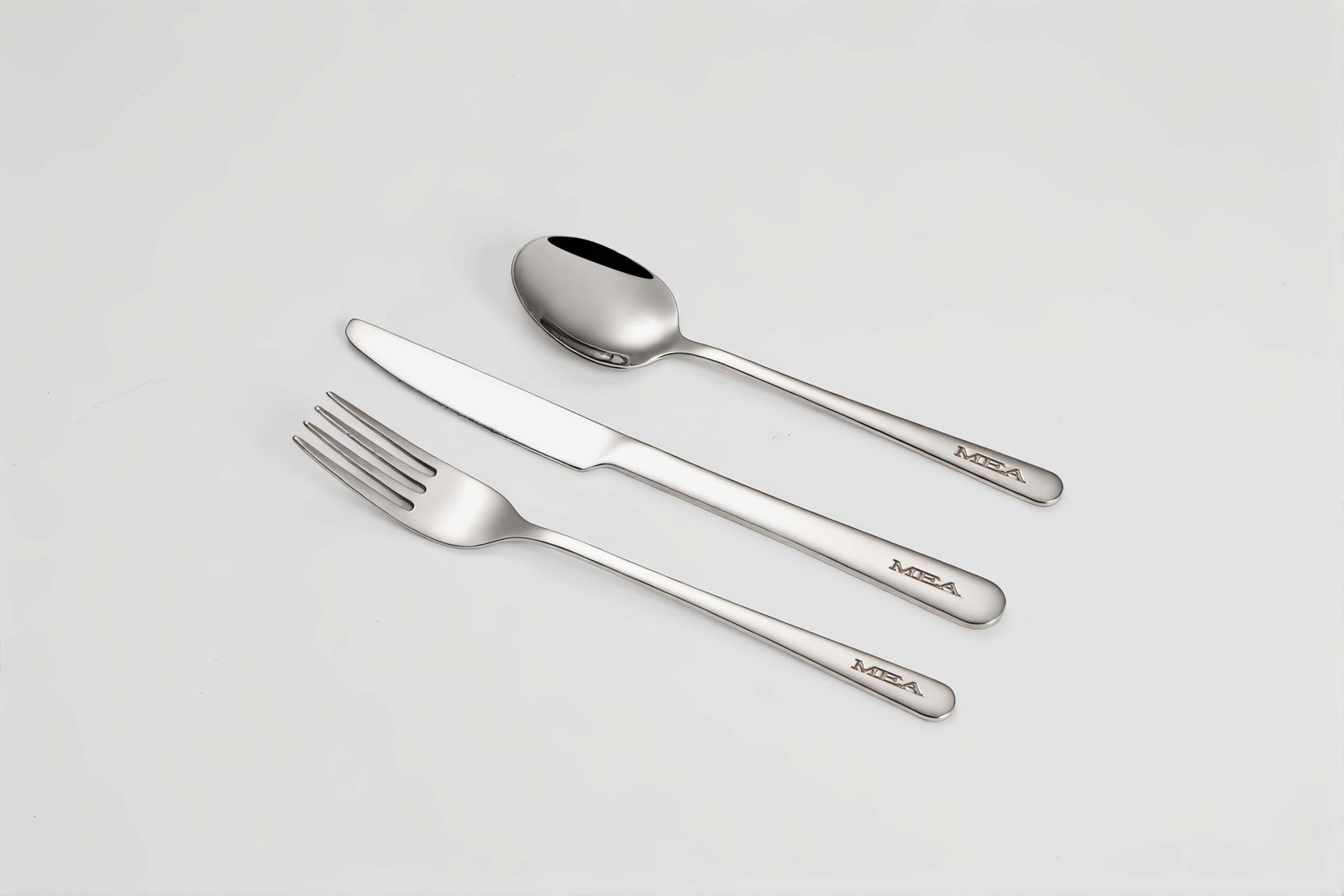
It’s not just about popularity. I calculate expected profit by comparing Chinese factory prices and my selling price. High-margin items like engraved custom logo cutlery offer better returns.
Shipment Practicality
Products must be compact and durable. Stainless steel cutlery fits perfectly. It’s sturdy, small, and doesn’t need special packaging.
| Criteria | Why It Matters | Examples |
|---|---|---|
| Market Demand | Ensures consistent sales | Gold flatware, Kids utensils |
| Profitability | Determines business sustainability | Customized logo cutlery, Gift sets |
| Shipping Feasibility | Affects cost and delivery risk | Stainless steel > Ceramic |
| Ease of Branding | Supports long-term brand building | Laser-engraved sets, Printed boxes |
Knowing what to source is the first step to avoid dead stock and boost your ROI.
Do I need an import license to buy goods from China?
Worried about legal documents and customs issues?
Most countries don’t require importers to have a specific license for cutlery, but you still need to follow local import laws and product regulations.
Country-Specific Rules
Each country sets its own import laws. In the U.S., you don’t need a general import license. But you must have an EIN (Employer Identification Number), and you should work with a customs broker.
Product Regulations and Safety Standards
Stainless steel cutlery must meet standards. In the EU, products must be LFGB certified. In the US, the FDA standard applies.
Freight and Customs Documents
Even without a license, you need shipping documents. These include the commercial invoice, packing list, bill of lading, and possibly a certificate of origin.
| Region | Import License Needed | Special Requirements |
| USA | No | EIN, FDA compliance |
| EU | No | LFGB certification, CE marking |
| Middle East | Often yes | Country-specific food contact law |
I always talk to local customs or a freight forwarder to double-check what I need before ordering.
What is the best website for importing goods from China?
Confused by too many sourcing platforms?
Alibaba is the top website for sourcing stainless steel cutlery wholesale, but other platforms like Made-in-China and Global Sources also offer quality options.
Comparing the Top Sourcing Platforms
Alibaba
The largest B2B platform. Offers Trade Assurance and Verified Suppliers. I use it most often for initial outreach.
Made-in-China
More industrial and focused on quality manufacturing. I use this site when I want to compare options or when Alibaba suppliers feel too generic.
Global Sources
Great for innovation and attending trade shows. They focus on verified manufacturers and offer better filters for experienced buyers.
| Platform | Strengths | Weaknesses |
| Alibaba | Massive selection, buyer protection | Mixed supplier quality |
| Made-in-China | Industrial focus, strong filters | Less beginner-friendly interface |
| Global Sources | Trade show access, innovation | Smaller selection than Alibaba |
Choosing the right platform is like picking the right street to shop in. Go where the good stores are.

How to import goods from China to the USA?
Not sure what steps to follow for U.S. customs clearance?
To import stainless steel cutlery to the U.S., select a product, find a supplier, arrange shipping, prepare documentation, and clear customs with a broker.
Step 1: Product Selection and HS Code
Pick your product and get its HS Code. For cutlery, it often starts with 8215. This code helps you understand the duty rate.
Step 2: Partner with a Freight Forwarder
I usually work with an experienced forwarder. They help with booking space, choosing air or sea freight, and preparing paperwork.
Step 3: Prepare Documents
You’ll need:
Commercial Invoice
Packing List
Bill of Lading or Airway Bill
Arrival Notice
ISF (for sea freight)
Step 4: Clear Customs
A licensed customs broker files the entry. Duties for stainless steel cutlery range from 0% to 5%, depending on the exact classification and country of origin.
| Step | Responsible Party | Notes |
| Find Supplier | You | Select reliable and certified supplier |
| Arrange Freight | Freight forwarder | Choose between FOB or CIF terms |
| Prepare Documents | Supplier + Forwarder | Must match U.S. import rules |
| Customs Clearance | Customs Broker | Pay duties and get cargo released |
Following these steps carefully avoids delays and penalties.
Sourcing stainless steel cutlery from China requires careful planning, thorough research, and understanding of import regulations to ensure a successful procurement process.