Adaptive utensils offer practical solutions for people with physical challenges, making mealtime more comfortable and independent. But do they really work? Let’s dive into how they help.
Adaptive eating utensils are specially designed tools that assist individuals with disabilities or limited mobility in eating independently. These utensils cater to various needs, such as limited hand strength or coordination.
But what exactly are adaptive utensils, and how do they function? Let’s explore their types, the best options available, and how they can improve the quality of life for those in need.
Table of Contents
What Are Adaptive Eating Utensils?
Have you ever wondered how certain utensils can make eating easier for people with disabilities? Let’s explore the types and designs that help those with limited mobility.
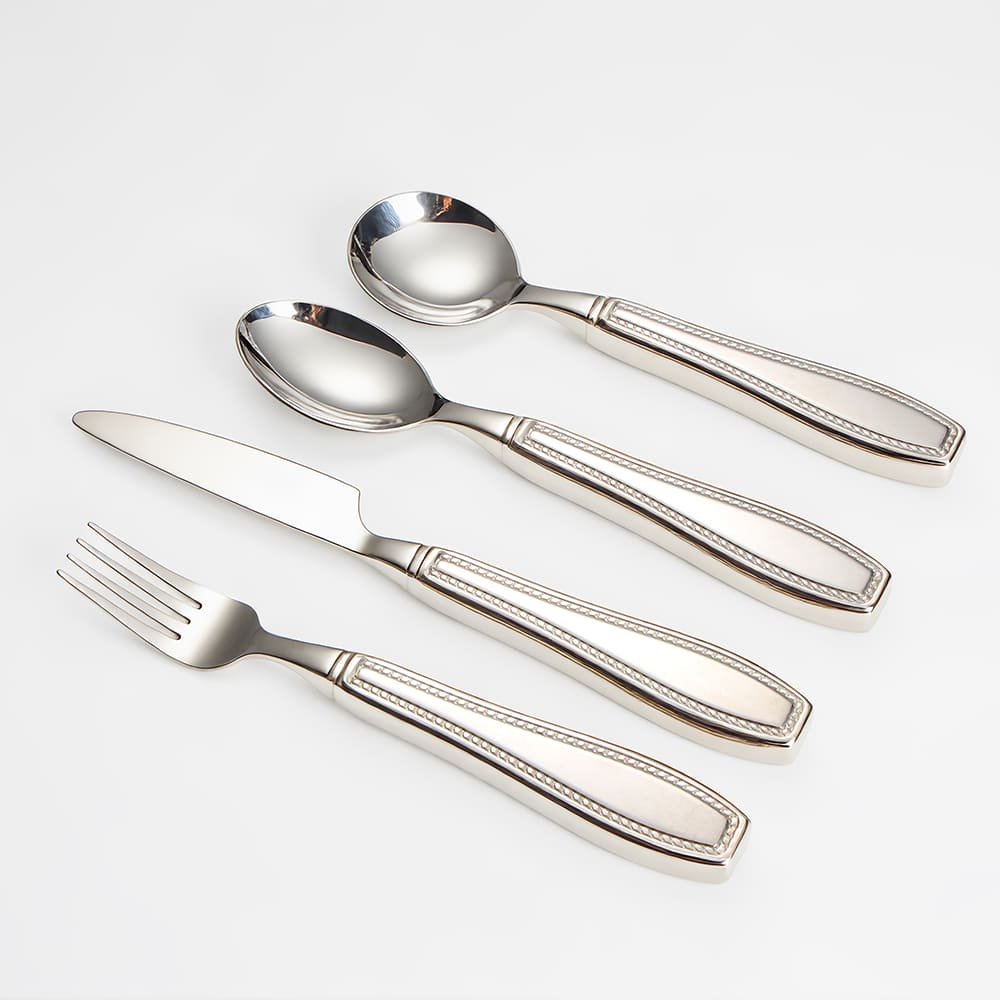
Adaptive eating utensils are designed to help individuals with disabilities eat independently. These utensils feature ergonomic handles, specialized grips, and unique shapes that make it easier for people to grasp and use them.
Adaptive utensils are more than just tools; they are innovations that change lives. These utensils are specifically designed to help people with conditions such as arthritis, cerebral palsy, or stroke recover their independence at the dining table. Their design usually includes modifications like larger, easy-to-hold handles, weighted materials for better control, or bendable parts to fit a user’s needs.
Understanding the different types of adaptive utensils can help us choose the right one. Some common types include:
1. Ergonomic Cutlery
This type includes spoons, knives, and forks with handles designed to fit comfortably in the user’s hand. They help those with limited grip strength. Some handles are shaped like a “T” for users who have difficulty holding standard utensils.
2. Specialized Forks & Spoons
These are ideal for people with tremors, such as those living with Parkinson’s disease. They feature anti-shake technology or weighted handles to provide stability and reduce the impact of shaking hands during meals.
3. Bendable Cutlery
Bendable utensils are especially helpful for people with limited range of motion or those who have trouble moving their wrists or hands in certain directions. The ability to bend the utensil to any desired angle allows users to eat more comfortably and independently.
| Type of Utensil | Features | Ideal for |
|---|---|---|
| Ergonomic Cutlery | Comfortable handles, easy grip | Limited grip strength |
| Specialized Utensils | Anti-shake technology, weighted handles | Tremors or shaky hands |
| Bendable Cutlery | Flexible handle, adjustable angle | Limited wrist mobility, arthritis |
With advancements in adaptive utensil design, the right tool can make a significant difference in the daily lives of people with disabilities.
What Are Three Types of Assistive Eating Devices?
There are various tools out there designed to assist people during mealtime. But what are the three most common and effective types? Let’s take a closer look.
Assistive eating devices can help improve eating independence for people with disabilities. The three main types are specialized utensils, assistive plates, and adaptive cups, each tailored for specific challenges.
Assistive eating devices encompass a wide range of tools that make eating more accessible and less stressful for those with disabilities. Each device serves a unique purpose and is designed with different types of physical limitations in mind. While utensils are essential for eating, other devices such as specialized plates and cups also play a crucial role.
1. Specialized Utensils
These utensils feature larger or weighted handles, bendable parts, or anti-shake technology to help those with conditions like arthritis, Parkinson’s, or stroke regain their independence at the dining table.
2. Adaptive Plates
Adaptive plates are designed with raised edges or curved sides to help guide food onto the utensils. They are often used by people with limited hand mobility or coordination issues. Some adaptive plates even have non-slip bottoms to keep them from sliding.
3. Assistive Cups
Drinking can be just as difficult for people with physical disabilities. Assistive cups feature built-in straws, easy-to-grip handles, or even one-way valves to ensure that the liquid doesn’t spill, allowing the user to drink independently without a mess.
| Type of Device | Features | Ideal for |
|---|---|---|
| Specialized Utensils | Larger, weighted handles, anti-shake technology | Limited grip, tremors |
| Adaptive Plates | Raised edges, curved sides, non-slip bottoms | Limited hand coordination |
| Assistive Cups | Built-in straws, easy-grip handles, spill prevention | Difficulty with holding or drinking |
With the right combination of these devices, eating becomes not just an act of nourishment, but a daily opportunity for dignity and independence.
What Is the Best Adapted Cutlery for Disabled People?
The search for the best adapted cutlery can be overwhelming with so many options out there. What features should you look for in order to maximize comfort and independence?
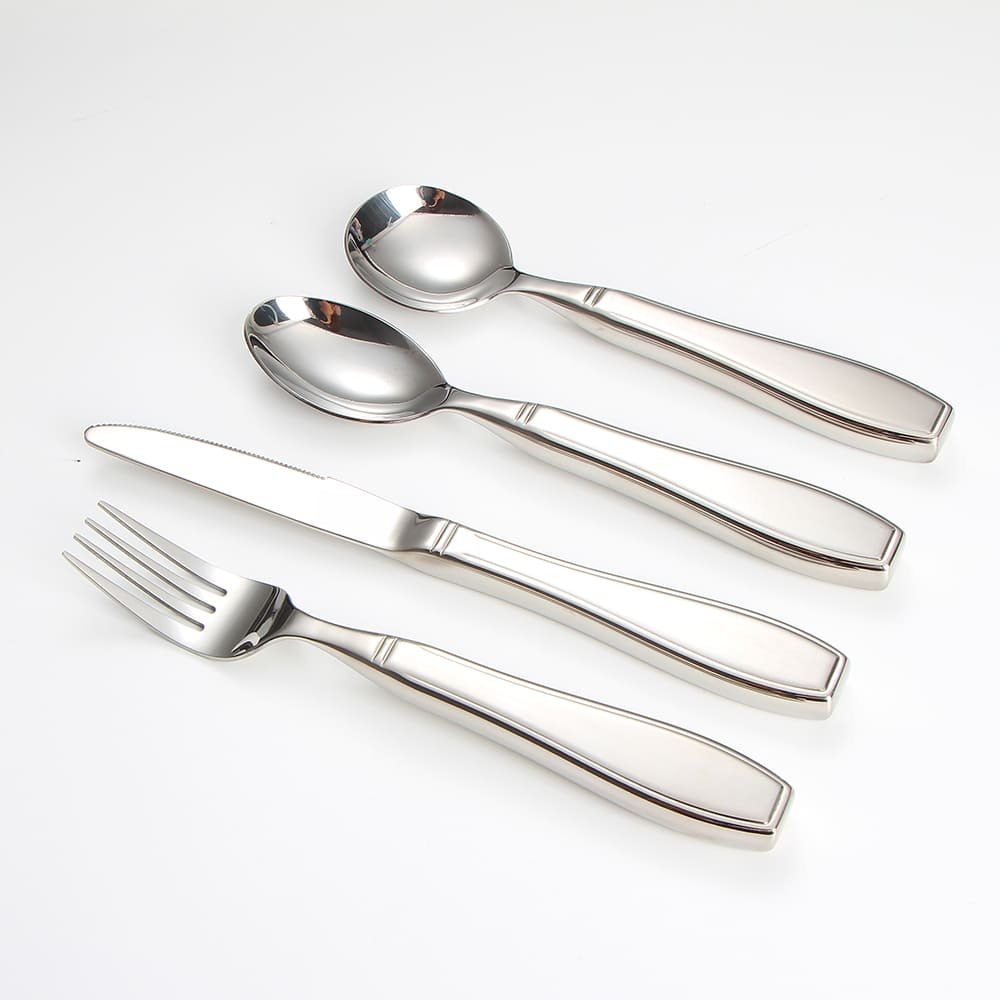
The best adapted cutlery for disabled people should be ergonomic, lightweight, and easy to grip. Cutlery with flexible, non-slip handles and weighted designs offer the most comfort and stability.
When looking for adapted cutlery, it’s essential to focus on three main criteria: ergonomics, material quality, and ease of use. The right cutlery will not only make eating easier, but also more enjoyable, helping individuals with physical challenges regain their sense of independence.
1. Ergonomics
The design of the cutlery should fit the user’s hand comfortably. For those with limited grip strength, larger or wider handles are ideal. Some designs even feature contoured handles that fit perfectly in the palm of the hand, allowing for better control and less effort in holding the utensil.
2. Material Quality
The material of the utensils plays a critical role in their durability and weight. Lightweight materials such as stainless steel or durable plastics make the cutlery easier to hold. At the same time, materials should be easy to clean, non-slip, and rust-resistant.
3. Ease of Use
Adaptive cutlery should also be easy to use in terms of maneuverability. This includes bendable spoons or forks for users with limited wrist mobility, or utensils with special mechanisms to reduce tremors. A weighted design can also help in providing stability during eating.
| Feature | Why It Matters | Ideal For |
|---|---|---|
| Ergonomics | Comfort and ease of grip | Limited hand strength, arthritis |
| Material Quality | Durability, lightweight, non-slip | Long-term use, comfort, hygiene |
| Ease of Use | Maneuverability, stability | Tremors, wrist mobility issues |
Selecting the right cutlery is essential for people with disabilities. It not only aids in eating, but it empowers them to eat independently and with dignity.
Can Adaptive Utensils Help People Eat More Independently?
Do adaptive utensils really help people eat without assistance? It’s a question worth exploring, as these tools can change the way people approach mealtime.
Adaptive utensils can significantly improve mealtime independence for individuals with disabilities by reducing reliance on caregivers. With specialized features, they allow users to eat more easily and with greater confidence.
Eating is one of the most basic human activities, yet for many people with disabilities, it can be an overwhelming task. Adaptive utensils make this essential activity not only easier but more empowering. These tools are designed to reduce the physical effort required, allowing individuals to eat with minimal or no assistance.
1. Reduces Reliance on Caregivers
Adaptive utensils enable individuals to perform the task of eating independently, reducing the need for caregiver intervention. This helps maintain dignity and provides a sense of control over one’s own life. Whether it’s a specially designed spoon for someone with tremors or a fork that requires minimal grip strength, adaptive cutlery removes barriers.
2. Boosts Confidence
With the right utensils, people gain the confidence to eat without fear of spilling or struggling. This leads to better self-esteem and a more positive relationship with food. Independence in daily tasks can also translate into overall improvement in mental and emotional well-being.
3. Improves Social Interaction
Eating independently also allows for more natural social interaction. In group settings like family dinners or social gatherings, being able to eat without help means less reliance on others and greater involvement in the conversation.
| Benefit | How It Helps | Ideal For |
|---|---|---|
| Reduced Reliance on Caregivers | Empowers individuals to eat without help | Disabled individuals, elderly people |
| Increased Confidence | Improves self-esteem, enhances independence | Anyone with limited hand function |
| Better Social Interaction | Allows active participation in meals, less isolation | People in group meals or social settings |
Adaptive utensils not only improve the physical aspect of eating but also enhance mental and emotional well-being, promoting independence and social connection.
What Cutlery Is Best for Dementia Patients?
For dementia patients, mealtime can be particularly challenging. What cutlery is best suited for their needs to ensure they eat safely and independently?
The best cutlery for dementia patients is designed for ease of use, comfort, and safety. Adaptive utensils with easy-to-grip handles and non-slip features can greatly improve their ability to eat independently.
Dementia affects an individual’s memory, cognition, and motor skills, which can make tasks like eating more difficult. Therefore, cutlery designed specifically for dementia patients focuses on maximizing safety, reducing confusion, and providing the ease of use needed for a smoother dining experience.
1. Safety Features
Safety is paramount when it comes to dementia patients. Cutlery with rounded edges or utensils designed to prevent cuts can reduce the risk of injury. Non-slip handles also help in preventing accidents by offering better grip control.
2. Simple and Familiar Design
Dementia patients may struggle with recognizing or using complicated tools. Therefore, the ideal cutlery should be familiar in shape and easy to identify. Brightly colored handles or designs that contrast with the plate can help in visually guiding the user.
3. Ergonomically Designed Handles
Larger handles with soft grips help dementia patients with limited dexterity to grasp utensils comfortably. The utensils should be easy to hold and lightweight, reducing the strain on the hands and wrists.
| Feature | Why It Matters | Ideal For |
|---|---|---|
| Safety Features | Prevents injury, enhances security | Dementia patients, elderly |
| Simple and Familiar Design | Reduces confusion, easy to recognize | Dementia patients, cognitive decline |
| Ergonomically Designed Handles | Easy grip, less strain on hands and wrists | Patients with arthritis or hand weakness |
Cutlery for dementia patients should aim to reduce confusion and stress while maintaining safety and comfort. The right choice can help them eat independently and with greater ease
What Is the Safe Knife for People with Disabilities?
Knives can be tricky for people with disabilities. What makes a knife safe to use for those with limited dexterity or strength?
A safe knife for people with disabilities should have a comfortable, easy-to-grip handle, and a blade that requires minimal effort to cut. Safety features like rounded tips or non-slip handles can enhance both comfort and security.
Knives are essential kitchen tools, but for people with disabilities, they can pose significant challenges. The key to a safe knife lies in its design features that minimize risk and maximize ease of use. Here’s what to look for in a safe knife for people with disabilities:
1. Ergonomically Designed Handle
Knives with large, soft, non-slip handles are the most effective. These handles are designed to fit comfortably in the hand, reducing the strain on fingers and wrists. The handle should be easy to grip, even for those with arthritis or limited hand mobility.
2. Lightweight Blades
Heavy knives can be difficult to control. Lightweight blades allow for greater precision and less effort when cutting. A light but durable blade will be less taxing for individuals with limited hand strength.
3. Safety Features
Rounded tips on the knife blade can prevent accidental cuts or injuries, particularly for individuals with tremors or coordination problems. Non-slip materials on the handle also prevent the knife from slipping out of the hand while cutting.
| Feature | Why It Matters | Ideal For |
|---|---|---|
| Ergonomically Designed Handle | Reduces strain and improves control | Arthritis, limited hand mobility |
| Lightweight Blades | Easier to use with less force | Weak grip, limited strength |
| Safety Features | Reduces risk of cuts, improves user safety | Tremors, lack of coordination |
Choosing the right knife can make a world of difference in meal preparation for people with disabilities, promoting safety, independence, and confidence.
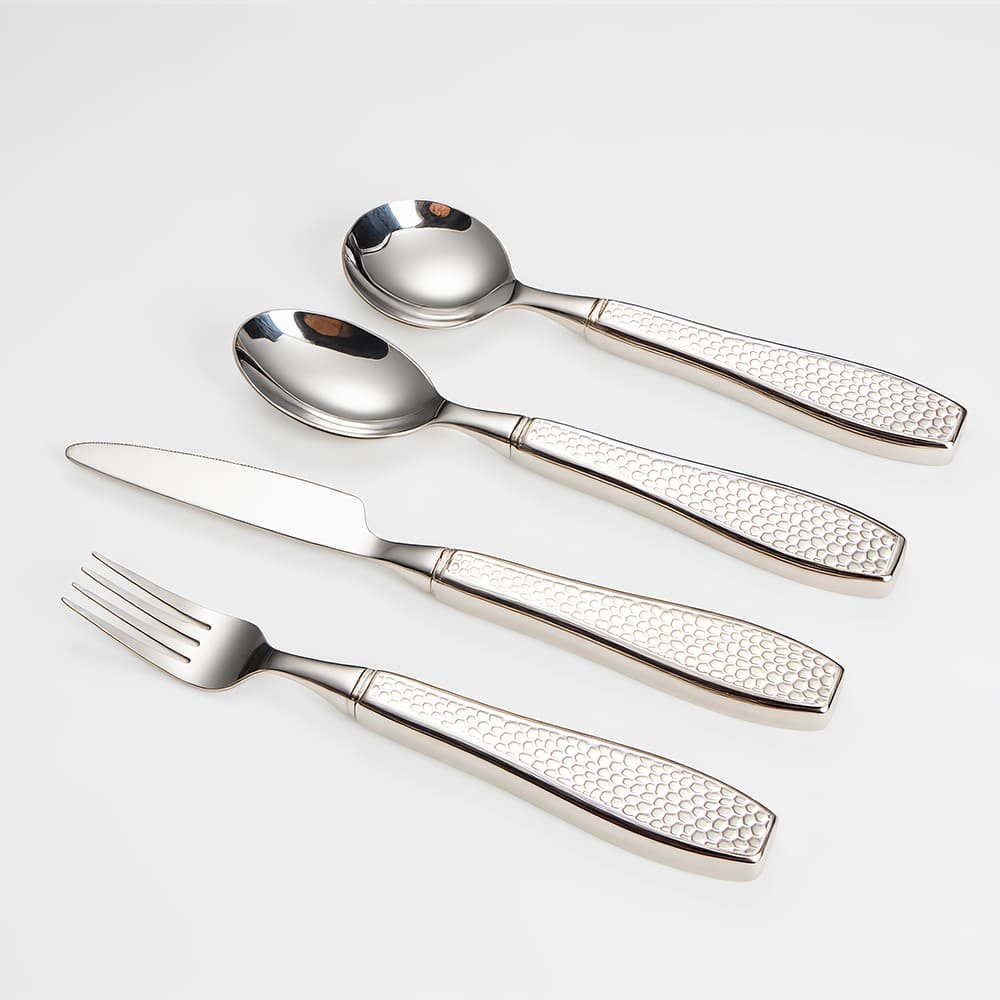
How Do Adaptive Utensils Work?
Wondering how adaptive utensils function to assist people in eating? These tools are designed to address specific challenges that individuals face during mealtime.
Adaptive utensils are specially designed to reduce physical strain. They feature ergonomic handles, bendable parts, and anti-shake technologies to help people with physical limitations eat independently and comfortably.
Adaptive utensils are not just ordinary eating tools. They are built with special features designed to accommodate physical limitations, enabling individuals to perform daily tasks with greater ease and autonomy.
1. Ergonomic Handles
Ergonomically designed handles are often wider, longer, or made from softer materials, allowing users to grip utensils without exerting too much force. Some even feature adjustable parts that can be bent to fit the user’s specific needs.
2. Anti-Tremor Technology
For individuals with conditions like Parkinson’s disease, utensils with anti-shake technology are essential. Weighted handles or specialized mechanisms help reduce the impact of tremors, allowing the user to maintain better control of the utensil while eating.
3. Bendable or Adjustable Parts
Some adaptive utensils feature bendable handles, allowing users to adjust the angle to suit their hand’s movement. This is especially useful for people with limited wrist mobility or those recovering from a stroke.
| Feature | How It Works | Ideal For |
|---|---|---|
| Ergonomic Handles | Wider, softer handles for easy grip | Limited grip strength, arthritis |
| Anti-Tremor Technology | Weighted handles reduce tremors’ impact | Parkinson’s disease, essential tremor |
| Bendable Parts | Allows users to adjust angle for comfort | Limited wrist mobility, stroke recovery |
By understanding how adaptive utensils work, we can appreciate their significant role in restoring independence during mealtime.
Adaptive utensils are crucial tools that allow people with disabilities to eat more independently. From ergonomic designs to safety features, they provide comfort, stability, and confidence during meals.