
What Are the Differences Between Cutlery Hand Polishing and Machine Polishing in Mass Production?

Machine polishing uses automated equipment to create uniform mirror finishes through preset parameters, while hand polishing relies on craftsmen’s skills to handle complex curves and fine details. In mass production, machines excel at consistency and speed, but hand polishing achieves deeper gloss and better control over intricate areas—though quality varies between workers.
How Can You Successfully Customize Airline Cutlery from Concept to Production?
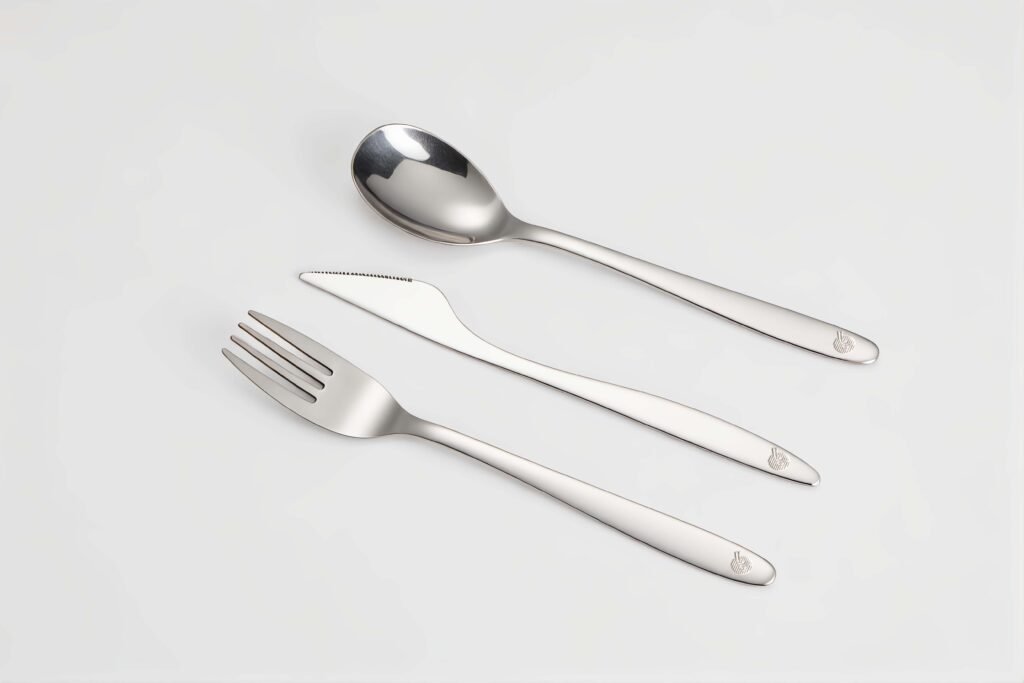
Customizing airline cutlery requires a systematic approach that balances weight restrictions, safety standards, stackability requirements, and brand identity. The process involves five key stages: initial design consultation, 3D modeling and prototyping, material selection and testing, compliance certification, and scaled production with quality control.
The Definitive Guide to Airline Cutlery Customization: 3D Prototyping, Technical Standards, and Mass Production
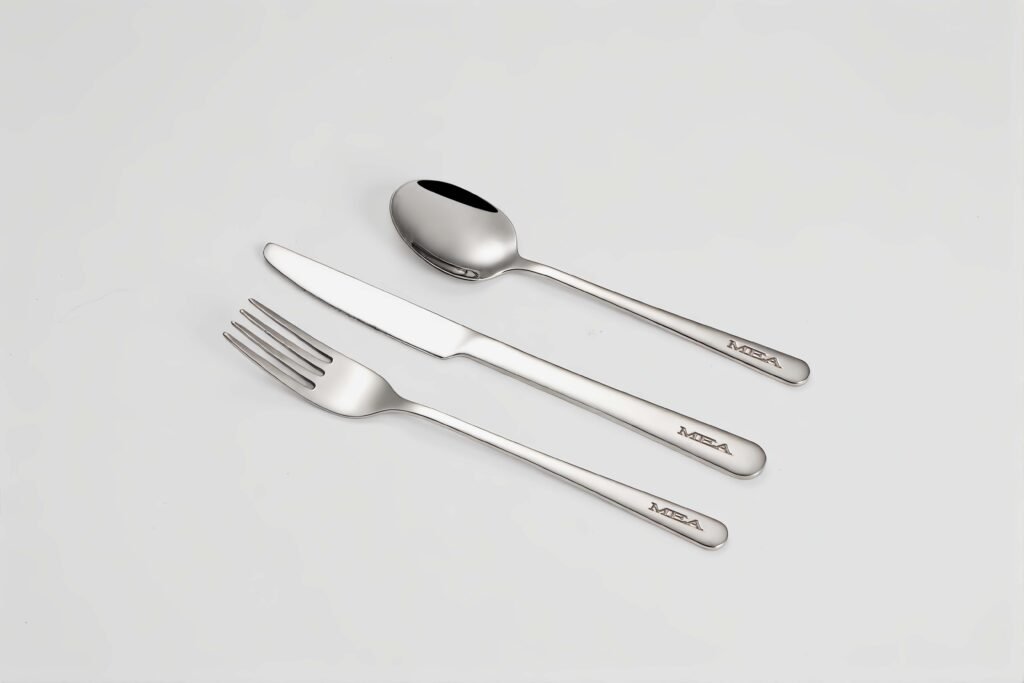
As a professional B2B manufacturer with 13 years of experience and a track record of serving over 1,000 global brands, Brilliant presents this comprehensive guide for procurement officers and airline distributors on how to navigate the complex process of custom cutlery development.
2026 Guide to Food-Grade Stainless Steel Standards (304 vs 316) for European Importers
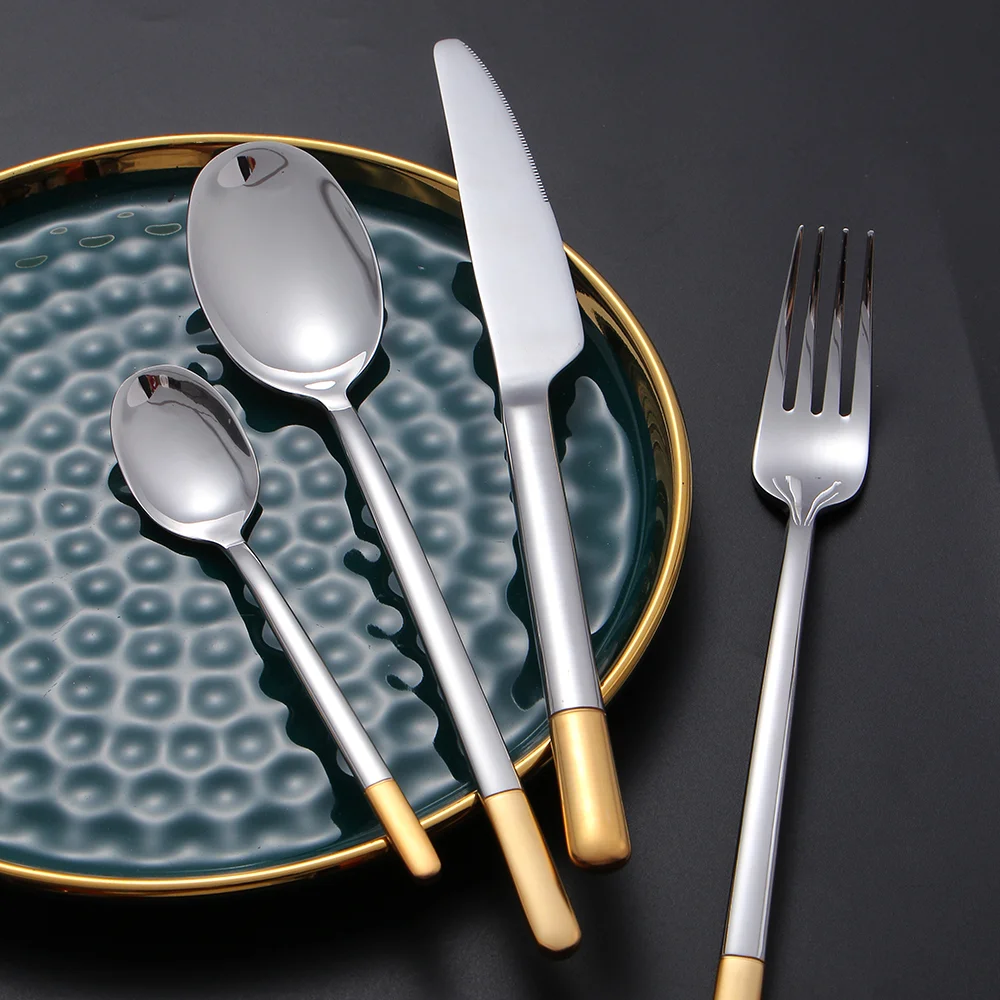
When importing cutlery or kitchen tools, understanding the differences between 304 and 316 stainless steel can make a big difference in food safety and quality.
Hand Polishing vs. Automatic Machine Polishing: How to choose for your project?
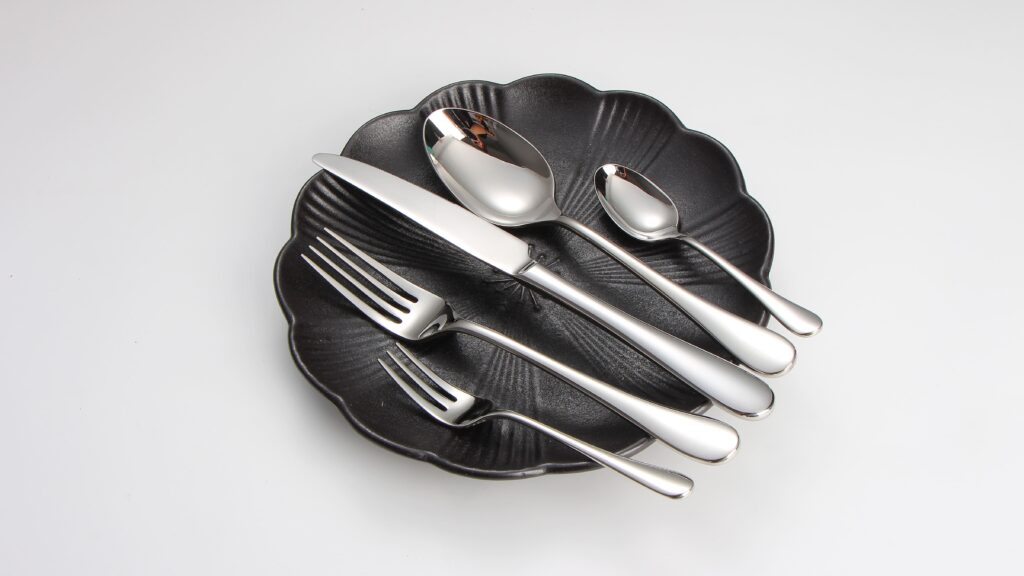
Choose hand polishing for premium, complex designs where a flawless, high-value finish is essential. Opt for automatic machine polishing for large, standard orders where consistency, speed, and cost-effectiveness are your main priorities. The best method depends entirely on your project’s goals.
Manual vs. Automatic Machine Polishing: How Does ‘Grade A’ Impact Your Brand?
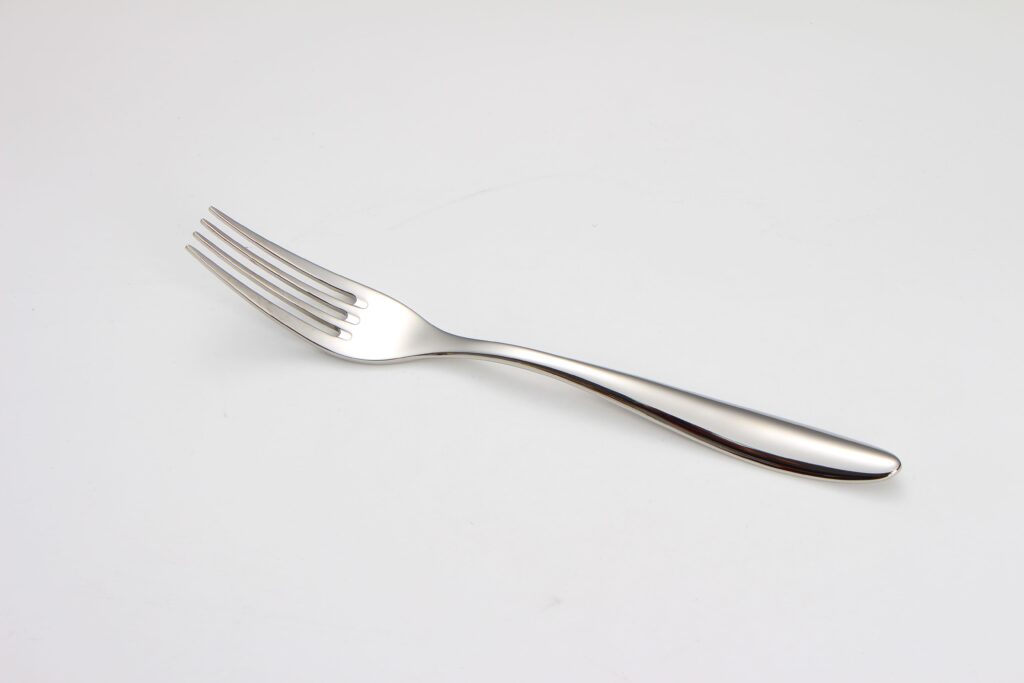
The difference between manual and automatic polishing determines your product’s final quality and consistency. For premium brands, the solution isn’t choosing one over the other. It’s about using automatic machines for baseline consistency and skilled manual polishing to achieve a flawless, luxury-grade finish that machines can’t replicate.
How to Verify If Your Factory Is Removing 100% of Polishing Paste Residue?
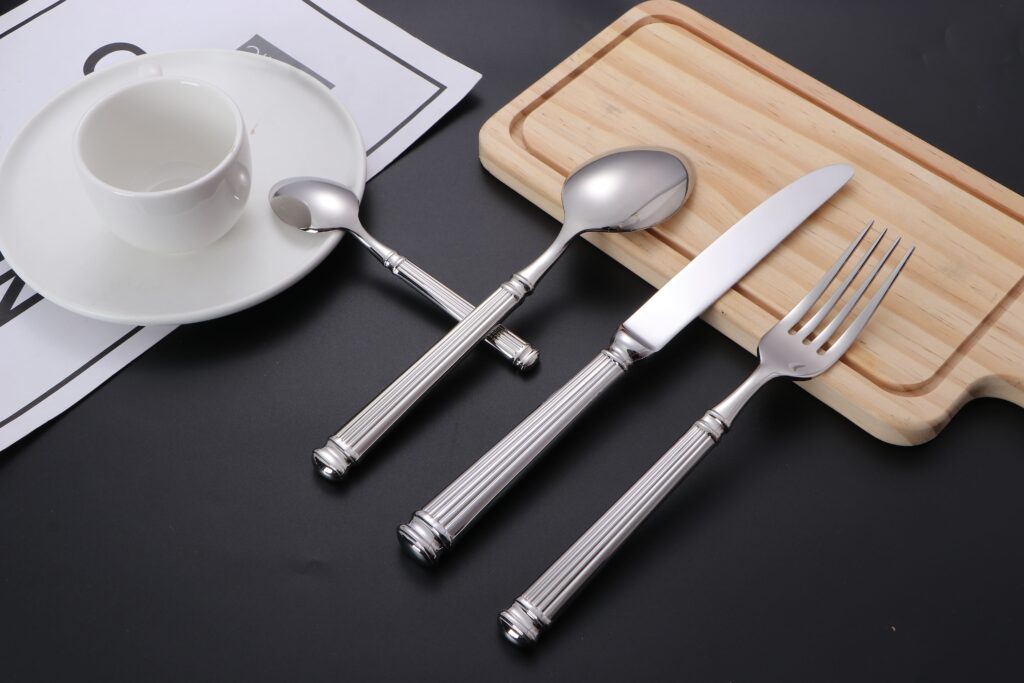
To truly verify if polishing paste is 100% removed, you must go beyond visual checks. The most effective method is the “Water Break Test.” If water sheets evenly across the surface without beading or separating, it proves all oily residue is gone, ensuring compliance with tests like LFGB.
Why Is “Between Tine” Polishing the Real Benchmark of Premium Forks?
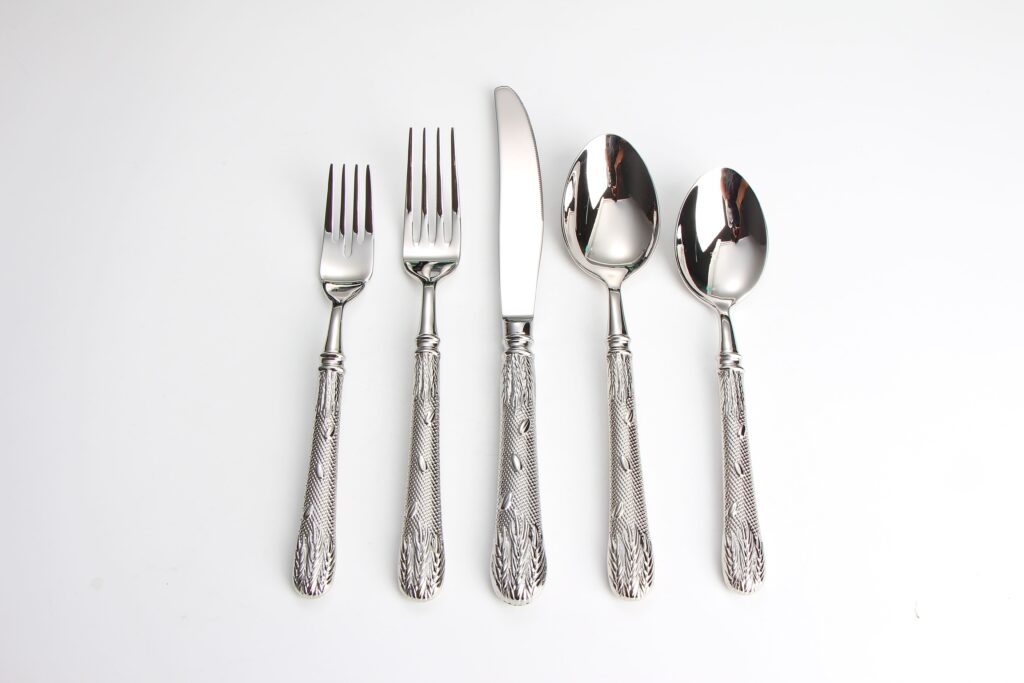
Polishing the area “between the tines” is the ultimate quality benchmark because it’s a difficult blind spot. Low-end forks leave rough stamping marks here that trap food and bacteria. Premium forks receive extra, meticulous polishing in this area to ensure perfect hygiene and a truly flawless finish.
What Are the Differences Between Hand Polishing and Machine Polishing in Mass Production?

In mass production, machine polishing offers superior consistency and speed because of standardized settings. Hand polishing, while allowing for finer detail on complex shapes, can lead to variations due to differing worker skill and fatigue, making it better suited for intricate, smaller-batch projects.