
Direct Factory vs. Trading Company: Which Sourcing Model Fits Your Scale?
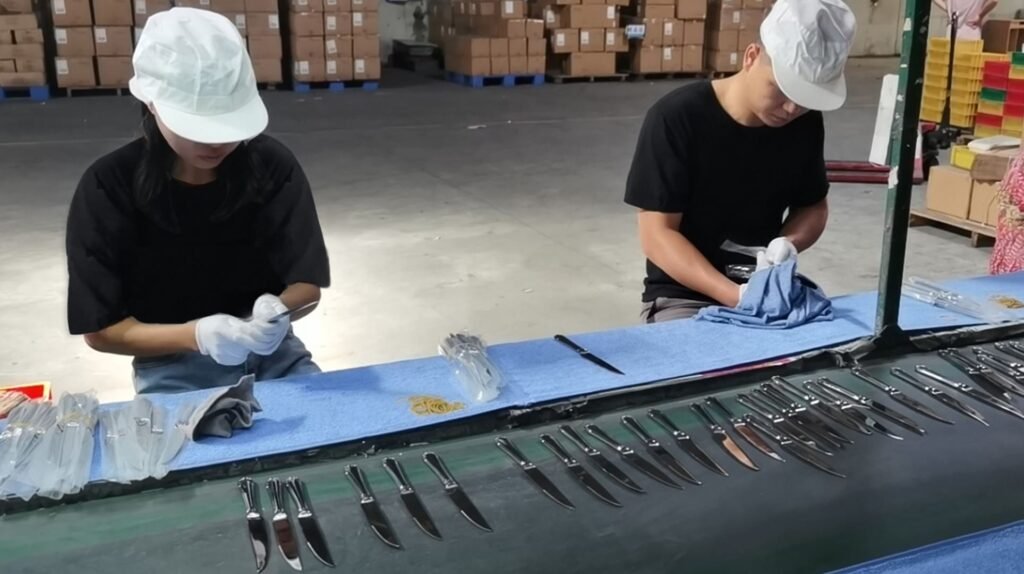
Direct factory sourcing is best for large-scale buyers who need cost control and deep customization, like with OEM/ODM cutlery. Trading companies are better for startups or small businesses needing a wide variety of products in low quantities and don’t mind paying a middleman’s fee.
What Are the Sharpness Standards for Exporting Children’s Cutlery to the US?
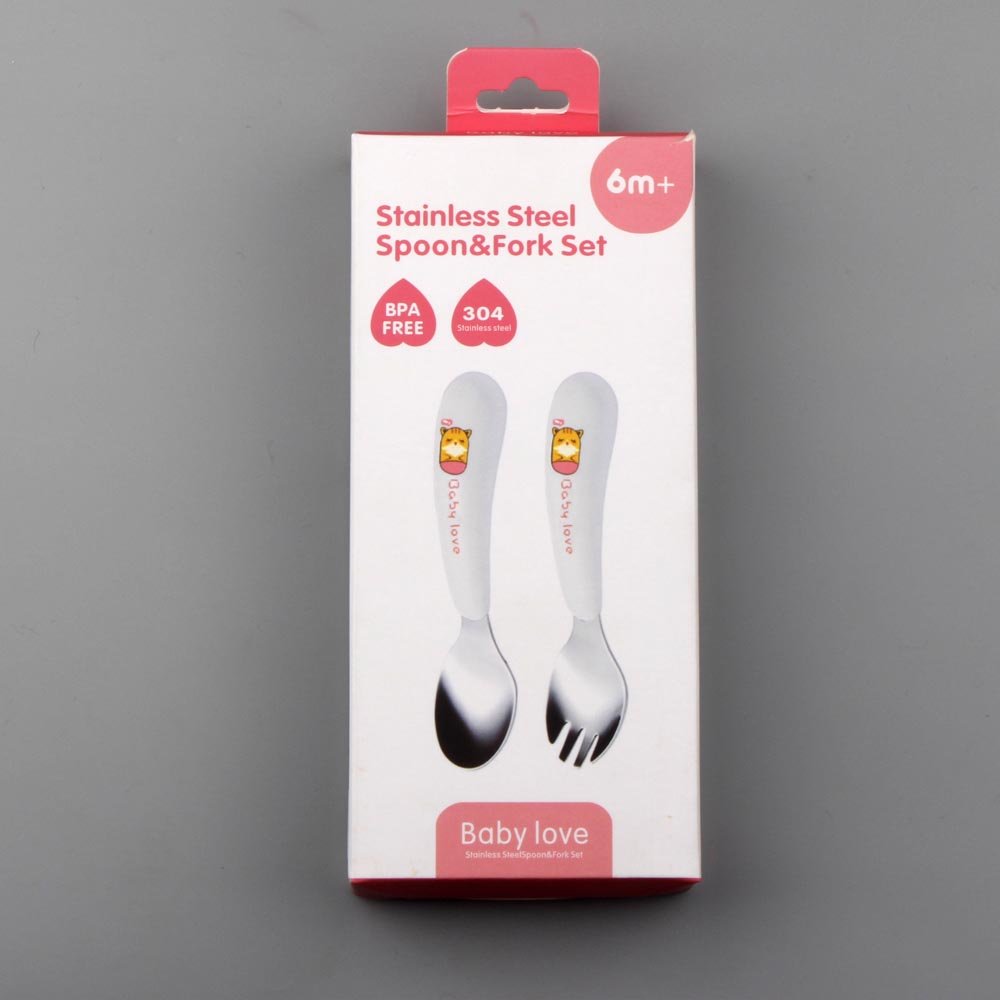
Exporting children’s cutlery to the US requires strict compliance with 16 CFR 1500.48/49 physical safety tests. This means no sharp points or edges. We ensure this by rounding fork tines (R-angle > 0.5mm) and using special testers to guarantee no micro-burrs, preventing recall risks.
What Are the Critical Edge-Rounding Standards for OEM Children’s Flatware?
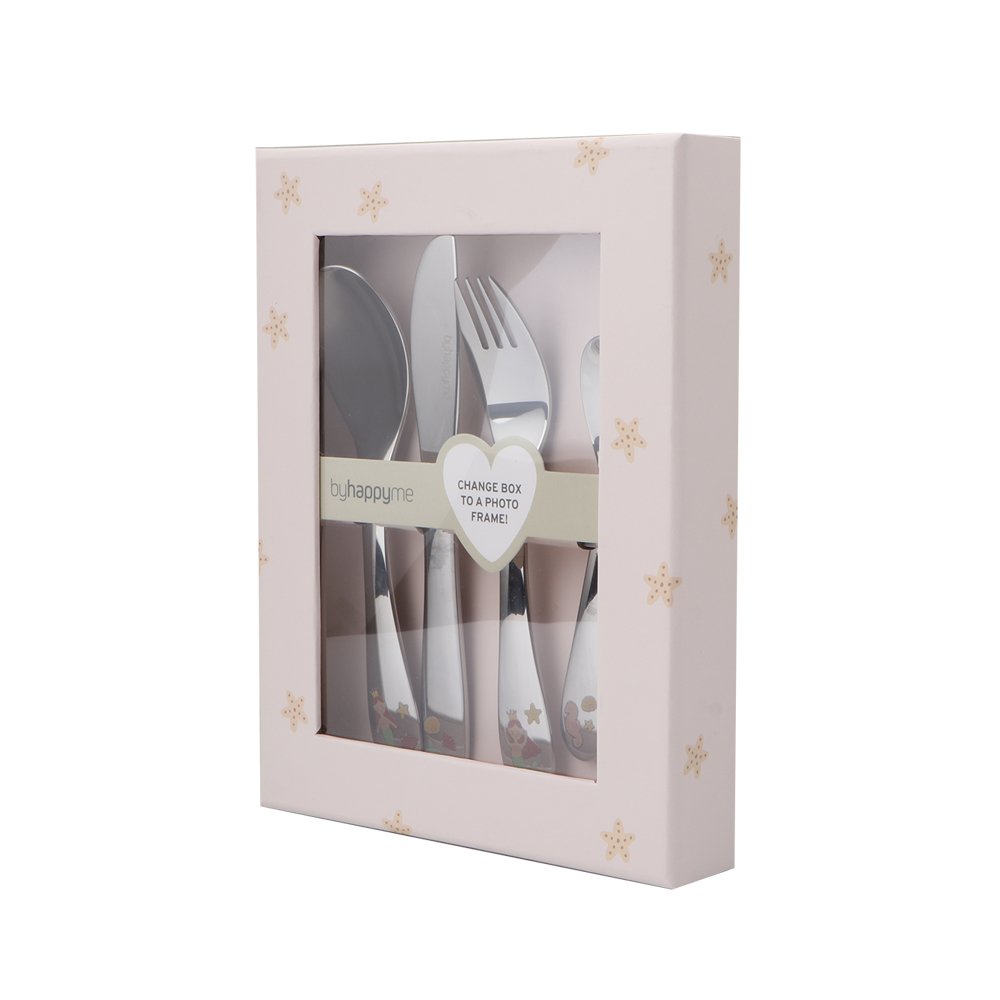
The critical edge-rounding standard for OEM children’s flatware is an R-angle of ≥0.5mm, as required by the EN 14372 standard. This ensures all edges and points are thoroughly blunted, preventing any risk of cuts or injuries and guaranteeing product safety for young users.
What Are the Safety Standards for Tine Finishing in Bulk Children’s Cutlery?
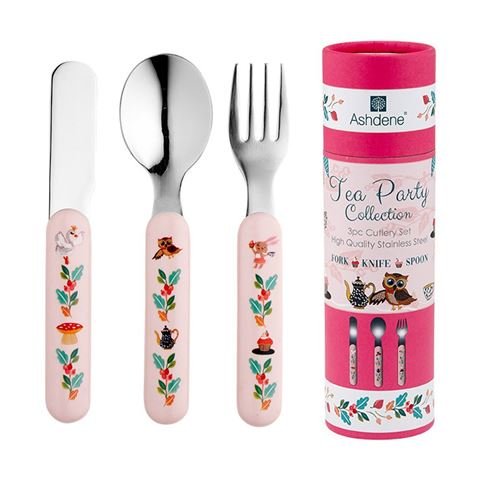
The key safety standard is the R-angle and smoothness of the fork tines. We use centrifugal tumble polishing to ensure every tine is perfectly rounded and free of micro-burrs, meeting EN14372 standards. This prevents mouth scratches and bacteria buildup, guaranteeing compliance for your bulk orders.
How to Balance Weight and Durability in Airline Flatware to Reduce Fuel Costs?

The key to balancing weight and durability is using advanced manufacturing and materials. Techniques like hollow handle technology, precision tapering, and materials like titanium reduce flatware weight significantly without compromising the strength needed for constant airline use and industrial washing.
Is Recycled Stainless Steel Becoming a Non-Negotiable Bid Requirement for Global Chains
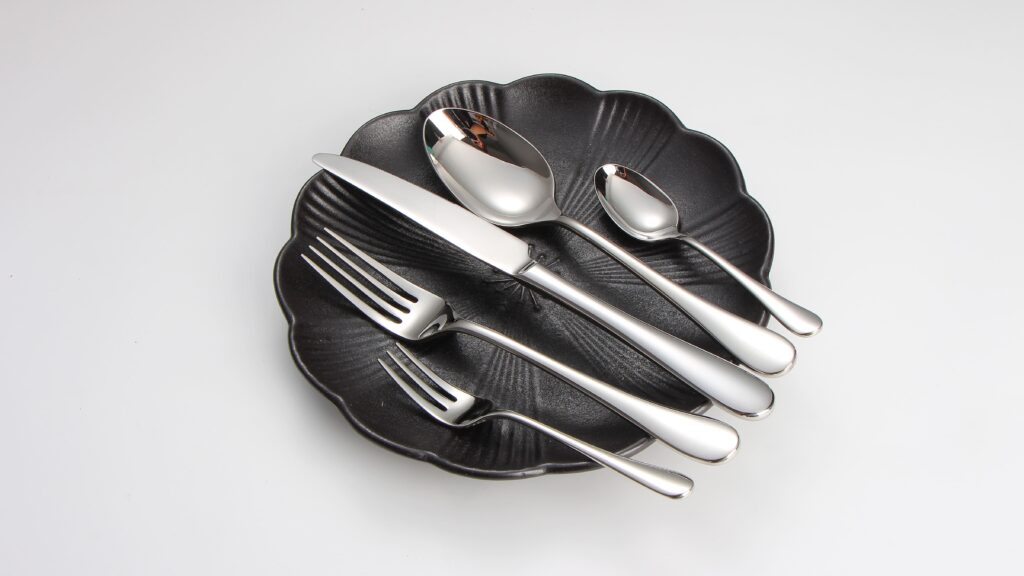
Yes, recycled stainless steel is quickly becoming a core requirement for global chains. It helps meet sustainability targets, improves brand image, and is cost-effective for large volume orders. Using it shows you are a responsible partner, making it a crucial factor in winning major hotel and retail contracts.
Why is 18/10 stainless steel mandatory for high-end hotel procurement?
High-end hotels mandate 18/10 stainless steel for its superior long-term performance. The “18/10” signifies 18% chromium for rust resistance and 10% nickel for a brilliant shine and enhanced durability. This composition ensures longevity, guest safety, a premium feel, and lower maintenance costs over time.
How to Select Reliable Wholesale Partners in China’s Hotel Supply Markets?
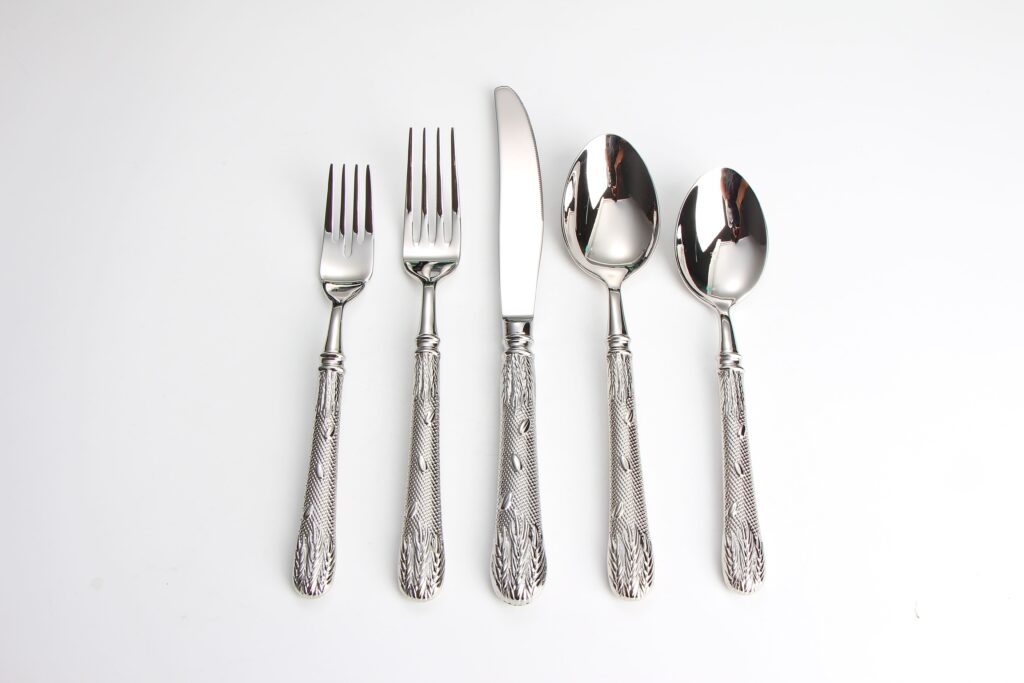
Prioritize durability and after-sales support. Ask partners for data from commercial dishwasher tests proving wear and corrosion resistance. Also, check for value-added services like maintenance training to ensure long-term reliability and value for your investment.
How Can Hotels Reduce Flatware Replacement Rates Caused by Industrial Dishwashers?
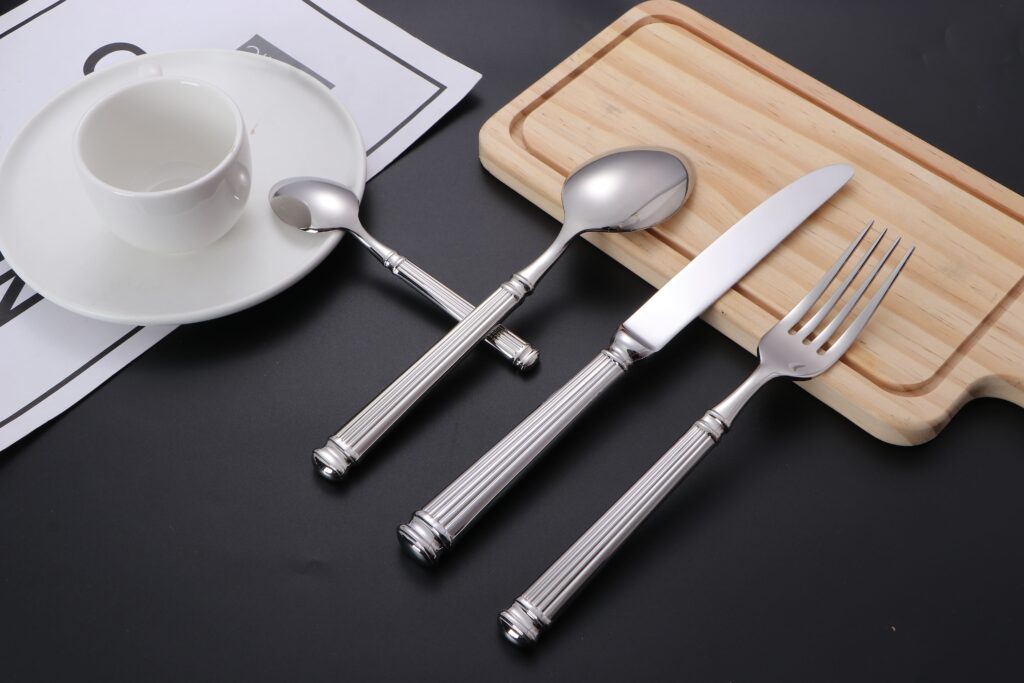
The key to reducing replacement rates isn’t just the steel grade; it’s molecular-level passivation and micron-level polishing. This process creates a protective shield, preventing chemical pitting and residue buildup from industrial detergents, which dramatically extends the life of your flatware and lowers long-term costs.