Ever wondered why the quality of airline cutlery changes between economy and business class? Let’s dive into the reasons and explore how these differences impact the flying experience.
The materials used for airline cutlery vary greatly between economy and business class due to the differing customer experiences, costs, and expectations. These distinctions influence both comfort and functionality on board.
As you settle into your flight, you’re likely to notice that the cutlery in business class feels more premium. But why is that? Let’s explore the factors that affect airline cutlery materials in both classes and how this translates to the passenger experience.
What is the difference between business class and economy class price?
Have you ever noticed the significant price difference between economy and business class? Let’s break down why this gap exists and how it affects everything from your seat to the food served.
Business class tickets are far more expensive than economy class, due to the extra services, amenities, and luxury offered. The price difference influences every aspect of the flight, including the cutlery used.
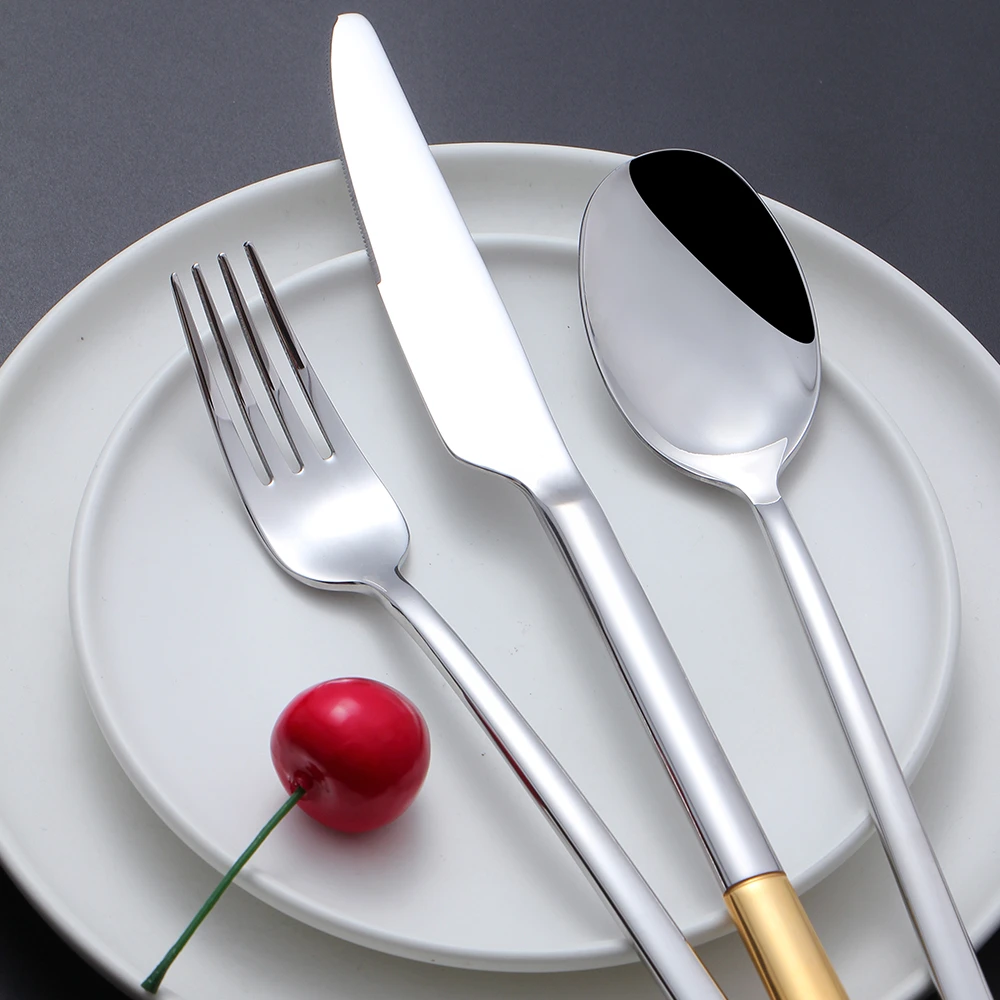
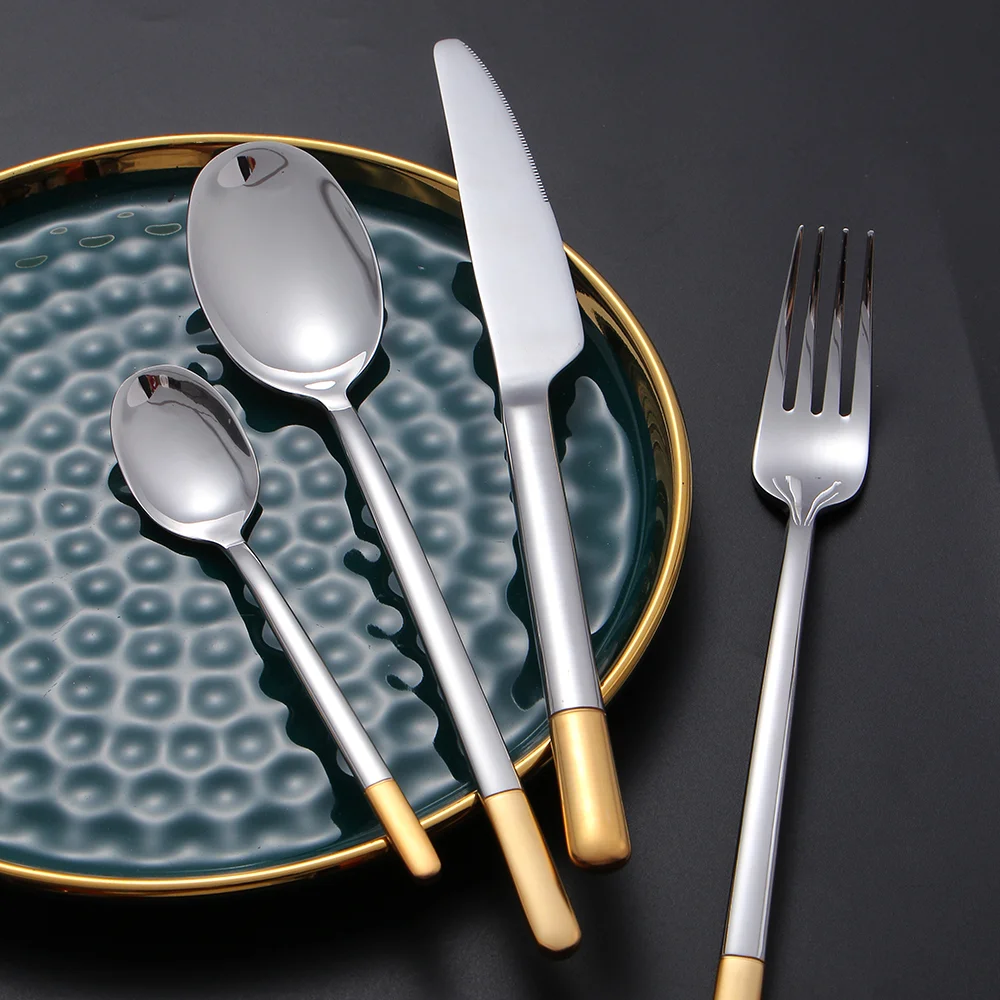
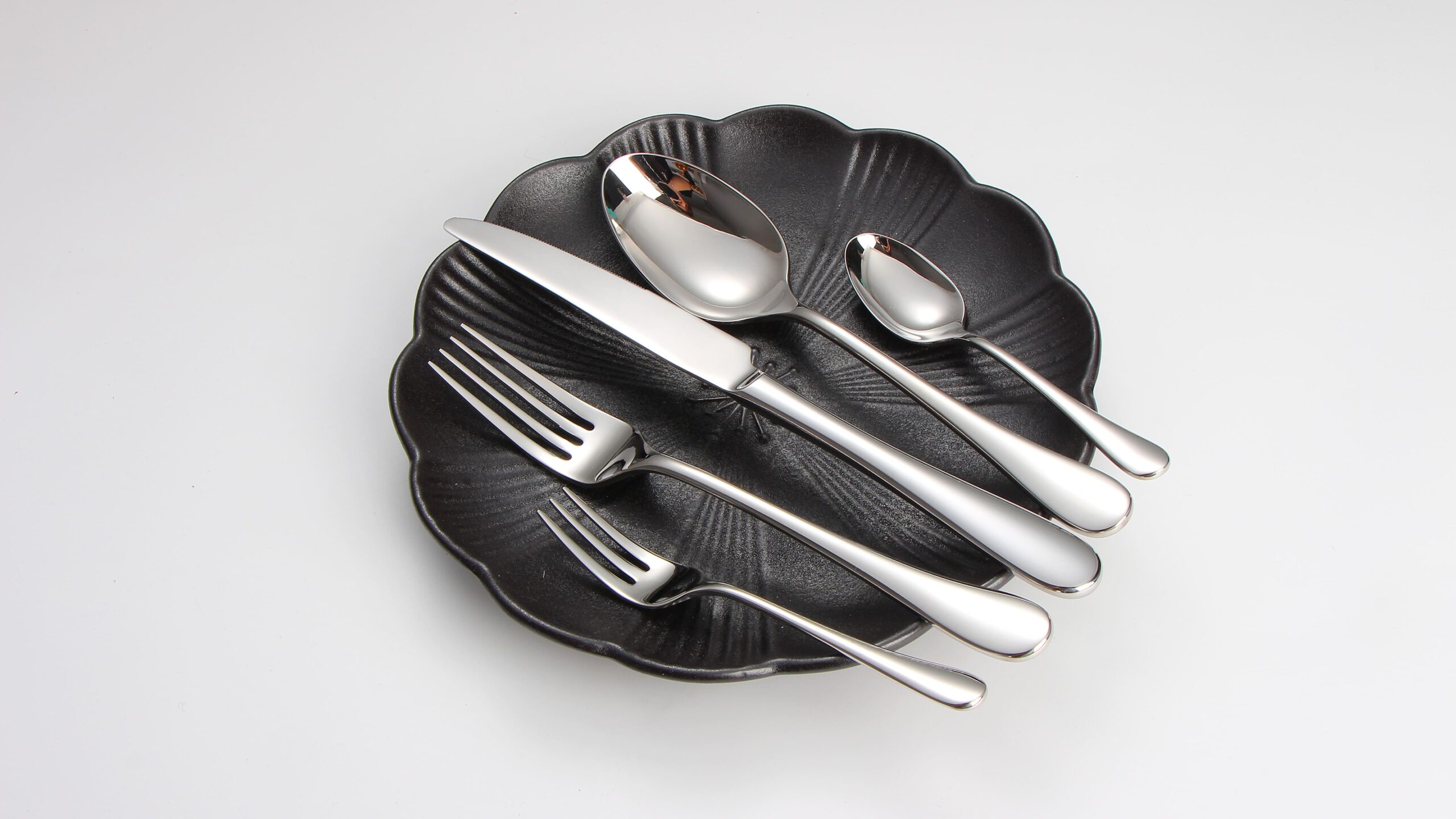
The cost disparity between business and economy class stems from the level of service and comfort passengers expect. Business class passengers enjoy a more exclusive experience, which extends to the quality of cutlery used onboard. Business class meals come with high-quality cutlery designed to complement the fine dining experience. Materials like stainless steel, or even titanium, are used to create a more luxurious feel. In contrast, economy class passengers receive basic cutlery, usually made of lightweight plastic or low-grade stainless steel to keep costs down.
While this may seem trivial, the materials used directly affect the perception of service. Economy class passengers may notice their cutlery bends or feels flimsy, while those in business class feel the weight and sturdiness of their utensils, enhancing the overall experience. But why does this matter for airlines?
The price difference is not just about the seat but also the dining experience, and the cutlery plays a major role in delivering that feeling of exclusivity. Let’s look into how the difference in flight classes extends beyond comfort into what materials airlines choose for their cutlery.
What is the difference between economy class and business class?
When you book a flight, you might wonder what justifies the price hike between economy and business class. Is it only about comfort, or are there more layers to it? Let’s examine.
The differences between economy and business class are rooted in the overall service provided. Business class offers exclusive amenities, better food, and of course, premium cutlery, enhancing the in-flight experience.
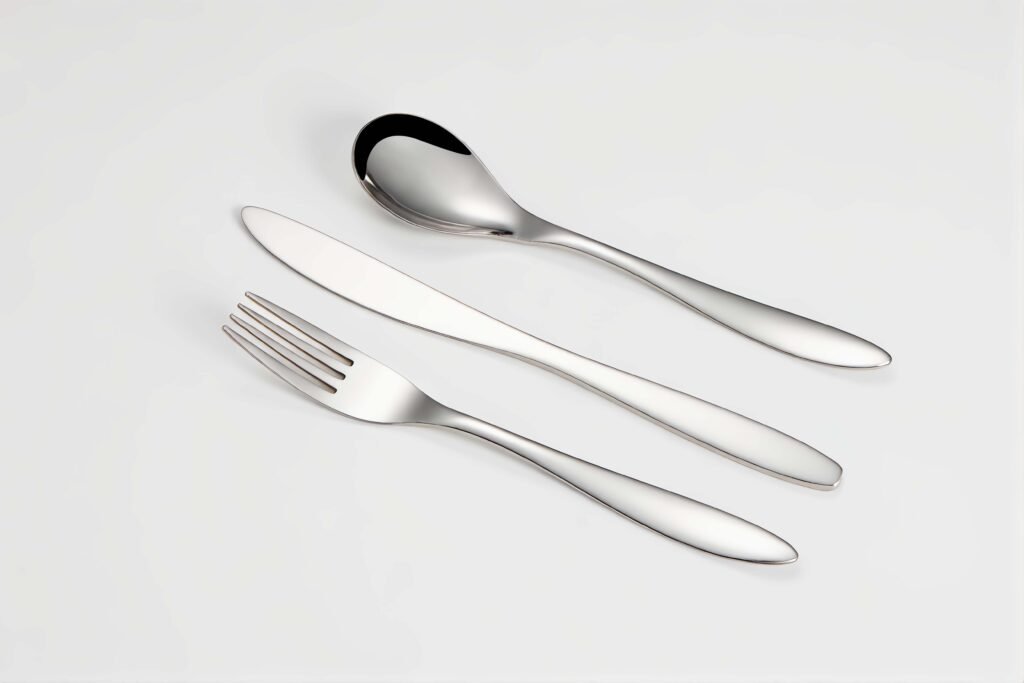
In business class, it’s all about luxury. Passengers enjoy larger seats, priority boarding, gourmet meals, and high-end cutlery. Airlines go the extra mile to ensure everything from the seat material to the plate design reflects the premium price tag. Business class cutlery often includes full sets of knives, forks, and spoons made from stainless steel or other durable metals. Some airlines even provide plated cutlery or pieces made from materials that are more sustainable and environmentally friendly.
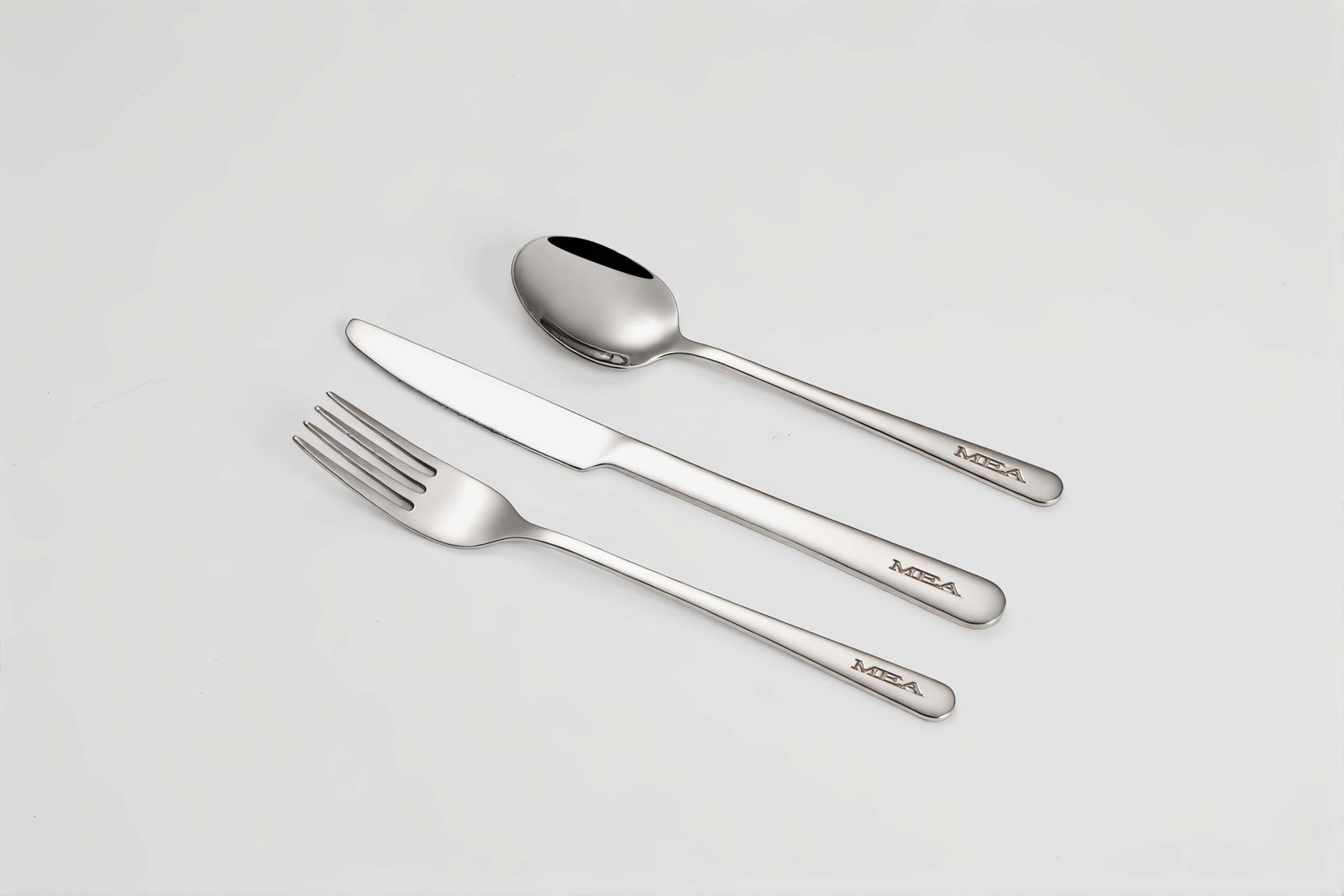
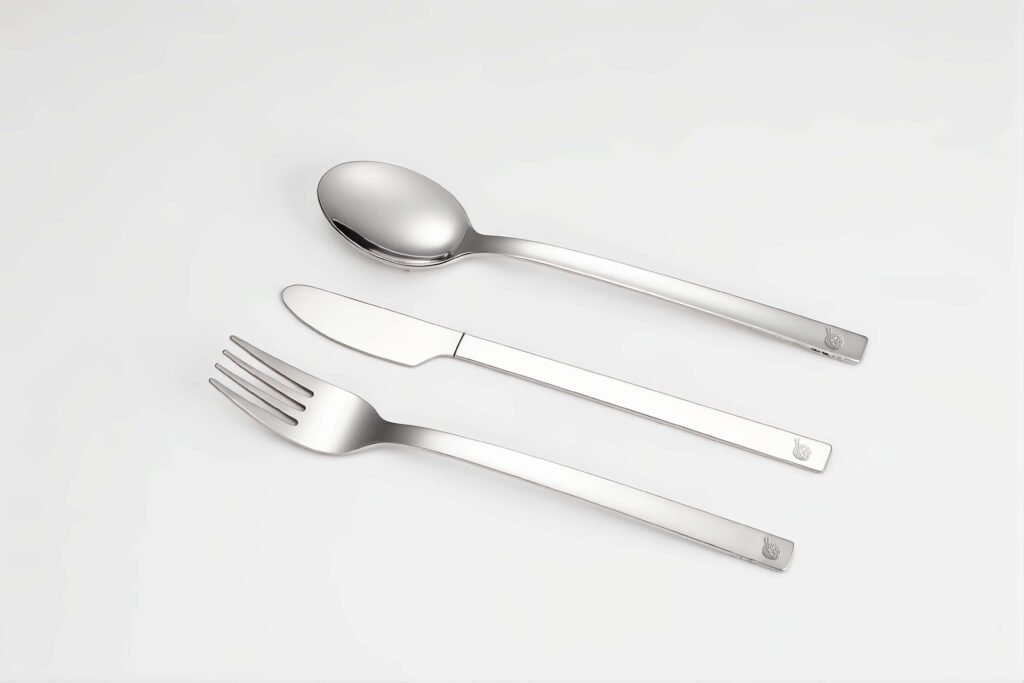
Economy class, however, typically offers plastic or thin stainless steel cutlery. The focus is on functionality rather than luxury. The price difference is justified not only in the seating comfort but also in the overall dining experience, including the quality of utensils used. Airlines make these choices based on what they believe will enhance the perceived value of the flight for their passengers.
This price differentiation is about much more than just the flight itself. It’s about creating a complete experience that customers are willing to pay for. The materials used for cutlery play a significant role in delivering that experience.
What is the difference between business class and economy class price?
Why do prices vary so much between business and economy class? It’s not just about space—it’s about the entire service package. Let’s look deeper into why this difference exists.
Economy and business class pricing reflects a different level of service, comfort, and materials used in every aspect of the flight experience, including cutlery.
The gap between business and economy class pricing comes down to the quality of service, in-flight amenities, and personalized experiences. Airlines justify the higher ticket price by offering business class passengers a much higher level of comfort and luxury. In addition to the larger seats and gourmet meals, business class passengers often receive better-quality cutlery—made from materials like high-grade stainless steel, which is sturdier and more polished compared to the plastic or cheap metal used in economy class.
Airlines invest in these premium materials not just to improve comfort but to enhance the customer experience. Business class dining is designed to reflect fine dining standards, and quality cutlery plays a big role in that perception. Passengers in economy may not notice the difference in cutlery materials as much, but business class passengers will instantly appreciate the weight and quality of the utensils. The materials also play a practical role—high-quality cutlery is less likely to bend or break, offering a superior experience in every aspect.
| Class | Seating Comfort | Meal Service Quality | Cutlery Quality |
|---|---|---|---|
| Economy Class | Standard | Basic, Pre-packaged | Plastic, Thin Steel |
| Business Class | Spacious, Fully Reclining | Gourmet, On-demand | High-end Metals (e.g., Stainless Steel, Titanium) |
The price isn’t just about space and food—it’s about the entire customer journey, including the cutlery used during meals. These differences matter, and they influence a passenger’s decision when booking a flight.
What is the difference between economy, premium economy, and business class in flight?
What’s the real difference between economy, premium economy, and business class? Is it just the price, or are there other factors that set them apart?
While premium economy and business class both offer a better experience than economy, the materials used for dining, including cutlery, reflect these upgrades and impact the overall flight experience.
Premium economy falls between economy and business class. While it offers more comfort than economy, it doesn’t quite reach the luxury level of business class. The cutlery in premium economy is usually a step up from economy, often made from better-quality stainless steel or plastic with a more polished appearance. It offers a better in-flight dining experience than economy, but it’s still a far cry from the elegant settings in business class, where everything, including the cutlery, is designed to reflect exclusivity and comfort.
Business class goes beyond both, offering cutlery made from high-end materials like stainless steel, titanium, or eco-friendly options. The utensils are heavier, sturdier, and contribute to the overall luxury dining experience.
| Class | Seating Comfort | Meal Service Quality | Cutlery Quality |
|---|---|---|---|
| Economy Class | Standard | Basic, Pre-packaged | Plastic, Thin Steel |
| Business Class | Spacious, Fully Reclining | Gourmet, On-demand | High-end Metals (e.g., Stainless Steel, Titanium) |
The choice of materials doesn’t just affect how the cutlery feels—it also impacts the way passengers perceive the class distinction. For airlines, this is a small but crucial detail that helps justify the higher prices of premium and business classes.
What materials are commonly used in manufacturing airline cutlery?
Have you ever wondered about the materials that go into creating airline cutlery? Let’s look at the types of materials used and their impact on the in-flight dining experience.
Airlines use a variety of materials for cutlery, with stainless steel, plastic, and even bamboo being common choices. The material choice depends on the class and the overall flying experience.
The material used in airline cutlery is carefully chosen based on factors such as cost, weight, durability, and the customer experience. In economy class, plastic cutlery is often used due to its low cost and lightweight nature. Plastic is easy to mass-produce and inexpensive, making it a go-to for budget airlines.
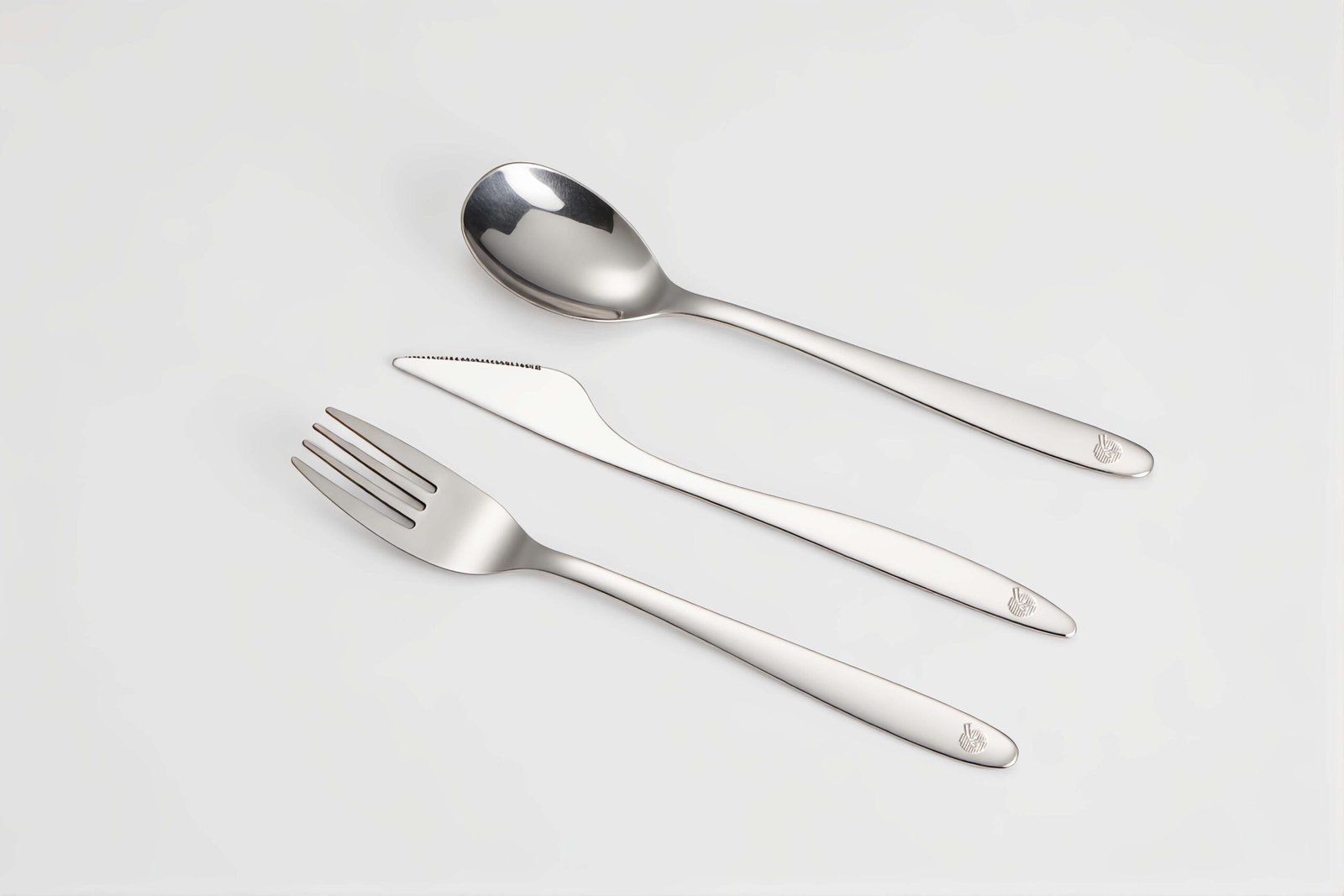
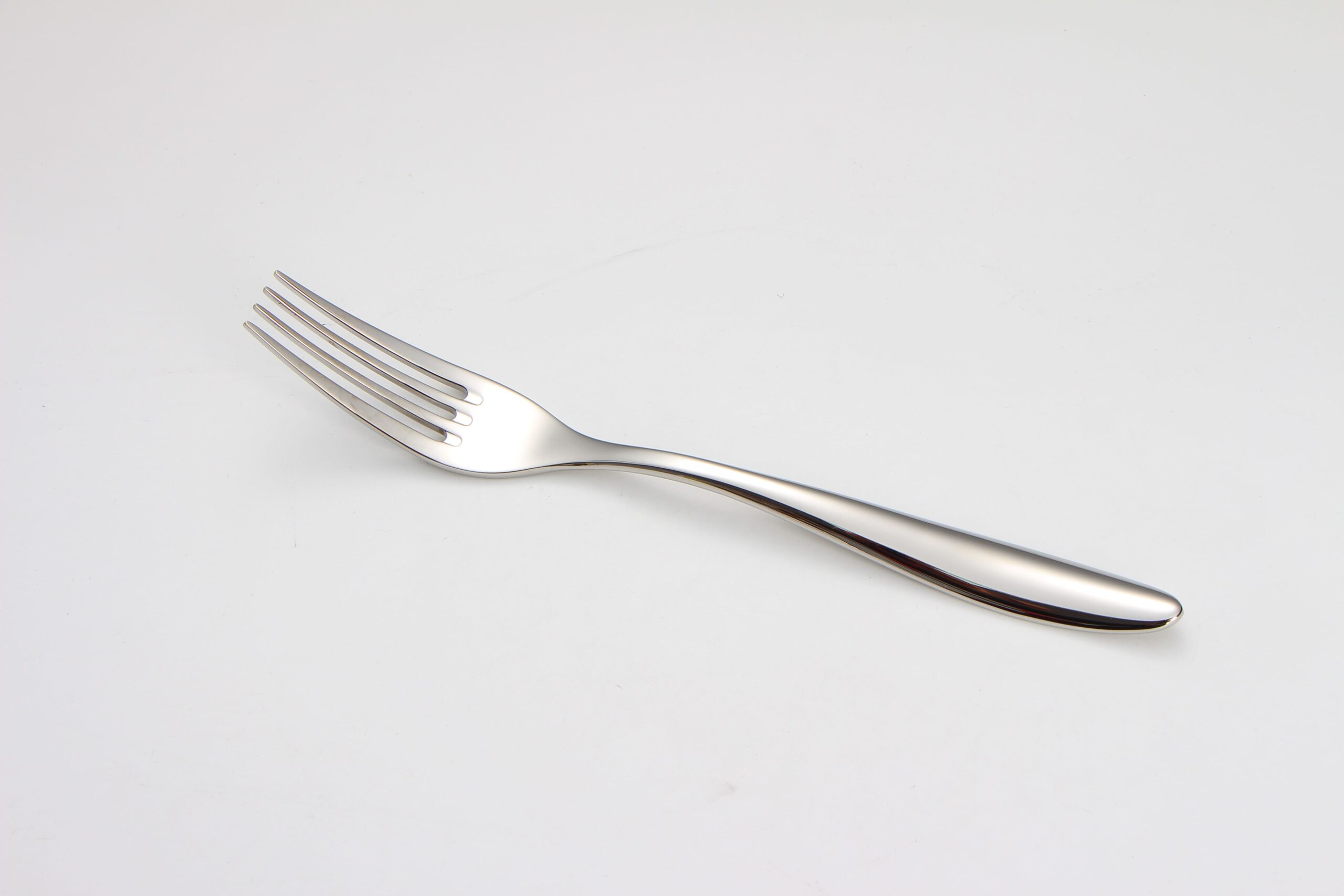
In contrast, business class cutlery is usually made from high-quality stainless steel. Stainless steel is durable, corrosion-resistant, and has a refined appearance that enhances the dining experience. Some airlines even use titanium or eco-friendly materials for a more luxurious or sustainable feel.
For airlines aiming to offer a more eco-conscious experience, bamboo or biodegradable cutlery is becoming more common. These materials offer an environmentally friendly alternative while still providing a solid and functional product.
| Material | Common Use Case | Benefits | Drawbacks |
|---|---|---|---|
| Plastic | Economy Class | Cheap, Lightweight | Flimsy, Not Eco-friendly |
| Stainless Steel | Business Class | Durable, Elegant | Heavier, More Expensive |
| Titanium | High-End Business | Lightweight, Premium | Expensive |
| Bamboo | Eco-Friendly Airlines | Sustainable, Lightweight | Less Durable |
Each material has its advantages and disadvantages, but airlines choose based on their target customers and the overall experience they want to provide. The right choice can elevate the in-flight dining experience and enhance customer satisfaction.
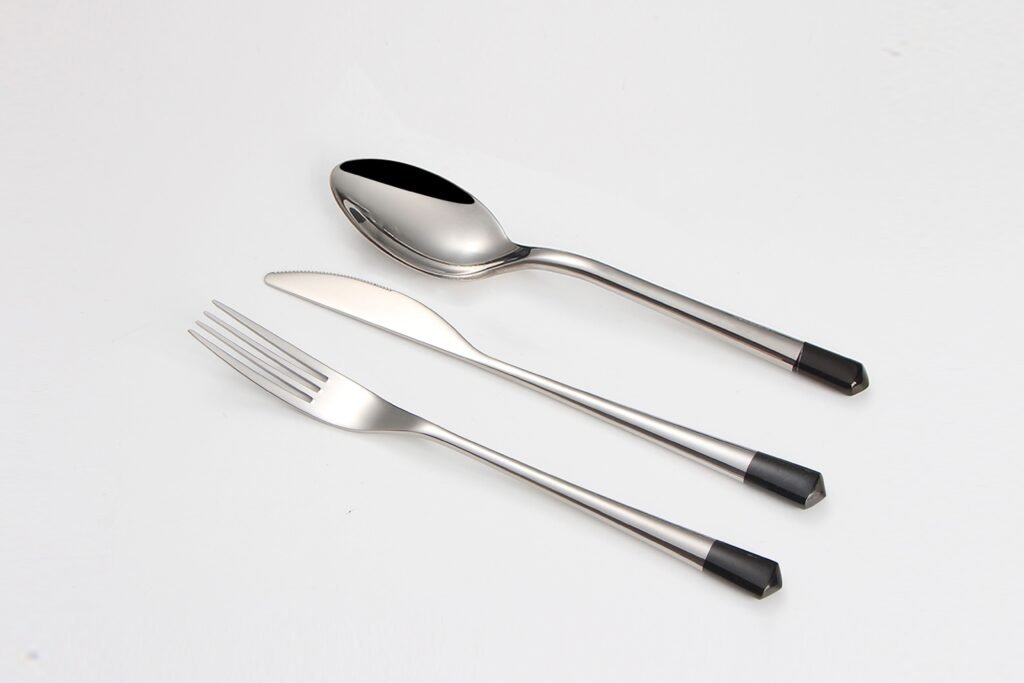
The choice of materials for airline cutlery is more than just a functional decision. It plays a crucial role in defining the quality of the flight experience. From economy to business class, the cutlery reflects the level of service provided and contributes to passenger satisfaction.