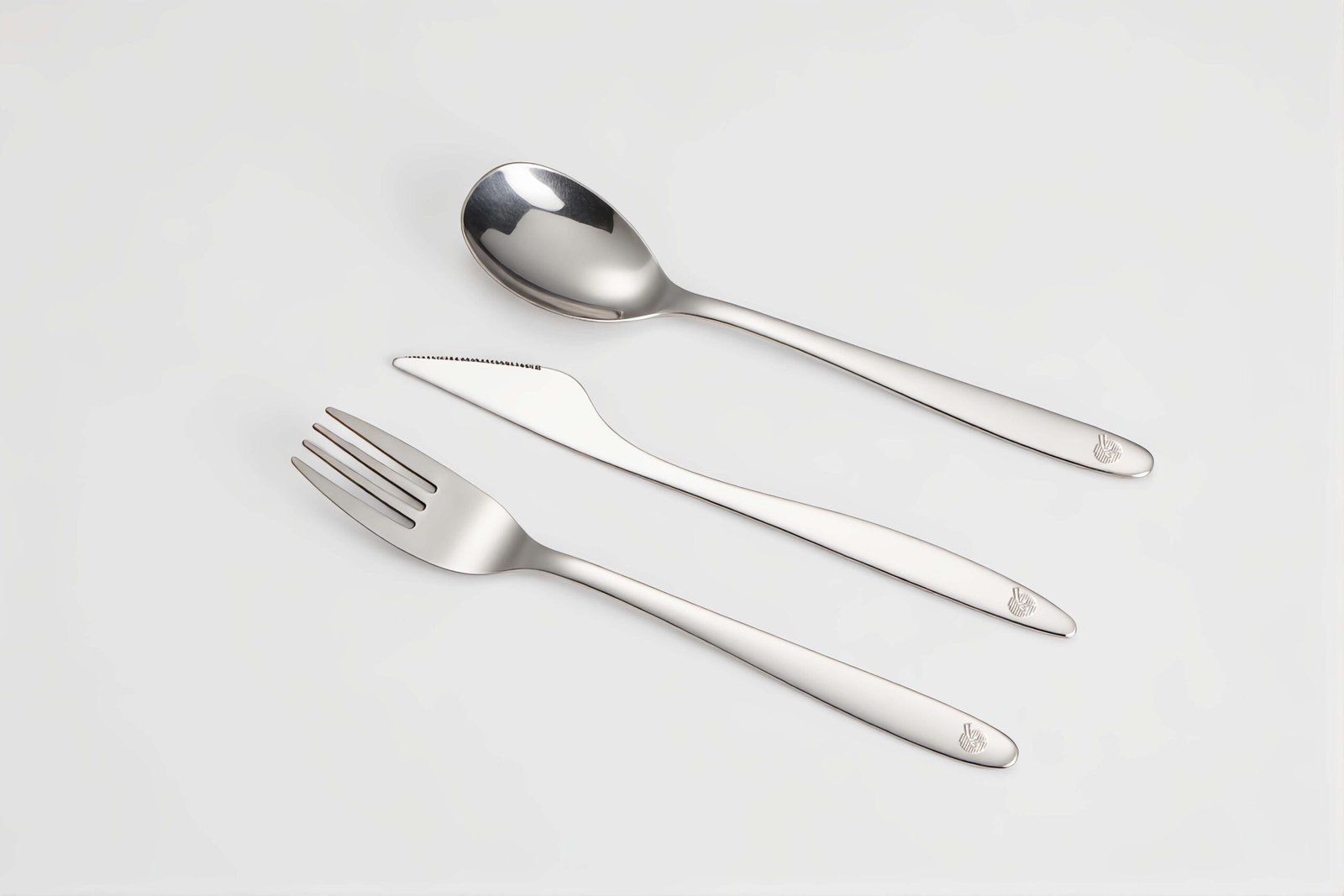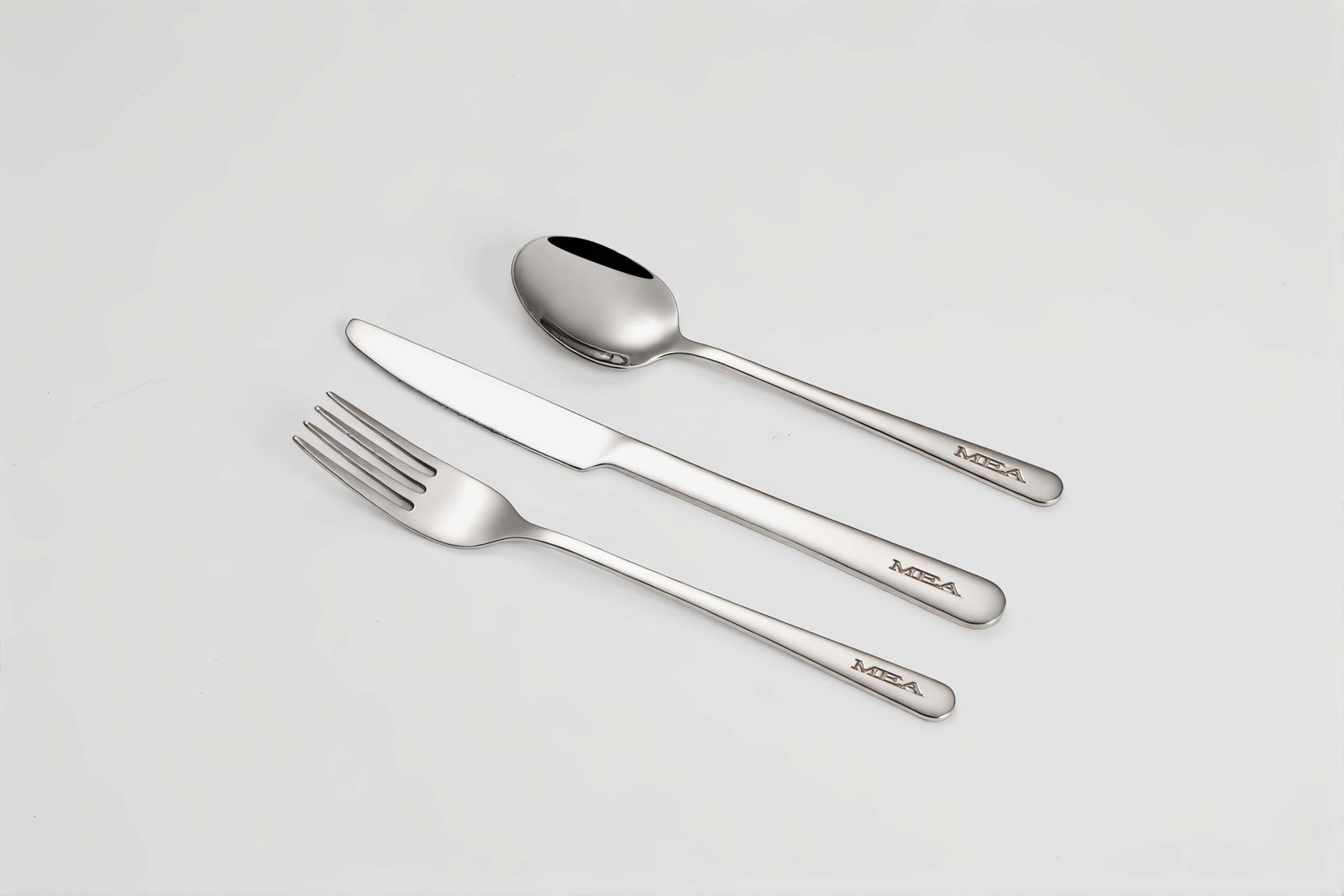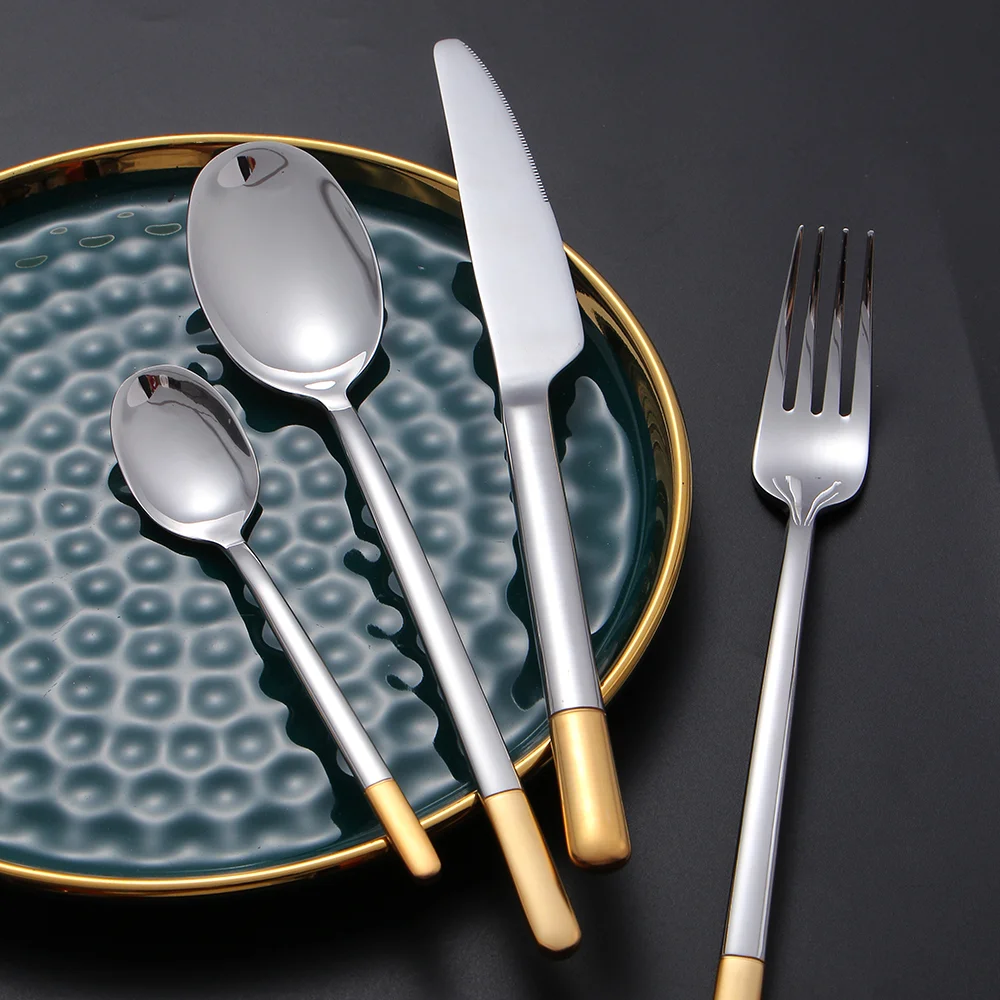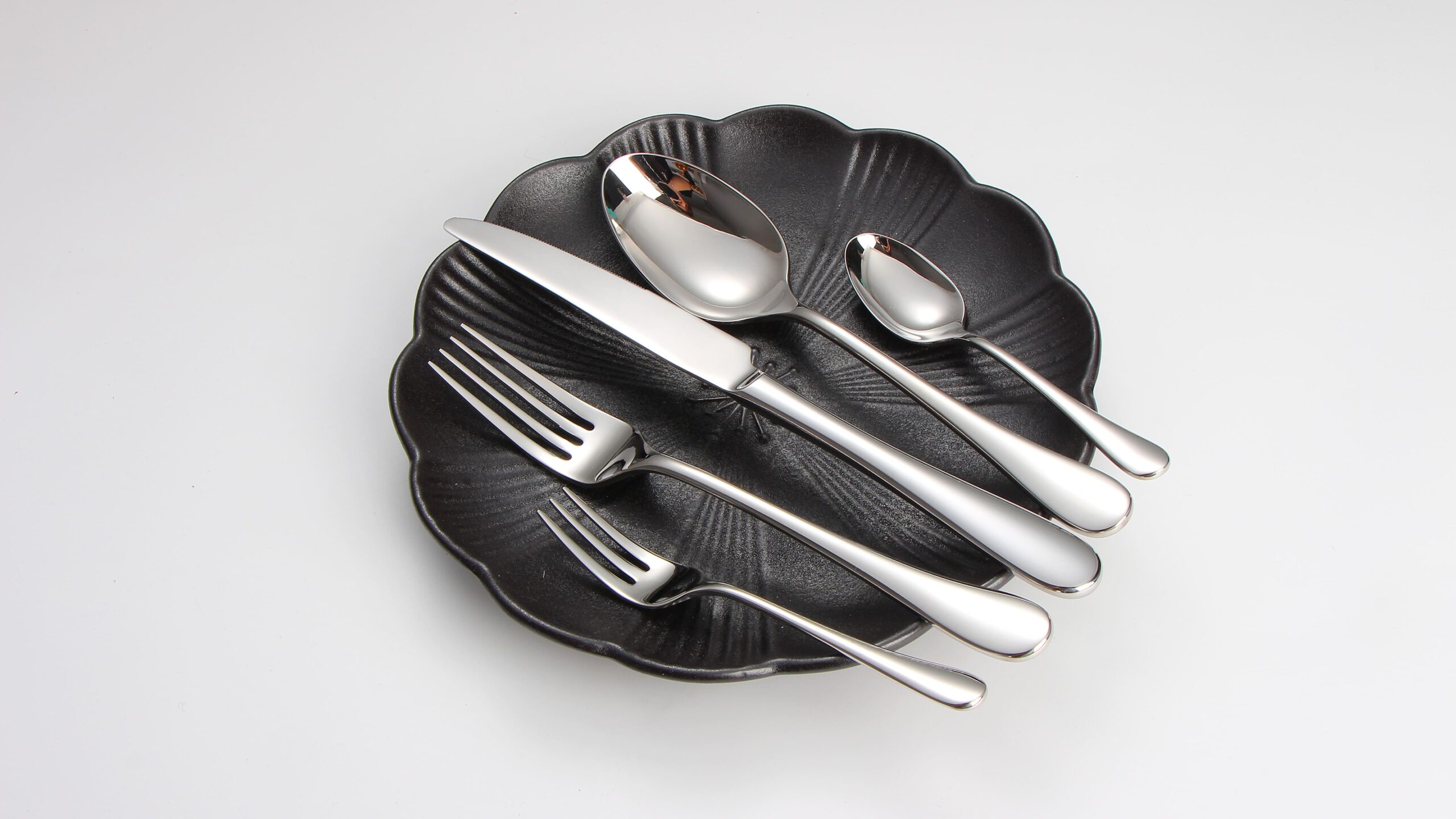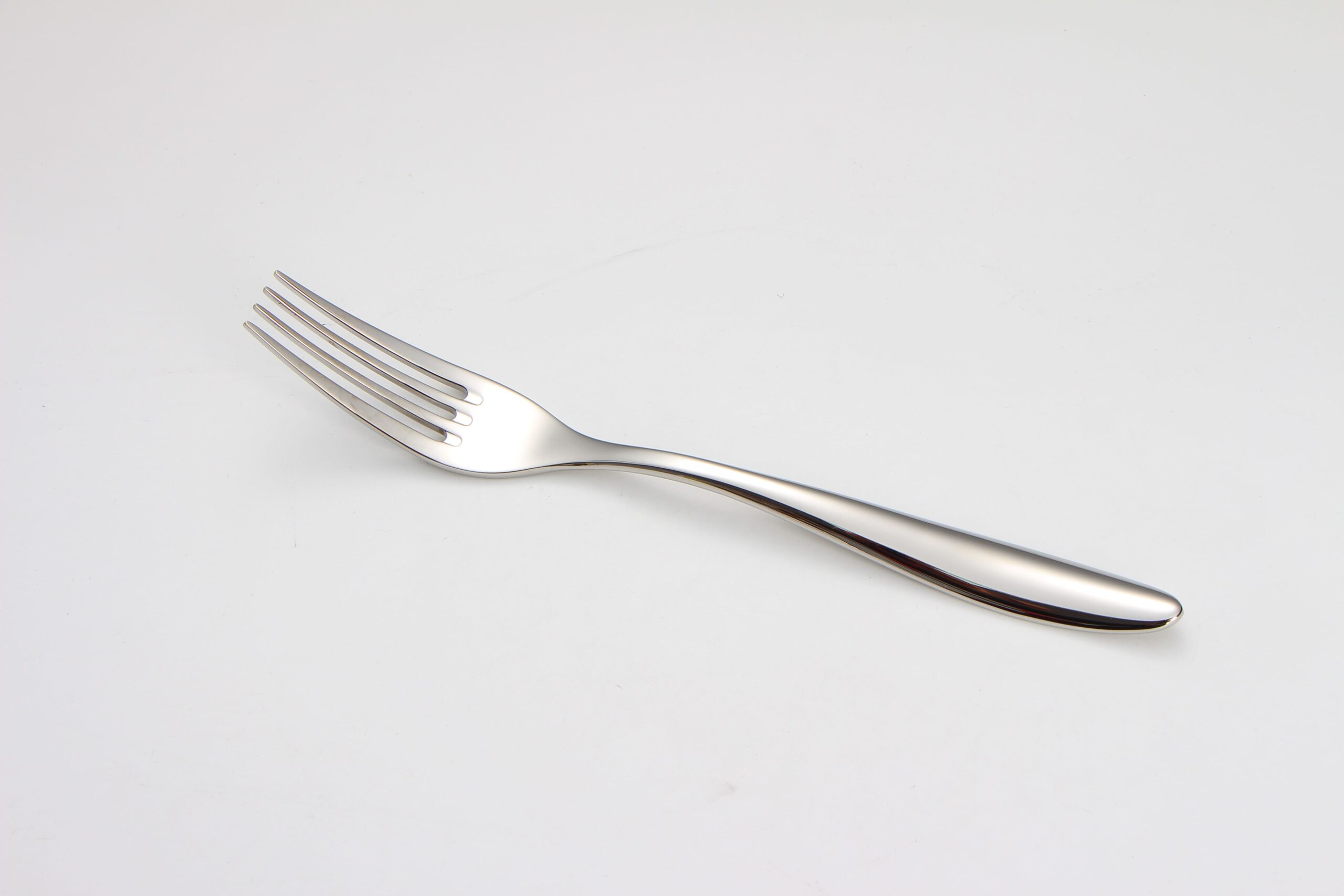
Importing stainless steel cutlery from China can be an efficient way to access high-quality products at competitive prices. This 8-step process will guide you through the entire import journey.
This guide breaks down the 8 essential steps involved in importing stainless steel cutlery from China, from selecting suppliers to managing logistics.
Transition paragraph: Let’s dive deeper into the key steps that ensure a smooth and successful import process.
Table of Contents
Step 1: Finding the Best Suppliers for Stainless Steel Cutlery
Finding the right supplier is the first step in importing stainless steel cutlery.
Use Alibaba, trade shows, and factory directories to find suppliers, and evaluate them based on their quality, price, and certifications.
Google Search
Start by searching for suppliers using Google. Look for companies with a strong online presence and reviews.
Alibaba
Alibaba is a popular platform for sourcing cutlery from China. It provides a wide selection of suppliers, but always check for verified and highly rated vendors.
Trade Shows
Attending trade shows, such as the Canton Fair, gives you the opportunity to meet suppliers face-to-face, discuss your needs, and inspect product samples.
| Platform | Description | Pros | Cons |
|---|---|---|---|
| Google Search | Use Google to find suppliers based on keywords. | – Easy and quick to access – Wide range of suppliers – Free to use | – Requires time to filter results – Quality verification can be challenging |
| Alibaba | An online marketplace with a large number of suppliers. | – Verified supplier ratings – Product reviews – Detailed supplier profiles | – Mixed quality, need to filter properly – May require extra vetting for reliability |
| Trade Shows | Physical exhibitions where you meet suppliers in person. | – Face-to-face interaction – Direct product inspection – Build trust easily | – High travel and time costs – Limited by event schedules |
Step 2: Verifying Supplier Credentials and Product Quality
Before placing an order, ensure your supplier’s reliability through certifications and quality checks.
Verifying certifications like LFGB or FDA helps ensure your supplier meets the necessary safety standards for stainless steel cutlery.
Product Certification
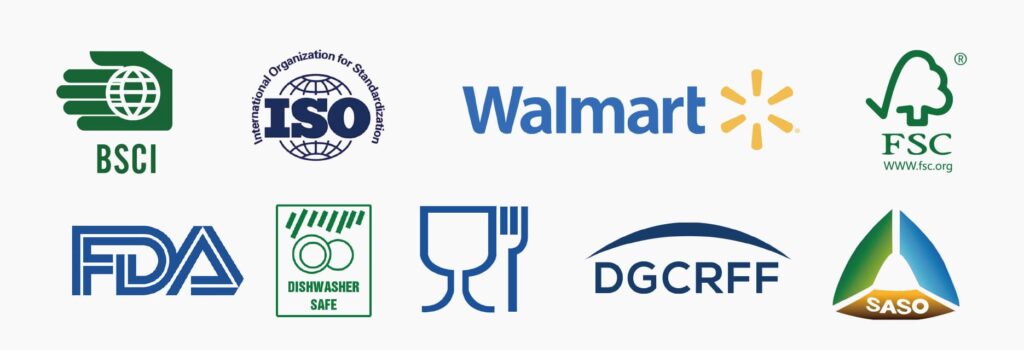
Ask for certificates like LFGB (Germany), FDA (US), or BSCI (business social compliance) to confirm the supplier’s adherence to global quality standards.
Product Samples
Request samples to evaluate the cutlery’s quality, material, and durability before making a bulk purchase.
Factory Audit
Consider hiring a third-party company to perform a factory audit, which ensures that the supplier meets ethical and production standards.
| Verification Method | Benefits |
|---|---|
| Certifications | Guarantees product safety and compliance |
| Product Samples | Tests quality before bulk orders |
| Factory Audit | Ensures ethical practices and quality assurance |
Step 3: Negotiating the Terms with Your Supplier
Clear and precise negotiations are key to avoid misunderstandings and ensure favorable terms.
Successful negotiations involve discussing payment terms, MOQ, lead times, and delivery schedules.
Payment Terms
Discuss payment methods such as T/T (Telegraphic Transfer) or L/C (Letter of Credit). It’s essential to negotiate a fair payment plan, usually a 30% deposit and 70% after shipment.
Minimum Order Quantity (MOQ)
Determine the MOQ that suits your business size and budget. Some suppliers offer flexible MOQ options for long-term customers.
Lead Time and Delivery Schedule
Ensure the supplier can meet your desired lead time and delivery schedule. Delays can affect your business operations.
| Negotiation Aspect | Recommended Action |
|---|---|
| Payment Terms | 30% deposit, 70% on shipment completion |
| MOQ | Negotiate based on your business needs |
| Lead Time | Agree on realistic shipping timelines |
Step 4: Placing Your Order with the Supplier
Once terms are agreed upon, it’s time to place your order and prepare for production.
A well-managed order ensures smooth processing and timely delivery, starting with a detailed purchase order.
Sample Order vs. Bulk Order
Start with a sample order to test product quality. Once satisfied, place a bulk order. This helps mitigate the risk of large-scale issues.
Final Payment
Ensure that final payment is settled according to the agreed payment terms before shipment.
| Order Type | Considerations |
|---|---|
| Sample Order | Test product quality first |
| Bulk Order | Larger order, with final payment due |
Step 5: Managing Shipping and Logistics
Effective shipping and logistics are essential to a smooth import process.
Shipping involves selecting the right freight forwarder, choosing the shipping method, and managing customs clearance.
Freight Forwarder Selection
A trusted freight forwarder ensures safe and timely delivery of your products. They help manage the entire logistics chain, from factory to port.
Shipping Methods
Common methods include sea freight (for large orders) and air freight (for smaller, urgent shipments). Ensure that the cost and time align with your business needs.
Customs Clearance
Make sure your shipment passes customs without delays. Ensure all paperwork, including invoices and certificates, is in order.
| Logistics Step | Key Considerations |
|---|
| Freight Forwarder | Choose a reliable partner for timely delivery |
| Shipping Method | Select between sea or air freight based on urgency |
| Customs Clearance | Ensure all documentation is correctly filed |

Step 6: Handling Customs and Import Duties
Properly managing customs is critical to avoid delays and additional fees.
Customs clearance ensures your stainless steel cutlery arrives without issues, so you can avoid unwanted charges or delays.
Required Documents
Common documents include the bill of lading, commercial invoice, packing list, and product certificates.
Import Duties and Taxes
Be aware of any import duties or taxes based on your country’s regulations. These costs can significantly affect your bottom line.
| Customs Aspect | Required Action |
|---|---|
| Required Documents | Ensure all shipping documents are prepared |
| Import Duties | Factor in taxes and import duties into costs |
Step 7: Quality Control Upon Arrival
After your products arrive, conduct a final inspection to verify the quality.
Conducting a final inspection ensures that the stainless steel cutlery matches the agreed-upon standards before distribution.
Inspection Criteria
Check for defects, durability, and finish. Consider a third-party inspection service if you’re unable to do it yourself.
| Inspection Factor | Checklist |
|---|---|
| Defects | Look for scratches, dents, or other damage |
| Durability | Test the strength and long-term usage |
| Finish | Inspect the polish and finish quality |
Step 8: Managing Returns and Warranty
Ensure your supplier offers clear return and warranty policies to resolve any issues.
Protect your investment with solid return policies and warranty coverage to handle defective products.
Return Policies
Ensure your supplier has clear return policies in place for defective or unsatisfactory products.
Warranty Coverage
Stainless steel cutlery may come with warranties for specific defects. Make sure you are aware of the terms.
| Warranty Aspect | Key Considerations |
|---|---|
| Return Policies | Ensure terms are clear and feasible |
| Warranty Coverage | Confirm coverage for material defects or breakage |
By following these 8 steps, you can successfully import stainless steel cutlery from China while minimizing risks and ensuring a smooth process.