Producing high-quality cutlery requires precision and expertise. Many buyers struggle with inconsistent quality, delayed shipments, and long development cycles. This guide explains the ten key processes in cutlery manufacturing to ensure top-tier products.
The cutlery manufacturing process consists of ten essential steps: [1], [2], trimming, embossed stamping, flat polishing, washing, pressing, edging polishing, bend polishing, manual polishing, and final packaging. Each step requires precision and advanced technology to ensure high-quality, durable stainless steel cutlery that meets international standards.
Understanding each step is crucial for ensuring quality and efficiency. Let’s dive deeper into the manufacturing process.
Table of Contents
Blank Cutting
Blank cutting is the first step in cutlery manufacturing. It involves cutting stainless steel sheets into smaller pieces and forming rough spoon, fork, or knife shapes.
Blank cutting is the first step in cutlery manufacturing. It involves cutting stainless steel sheets into smaller pieces and forming rough spoon, fork, or knife shapes.
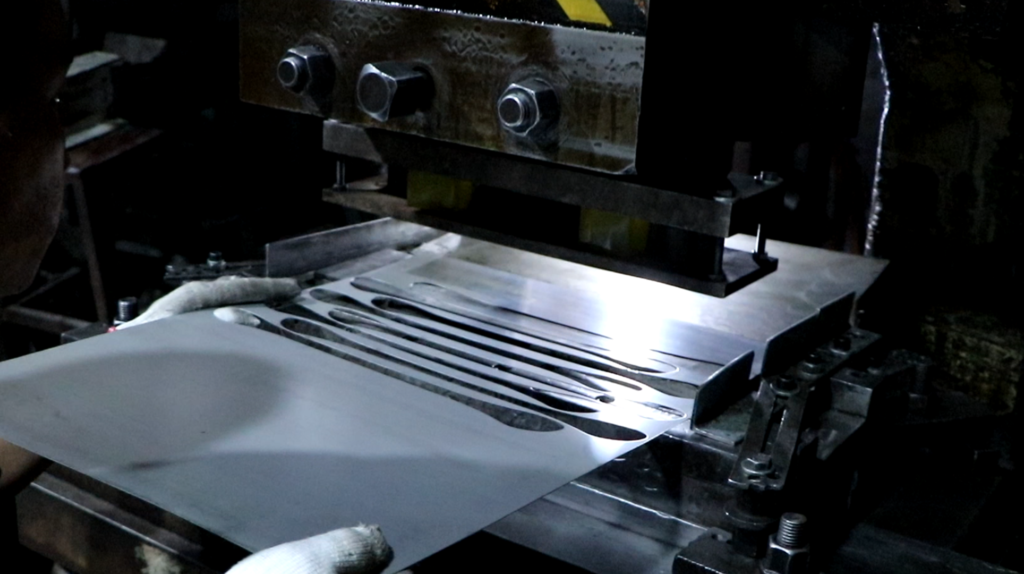
Cutting Techniques Comparison
| Cutting Method | Description | Advantages | Disadvantages |
|---|---|---|---|
| Automatic Cutting | Utilizes automated machines for precision cutting | Ensures uniformity, fast production | Requires higher initial investment |
| Semi-Automatic Cutting | Uses a combination of manual and mechanical cutting methods | More flexibility for custom shapes | Lower efficiency compared to full automation |
Extending
After cutting, the cutlery blanks undergo extending, where their length is adjusted to achieve the desired size and shape.
Extending, also known as horizontal pressing, is a critical step in cutlery manufacturing. This process elongates the pre-cut blanks, ensuring the right proportion of length to width for forks, knives, and spoons. Depending on the design requirements, different levels of pressure are applied to achieve the desired shape and thickness. If done incorrectly, the cutlery may develop weak points or irregular edges, impacting both durability and aesthetics. Manufacturers utilize both hydraulic and mechanical pressing machines, with precision molds designed to produce uniform items. Proper quality control at this stage is essential for a consistent final product.
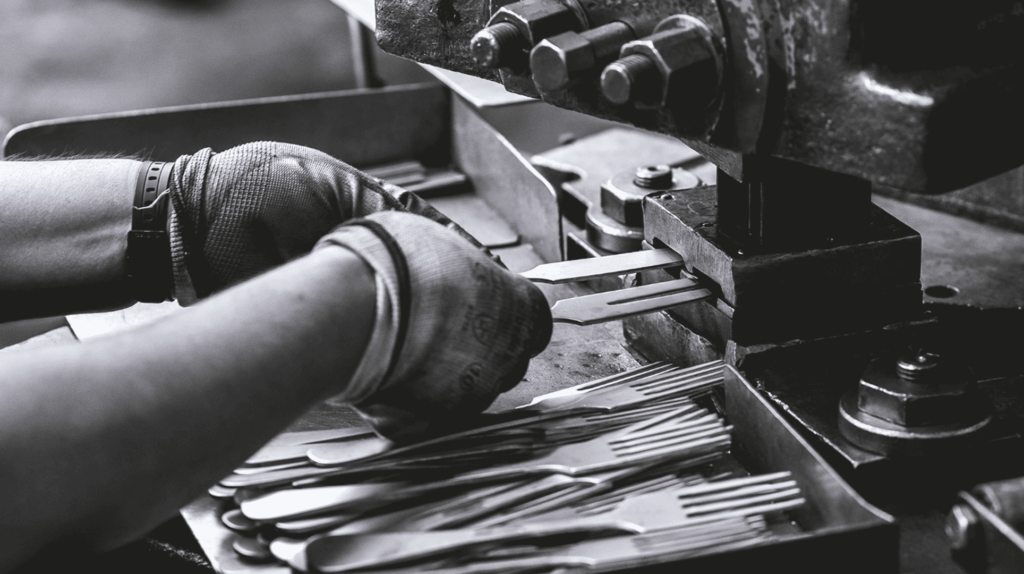
Comparison of Automatic vs. Manual Extending Methods
| Method | Advantages | Disadvantages |
|---|---|---|
| Hydraulic Pressing | High consistency, fast production rate | High initial investment, requires maintenance |
| Manual Hammering | More flexible for customized shapes | Labor-intensive and time-consuming |
Trimming
Trimming removes excess material from cutlery pieces to ensure smooth edges and a refined shape.
Trimming is an essential step in the cutlery manufacturing process. After cutting and extending, extra material remains around the edges of the cutlery. Trimming machines or manual tools are used to remove these unwanted parts, ensuring a smooth and even edge. If this step is not performed correctly, it can result in rough, uneven edges that affect both aesthetics and safety. Skilled workers or precision-guided cutting tools refine the shape and prepare the cutlery for subsequent processing steps.
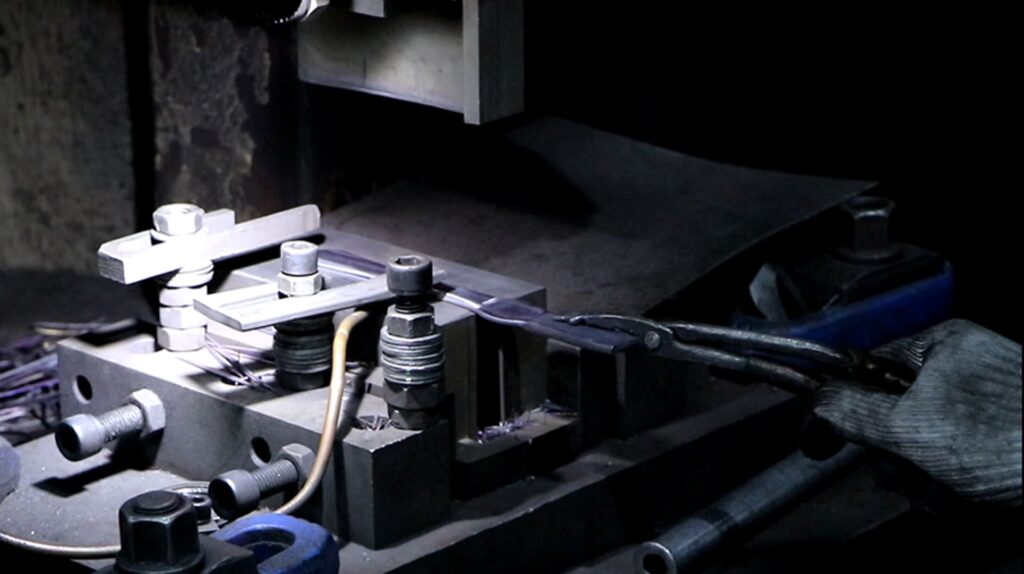
Manufacturers use high-precision trimming machines to refine edges, ensuring consistency across large production batches. Trimming accuracy directly affects the final polish and overall product quality.
Embossed& Stamping
Embossing and stamping create decorative patterns, brand logos, or functional grip designs on the handle of the cutlery.
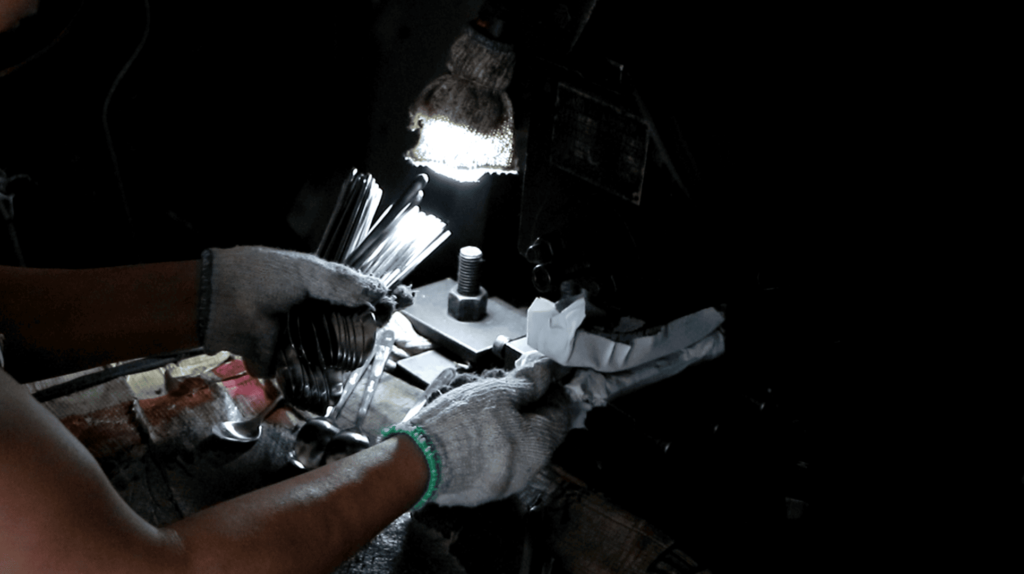
Tools and Techniques
| Stamping Type | Application |
|---|---|
| Roller Stamping | Continuous patterns on handles |
| Hydraulic Stamping | Deep logo impressions |
| Mechanical Pressing | Engraving complex textures |
Washing
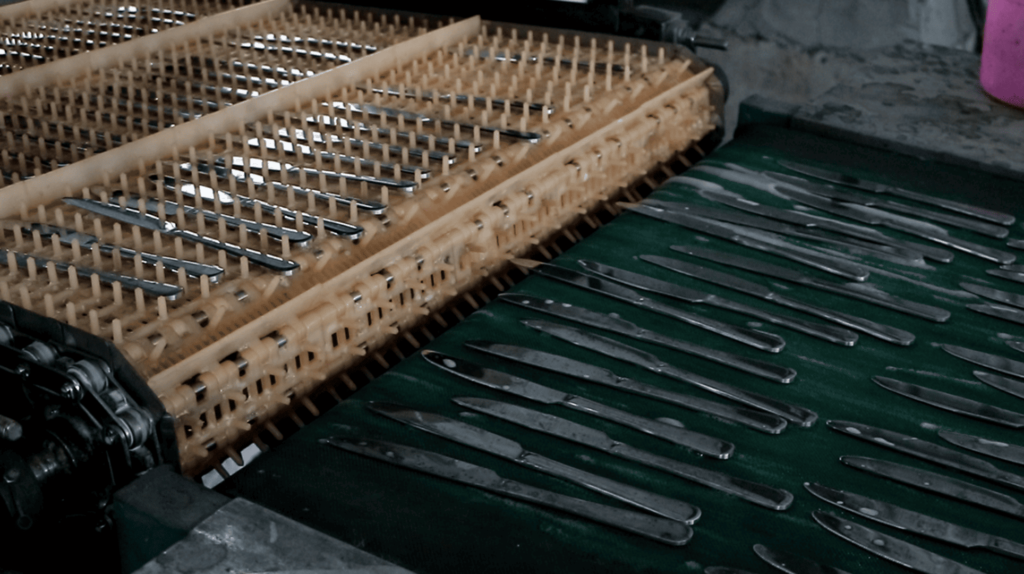
Before further processing, the semi-finished cutlery pieces undergo a thorough washing phase. This step removes dirt and polishing wax, ensuring a clean surface for subsequent manufacturing steps.
Washing Solution Components
Water contains diluted alum substances to enhance the cleaning process and improve the shine of the stainless steel.
Pressing
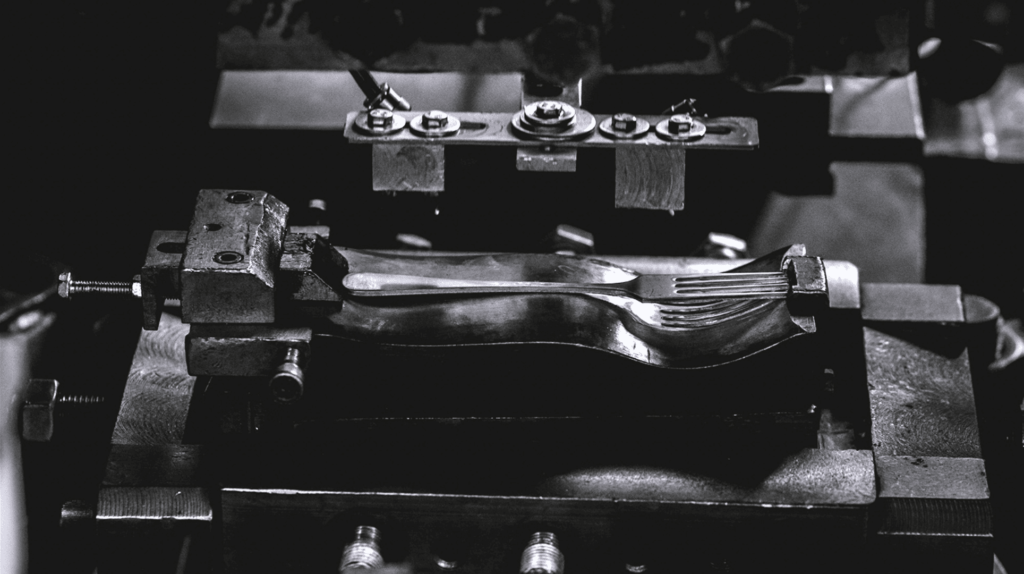
Pressing shapes the cutlery into its final form. For example, a spoon or fork is pressed to achieve its curved structure.
The Role of Pressing Molds
Precision molds play a crucial role in this step, ensuring that every piece has a uniform curvature and ergonomic design.
Edging Polishing
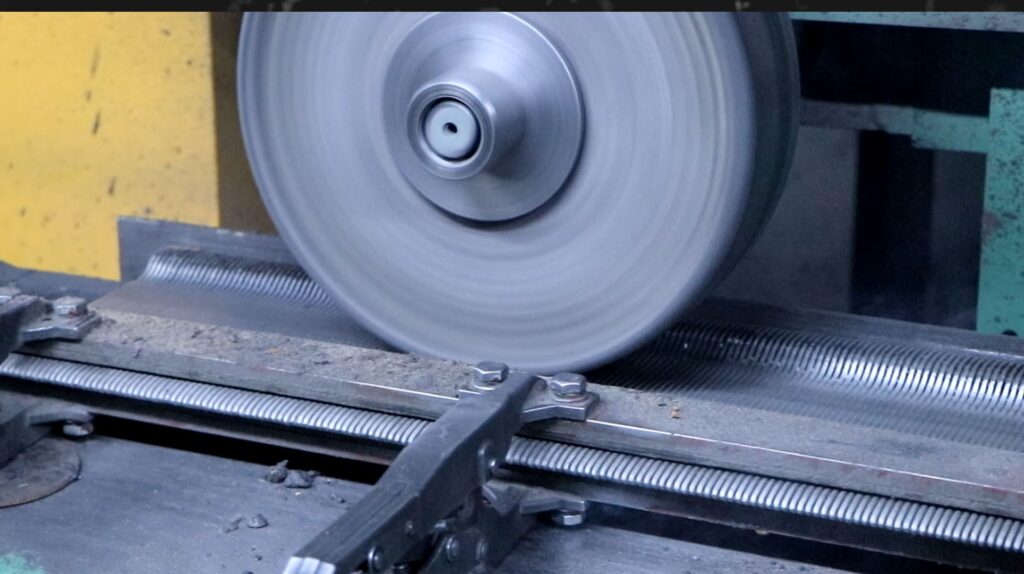
Edging polishing smooths the cutlery’s sharp edges, enhancing user safety and aesthetic appeal.
Polishing Levels
Depending on quality requirements, manufacturers apply different levels of edging polish, using specialized abrasive materials.
Bend Polishing
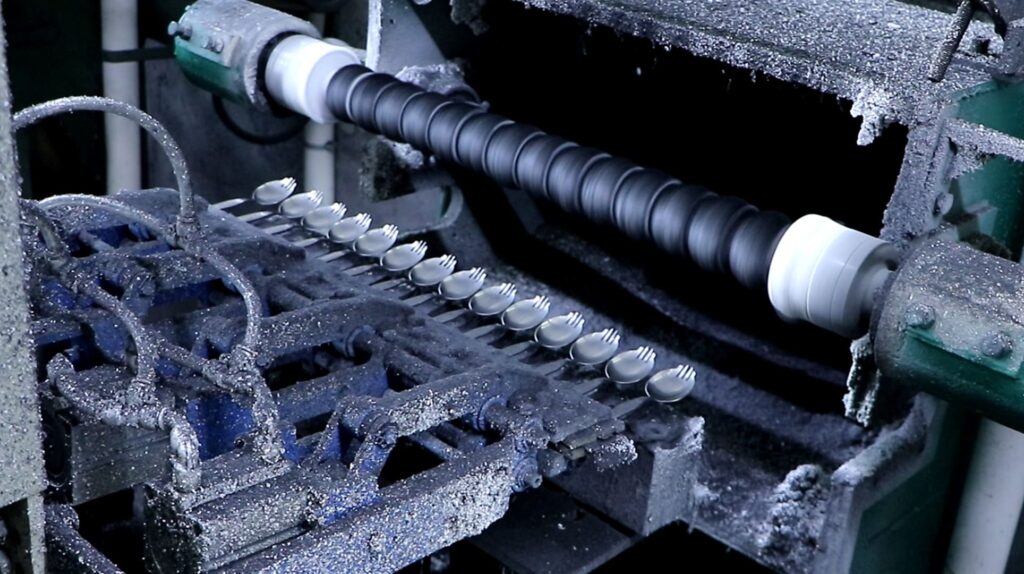
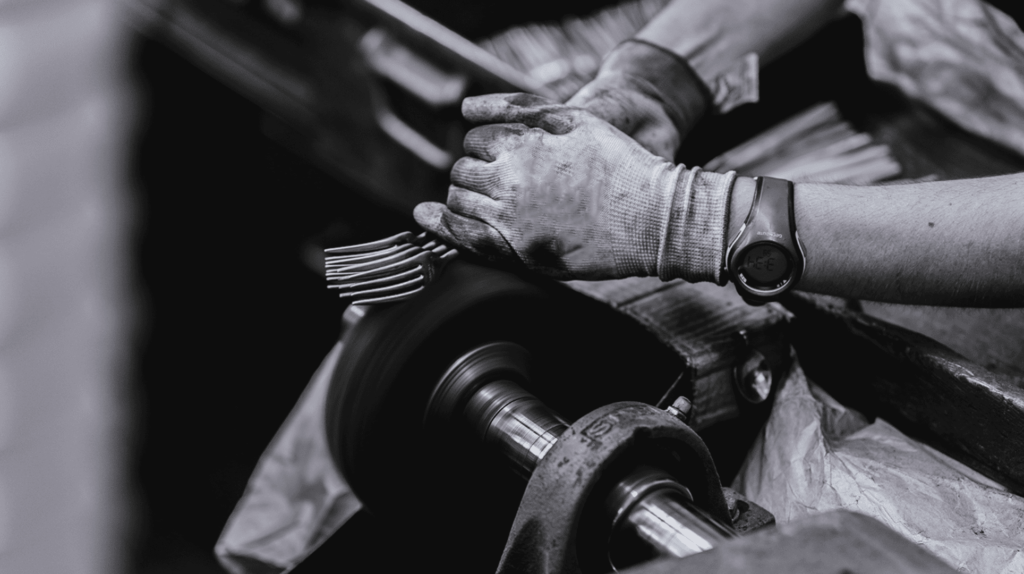
Bend polishing refines the surface finish, using multiple rounds of polishing wheels to achieve a high shine.
Polishing Stages
| Polishing Level | Number of Rounds |
|---|---|
| Standard Polishing | 6-8 rounds |
| High-End Polishing | 12-20 rounds |
Manual Polishing
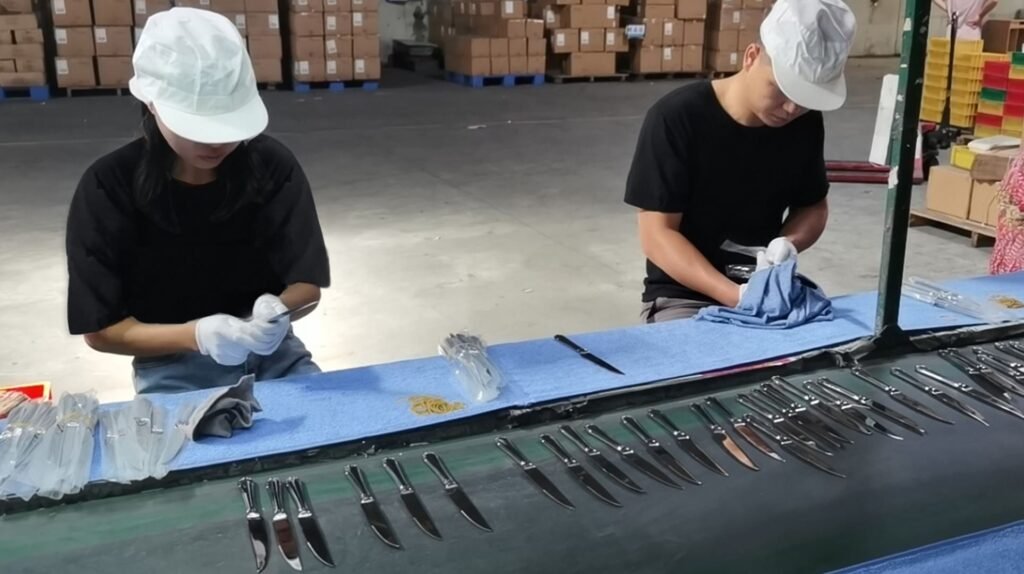
For premium cutlery, manual polishing is required to achieve an ultra-smooth finish. Skilled workers use handheld tools to refine every detail meticulously.
Washing and Packaging
The final step involves another round of washing to remove any remaining residue before packaging. High-quality packaging ensures that the cutlery remains in pristine condition during transportation and storage.