When it comes to cooking and baking, using the right measuring tools can make all the difference. Improper measurements can lead to poor results, ruining your dish and wasting ingredients. In this article, we’ll explore the best kitchen measuring tools for cooking and baking, and answer common questions to help you improve your culinary skills.
Choosing the right measuring tools is essential for cooking and baking. In this article, we explore various tools, addressing key questions to help you measure ingredients accurately and avoid wasting food.
Keep reading to discover essential kitchen measuring tools and find answers to some common questions that will improve your cooking and baking.
Table of Contents
Why Accurate Measuring Tools Matter in the Kitchen
Accurate measurements are crucial in both cooking and baking. Whether you’re preparing a dish or baking a dessert, the tools you use can significantly affect the outcome.
Using inaccurate measuring tools can lead to improper ingredient ratios, which can ruin the taste or texture of your dish.
Accurate measuring tools are especially critical in baking, where the ratio of ingredients affects the texture and consistency of the final product. For instance, a slight variation in flour measurements can result in a cake that is too dense or too airy. In contrast, cooking allows for more flexibility with ingredient quantities, but using the wrong measurement tools still risks altering the taste and texture of your dish.
The Importance of Accurate Measurements in Baking
Baking requires precise measurements to achieve the perfect outcome. Even small deviations in the ingredient ratios can lead to disastrous results, especially with recipes like cakes, breads, or cookies that rely on chemistry. For this reason, using a scale to weigh ingredients is often recommended for serious bakers.
Flexibility in Cooking and Measurement
In cooking, precision is less critical. However, accurate measurements still ensure balanced flavors. When using measuring cups and spoons, the goal is to maintain the recipe’s integrity while allowing for slight adjustments based on personal preference.
Table: Comparison of Measuring Tools Accuracy
| Tool Type | Use Case | Accuracy |
|---|---|---|
| Food Scale | Baking, Precision Cooking | High |
| Measuring Cup | Liquids, Dry Ingredients | Medium |
| Measuring Spoon | Small Quantities | High |
Types of Kitchen Measuring Tools You Should Own
There are several measuring tools every kitchen should have to ensure accurate cooking and baking. Let’s look at the most common tools and their uses.
The main measuring tools in a kitchen include measuring cups, measuring spoons, and a food scale. Each tool has its specific purpose and provides varying levels of accuracy.
A food scale is perfect for measuring ingredients by weight, which is especially useful in baking. For dry ingredients like flour or sugar, weight is far more accurate than volume. Measuring cups are generally used for liquid ingredients but can also be used for dry ingredients like flour and sugar, though this is less accurate. Measuring spoons are essential for small quantities of spices or baking powder, ensuring precision for ingredients in small measurements.
Measuring Cups for Liquids and Dry Ingredients
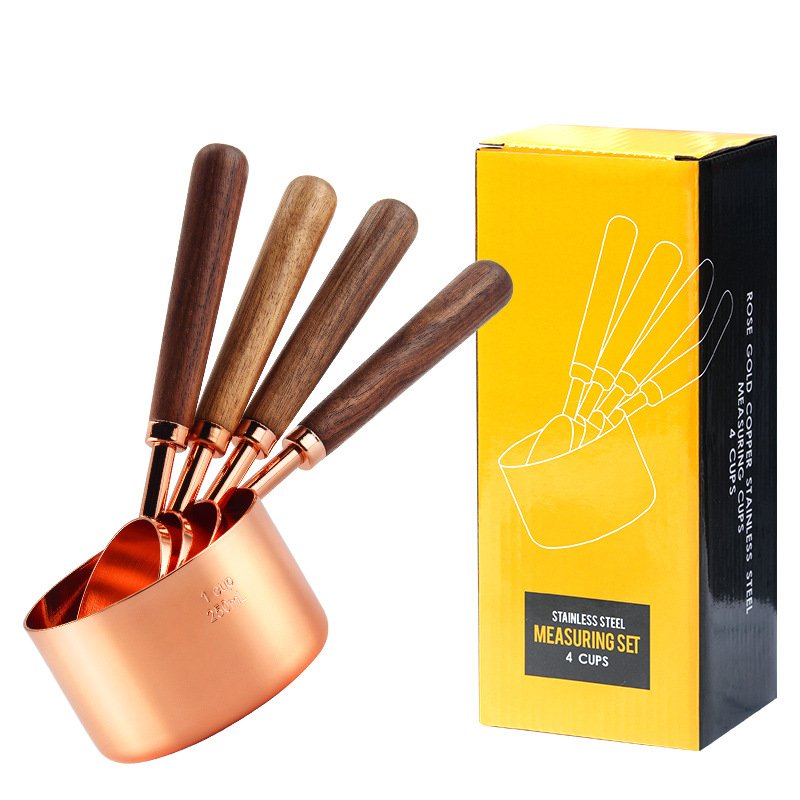
Measuring cups are an essential tool for any kitchen, designed for both liquid and dry ingredients. When measuring liquids, it’s important to use a clear cup with measurement markings to ensure accuracy. For dry ingredients, always use the spoon and level method to avoid packing the ingredient, which could lead to inaccurate measurements.
Measuring Spoons for Small Quantities
Measuring spoons are ideal for ingredients like spices, extracts, or baking powder. For these smaller amounts, accuracy is critical to maintain the flavor and structure of the dish.
Table: Guide to Choosing the Right Measuring Tool
| Tool Type | Frequency of Use | Recommended Use Case |
|---|---|---|
| Measuring Cup | High | Liquids, Dry Ingredients |
| Measuring Spoon | High | Small Quantities |
| Food Scale | High | All Ingredient Types |
What is the Most Accurate Tool to Use to Measure Your Kitchen Ingredients?
When it comes to the most accurate way to measure your ingredients, a food scale stands out among the rest.
A food scale is considered the most accurate tool for measuring ingredients, especially for baking. It provides precision down to the gram, which is crucial for recipes that demand accuracy.
A food scale ensures consistent results by measuring ingredients by weight, which is the most accurate form of measurement in the kitchen. Unlike measuring cups or spoons, which can vary depending on how ingredients are packed, a scale removes this variability. Whether you’re measuring flour, sugar, or butter, using a food scale guarantees precise amounts, which is vital for successful baking. It also saves you time and effort because you can measure all your ingredients in one container, reducing the need for multiple measuring tools.
The Benefits of Using a Food Scale
Using a food scale for cooking and baking has multiple benefits. It is the most accurate way to measure ingredients, especially for recipes that require exact proportions. Additionally, it simplifies the process of recipe adjustments, allowing you to scale up or down based on the number of servings needed.
Table: Comparison of Measuring Tools’ Accuracy
| Tool Type | Accuracy | Use Case |
|---|---|---|
| Food Scale | High | Baking, Precision Cooking |
| Measuring Cup | Medium | Liquids, Dry Ingredients |
| Measuring Spoon | High | Small Quantities |
What is the Most Accurate Form of Measurement in the Kitchen?
In the kitchen, the most accurate form of measurement is weight, especially when baking.
Weight measurement provides the most consistent and precise results in the kitchen, particularly when baking, where ingredient proportions are critical.
Weight measurements are not only more accurate but also more reliable than volume-based measurements, which can fluctuate depending on the ingredient’s density. In baking, using a scale ensures that the recipe’s ingredient proportions are followed exactly, resulting in a consistent outcome. For instance, 100g of flour will always weigh the same, while one cup of flour may vary in weight depending on how it is scooped or packed. This accuracy is essential when following intricate baking recipes where the proportions of ingredients determine the final texture and flavor.
The Benefits of Weight-Based Measurement
Weight-based measurements offer a higher level of consistency than volume-based measurements. As they do not depend on the physical properties of the ingredient, they ensure that every batch of a recipe is identical.
Volume vs. Weight: Which Should You Use?
While weight-based measurements are the gold standard, volume measurements are still commonly used for liquids and less critical ingredients. Understanding when to use each type of measurement will help you achieve better results in the kitchen.
Table: Weight vs. Volume Measurements
| Measurement Type | Accuracy | Ideal Use Case |
|---|---|---|
| Weight | High | Baking, Precision Cooking |
| Volume | Medium | Liquids, Less Critical Ingredients |
What Are the Three Main Measuring Tools Every Kitchen Should Have?
Every kitchen needs a set of basic measuring tools to ensure accurate results while cooking and baking.
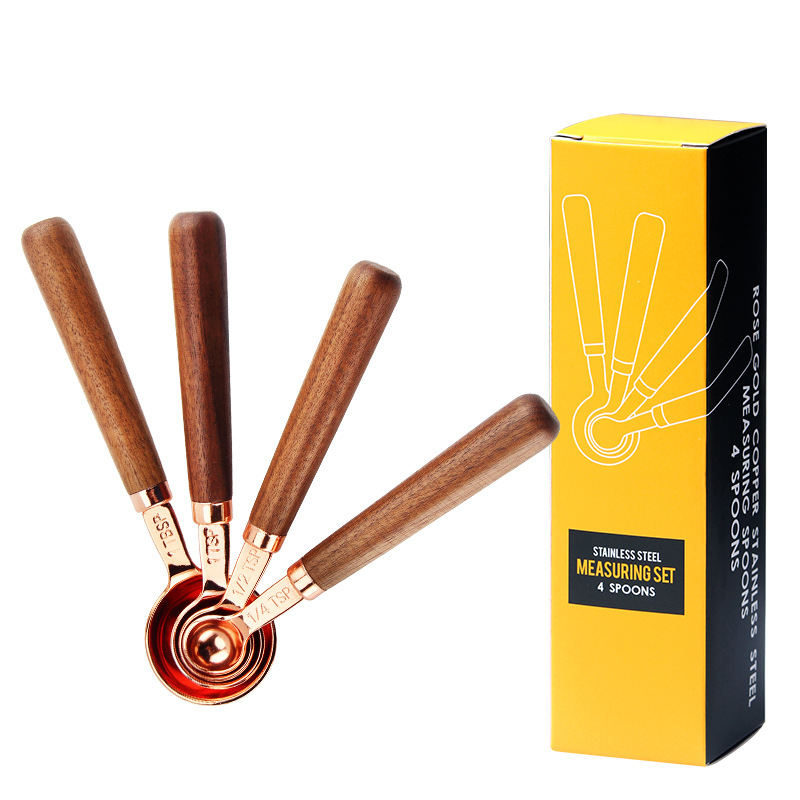
The three essential measuring tools for any kitchen are a food scale, measuring cups, and measuring spoons. Each serves a different purpose and provides essential accuracy for various tasks.
Having a food scale, measuring cups, and measuring spoons in your kitchen ensures that you can handle almost any recipe with precision. The food scale provides the accuracy needed for baking and portioning, while measuring cups are ideal for liquid ingredients and dry ingredients like flour or sugar. Measuring spoons, on the other hand, are essential for small amounts of spices and extracts. Together, these three tools form the backbone of any well-equipped kitchen.
Choosing the Right Tools for Your Kitchen
When selecting measuring tools, consider your cooking and baking habits. If you bake often, investing in a high-quality food scale will improve your results. For general cooking, having a set of reliable measuring cups and spoons will suffice for most recipes.
Table: Essential Kitchen Measuring Tools
| Tool Type | Frequency of Use | Recommended Use Case |
|---|---|---|
| Food Scale | High | Baking, All Ingredients |
| Measuring Cup | High | Liquids, Dry Ingredients |
| Measuring Spoon | High | Small Quantities |
Do Professional Chefs Use Measuring Cups?
Do professional chefs rely on measuring cups? The answer may surprise you.
While many professional chefs rely on their experience to measure ingredients, they do still use measuring cups and spoons when precise measurements are necessary.
In a professional kitchen, chefs often develop the skill to estimate ingredient amounts by sight, smell, and feel. However, when it comes to recipes that require precision—such as baking or creating sauces—measuring cups and spoons are still essential tools. In fact, many chefs prefer to measure certain ingredients to ensure consistency across dishes. Even though experience can guide many decisions, accuracy in some areas is non-negotiable in the culinary world.
Professional Chefs and Their Measurement Techniques
Professional chefs often use their intuition to gauge quantities, but they know when it’s time to reach for the measuring tools. Baking is a prime example of when they don’t take shortcuts.
The Role of Measuring Tools in a Professional Kitchen
While professionals may not measure every ingredient down to the gram, they still use standard tools for certain tasks to maintain consistency and quality.
Accurate measurement tools are critical for both cooking and baking, and investing in quality items like food scales, measuring cups, and spoons will ensure better results every time.