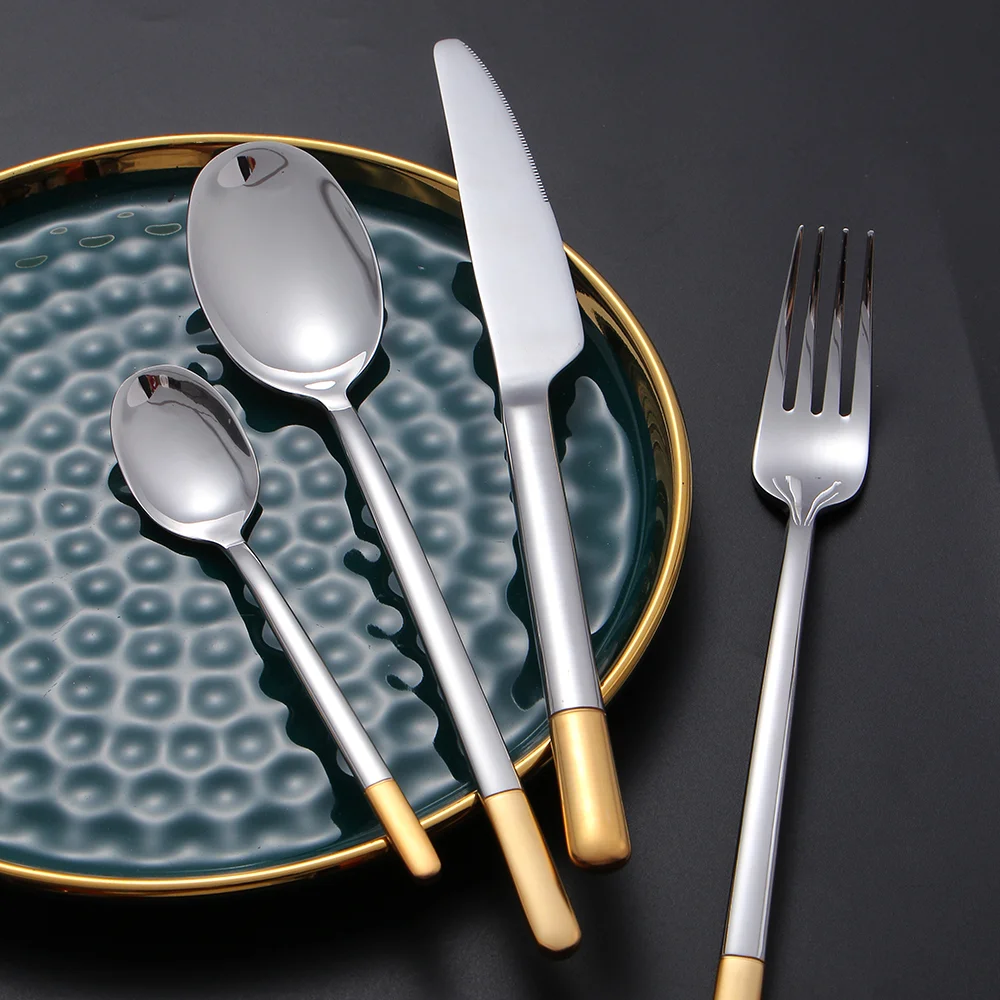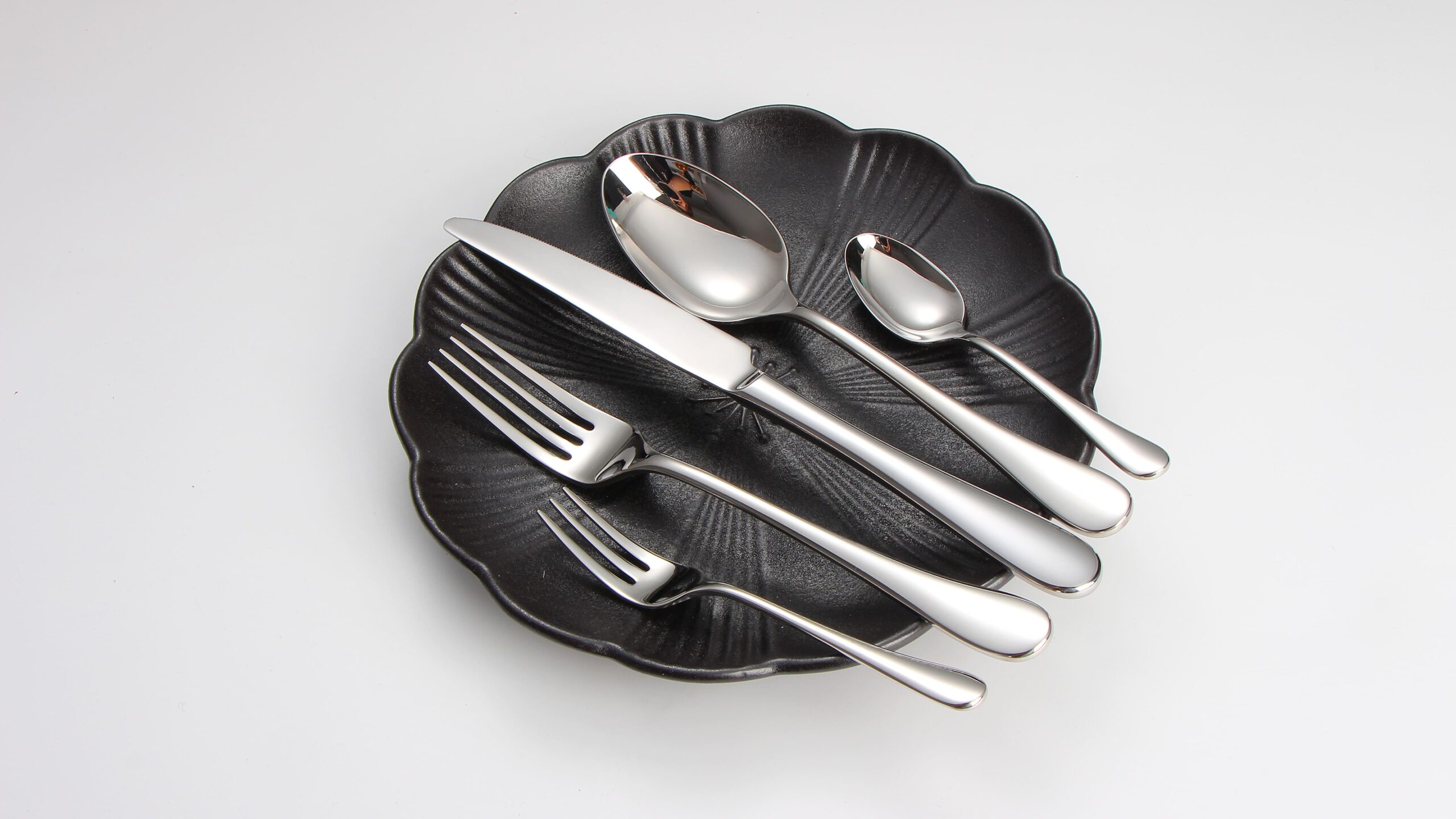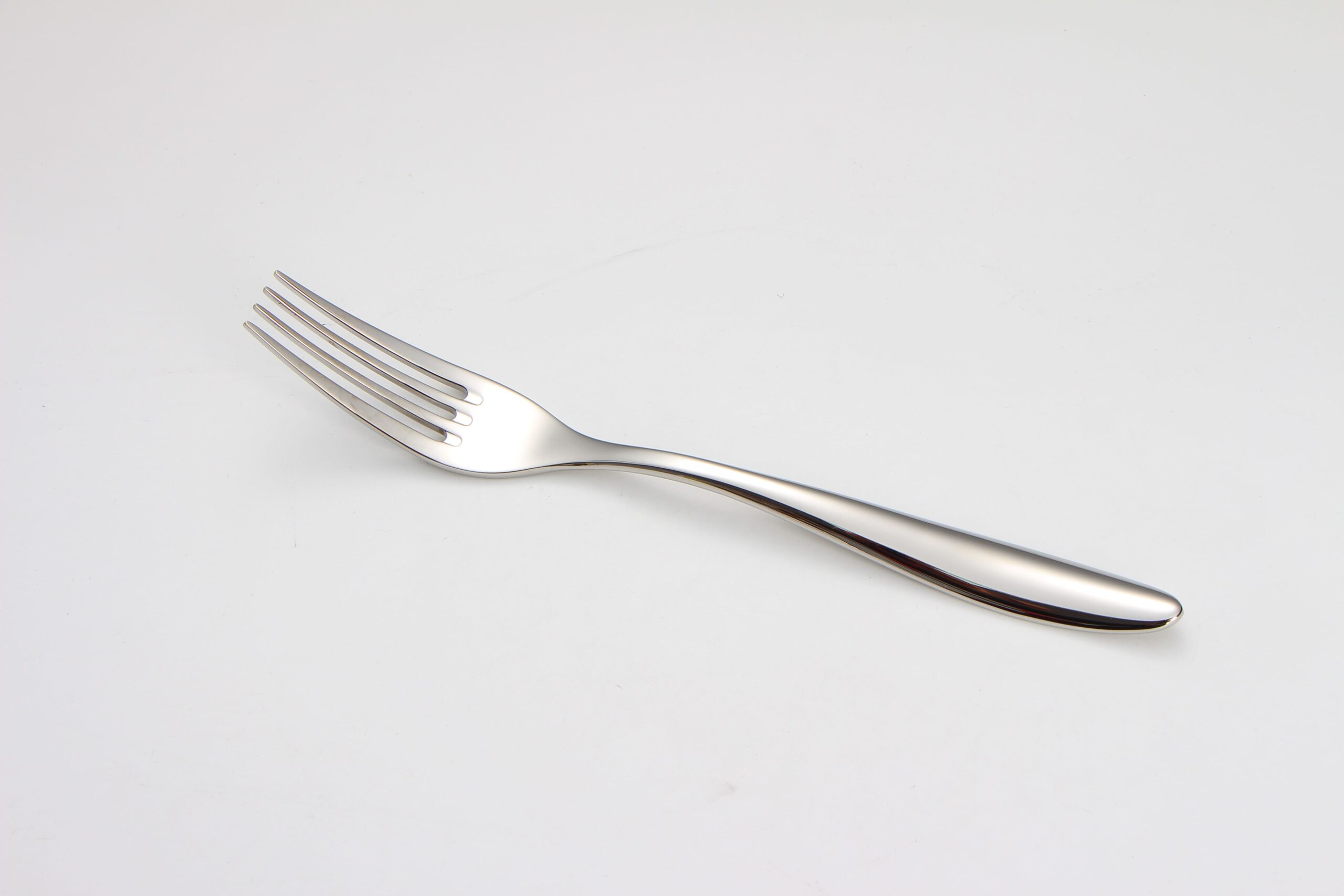
Food safety is a significant concern for businesses and consumers alike. With the right materials, we can ensure safe food preparation and consumption. Choosing the right stainless steel grade is crucial.
**When importing cutlery or kitchen tools, understanding the differences between 304 and 316 stainless steel can make a big difference in food safety and quality.**
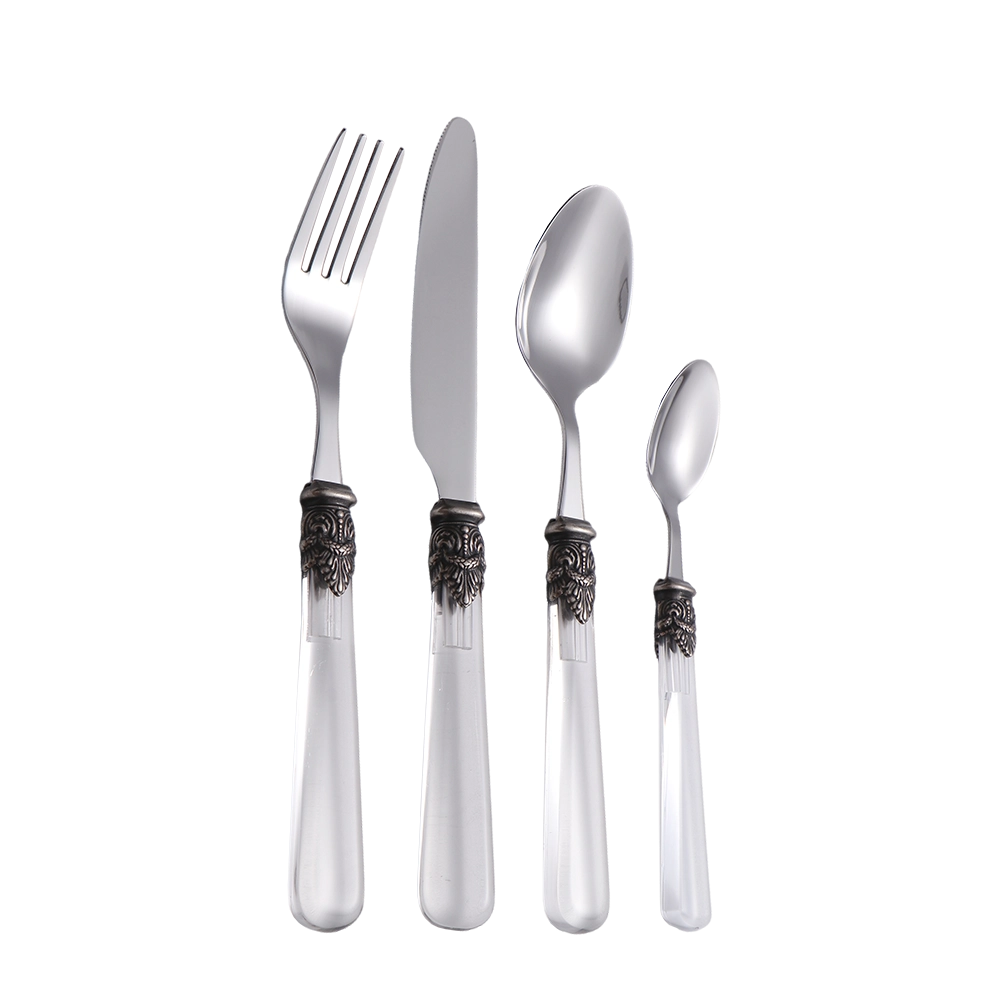
Food-grade stainless steel standards are not just about numbers and letters. They are about ensuring that our food stays safe and healthy while being prepared and served.
## Is 304 or 316 better for food grade?
When it comes to food safety, both 304 and 316 stainless steels hold up well. However, [316 stainless steel is often regarded as superior due to its higher corrosion resistance](https://www.osti.gov/servlets/purl/1439854)[^1]. It contains molybdenum, which gives it additional protection against chlorides. This feature makes it suitable for more demanding environments, especially in marine or salty settings.
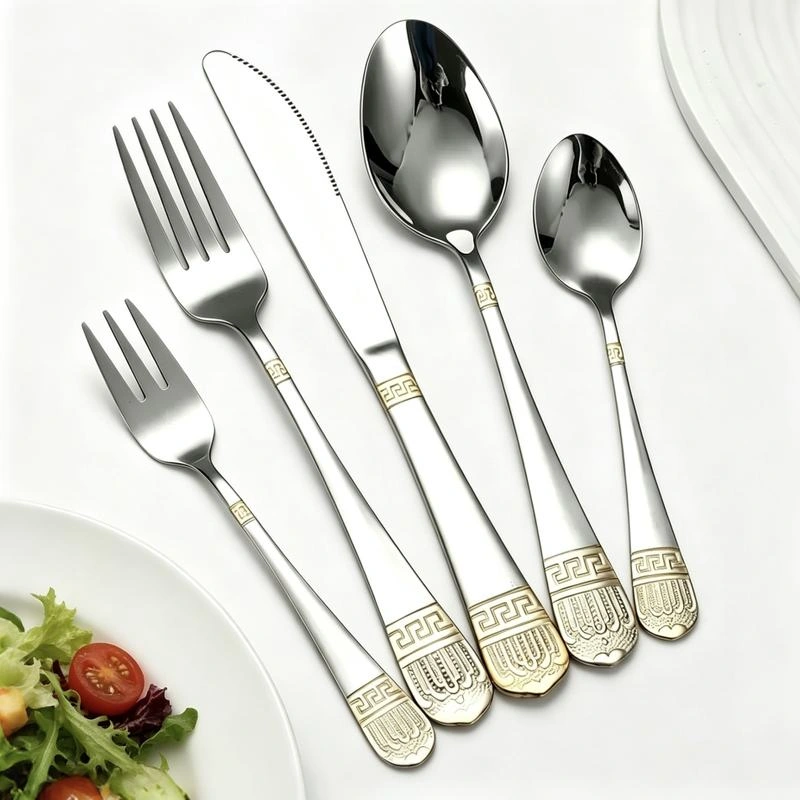
If you require cutlery that will last longer and resist corrosion, especially in humid or saline conditions, 316 is your best bet. But if you are looking for a cost-effective option for general use, 304 stainless steel provides ample protection and performance.
### Dive deeper Paragraph:
Food-grade stainless steel must meet specific regulations to be considered safe for food contact. [The European Union has stringent standards, including Regulation (EC) 1935/2004](https://pmc.ncbi.nlm.nih.gov/articles/PMC9749432/)[^2], which applies to materials intended to come into contact with food. Both 304 and 316 stainless steels can be compliant if they adhere to these guidelines.
| Property | 304 Stainless Steel | 316 Stainless Steel |
|——————|———————|———————|
| Corrosion Resistance | Good | Excellent |
| Cost | Lower | Higher |
| Composition | 18% Chromium, 8% Nickel | 16% Chromium, 10% Nickel, 2% Molybdenum |
[304 stainless steel is suitable for most food applications](https://pmc.ncbi.nlm.nih.gov/articles/PMC11012613/)[^3], but 316 is the preferred choice for environments exposed to harsher conditions. Therefore, consider the specific conditions your products will face when deciding which grade to use.
## Is 304 stainless steel considered food grade?
Yes, 304 stainless steel is considered food grade. It is widely used in the food industry due to its excellent properties. [It is resistant to rust, easy to clean, and non-reactive with food](https://pmc.ncbi.nlm.nih.gov/articles/PMC4284091/)[^4]. Many food processing and preparation equipment use this grade.
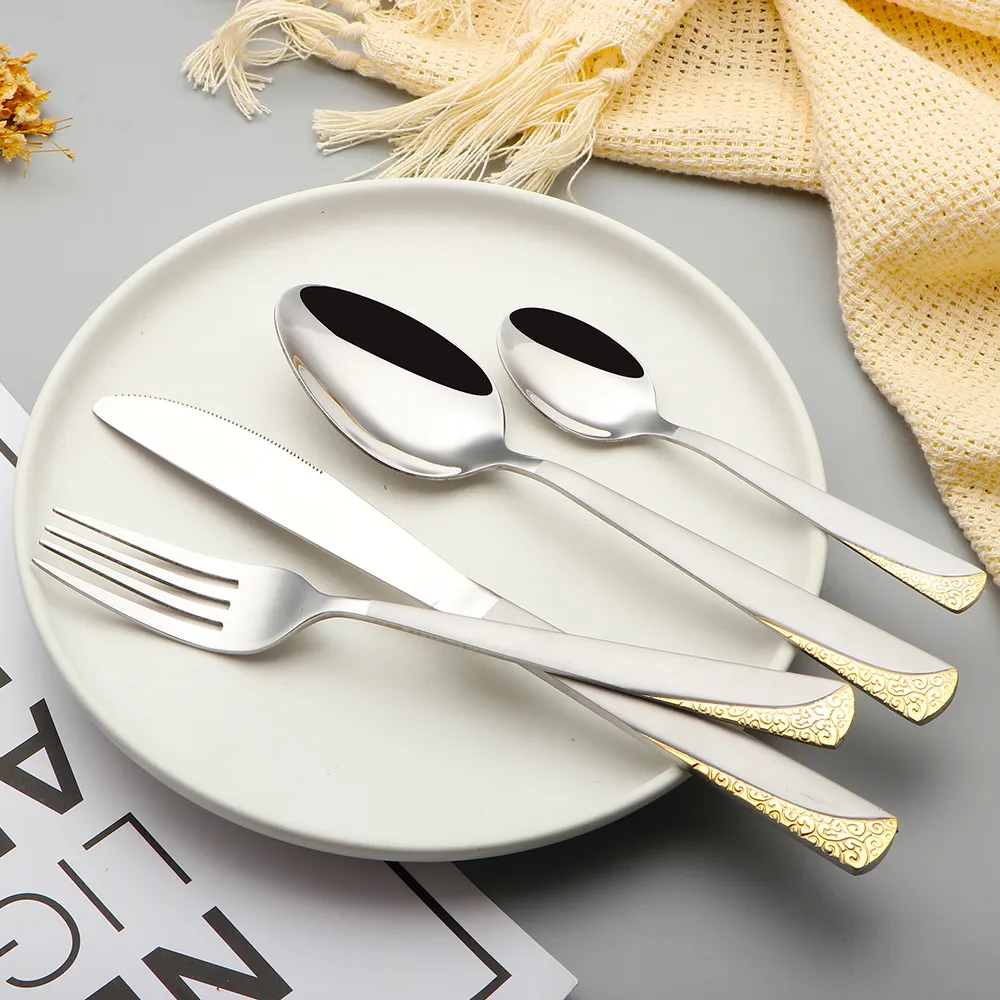
However, it is essential to ensure that the 304 stainless steel used complies with the EU regulations mentioned earlier. This compliance guarantees that no harmful substances leach into food during preparation and serving.
### Dive deeper Paragraph:
The designation of food-grade stainless steel is not automatic; it depends on several factors. [The manufacturing process must maintain strict hygiene controls](https://cals.cornell.edu/dairy-extension/what-we-do/food-safety-resources/good-manufacturing-practices)[^5], and the final product must be free from contaminants. For 304 stainless steel, this means ensuring that it contains the right levels of chromium and nickel and that it has been polished appropriately to avoid any surface imperfections.
A key aspect of food-grade materials is the surface finish. [A smoother finish is less likely to harbor bacteria and is easier to clean](https://pubmed.ncbi.nlm.nih.gov/36040237/)[^6]. Therefore, when selecting 304 stainless steel products, look for those that meet the necessary standards and have undergone rigorous quality control measures.
## Is 316 stainless steel food grade?
Yes, 316 stainless steel is considered food grade as well. [Due to its superior corrosion resistance, it is often used in industries where sanitation is critical, such as pharmaceuticals and food processing](https://www.fda.gov/media/165146/download)[^7]. Its ability to withstand harsh conditions makes it a reliable choice for food-grade applications.
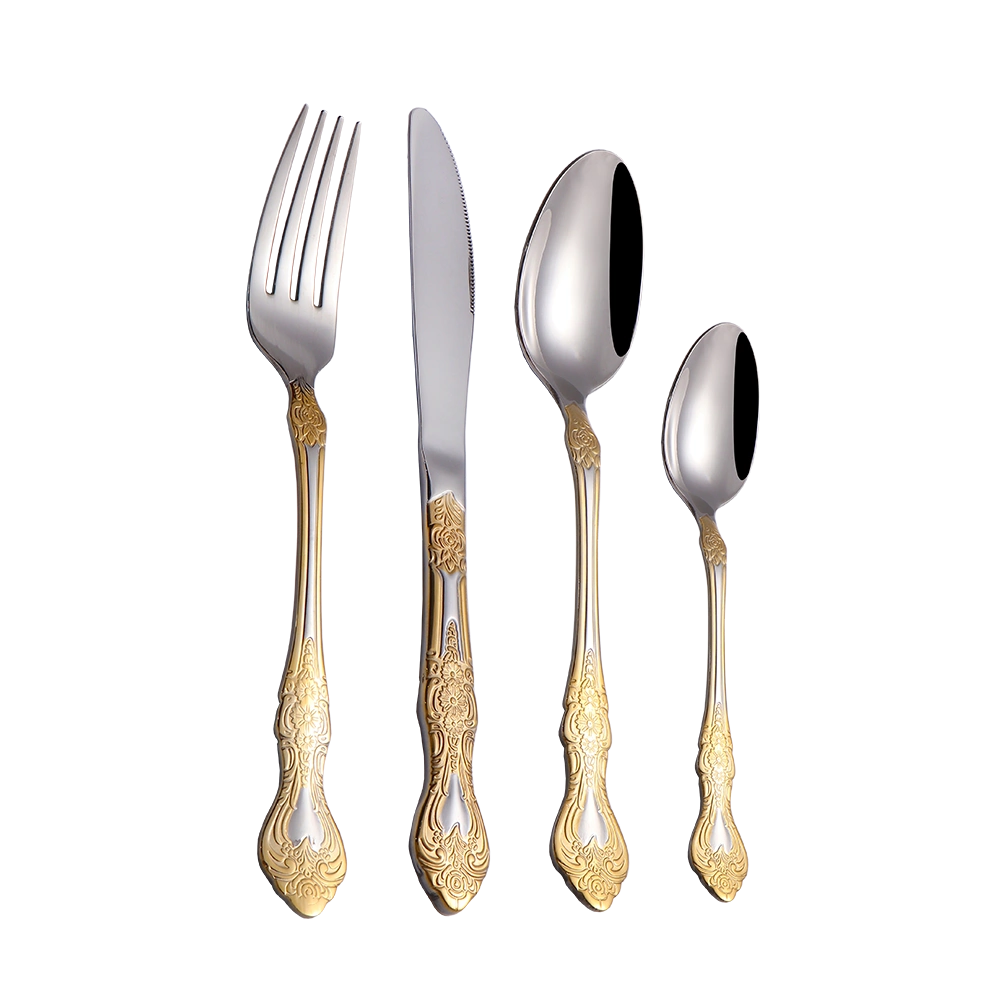
When selecting cutlery or kitchen tools, 316 stainless steel is an excellent choice if you need enhanced durability and hygiene. It also meets the same EU regulations, ensuring it is safe for food contact.
### Dive deeper Paragraph:
The primary difference between 304 and 316 stainless steel lies in the addition of molybdenum in 316 stainless steel. [This element increases its resistance to corrosion, especially in environments with higher chloride exposure](https://pmc.ncbi.nlm.nih.gov/articles/PMC10707140/)[^8], like coastal areas or in the food industry where salt is prevalent. Moreover, 316 stainless steel is less prone to pitting and crevice corrosion.
[A study of the usability of 316 stainless steel in food applications shows that its longevity and resilience lead to less frequent replacements](https://www.nrc.gov/docs/ML0334/ML033490048.pdf)[^9], making it a cost-effective choice for businesses in the long run. Importers should consider these factors when determining which grade to select for their products.
## How can I tell if my stainless steel is 304 or 316?
Identifying the grade of stainless steel can be challenging without proper testing. One common method is to check the steel’s magnetic properties. [Generally, 304 stainless steel is non-magnetic, while 316 may show slight magnetism due to its composition](https://greenwoodmagnetics.com/resource/what-is-the-difference-between-304-and-316-stainless-steel/)[^10]. However, this method is not definitive.
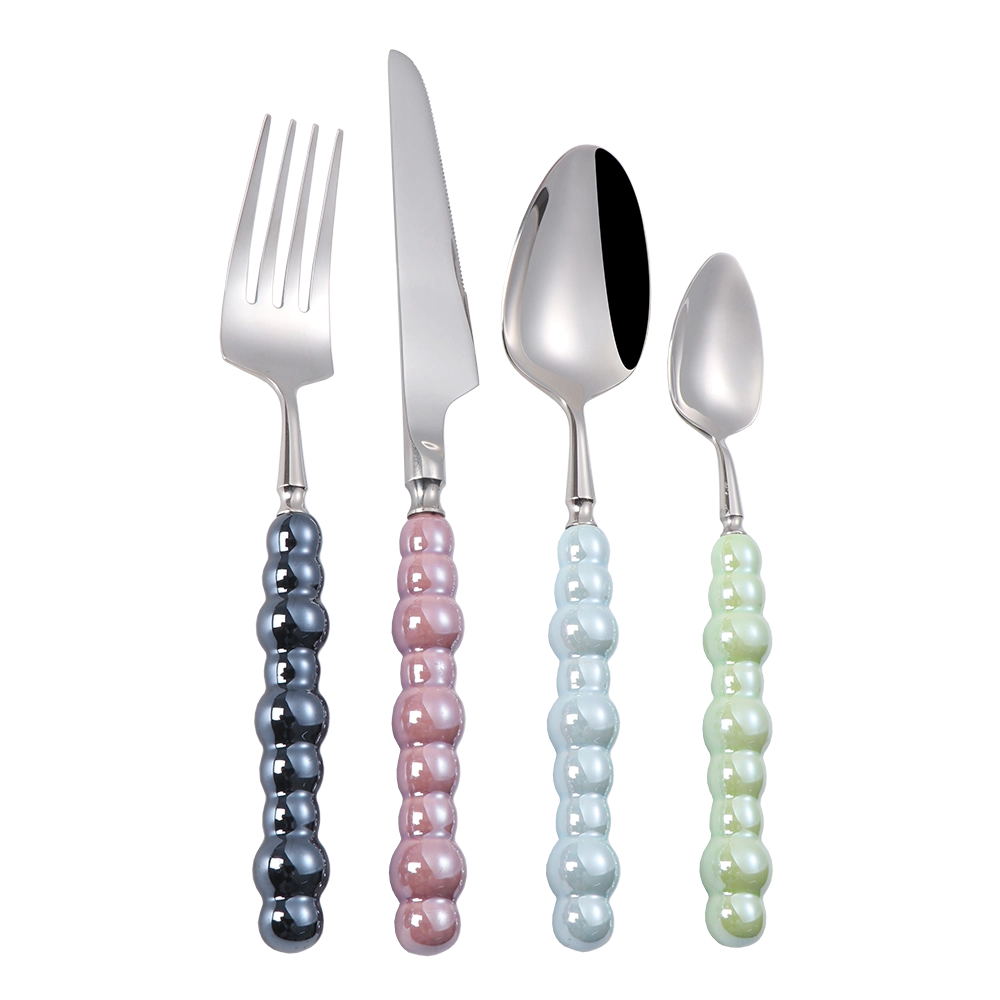
Another reliable approach is to conduct a chemical test using a solution that reacts differently with each grade. For example, a specific acid will react more with 304 than with 316. Alternatively, you can refer to the manufacturer’s documentation, which should specify the stainless steel grade used.
### Dive deeper Paragraph:
To accurately determine the stainless steel grade, it is often recommended to run a test at a certified laboratory. These tests can provide you with detailed reports on the composition of your stainless steel. They usually include elements like chromium, nickel, and molybdenum percentages, helping you confirm if your product is 304 or 316 stainless steel.
Understanding these differences is crucial for importers. It can influence your purchasing decisions and ultimately affect your product’s quality. Ensure that you work with suppliers who provide clear documentation about the materials used in their products.
## What is the healthiest stainless steel for food?
Both 304 and 316 stainless steels are considered healthy for food. [They do not release harmful substances into food, provided they meet the regulatory standards](https://pmc.ncbi.nlm.nih.gov/articles/PMC4284091/)[^11]. However, 316 stainless steel has an edge in terms of durability and resistance to corrosion, making it a healthier option in environments prone to contaminants.
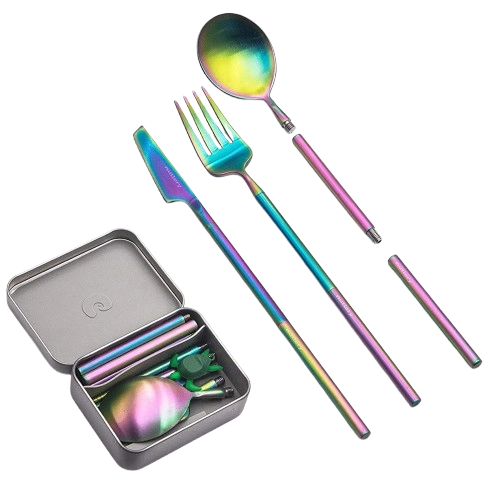
In summary, always choose stainless steel that meets EU food safety standards. When in doubt, opt for 316 stainless steel if your products will see heavy use or exposure to harsher conditions.
### Dive deeper Paragraph:
Health considerations go beyond just the materials used. It is also essential to consider the cleaning and maintenance of stainless steel products. [Regular cleaning with food-safe detergents and avoiding abrasive scouring pads can help maintain the integrity of the stainless steel](https://ask.ifas.ufl.edu/publication/FS077)[^12] and prevent any potential leaching of materials.
Moreover, manufacturers play a critical role in ensuring their products are safe for food use. This includes using high-quality stainless steel, adhering to safety standards, and providing customers with the information they need to make informed choices about the products they purchase.
## Conclusion
Choosing between 304 and 316 stainless steel for food applications is essential for safety and quality. Both meet EU standards and can ensure healthy food preparation.
—
[^1]: “[PDF] Effect of Molybdenum Additions on the Microstructures and … – OSTI”, https://www.osti.gov/servlets/purl/1439854. Materials science research confirms that the 2-3% molybdenum content in 316 stainless steel significantly enhances resistance to chloride-induced pitting and crevice corrosion compared to 304 grade. Evidence role: mechanism; source type: research. Supports: that molybdenum addition in 316 stainless steel provides superior corrosion resistance compared to 304. Scope note: Comparative performance depends on specific environmental conditions and exposure duration
[^2]: “Risk assessment of food contact materials – PMC – NIH”, https://pmc.ncbi.nlm.nih.gov/articles/PMC9749432/. European Commission Regulation (EC) No 1935/2004 establishes the general framework for materials and articles intended to come into contact with food, requiring that they do not transfer constituents to food in quantities that could endanger human health. Evidence role: general_support; source type: government. Supports: that EU Regulation 1935/2004 establishes general safety requirements for materials intended to contact food. Scope note: The regulation provides framework requirements; specific material compliance requires additional testing standards
[^3]: “Study of the Corrosion Behavior of Stainless Steel in Food …”, https://pmc.ncbi.nlm.nih.gov/articles/PMC11012613/. Industry standards organizations recognize AISI 304 stainless steel as suitable for most food contact applications due to its corrosion resistance, ease of cleaning, and non-reactive properties with common foods. Evidence role: expert_consensus; source type: institution. Supports: that 304 stainless steel is widely accepted for general food processing and preparation applications. Scope note: Suitability excludes high-chloride or highly acidic environments where 316 grade is preferred
[^4]: “Stainless Steel Leaches Nickel and Chromium into Foods During …”, https://pmc.ncbi.nlm.nih.gov/articles/PMC4284091/. Research on stainless steel food contact surfaces demonstrates that the stable chromium oxide passive layer formed on 304 grade prevents metal ion migration into food under normal pH and temperature conditions. Evidence role: mechanism; source type: research. Supports: that 304 stainless steel’s chromium oxide passive layer prevents reactivity with most foods. Scope note: Reactivity may increase with prolonged exposure to highly acidic foods or damaged surface finishes
[^5]: “Good Manufacturing Practices – Cornell CALS”, https://cals.cornell.edu/dairy-extension/what-we-do/food-safety-resources/good-manufacturing-practices. International manufacturing standards for food contact materials specify that production facilities must implement hygiene controls and quality assurance systems to prevent contamination during fabrication and finishing processes. Evidence role: general_support; source type: institution. Supports: that food-grade stainless steel production requires adherence to hygiene and quality control standards.
[^6]: “Influence of Different Stainless Steel Finishes on Biofilm Formation …”, https://pubmed.ncbi.nlm.nih.gov/36040237/. Microbiological studies demonstrate that stainless steel surfaces with lower roughness values (Ra < 0.8 μm) exhibit significantly reduced bacterial adhesion and are more effectively cleaned and sanitized compared to rougher finishes. Evidence role: mechanism; source type: research. Supports: that reduced surface roughness on stainless steel decreases bacterial attachment and facilitates cleaning.
[^7]: "[PDF] Stainless Steel (SS) Safety Profile - FDA", https://www.fda.gov/media/165146/download. Industry guidelines for pharmaceutical and food processing equipment specify 316 stainless steel for applications requiring enhanced corrosion resistance and sanitary conditions, particularly in cleaning-in-place (CIP) systems and chloride-exposed environments. Evidence role: case_reference; source type: institution. Supports: that 316 stainless steel is preferred in pharmaceutical and food processing for sanitary applications.
[^8]: "Studies on the Cooperative Influence of Cr and Mo on the Pitting ...", https://pmc.ncbi.nlm.nih.gov/articles/PMC10707140/. Metallurgical research establishes that molybdenum additions to austenitic stainless steels increase the pitting resistance equivalent number (PREN) and stabilize the passive film against chloride ion attack, particularly in marine and saline environments. Evidence role: mechanism; source type: research. Supports: that molybdenum enhances resistance to chloride-induced corrosion in stainless steel.
[^9]: "[PDF] guide to the selection and use of high performance stainless steels", https://www.nrc.gov/docs/ML0334/ML033490048.pdf. Lifecycle analysis studies in food processing environments indicate that 316 stainless steel equipment demonstrates extended service life in high-chloride or acidic conditions compared to 304 grade, potentially offsetting higher initial material costs. Evidence role: general_support; source type: research. Supports: that enhanced corrosion resistance of 316 grade can extend service life in demanding food processing environments. Scope note: Economic benefit depends on specific application environment and maintenance practices
[^10]: "Magnetic Properties of 304 & 316 Stainless Steel", https://greenwoodmagnetics.com/resource/what-is-the-difference-between-304-and-316-stainless-steel/. Materials science literature indicates that both 304 and 316 stainless steels are austenitic grades with similar magnetic properties in annealed condition; both may develop slight ferromagnetism through cold working or machining-induced martensite transformation. Evidence role: mechanism; source type: research. Supports: that both 304 and 316 austenitic stainless steels are generally non-magnetic in annealed condition. Scope note: Magnetic testing alone cannot reliably distinguish between 304 and 316 grades
[^11]: "Stainless Steel Leaches Nickel and Chromium into Foods During ...", https://pmc.ncbi.nlm.nih.gov/articles/PMC4284091/. Migration studies on food-grade stainless steels demonstrate that properly manufactured 304 and 316 grades release nickel and chromium at levels well below regulatory limits established by food safety authorities for typical food contact conditions. Evidence role: general_support; source type: research. Supports: that compliant food-grade stainless steels exhibit minimal metal ion migration within safe limits. Scope note: Migration levels may increase with prolonged contact, elevated temperatures, or highly acidic foods
[^12]: "Basic Elements of Equipment Cleaning and Sanitizing in Food ...", https://ask.ifas.ufl.edu/publication/FS077. Research on stainless steel maintenance demonstrates that non-abrasive cleaning with pH-neutral or mildly alkaline detergents preserves the passive chromium oxide layer, while harsh abrasives or strong acids can compromise surface integrity and increase corrosion susceptibility. Evidence role: mechanism; source type: research. Supports: that appropriate cleaning methods preserve the protective chromium oxide layer on stainless steel surfaces.