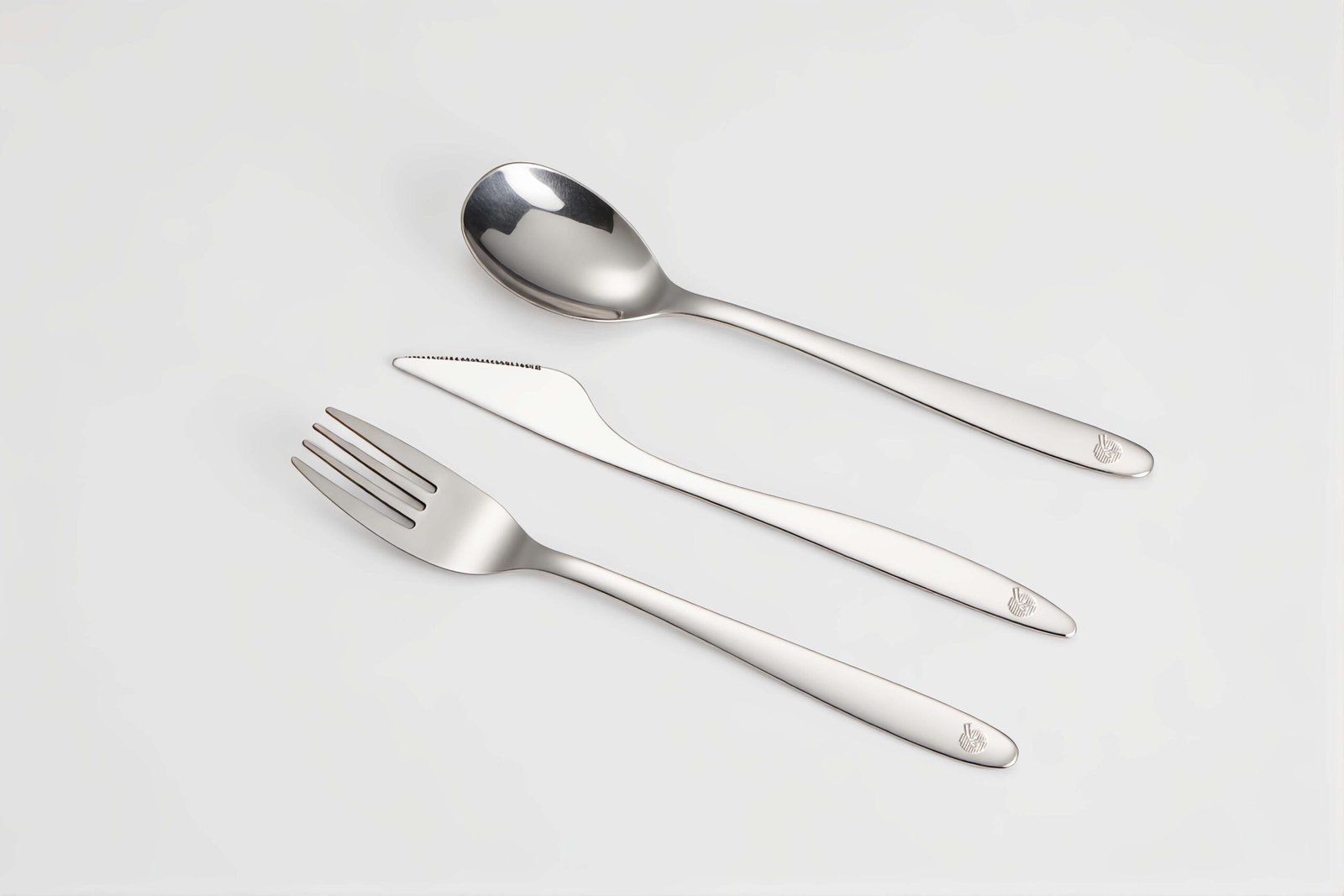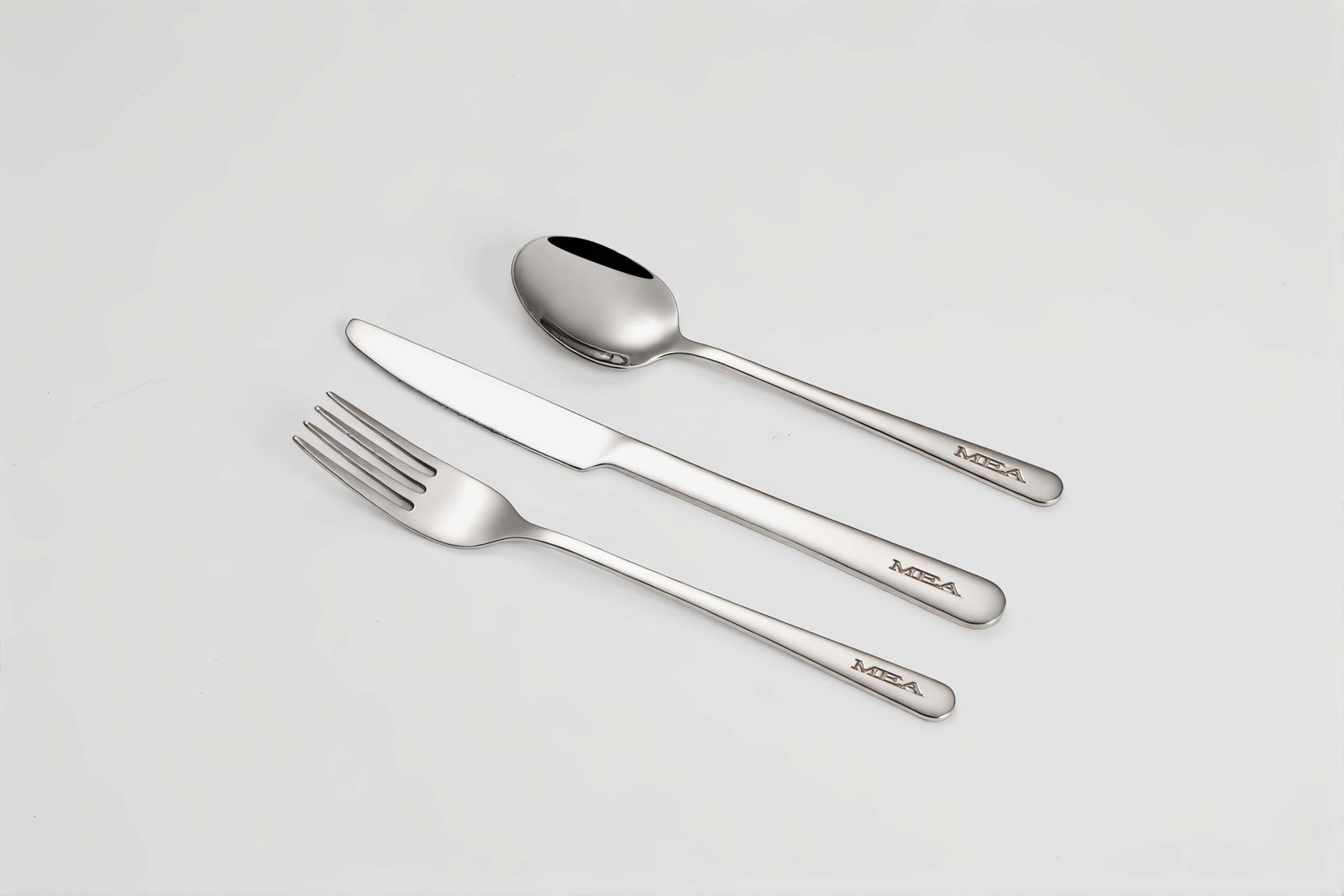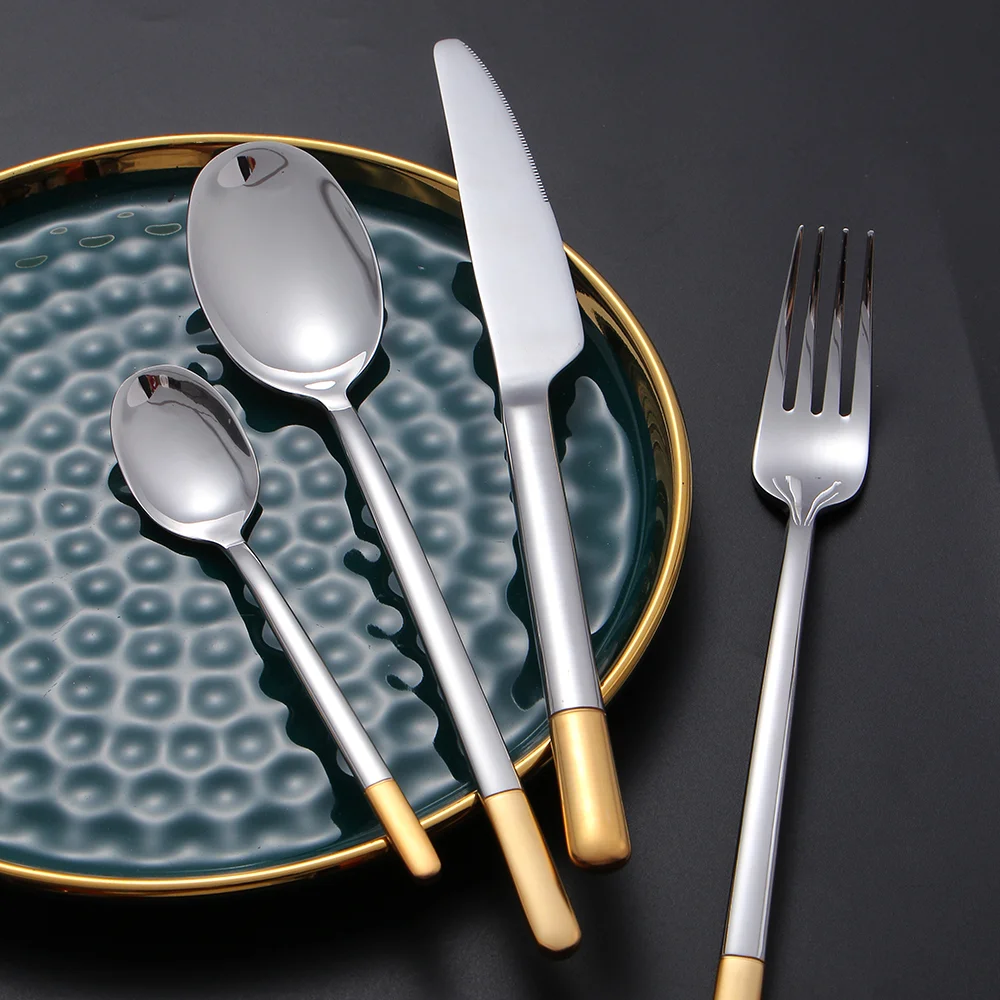
Struggling with inconsistent cutlery finishes that hurt your brand’s premium image? The secret lies in understanding the right polishing method for the job, a choice that defines quality.
**The difference between manual and automatic polishing determines your product’s final quality and consistency. For premium brands, the solution isn’t choosing one over the other. It’s about using automatic machines for baseline consistency and skilled manual polishing to achieve a flawless, luxury-grade finish that machines can’t replicate.**
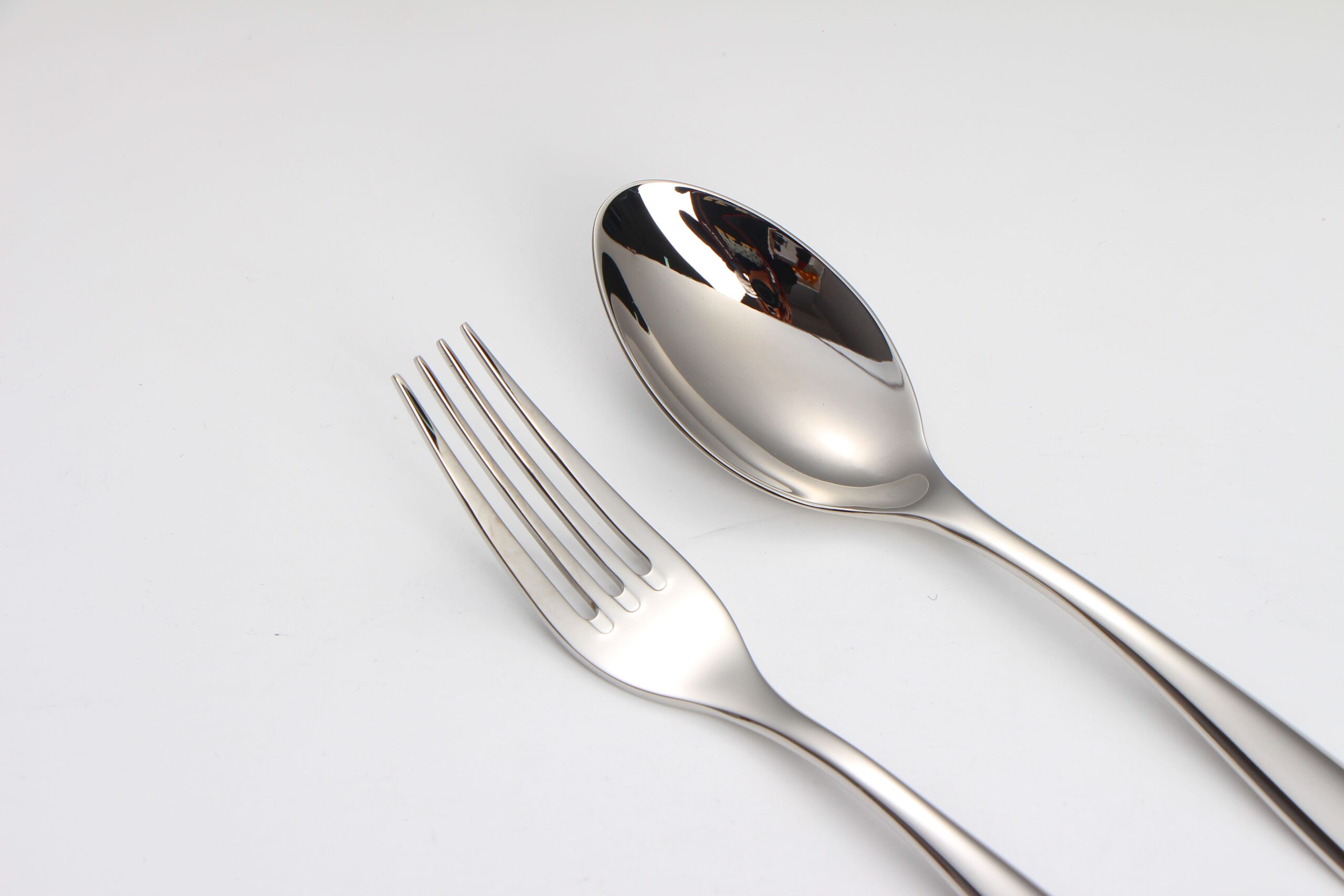
When I first started in this business, I met a client, let’s call her Lisa, who was launching a high-end cutlery line. She received samples from several factories. Some were machine-polished, and others were hand-polished. She was confused because the pricing varied wildly, but the “[mirror polish](https://en.wikipedia.org/wiki/Polishing_(metalworking))” description was the same. She felt lost. I explained that the term “[mirror polish](https://en.wikipedia.org/wiki/Polishing_(metalworking))” covers a wide spectrum of quality. The real question isn’t which method is “better,” but how each method contributes to the final product that represents your brand. This conversation helped her realize that the details in manufacturing are what build a powerful brand. Let’s dive into those details together.
## How Does A-Grade Mirror Polishing Influence Your Brand’s Luxury Positioning?
Does your cutlery look shiny but not truly luxurious? This small difference is what stops you from commanding a premium price and leaves you competing on cost alone.
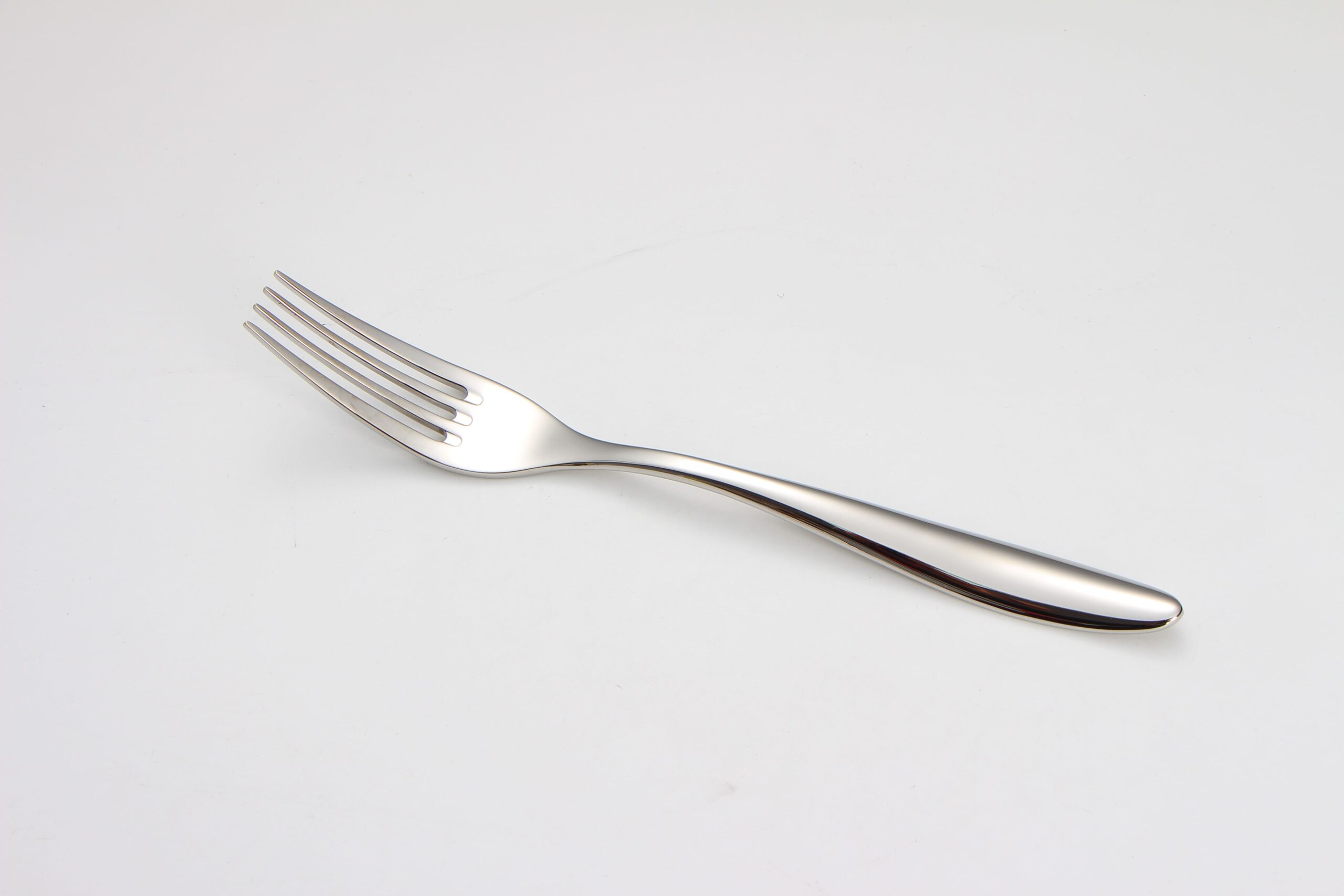
**A-grade [mirror polish](https://en.wikipedia.org/wiki/Polishing_(metalworking))ing is defined by its “8K clarity”—a fog-free, high-fidelity reflection with a [surface roughness (Ra)](https://en.wikipedia.org/wiki/Rockwell_hardness_test) below 0.02μm. This is achieved through multiple manual polishing stages that eliminate machine marks, giving stainless steel a silver-like luster that justifies a luxury price point.**
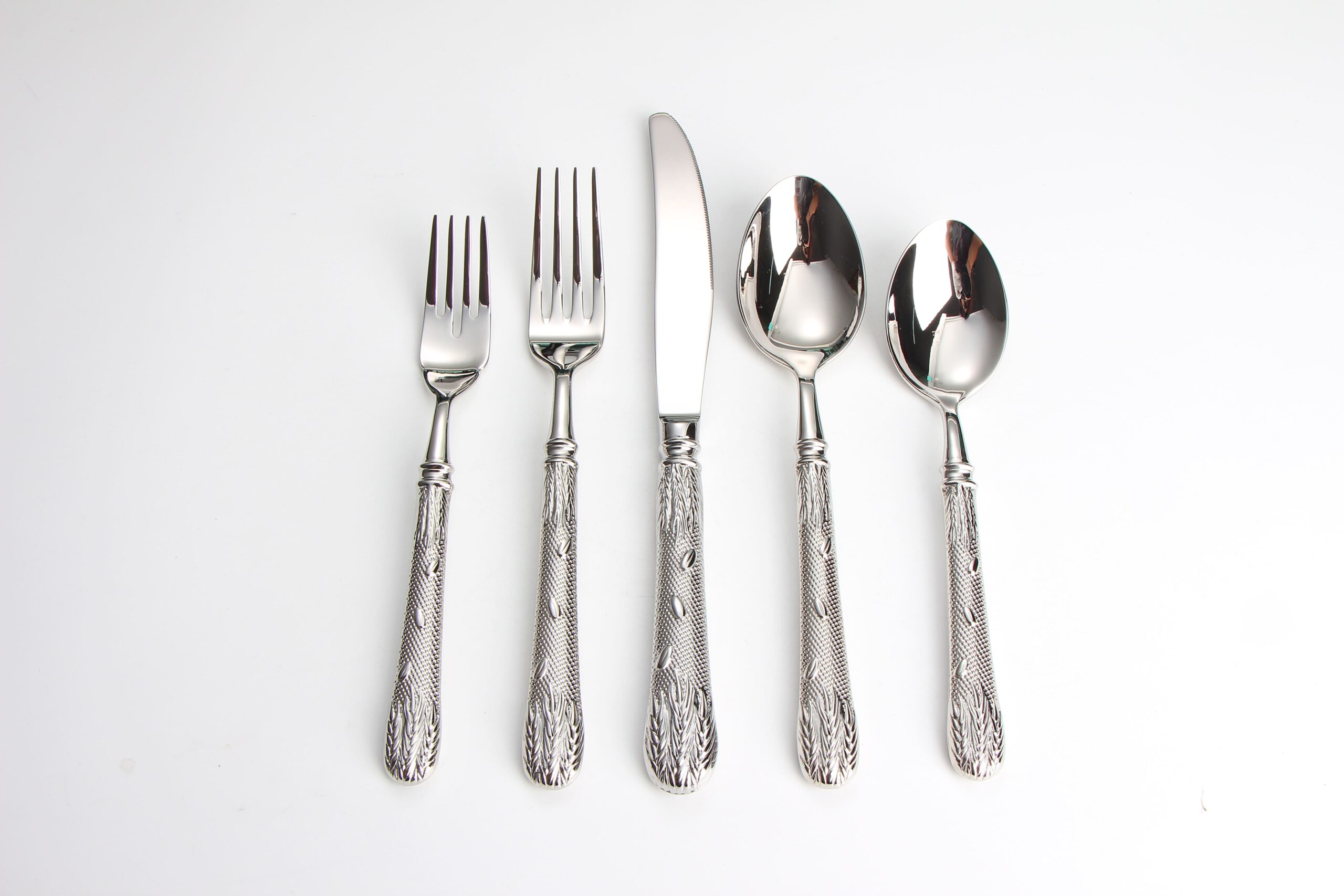
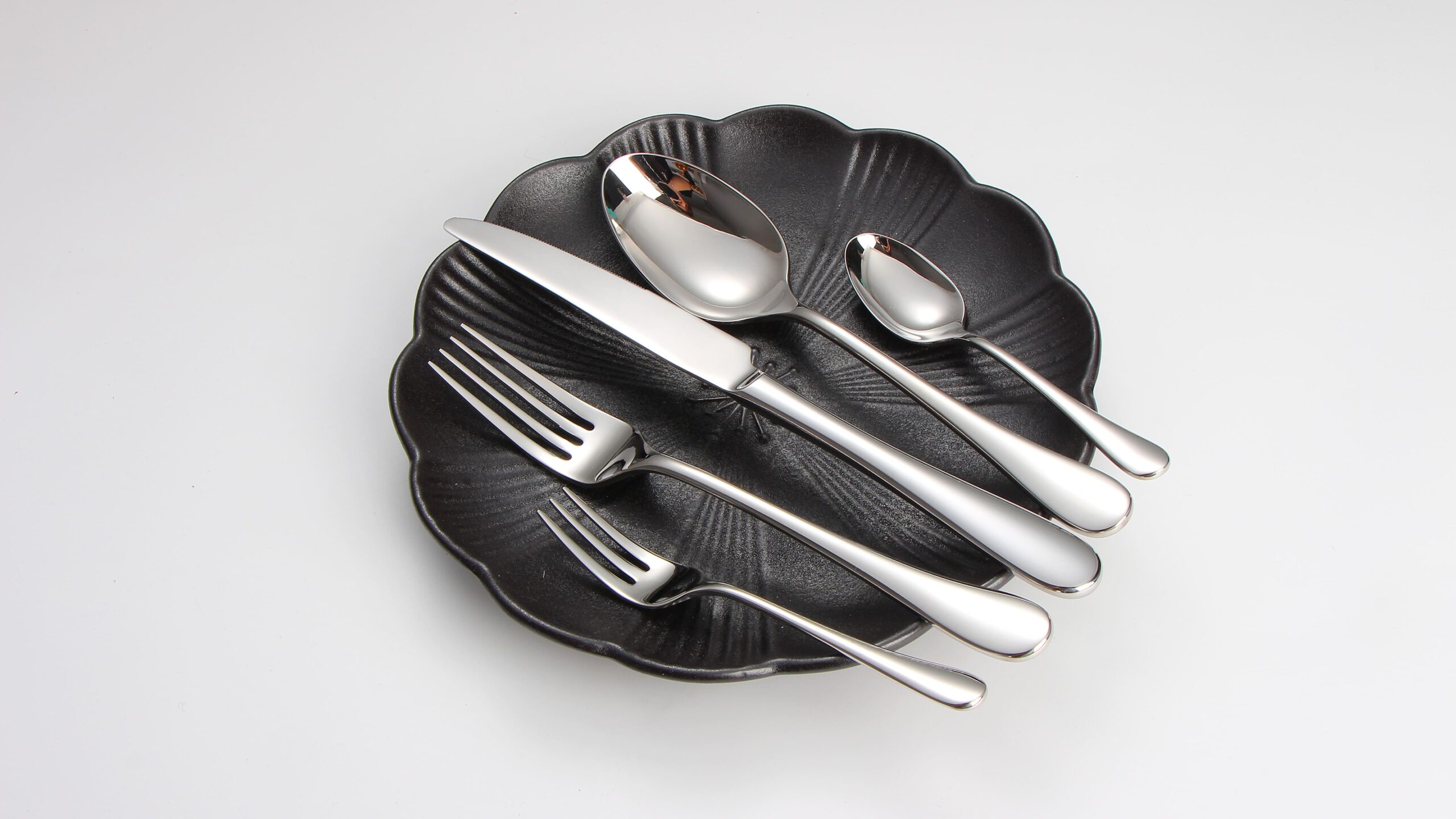
When we talk about a luxury finish, we’re moving beyond just being “shiny.” We are talking about a level of perfection that customers can feel. The industry-standard metric for this is the Ra value, or surface roughness. A typical [mirror polish](https://en.wikipedia.org/wiki/Polishing_(metalworking)) might look good from a distance, but an A-grade polish is flawless even under close inspection. To get this result, we can’t rely solely on machines. Automatic polishers are great for the initial stages, but they often leave subtle “[mechanical ripples](https://en.wikipedia.org/wiki/Laser_polishing)” on the surface. These ripples are invisible in normal light but become obvious under the focused spotlights of a high-end retail store or a fine dining restaurant. To eliminate them, our skilled artisans take over. They perform several rounds of fine manual polishing, a process that relies on a human touch to feel and erase every tiny imperfection. This process is what transforms a simple piece of stainless steel into something that has the deep, liquid-like shine of genuine silverware. It’s this commitment to detail that creates a hard barrier against low-price competitors and gives a brand the confidence to position itself in the luxury market.
## Understanding Mirror Polishing Grades: How to Ensure Consistent Shine Across 100,000 Pieces?
Did your perfect sample convince you to place a large order, only for the bulk shipment to have a frustratingly inconsistent shine? This damages your brand’s reliability and your bottom line.
**Consistency across a large order of 100,000 pieces depends on a strict, standardized process, not just a single skilled worker. This involves using uniform [polishing wheels](https://en.wikipedia.org/wiki/Polishing_(metalworking)), precise time controls for each step, and a fixed quality control sampling ratio. Relying on “experience” alone causes variations between shifts.**
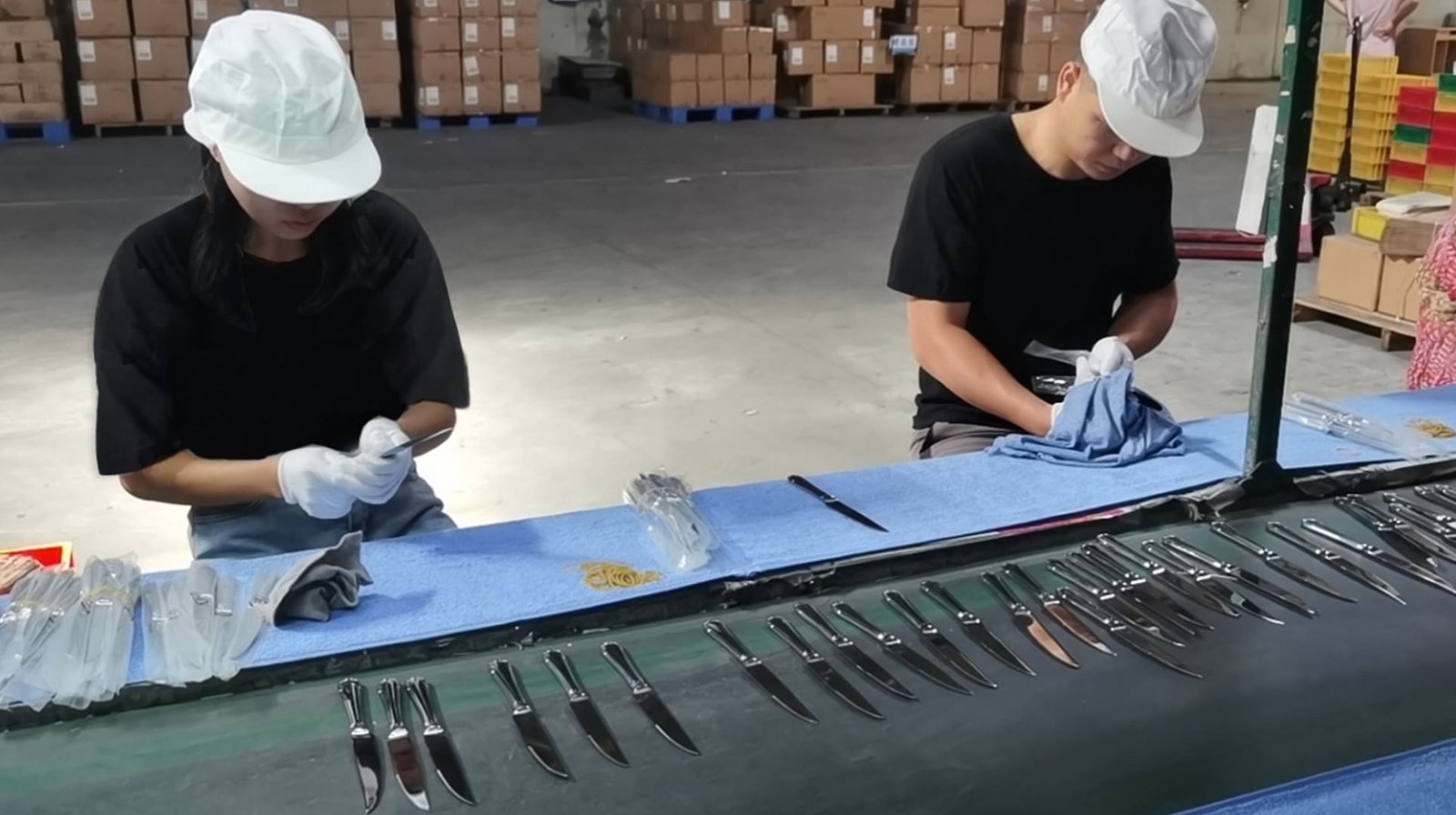
Anyone can make one perfect sample. The real test of a professional manufacturer is making 100,000 pieces that all look exactly like that perfect sample. I remember a client from Turkey who faced this exact problem with a previous supplier. The first 1,000 units were great, but the next 10,000 were a mix of different shines. The root cause was a lack of process control. The factory relied on their workers’ individual skills, but different workers on different days produced slightly different results. At our facility, we solve this by building a system. We create [Standard Operating Procedures (SOPs)](https://en.wikipedia.org/wiki/Standard_operating_procedure) for every step.
### Key Control Points for Consistency
| Control Factor | Our Standardized Approach | Why It Matters |
| :— | :— | :— |
| **Polishing Wheels** | All wheels are from the same supplier with the same grit and density. We have a strict replacement schedule based on usage hours, not just when they “look” worn out. | Ensures every piece is treated with the exact same abrasive force, eliminating a major source of variation. |
| **Time Control** | Each polishing stage is timed. A digital timer ensures a fork handle gets, for example, exactly 15 seconds on the coarse wheel and 25 seconds on the fine wheel. | Removes human judgment and fatigue from the equation. Guarantees every single piece gets the same amount of attention. |
| **QC Sampling** | We use a pre-defined AQL (Acceptable Quality Limit) standard. Our inspectors check a statistically significant number of pieces from every batch, not just a few from the top of the box. | Provides a true, data-backed picture of the entire batch’s quality, rather than an optimistic guess. |
This systematic approach is the only way to guarantee that the 100,000th piece looks identical to the first. It’s how we build trust with large-volume buyers who cannot afford inconsistency.
## Why Mirror Polishing isn’t Just About Aesthetics: The Role of Biofilm Prevention?
You might think that a shiny fork just looks nice. But what if I told you that the quality of that polish is also a critical factor in food safety and hygiene?
**A perfectly smooth, mirror-polished surface has fewer microscopic scratches and pits for bacteria to cling to. This makes it harder for harmful biofilm to form and makes the cutlery easier to clean and sanitize, directly impacting [hygiene in commercial settings](https://en.wikipedia.org/wiki/Washing) like hotels and airlines.**

The term “biofilm” sounds technical, but it’s simply a sticky, slimy colony of bacteria. These colonies love to grow in tiny cracks and grooves on surfaces. On a piece of cutlery with a poor or coarse polish, the surface is full of these microscopic hiding spots. Even with regular washing, it’s difficult to remove all the bacteria, allowing a biofilm to develop over time. This is a major concern for our clients in the hospitality and airline industries, where hygiene standards are non-negotiable. A superior, A-grade [mirror polish](https://en.wikipedia.org/wiki/Polishing_(metalworking)) creates an ultra-smooth surface. This smoothness leaves almost no place for bacteria to get a foothold.
### Polishing Grade and Hygiene Impact
| Polishing Grade | Surface Texture | Biofilm Risk | Best For |
| :— | :— | :— | :— |
| **A-Grade Mirror** | Ultra-smooth, minimal pits | Very Low | Hospitals, Airlines, Luxury Hotels |
| **Standard Mirror** | Smooth | Low | High-End Restaurants, Homes |
| **Satin Finish** | Lightly textured | Moderate | Casual Dining, Everyday Use |
| **Brushed Finish** | Coarse texture, visible lines | High | Decorative or low-contact items |
Therefore, when you are choosing a polishing grade, you are not just making an aesthetic choice. You are making a decision about the safety and cleanliness of the product. For any brand serving the food industry, investing in a higher grade of polish is investing in your customer’s health and your own reputation for quality and safety.
## Why Does “Mirror Polish” Often Hide Surface Pitting in Bulk Shipments?
Have you ever approved a shipment of beautifully polished cutlery, only to receive customer complaints weeks later about tiny rust spots or pits appearing after a few washes?
**A brilliant [mirror polish](https://en.wikipedia.org/wiki/Polishing_(metalworking)) can sometimes act like a coat of paint, temporarily covering up tiny pinholes and impurities in the low-quality stainless steel underneath. After repeated use and exposure to detergents, these hidden defects are revealed, leading to corrosion and product failure.**
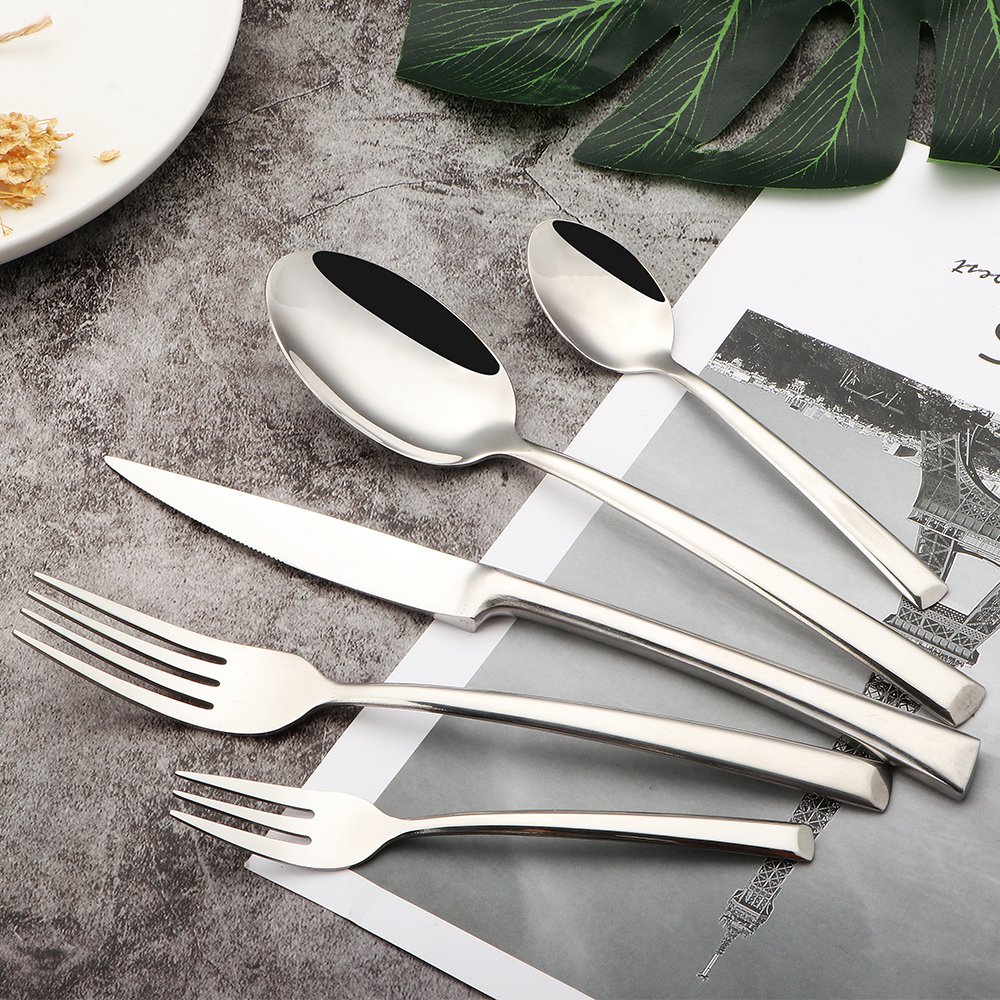
This is one of the most frustrating problems a buyer can face, because it shows up long after you’ve paid the supplier. The issue doesn’t start at the polishing stage; it starts with the raw material. To save costs, some factories use cheaper grades of stainless steel coils. These coils can have tiny impurities or air bubbles trapped inside, creating microscopic “pinholes” in the metal. During the high-pressure polishing process, the surrounding metal can be smeared over these tiny holes, effectively hiding them from view. The product looks perfect when it leaves the factory. But after a few cycles in a commercial dishwasher, the high heat and strong detergents wash away the thin metal covering, exposing the pit. Once exposed, food particles and moisture get trapped, and a small spot of corrosion begins. True quality control isn’t about creating a beautiful final polish. It’s about ensuring the foundation is perfect. That’s why our process begins with rigorous inspection of all incoming stainless steel, using tools like spectrometers to verify its composition and grade. We would rather reject a bad coil of steel at the beginning than deal with a client’s brand reputation being damaged at the end.
## How to Audit “Hand Mirror Polish” Quality Without Visiting the Factory?
You can’t get on a plane to oversee production, but you’re worried that the “hand-polished” quality you were promised won’t be delivered. How can you verify quality from thousands of miles away?
**You can audit remotely by demanding [process transparency](https://en.wikipedia.org/wiki/Quality_management_system). Ask for production videos, documented process parameters, and have random samples sent from the live production run to a third-party lab for [surface roughness (Ra)](https://en.wikipedia.org/wiki/Rockwell_hardness_test) testing. Quality is proven with data, not just showroom samples.**
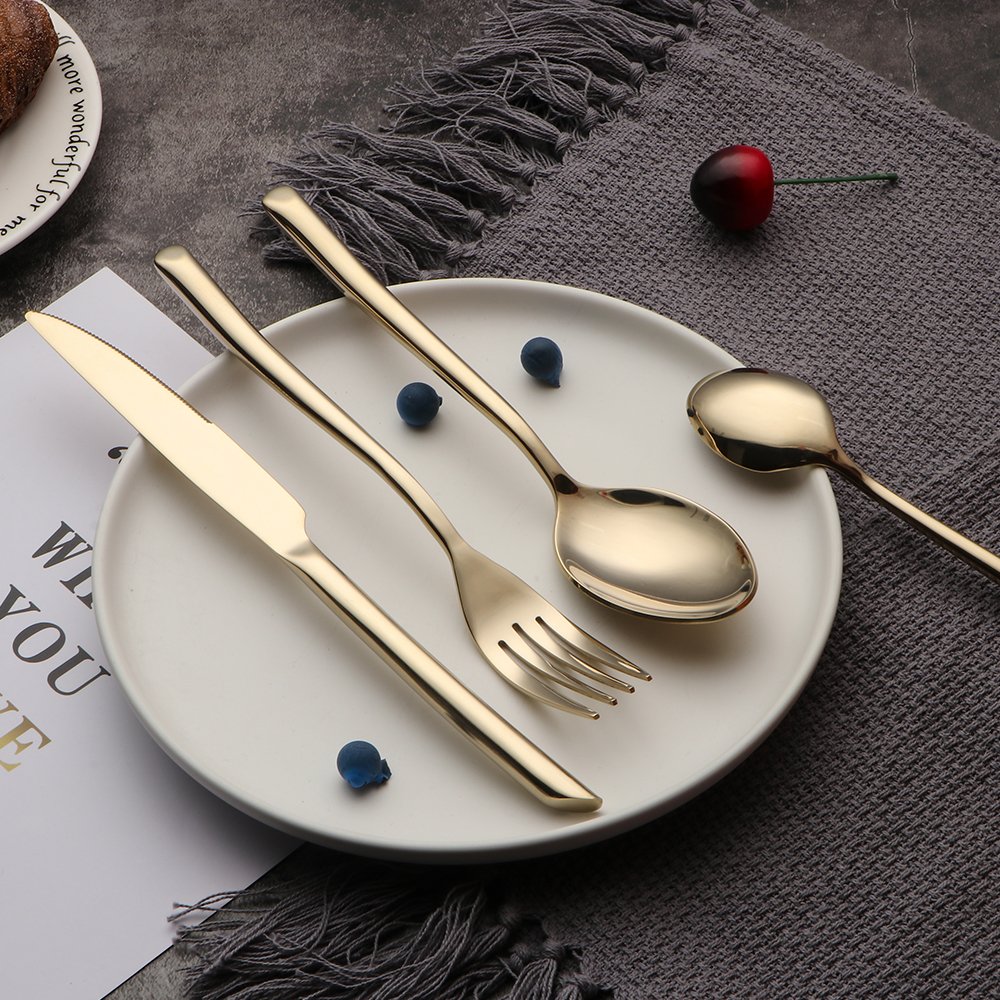
In today’s global market, [remote auditing](https://en.wikipedia.org/wiki/Configuration_management) is essential. Trust is important, but verification is critical, especially when it comes to a craft-dependent process like hand polishing. I always encourage my clients, especially new ones like Lisa, to be demanding in this area. A confident and capable supplier will have no problem providing this proof. An evasive supplier is a major red flag. Here is a simple checklist you can use to audit the polishing quality of any factory remotely.
### Your Remote Auditing Checklist
1. **Request Production Videos:** Don’t ask for a marketing video. Ask for a short, unedited video from a smartphone, showing your specific products being polished by their workers on the line that day. This proves the work is actually being done.
2. **Ask for the SOP:** Request their Standard Operating Procedure for hand polishing. What are the steps? What specific polishing compounds and wheels are used for each step? A professional factory will have this documented.
3. **Demand Mid-Production Samples:** Don’t just rely on pre-production samples. Ask the factory to pull 5-10 random pieces from the middle of the production run and ship them to you directly. This shows you the quality of the average piece, not a specially prepared “golden sample.”
4. **Use a Third-Party Lab:** For the ultimate objective proof, send one of those mid-production samples to an independent testing lab in their country. Ask for a [surface roughness (Ra)](https://en.wikipedia.org/wiki/Rockwell_hardness_test) test. This gives you a hard number that can be compared against the A-grade standard (<0.02μm).This approach changes the conversation from "I hope the quality is good" to "Show me the data that proves the quality is good." It's how you protect your investment and ensure your brand's standards are met, no matter where you are in the world.## ConclusionUltimately, the choice of polishing grade is a core business decision. It defines your brand's market position, hygiene standards, and long-term customer satisfaction. Choose a manufacturing partner who masters both.