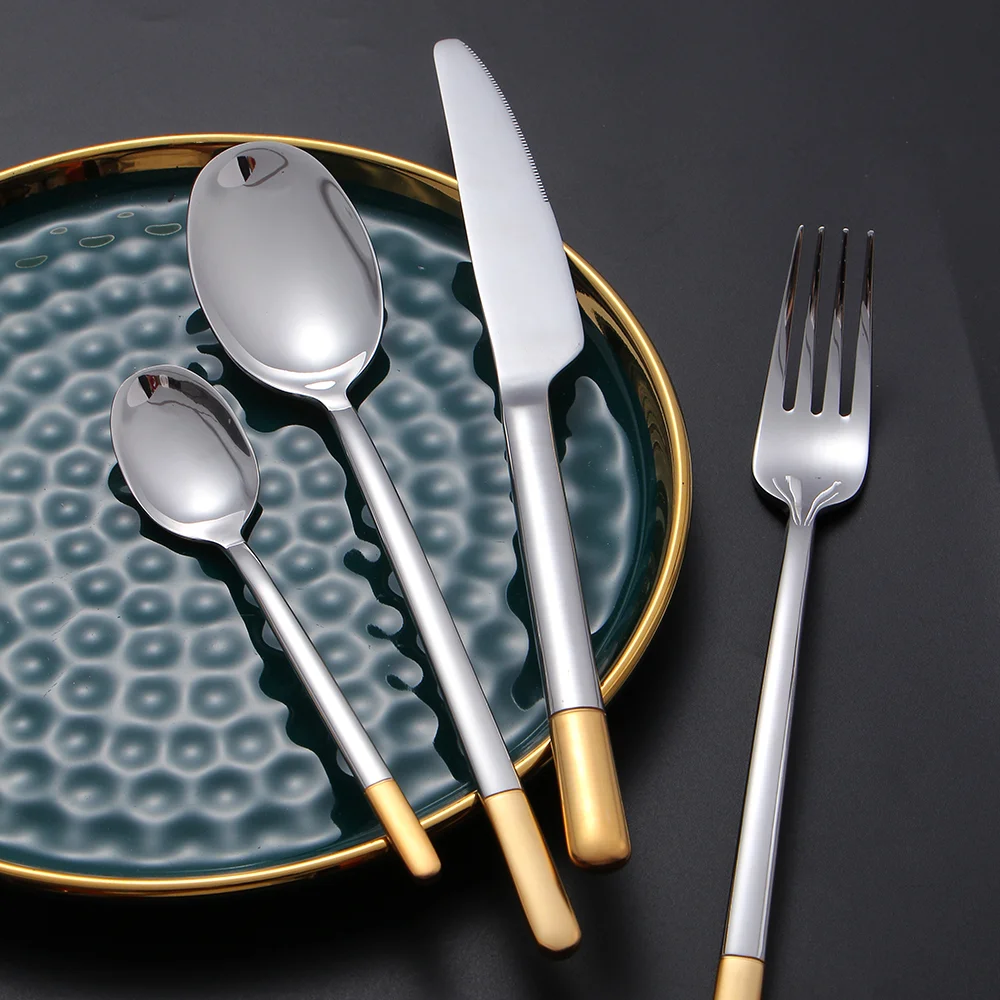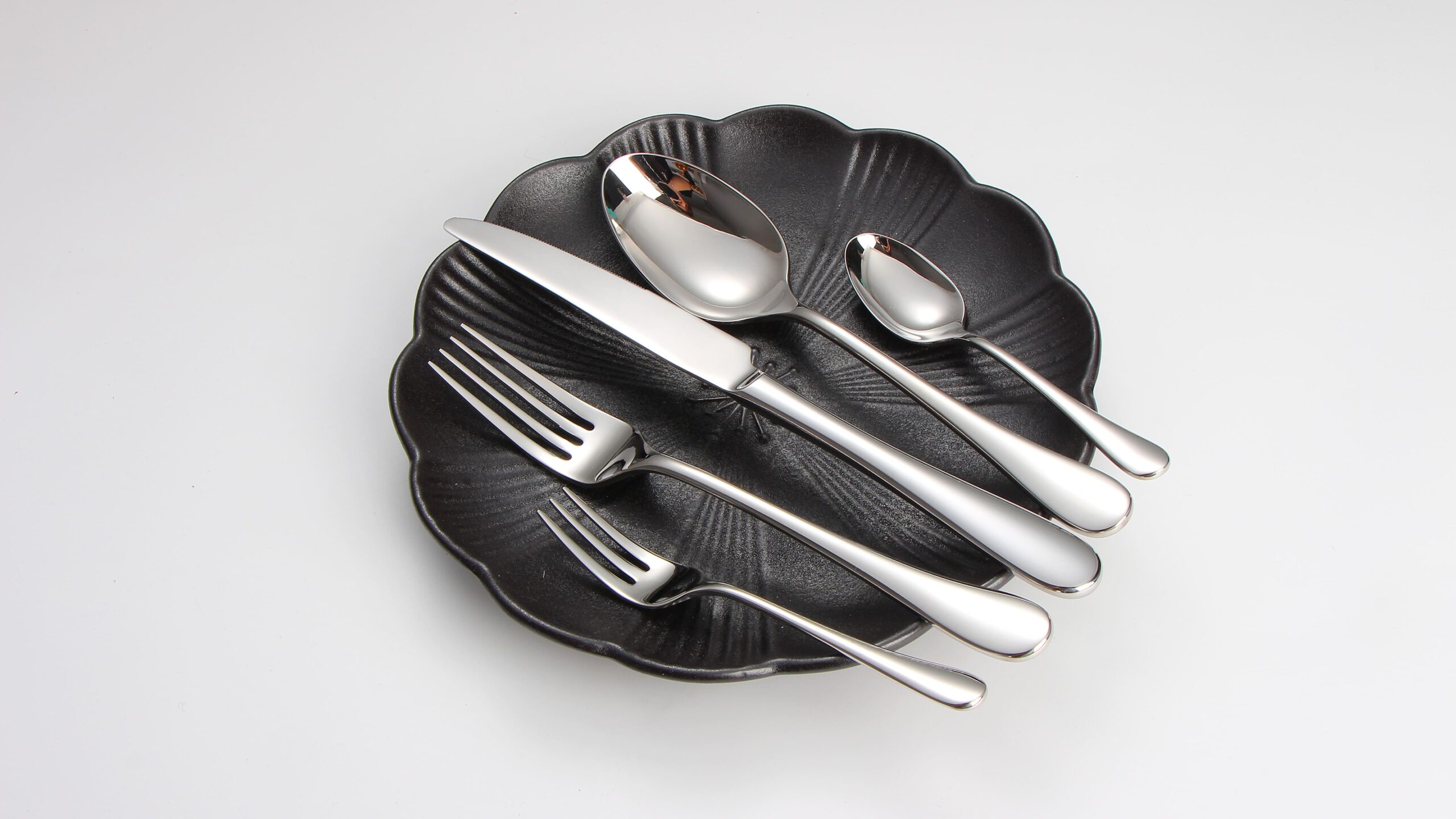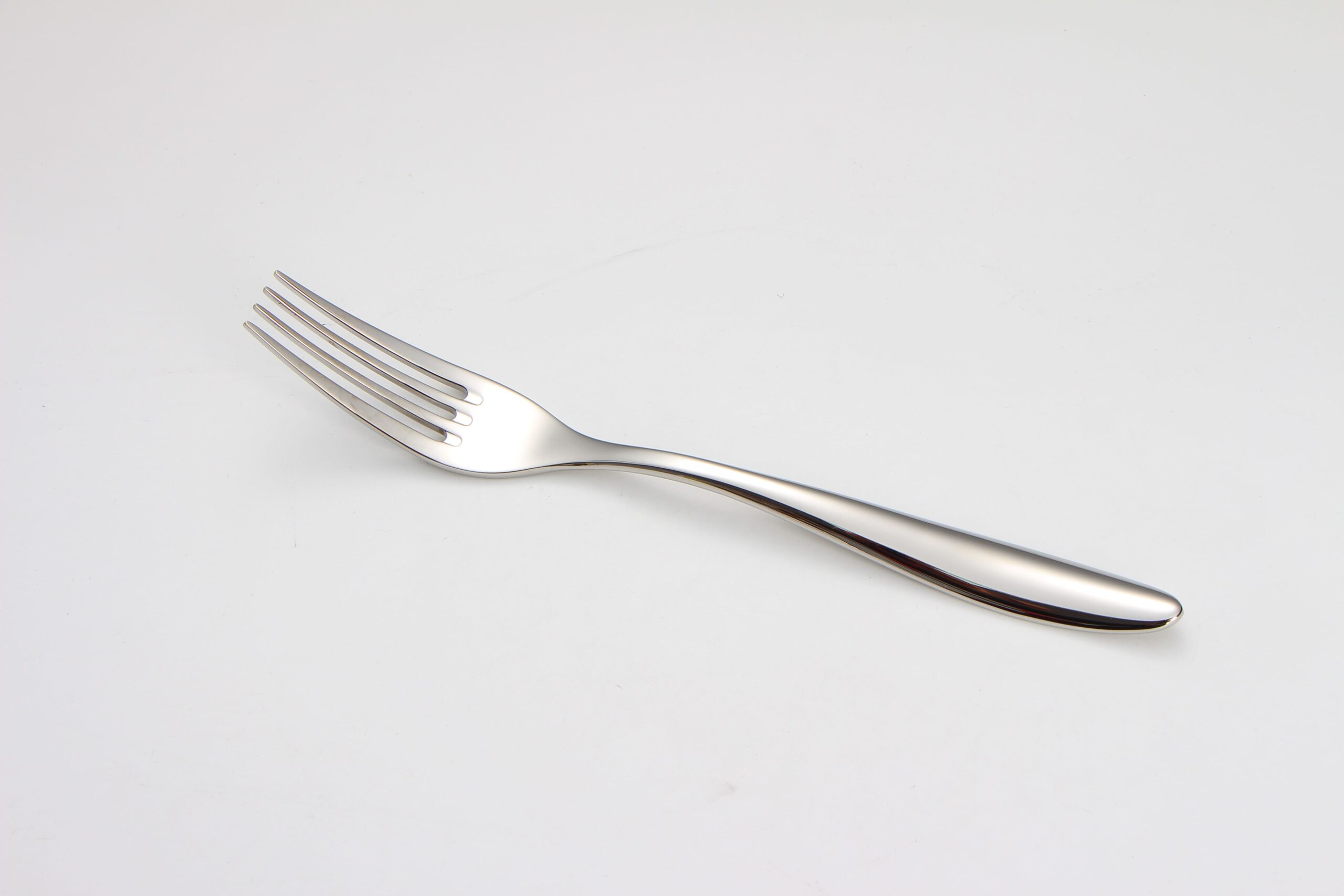
Struggling with inconsistent cutlery finishes? This variation hurts your brand. We’ll explain the key differences between polishing methods to ensure you get the perfect, uniform shine every time.
**In mass production, machine polishing offers superior consistency and speed because of standardized settings. [Hand polishing](https://en.wikipedia.org/wiki/Gemstone), while allowing for finer detail on [complex shapes](https://en.wikipedia.org/wiki/Honing_(metalworking)), can lead to variations due to differing worker skill and fatigue, making it better suited for intricate, smaller-batch projects.**
Choosing the right polishing method is critical for your product’s final look and feel. This single decision impacts the quality, cost, and production speed of your entire order. As a manufacturer, I’ve helped hundreds of clients navigate this choice, and it always comes down to balancing their brand’s goals with the realities of production. Let’s explore these methods further so you can see which one truly fits your business needs and helps your products stand out.
## Is machine polishing better than hand polishing?
Worried about choosing the wrong polishing method? A bad choice can lead to high costs or poor quality. Let’s clarify which method is truly “better” for your specific needs.
**Neither is universally “better.” Machine polishing excels in consistency and speed for large orders, making it ideal for wholesale. [Hand polishing](https://en.wikipedia.org/wiki/Gemstone) is superior for intricate designs and achieving a premium, detailed finish, though it can be less uniform and slower. The best choice depends on your product design and volume.**
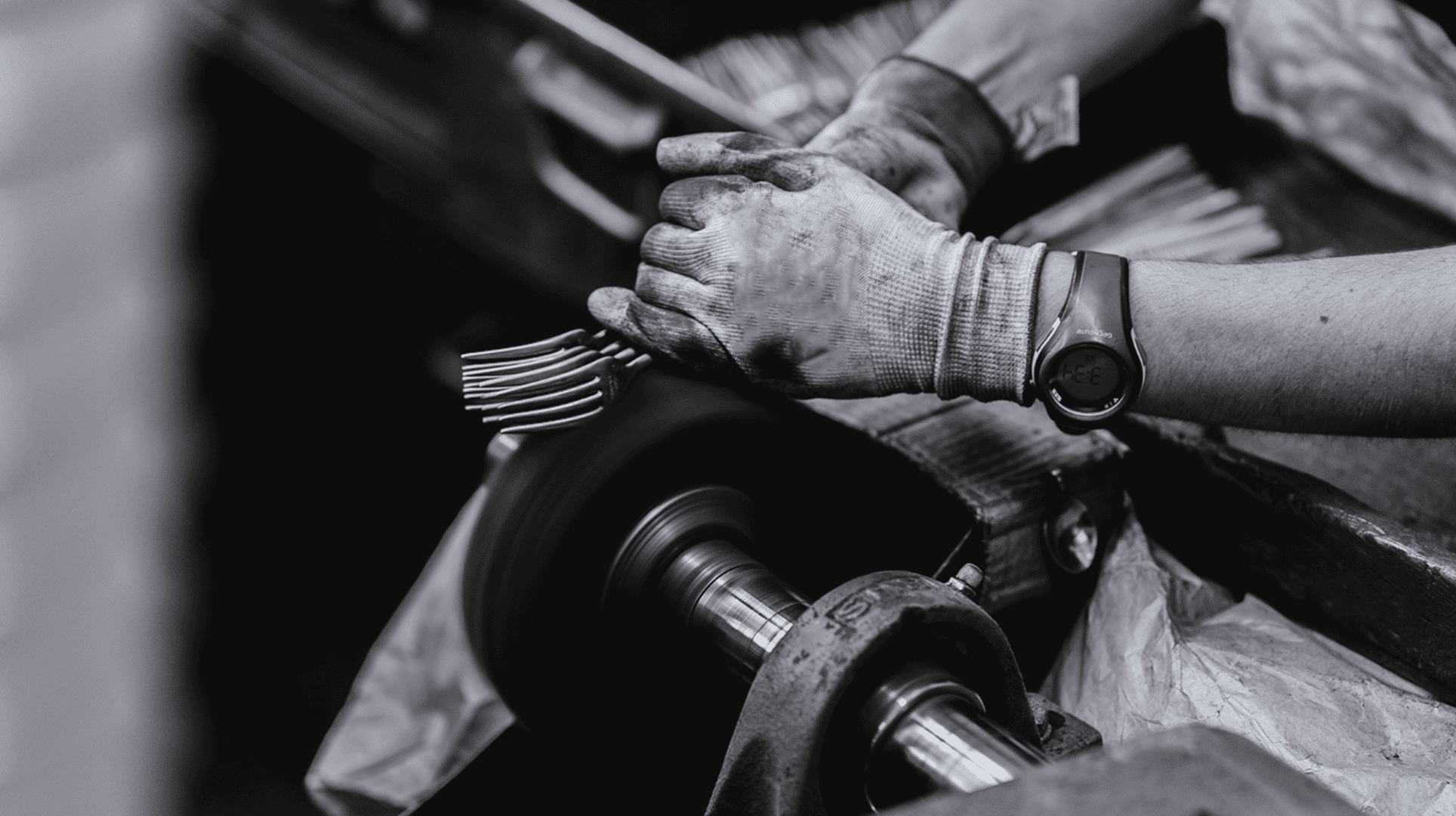
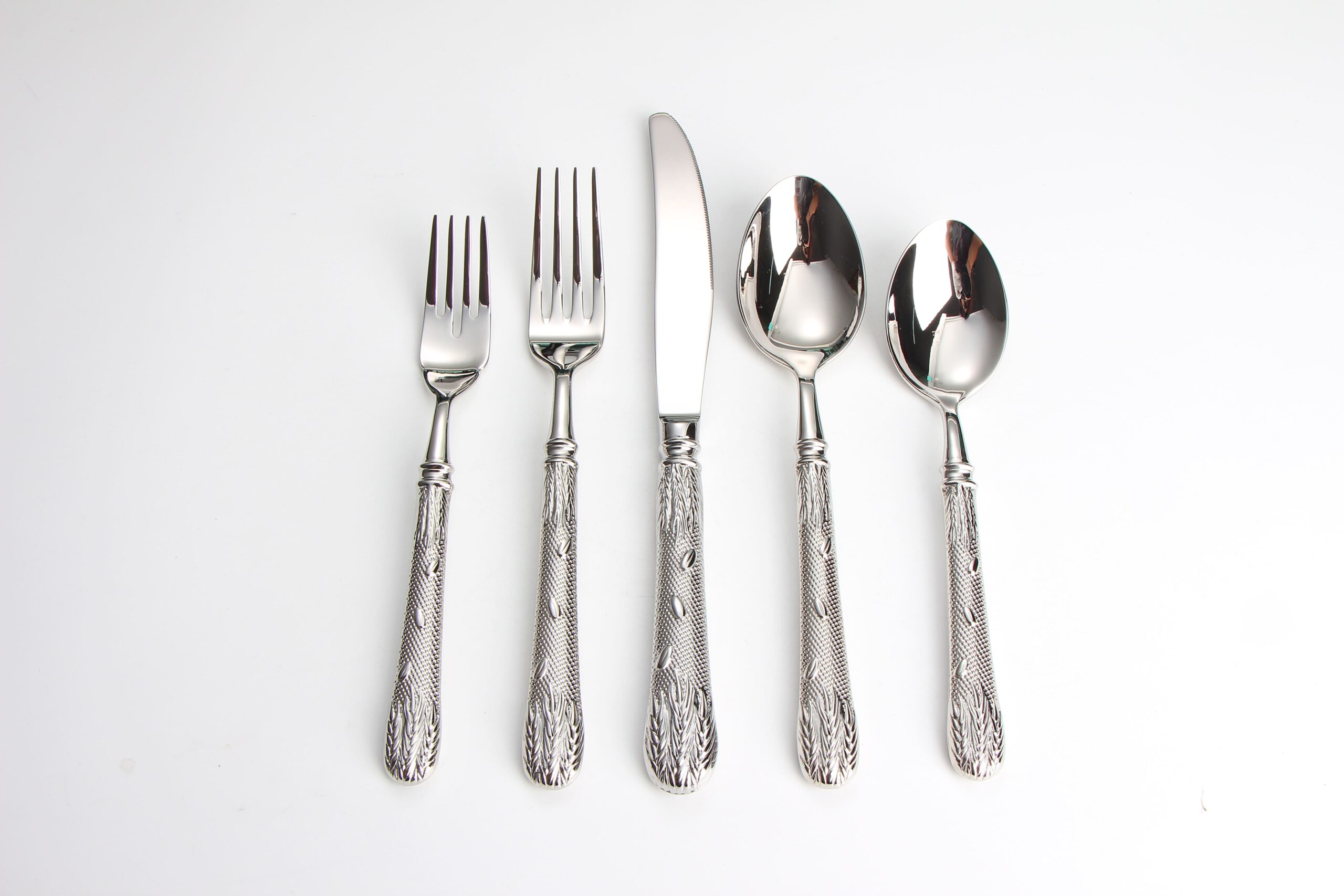
When clients ask me this, I always say it depends on the project’s priorities. Think of it like this: if you need 100,000 standard dinner forks for a hotel chain, machine polishing is your best friend. It guarantees that the first fork looks identical to the last one, which is crucial for a brand’s reputation. The process is fast, efficient, and cost-effective at scale. However, if you’re developing a luxury wedding cutlery set with ornate handles, the human touch of hand polishing becomes invaluable. A skilled technician can bring out a depth and shine on complex curves that a machine might miss. The trade-off is higher labor cost and potential for slight variations.
### Key Deciding Factors
| Factor | Machine Polishing | Hand Polishing |
| :— | :— | :— |
| **Consistency** | Very High | Moderate |
| **Speed** | Fast | Slow |
| **Cost (per unit)** | Lower for large runs | Higher |
| **Detail Work** | Good | Excellent |
| **Best For** | High-volume, standard designs | Premium, custom, or complex designs |
## What are the three types of polishing?
Confused by all the polishing jargon out there? This confusion can lead to ordering the wrong finish for your products. We’ll break down the three main types of polishing so you can communicate your needs clearly.
**The three primary types of polishing are mechanical, chemical, and electropolishing. Mechanical polishing uses friction (by hand or machine). Chemical polishing uses a solution to smooth the surface. [Electropolishing](https://www.researchgate.net/figure/Electropolishing-procedures-for-stainless-steels_tbl5_284097654) uses an electrochemical process for a highly refined, clean finish.**
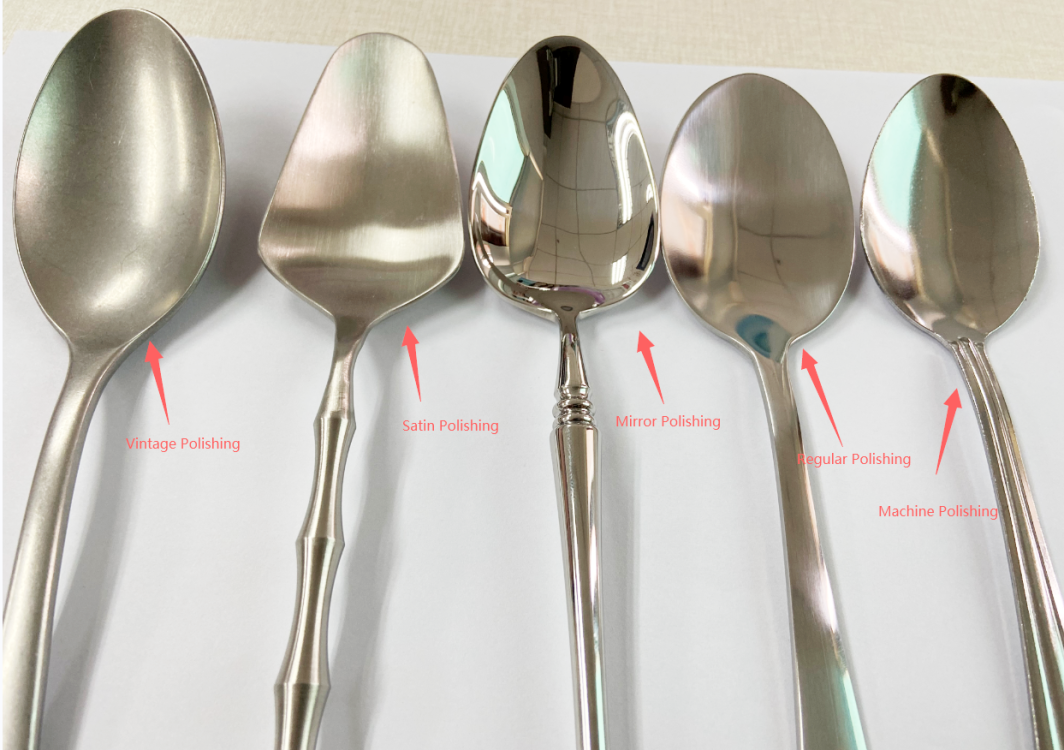
In the cutlery world, we deal with these three categories, but their applications vary greatly. Understanding them helps you specify exactly what you need for your product line.
### A Breakdown of Polishing Methods
* **[Mechanical Polishing](https://en.wikipedia.org/wiki/Polishing_(metalworking)):** This is the most common method for cutlery and includes both hand and machine polishing. It physically smooths the metal surface using abrasive materials, like polishing wheels and compounds. We start with a coarse material to remove scratches and gradually move to finer ones to create a mirror-like shine. It’s a direct, hands-on approach to achieving a specific look.
* **[Chemical Polishing](https://en.wikipedia.org/wiki/Polishing_(metalworking)):** This is a less common method for a final finish on stainless steel cutlery. It involves dipping the cutlery into a specific chemical bath that evenly removes a tiny layer of the surface material. While it can produce a bright finish, it’s often used for deburring or preparing a surface for another process rather than as the final aesthetic polish.
* **[Electropolishing](https://www.researchgate.net/figure/Electropolishing-procedures-for-stainless-steels_tbl5_284097654):** This is a high-tech, advanced process. The cutlery is submerged in an electrolyte bath and an electric current is passed through it. This removes a microscopic layer of metal, resulting in an incredibly smooth, bright, and hygienic surface.
## Which one is better, hand polishing or electro polishing?
Debating between a traditional shine and a modern finish? The wrong choice can impact your product’s appeal and durability. Let’s compare hand polishing and electropolishing to find your perfect match.
**[Hand polishing](https://en.wikipedia.org/wiki/Gemstone) provides a deep, warm, mirror-like shine through mechanical abrasion, excelling in aesthetic detail. [Electropolishing](https://www.researchgate.net/figure/Electropolishing-procedures-for-stainless-steels_tbl5_284097654) creates a brighter, smoother, more sterile surface by removing a microscopic layer, which also enhances corrosion resistance. The “better” option depends on the desired look and function.**

This is a great question that gets into the specific needs of a product line. I often discuss this with clients developing products for specialized markets, like airlines or children’s cutlery. The choice isn’t just about looks; it’s also about performance. [Hand polishing](https://en.wikipedia.org/wiki/Gemstone) is an art form that creates a classic, luxurious mirror finish. It’s what most people picture when they think of high-end silverware. On the other hand, electropolishing is a scientific process. It creates a surface that is not only shiny but also microscopically smooth. This smoothness makes it harder for bacteria to cling to, which is a huge advantage for products where hygiene is a top priority. It also enhances the natural corrosion resistance of stainless steel by removing free iron from the surface. So, for a premium wedding set, hand polishing wins on classic beauty. For airline cutlery, electropolishing wins on hygiene and durability.
## Is [machine polishing worth it](https://en.wikipedia.org/wiki/Polishing_(metalworking))?
Concerned about production costs for your cutlery line? Investing in the wrong process can hurt your bottom line. Let’s analyze if machine polishing is a cost-effective choice for your bulk orders.
**Yes, for mass production, machine polishing is absolutely worth it. It significantly reduces labor costs, shortens lead times, and guarantees a consistent quality standard across thousands of units. This protects your brand’s reputation and ensures predictable outcomes for large orders.**
From a manufacturer’s perspective, machine polishing is a game-changer for any client focused on scale. I remember working with a large distributor who needed a consistent supply for a major retail chain. Their biggest fear was quality variation from one shipment to the next. By using our automated polishing lines, we eliminated that risk. While the initial investment in machinery is high for us, the per-unit cost drops dramatically on large runs. This saving is passed on to our clients, giving them a competitive price point. Furthermore, machines don’t get tired. They produce the same quality on the 10,000th piece as they did on the first. This reliability is crucial for B2B clients who need to manage inventory and meet market demand without worrying about production delays or defects caused by human error. It directly solves the pain points of uncontrollable quality and delayed shipments.
## What Is the Difference Between Machine Mirror and [Hand Mirror Polishing](https://en.wikipedia.org/wiki/Thiers_Issard) in Bulk Production?
Can’t tell the difference between mirror finishes? This small detail can define your product’s luxury feel. We’ll show you the subtle but crucial differences for bulk orders.
**In bulk production, machine mirror polishing delivers high efficiency and a uniform shine across all pieces. Hand mirror polishing offers a deeper, more detailed gloss, especially on complex curves, but risks slight inconsistencies between units due to the human element.**
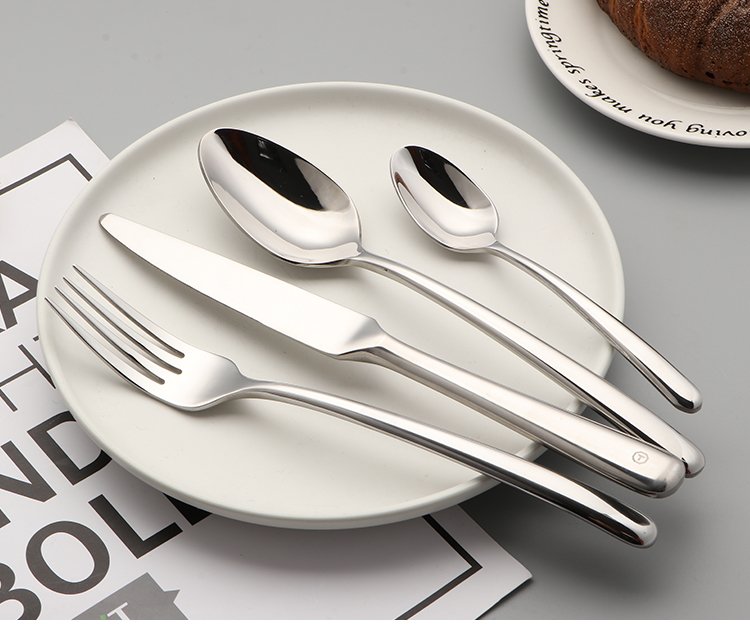
When we talk about a “mirror finish,” there are levels of quality. Both machine and hand methods can achieve it, but the result and process are different, especially at scale.
### [Machine Mirror Polishing](https://en.wikipedia.org/wiki/Polishing_(metalworking)): The Standard of Consistency
An automated polishing line runs on precise, pre-set parameters. The pressure, speed, and angle of the polishing wheels are all controlled by a machine. This ensures an extremely consistent surface finish, measured by its [Ra (Roughness average) value](https://en.wikipedia.org/wiki/Surface_roughness), across an entire production run. The main advantage is that you get a reliable, high-quality shine every single time. Its limitation, however, appears on very [complex shapes](https://en.wikipedia.org/wiki/Honing_(metalworking)). For example, the narrow space between the tines of a fork can be a “dead spot” where the polishing wheel can’t reach perfectly, potentially leaving it slightly less brilliant than the rest of the piece.
### Hand Mirror Polishing: The Art of Perfection
Hand polishing is all about the skill of the technician. A master polisher can feel the cutlery and adjust their pressure and angle in real-time to bring out a flawless, deep shine on every part of the piece, including those tricky spots. The finish often has a warmth and depth that is hard to replicate with a machine. The challenge in bulk production is the “human element.” One worker’s technique might be slightly different from another’s. A worker might be more tired at the end of their shift, leading to tiny variations. For a luxury brand, this level of detail is worth the cost and extra quality control, but for [mass-market products](https://en.wikipedia.org/wiki/Ka-Bar), the consistency of a machine is often preferred.
## Conclusion
Choosing between hand and machine polishing depends on your priorities: consistency and speed versus intricate detail. Understanding these differences ensures you get the perfect finish for your brand’s needs.