Struggling with product returns due to hidden residue on your “clean” cutlery? This unseen grease can cause compliance failures and damage your brand. You need a reliable verification method.
To truly verify if polishing paste is 100% removed, you must go beyond visual checks. The most effective method is the “[Water Break Test](https://en.wikipedia.org/wiki/MythBusters_(2007_season)).” If water sheets evenly across the surface without beading or separating, it proves all oily residue is gone, ensuring compliance with tests like LFGB.
It’s a common headache for importers. You receive a shipment of beautifully polished cutlery, and everything looks perfect. But then, you get a notice that your products failed a food-grade safety test, like the LFGB n-hexane extraction test. The problem isn’t the steel; it’s the invisible layer of [polishing wax](https://en.wikipedia.org/wiki/Abrasive) that wasn’t properly removed. This can lead to costly returns, stock destruction, and a serious blow to your reputation. As a manufacturer, I’ve seen this happen to businesses that trusted a simple visual inspection. You need a better way to protect your investment and ensure your products are truly clean and safe for the end-user. Let’s explore how we ensure this critical step is done right.
## How to get a perfect mirror shine?
Want a flawless mirror shine on your cutlery but end up with hazy or scratched products? This inconsistency can make your entire product line look cheap and unprofessional.
Achieving a perfect mirror shine involves a multi-step process. It starts with coarse grinding to remove surface defects, followed by progressively finer abrasives, and ends with a final buffing stage using a high-quality [polishing compound](https://en.wikipedia.org/wiki/Polishing_(metalworking)) on a soft wheel. Each step must be done correctly.
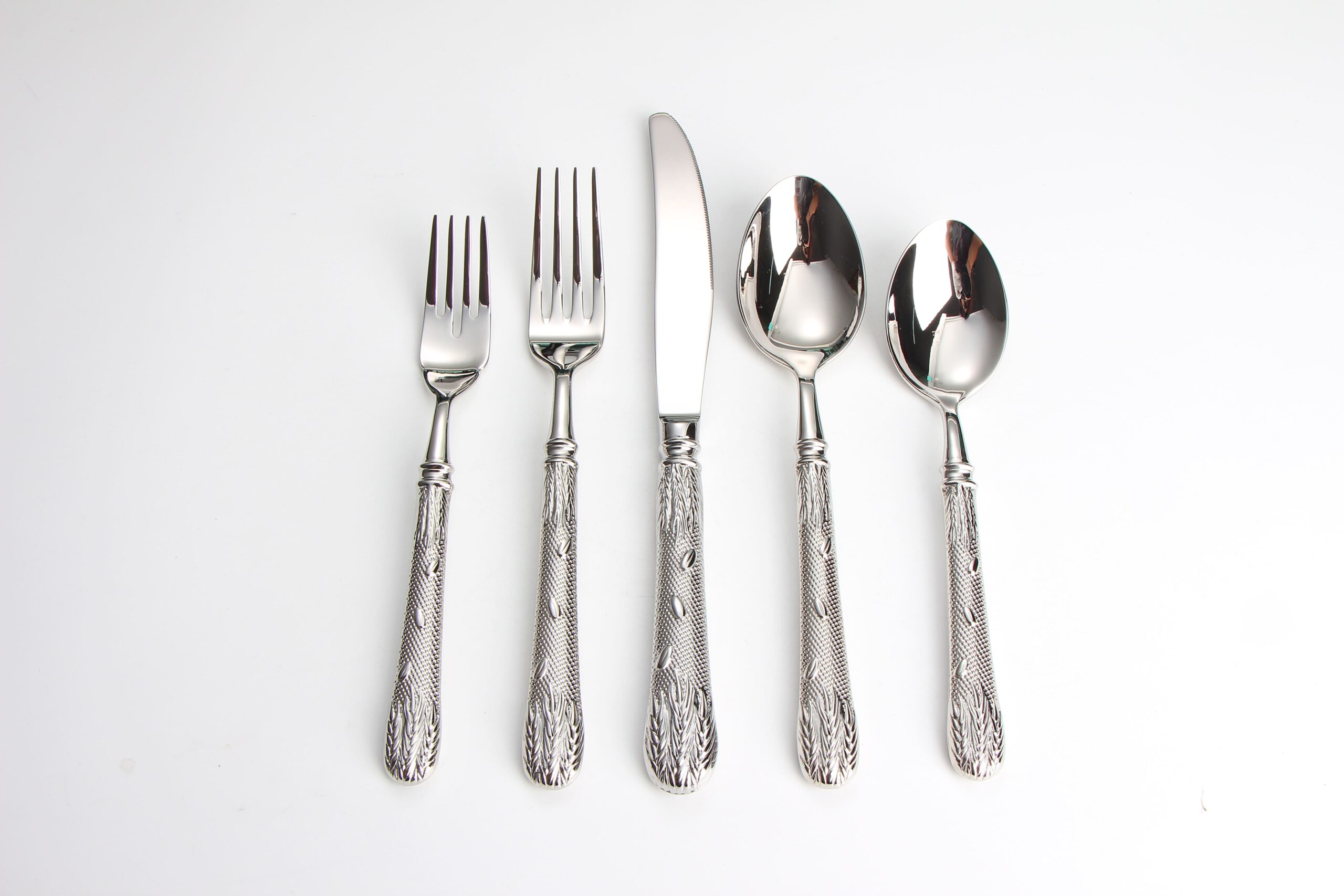
Achieving that deep, flawless mirror finish is both an art and a science, especially in mass production. It’s not just about rubbing the metal until it’s shiny. The process is meticulous and builds upon itself. Think of it like sanding wood; you can’t just jump to the finest grit sandpaper.
First, we start with a rougher polishing stage. This is where we remove the initial surface imperfections, like small scratches or marks from the stamping process. We use harder wheels and more abrasive compounds here. If this step is rushed, those deeper flaws will remain visible at the end.
Next, we move to the intermediate polishing stages. We switch to softer wheels and finer polishing pastes. The goal here is to smooth out the marks left by the first stage. This is a critical transition. We might go through two or three different levels of fineness.
Finally, we have the finishing stage, or what we call “[color buffing](https://en.wikipedia.org/wiki/Polishing_(metalworking)).” This is done with the softest cotton wheels and a very fine, almost oily, [polishing compound](https://en.wikipedia.org/wiki/Polishing_(metalworking)). This step doesn’t remove metal; it just flows the surface to create that perfect, liquid-like reflective shine. Each stage requires the right combination of wheel speed, pressure, and compound to get it right.
## Understanding Mirror Polishing Grades: How to Ensure Consistent Shine Across 100,000 Pieces?
Worried that the shine on your 100,000-piece order won’t be consistent? Variations in polish quality can lead to customer complaints and devalue your brand’s image.
Ensuring consistent shine across a large order relies on automated polishing and strict quality control. While machines are programmed for uniformity, 100% identical results are unrealistic. We use industry-standard [AQL](https://en.wikipedia.org/wiki/Acceptance_sampling) (Acceptable Quality Limit) levels, like 2.5 to 4.0, to inspect and approve batches.
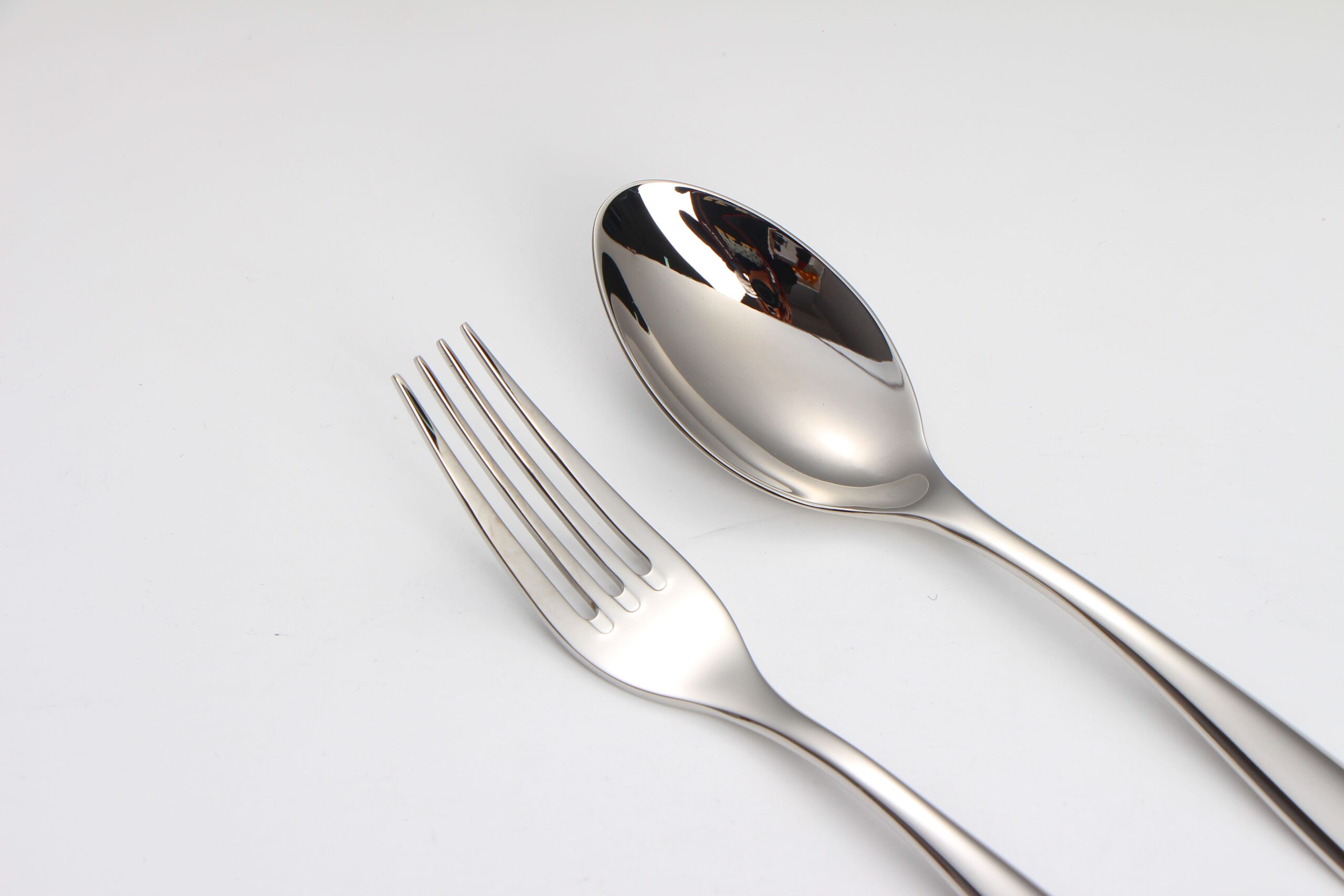
When you’re dealing with a massive order of, say, 100,000 forks, promising that every single one will have the exact same mirror finish is just not practical. This is a reality of mass manufacturing that many buyers don’t immediately grasp. Even with the best automated polishing machines, small variables can creep in. The polishing wheels wear down over time, the compound distribution might vary slightly, or the machine’s pressure might have micro-fluctuations. These tiny changes can create subtle differences in the final shine.
So, how do we manage this and deliver a product that meets your expectations? We rely on a statistical quality control system called [AQL](https://en.wikipedia.org/wiki/Acceptance_sampling), or Acceptable Quality Limit. Instead of inspecting every single piece, which would be incredibly time-consuming and expensive, we inspect a random sample from the production batch.
Here’s a simplified table of how it works:
| Quality Aspect | [AQL](https://en.wikipedia.org/wiki/Acceptance_sampling) Level | What It Means |
| :— | :— | :— |
| **Critical Defects** | 0 | (e.g., sharp edges) – Not allowed at all. 100% inspection. |
| **Major Defects** | 2.5 | (e.g., noticeable scratches, dull spots) – A small percentage is acceptable. |
| **Minor Defects** | 4.0 | (e.g., tiny imperfections, slight haze) – A slightly larger percentage is acceptable. |
By agreeing on an [AQL](https://en.wikipedia.org/wiki/Acceptance_sampling) level before production, like [AQL](https://en.wikipedia.org/wiki/Acceptance_sampling) 2.5/4.0, you know exactly what level of quality to expect. It’s a transparent and standardized way to ensure the entire batch meets a consistent, high-quality standard without chasing the impossible goal of 100% perfection.
## How to Distinguish Between Hand Polishing and Machine Polishing in Mass Production?
Can’t tell if your supplier is using hand or machine polishing? The method used affects cost, consistency, and quality, and you need to know what you’re paying for.
Look at the consistency and fine details. Machine polishing produces a highly uniform finish across the entire batch, while hand polishing often shows slight variations and can better polish intricate areas. Machine-polished items will look nearly identical, while hand-polished ones may have subtle, unique characteristics.
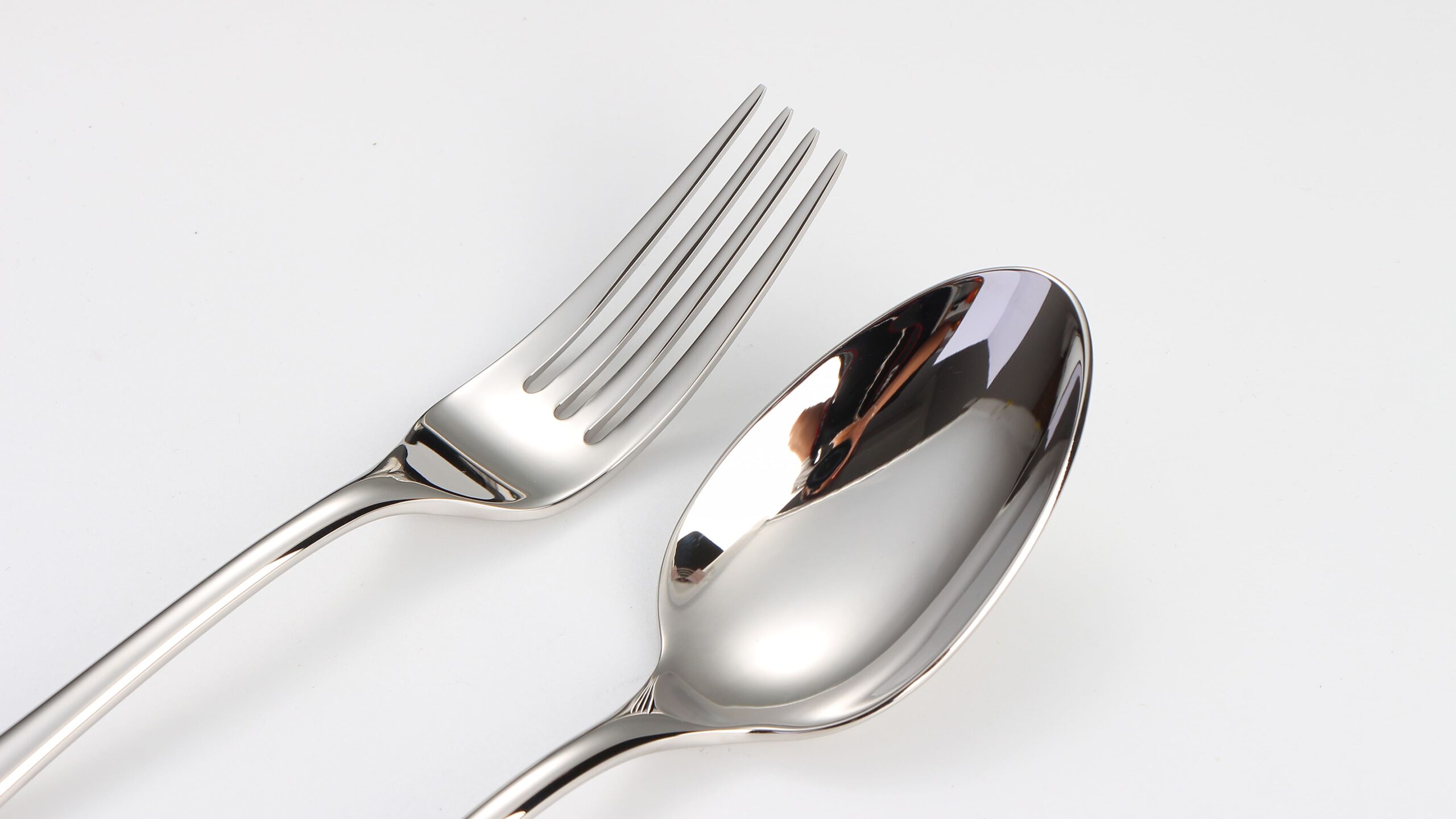
From my experience in the factory, telling the difference between hand and machine polishing on a finished product requires a trained eye. When you’re looking at thousands of pieces, the key is to look for patterns and consistency.
Machine polishing, especially with modern robotic arms or automated lines, is all about uniformity.
* **Uniformity:** The shine and texture will be incredibly consistent from piece to piece. If you lay ten forks next to each other, they will look like clones.
* **Directional Lines:** Under magnification, you might see very fine, consistent polishing lines all going in the same direction.
* **Edges and Curves:** Machines can sometimes struggle to apply even pressure on complex curves or sharp inside corners. You might see a slightly less perfect finish in these hard-to-reach areas compared to the flat surfaces.
Hand polishing is more of an art form, and it shows.
* **Slight Variations:** Even the most skilled worker can’t replicate their movements perfectly every single time. You’ll find minor differences in the shine and finish from one piece to the next.
* **Softer, Deeper Shine:** A skilled hand polisher can produce a slightly “warmer” or deeper shine because they can feel the metal and adjust pressure intuitively.
* **Excellent on Intricate Parts:** Hand polishing excels at reaching difficult spots, like between the tines of a fork or in the detailed patterns of a handle. The finish in these areas is often superior to what a machine can do.
In mass production, most high-quality cutlery uses a combination of both. Machines do the heavy lifting on the large, flat surfaces for efficiency, and then skilled workers finish the intricate parts by hand to ensure a perfect overall product.
## What are the three types of polishing?
Confused by terms like “buffing,” “grinding,” and “polishing”? Understanding the different types helps you specify your exact product requirements and avoid miscommunication with your factory.
The three main types of polishing are mechanical, chemical, and [electropolishing](https://en.wikipedia.org/wiki/Polishing_(metalworking)). Mechanical uses friction with abrasives, chemical uses a solution to smooth the surface, and [electropolishing](https://en.wikipedia.org/wiki/Polishing_(metalworking)) uses an electrochemical process for a microscopic-level shine. In cutlery, mechanical polishing is the most common method.
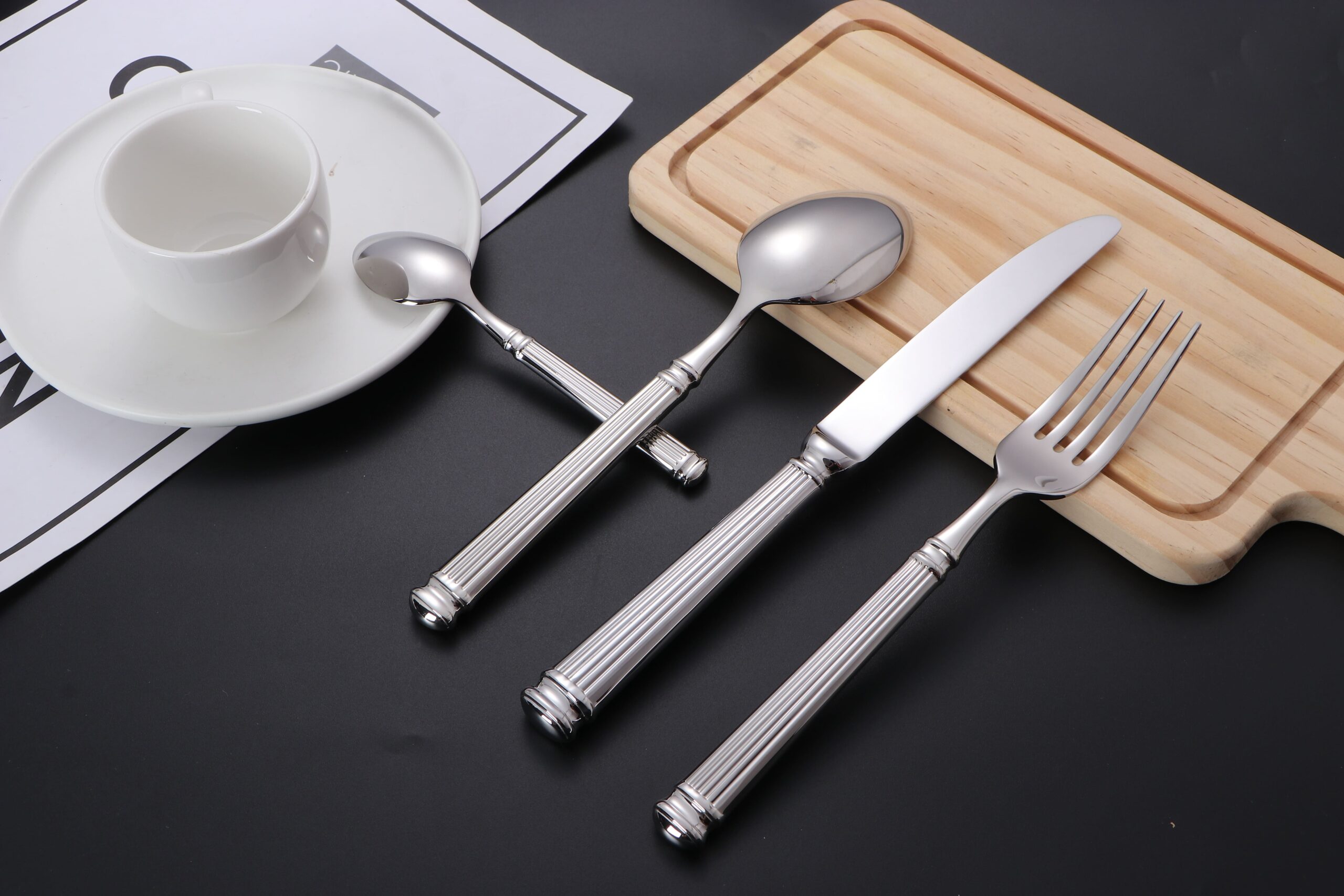
When we talk about polishing stainless steel cutlery, we are almost always talking about [mechanical polishing](https://en.wikipedia.org/wiki/Polishing_(metalworking)). However, it’s good to know the other types exist as they are used in different industries and for different effects. Let’s break down the three main categories in a simple way.
### 1. Mechanical Polishing
This is the workhorse of our industry. It’s a physical process that uses friction to smooth a surface. We use wheels made of materials like cotton, sisal, or felt, and apply abrasive compounds (polishing pastes) to them. The spinning wheel then rubs against the cutlery, physically grinding and buffing the surface until it’s smooth and reflective. This process is broken down into multiple steps, from coarse grinding to fine buffing, to achieve a mirror finish. It’s controllable, cost-effective for mass production, and what creates the beautiful shine you see on most flatware.
### 2. Chemical Polishing
This method doesn’t use any friction. Instead, the metal part is dipped into a chemical bath. This solution reacts with the surface of the metal, preferentially dissolving the microscopic high spots faster than the low spots. This action levels the surface, making it smoother and more reflective. Chemical polishing is great for small, complex parts where mechanical wheels can’t reach, but it can be less effective at removing larger surface defects and involves handling hazardous chemicals.
### 3. Electropolishing
This is like [chemical polishing](https://en.wikipedia.org/wiki/Conservation_and_restoration_of_silver_objects) but with a boost from electricity. The cutlery piece acts as the anode (positive electrode) and is submerged in an electrolyte bath. When an electric current is passed through it, metal is dissolved from the surface. Just like in [chemical polishing](https://en.wikipedia.org/wiki/Conservation_and_restoration_of_silver_objects), the process removes material from the microscopic peaks faster than the valleys. This results in an incredibly smooth, clean, and often highly corrosion-resistant surface. It’s common for medical instruments because the ultra-smooth surface is easy to sterilize, but it’s generally too expensive for everyday cutlery.
## Is machine polishing better than hand polishing?
You’re trying to decide on the best polishing method for your cutlery line. Is the consistency of machines better, or does the touch of hand polishing yield a superior product?
Neither is universally “better”; it depends on your priorities. Machine polishing is superior for consistency, speed, and lower cost in mass production. Hand polishing offers a potentially higher quality finish and is better for intricate designs, but it is slower and more expensive.
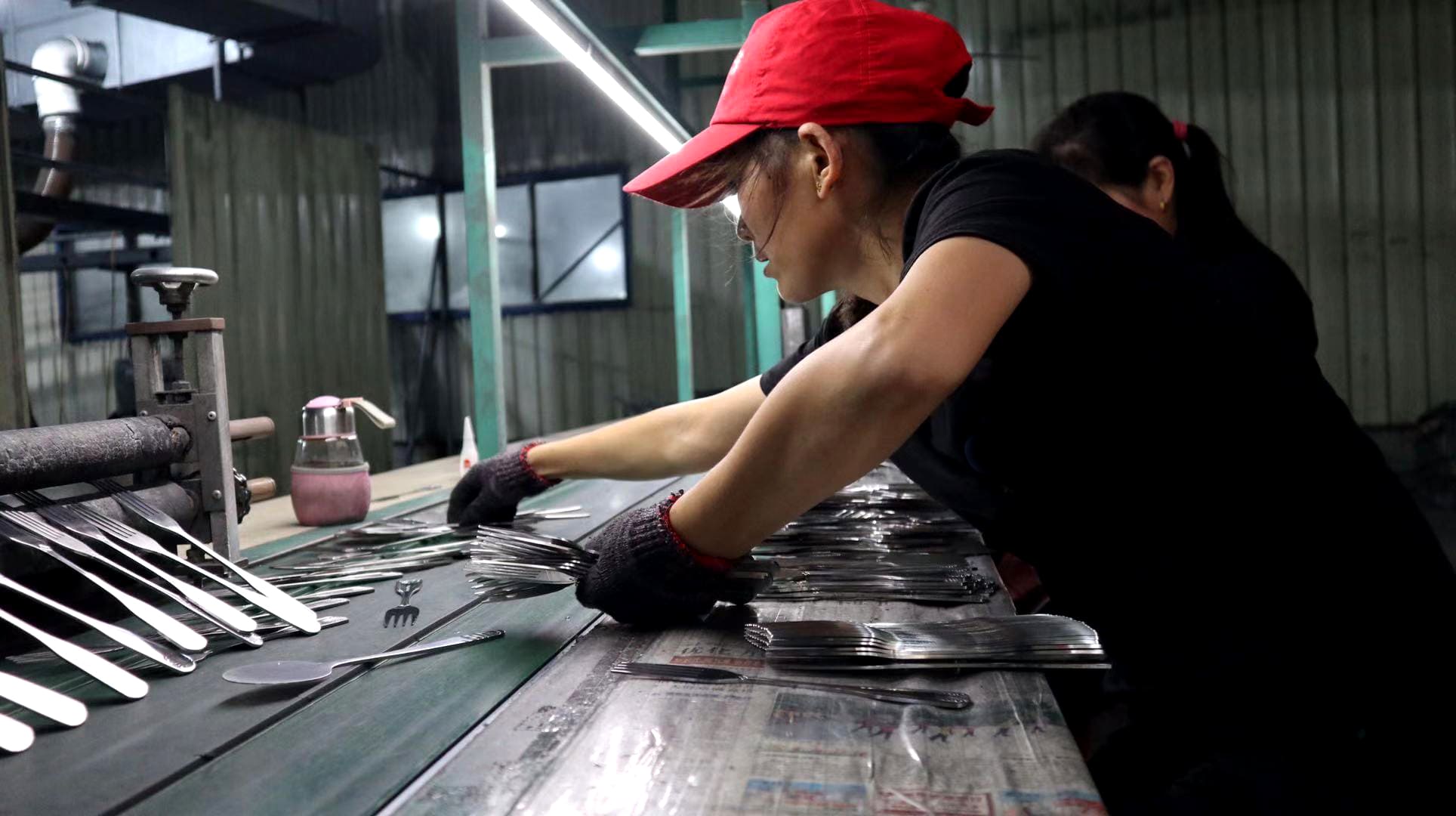
As someone who manages both processes, the question of which is “better” comes up a lot. The real answer is that they serve different purposes, and the best choice depends entirely on the product and the brand’s goals. For most of my B2B clients who need large volumes for retail, a combination approach guided by machine efficiency is usually the winner.
Let’s compare them directly:
| Feature | Machine Polishing | Hand Polishing |
| :— | :— | :— |
| **Consistency** | **Excellent.** Every piece is nearly identical. Ideal for large, uniform orders. | **Variable.** Depends on the skill of the individual worker. Can have slight differences between pieces. |
| **Speed** | **Very Fast.** Automated lines can polish thousands of pieces per day. | **Slow.** A skilled worker can only do a limited number of pieces per hour. |
| **Cost** | **Lower** per piece for large volumes due to efficiency and lower labor costs. | **Higher** per piece due to the intensive, skilled labor required. |
| **Quality on Flat Surfaces** | **Very Good.** Creates a consistent and high-quality shine on spoons, knife blades, etc. | **Good,** but can be less uniform than a machine over a large flat area. |
| **Quality on Intricate Areas** | **Good,** but can struggle with tight corners or deep grooves between fork tines. | **Excellent.** A human hand can manipulate the piece to perfectly polish complex shapes and details. |
| **Best For** | Mass-market cutlery, large wholesale orders, products where consistency is key. | High-end, luxury cutlery, items with detailed patterns, small-batch premium products. |
In our factory, the ideal process for a high-quality product involves both. We use automated machines for the initial, heavy polishing on the main surfaces of the fork or spoon. This gives us speed and consistency. Then, we have a team of skilled workers who perform a final hand polish, focusing on the edges, the neck, and the areas between the tines. This hybrid approach gives our clients the best of both worlds: the efficiency and consistency of machines with the fine touch and attention to detail of hand craftsmanship.
## What are common polishing mistakes?
Your samples look great, but the final production run has issues like cloudy spots or scratches. What went wrong? Understanding common polishing mistakes can help you prevent them.
Common mistakes include using the wrong compound, applying inconsistent pressure, over-polishing which can round edges, or not cleaning properly between stages. These errors lead to a hazy finish, visible scratches, or a non-uniform appearance, ultimately compromising the product’s quality and value.
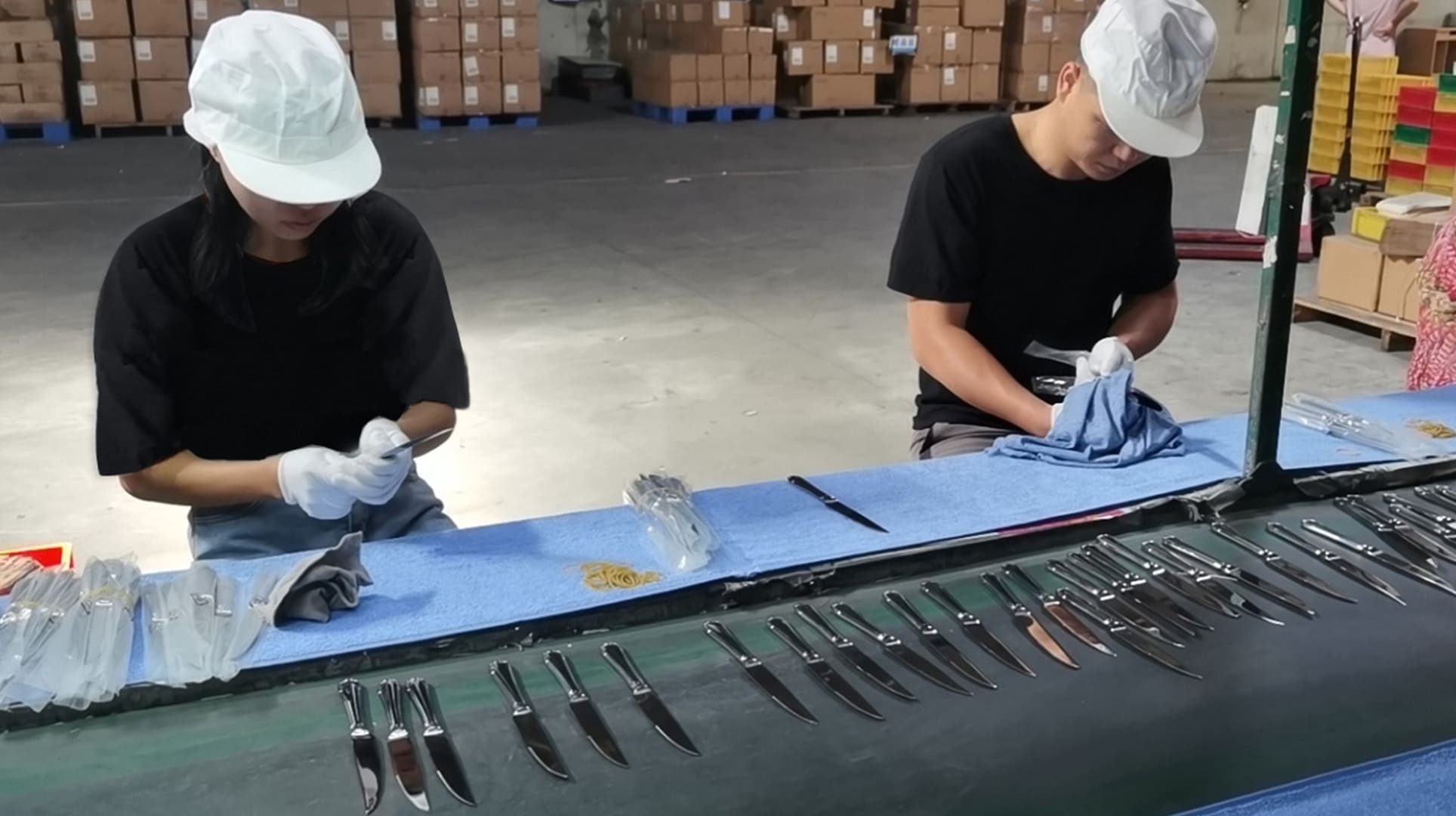
Seeing a beautiful design ruined by poor polishing is frustrating. It’s a critical final step, and small errors can have a big impact. I’ve seen them all over the years. Here are the most common mistakes we train our teams to avoid, and what you should look out for during an inspection.
### 1. Inadequate Cleaning Between Stages
This is a huge one. As I mentioned, polishing is a multi-step process going from coarse to fine. If the coarse abrasive compound from stage one isn’t 100% cleaned off before starting stage two, you’re essentially dragging larger, rougher particles across a surface you’re trying to refine. This creates fine scratches and swirl marks that are impossible to buff out at the final stage. It results in a finish that lacks clarity and depth.
### 2. Inconsistent Pressure and Speed
Whether it’s a machine or a person, applying uneven pressure is a problem. Too much pressure can generate excessive heat, which can discolor the stainless steel or even warp the piece slightly. It can also “over-polish” and round off sharp, crisp design lines. Too little pressure, on the other hand, won’t effectively smooth the surface, leaving dull spots or an “orange peel” texture. The speed of the polishing wheel must also be matched to the compound and the specific metal.
### 3. Using the Wrong Polishing Compound or Wheel
There is a specific science to matching the polishing wheel (sisal, cotton, felt) and the compound (different colors for different grits) to the job at hand. Using a finishing compound at the beginning won’t be abrasive enough to remove surface defects. Using a coarse wheel for the final buff will leave a scratched, unfinished look. It’s a system, and every component has to be right. This is where operator experience and strict process control are vital.
## What are the different types of polishing machines?
You hear your supplier talk about their polishing machines, but you’re not sure what they are. Knowing the machinery helps you understand their capabilities, capacity, and quality potential.
The main types are automatic flatware polishing lines, which handle entire pieces; rotary polishing machines, for round or complex items; and bench grinders with polishing wheels, used for manual touch-ups and detailed work. Each is designed for a specific task to maximize efficiency and quality.
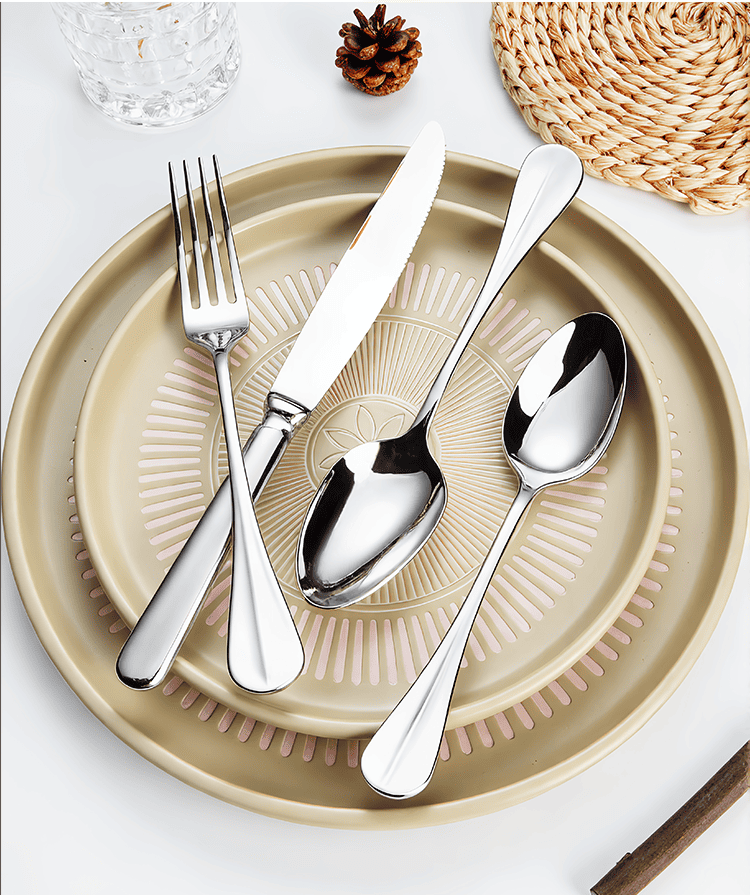
When you walk through a modern cutlery factory like ours, you won’t see everyone polishing by hand. The machinery is the heart of the operation. Understanding the different types helps you appreciate the scale and precision involved in making tens of thousands of perfectly polished pieces.
### 1. Automatic Cutlery Polishing Lines
This is the main workhorse for mass-producing items like spoons and forks. It’s a long machine with multiple polishing stations. The cutlery pieces are mounted on a conveyor system that carries them from one station to the next. Each station has polishing wheels set at different angles and with different compounds, moving from coarse to fine.
* **Station 1-2:** Might use a coarse sisal wheel for initial grinding.
* **Station 3-4:** Moves to a harder cotton wheel for smoothing.
* **Station 5-6:** Finishes with a soft cotton wheel for the final mirror buff.
These machines are fantastic for producing a high volume of consistent, high-quality finishes on the main surfaces of the cutlery.
### 2. Rotary Polishing Machines
These are not as common for flatware but are essential for items with more complex, non-flat shapes. Imagine a carousel-like setup where the parts are mounted and rotate while polishing wheels work on them from various angles. These are more versatile than a straight-line system and can be adapted for different products. We might use them for things like napkin rings or the handles of hollow-handle knives.
### 3. Bench Grinders / Manual Polishing Stations
Even in the most automated factory, you will always find these. A bench grinder is a simple motor that spins one or two polishing wheels. A skilled worker takes a piece of cutlery and manually presses it against the wheel. We use these for several key tasks:
* **Polishing intricate areas** that the automatic lines can’t reach perfectly, like between fork tines.
* **Fixing minor defects** caught during quality control.
* **Polishing samples** or very small production runs.
This manual station is where craftsmanship meets production, ensuring every detail is perfect.
## Conclusion
In short, verifying complete polish removal with a Water Break Test and using AQL standards for shine consistency are key to ensuring high-quality, compliant cutlery for your brand.