You’ve probably noticed that airline cutlery looks different from what you use at home. Many procurement officers struggle to find manufacturers who understand the unique requirements of airline cutlery. The problem gets worse when you need thousands of pieces that meet strict aviation standards. This creates delays, cost overruns, and compliance headaches.
**Customizing airline cutlery requires a systematic approach that balances weight restrictions, safety standards, stackability requirements, and brand identity. The process involves five key stages: initial design consultation, 3D modeling and prototyping, material selection and testing, compliance certification, and scaled production with quality control.**
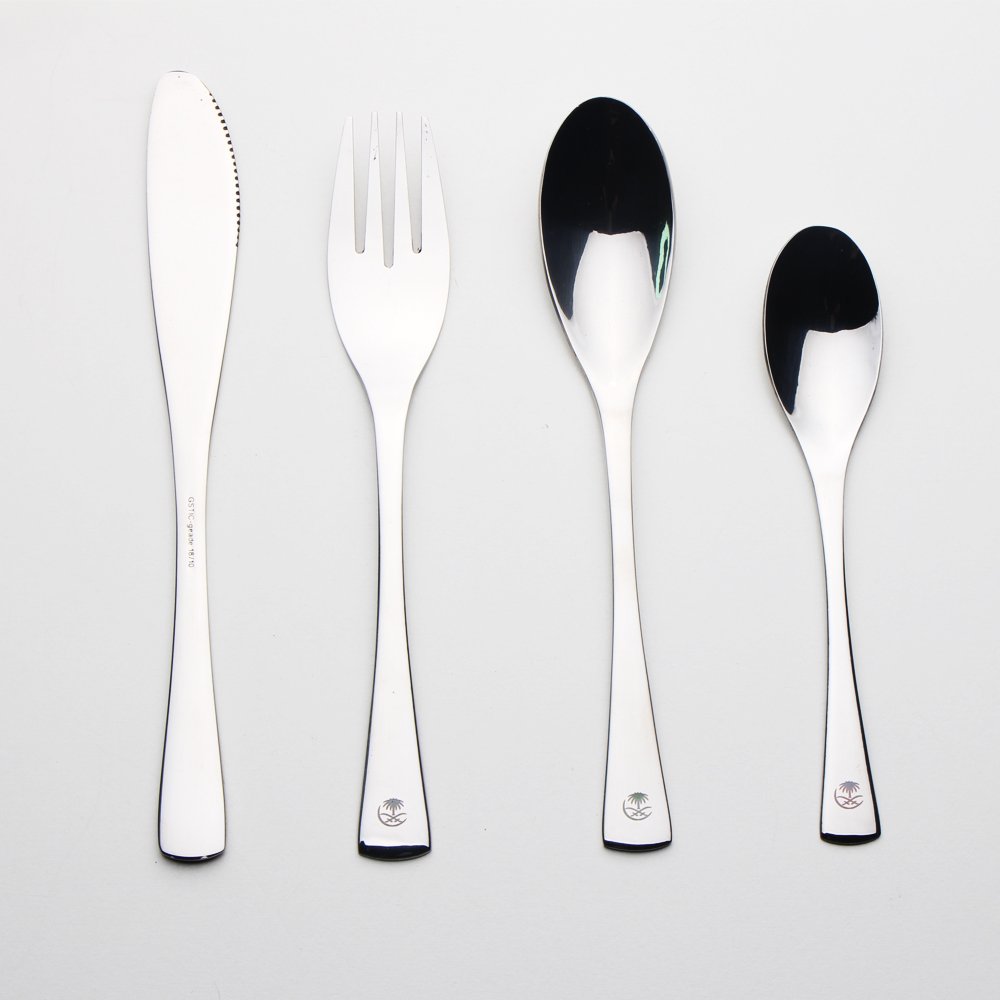
We’ve helped over 1000 brands develop their custom airline cutlery over the past 13 years. I want to share our complete process with you. This guide will walk you through each stage so you can avoid common mistakes and get exactly what you need.
## What Makes Airline Cutlery Different from Regular Cutlery?
You might think cutlery is just cutlery. But airline cutlery operates under completely different rules. Every gram matters when you’re flying at 35,000 feet. [Airlines calculate fuel costs based on total aircraft weight.](https://en.wikipedia.org/wiki/Fuel_economy_in_aircraft)[^1] This means your cutlery directly impacts operational expenses.
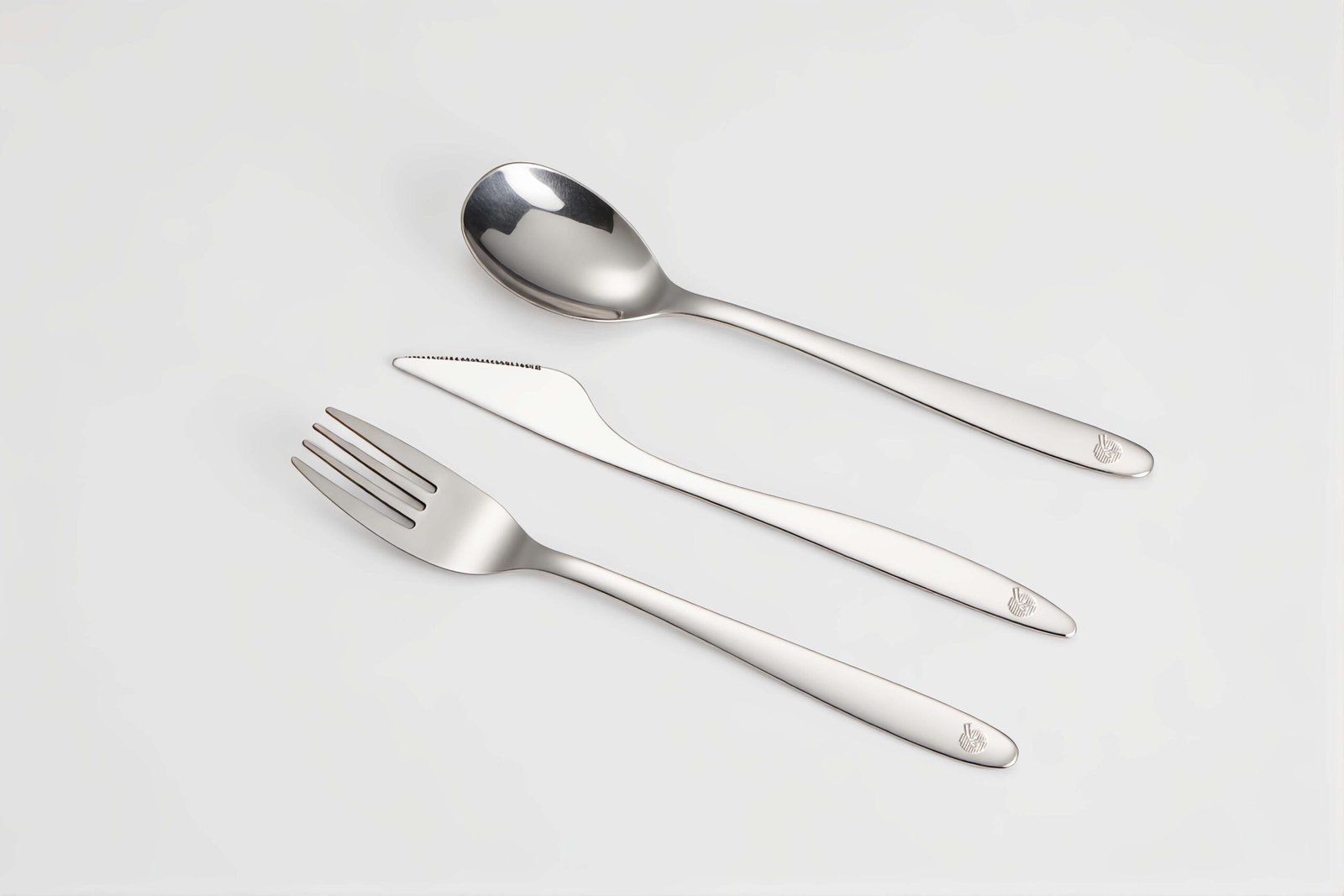
**[Airline cutlery must be 30-50% lighter than standard cutlery](https://downloads.regulations.gov/DOT-OST-2012-0058-0114/attachment_1.pdf)[^2] while maintaining strength and durability. It needs to fit precisely into standardized meal trolleys, [pass rigorous safety tests](https://www.tsa.gov/travel/security-screening/whatcanibring/all)[^3], [withstand thousands of industrial wash cycles](https://sola-cutlery.com/railway/wp-content/uploads/sites/5/2024/12/Sola-Airline-catalogue-2024.pdf)[^4], and reflect the airline’s brand identity through custom design elements.**

We once worked with a European airline that switched from standard stainless steel to our optimized design. They saved 2.3 kg per flight. That sounds small until you multiply it by thousands of flights per year. The fuel savings paid for the entire custom cutlery project within eight months.
### Understanding the Technical Barriers
The weight restriction creates the first challenge. Standard [18/10 stainless steel cutlery weighs too much for most airlines](https://en.wikipedia.org/wiki/Stainless_steel)[^5]. You need to reduce thickness without creating weak points. [We use advanced CAD analysis to identify stress points.](https://www.autodesk.com/solutions/simulation/finite-element-analysis)[^6] Then we adjust the design to maintain strength where it matters most.
Space efficiency comes next. Airline meal trolleys have fixed dimensions. Your cutlery must stack perfectly. A difference of just 2mm can mean the trolley won’t close properly. We’ve seen procurement teams reject entire batches because the stacking height exceeded specifications by a few millimeters.
| Technical Requirement | Standard Cutlery | Airline Cutlery | Impact |
|———————-|——————|—————–|———|
| Weight per piece | 45-60g | 20-35g | Fuel cost reduction |
| Stacking height (100 pieces) | 85-95mm | 65-75mm | Trolley space optimization |
| Wash cycle durability | 500-1000 cycles | 3000-5000 cycles | Replacement cost savings |
| Drop test requirement | Not required | Must pass from 1.5m | Safety compliance |
Safety standards differ from country to country. Some airlines fly to dozens of destinations. Your cutlery might need [FDA approval for US routes, LFGB certification for Germany, and DGCCRF compliance for France](https://www.fda.gov/food/packaging-food-contact-substances-fcs/determining-regulatory-status-components-food-contact-material)[^7]. We maintain all three certifications at our factory. This saves you months of waiting and thousands in testing fees.
The brand identity aspect often gets overlooked until late in the project. Airlines want passengers to remember their brand. The cutlery design should match the airline’s visual identity system. We’ve created everything from minimalist Nordic designs to ornate patterns for luxury carriers.
## How Do You Start the Initial Design Consultation?
The design consultation sets the foundation for everything that follows. I’ve seen projects fail because teams skipped this step or rushed through it. You need to gather specific information before any designer touches a computer. This isn’t about pretty pictures. It’s about understanding real constraints and requirements.
**A successful design consultation captures your exact specifications including weight targets, dimensional requirements, material preferences, safety certifications needed, branding guidelines, budget constraints, production timeline, and minimum order quantities. This information guides every decision in the following stages.**
I always start by asking about the complete service scenario. Which routes will use this cutlery? What type of meals will be served? Will passengers use these on tray tables or in premium lounges? These questions reveal hidden requirements. A short-haul economy service needs different cutlery than a long-haul first-class experience.
### Defining Your Weight and Size Parameters
The weight target affects everything else. You need a realistic number based on your aircraft type and cost structure. We help clients calculate their potential fuel savings. This turns the cutlery from a cost center into an investment. One of our Asian airline clients saved $1.2 million annually by reducing cutlery weight by 18 grams per set across their fleet.
You also need exact measurements for your meal trolleys. We ask for technical drawings or physical samples. Sometimes the client doesn’t have this information. Then we work with their catering supplier to get the specifications. The stacking requirement usually determines the maximum handle thickness and bowl depth.
### Establishing Material and Finish Requirements
Material selection balances multiple factors. Stainless steel remains the most popular choice. We typically recommend [18/0 or 18/8 grades for airline use. These offer good strength-to-weight ratios.](https://en.wikipedia.org/wiki/Austenitic_stainless_steel)[^8] Some airlines prefer bamboo fiber composites for short-haul flights. These weigh even less but have different durability characteristics.
The surface finish impacts both aesthetics and maintenance. Mirror polish looks elegant but shows scratches more easily. Satin finish hides minor wear better. We’ve developed several custom finishes specifically for airline environments. Our matte pearl finish maintains its appearance even after 5000 wash cycles.
| Material Option | Weight | Durability | Cost | Best Use Case |
|—————-|——–|————|——|—————|
| 18/10 Stainless Steel | High | Excellent | High | First class, long-term use |
| 18/0 Stainless Steel | Medium | Very good | Medium | Economy class, frequent routes |
| Bamboo Fiber Composite | Low | Good | Low | Short-haul, eco-focused airlines |
| Aluminum Alloy | Very low | Good | Medium | Weight-critical applications |
Brand integration happens during this consultation phase. We review the airline’s brand guidelines. Color schemes, logo placement rules, and design language all factor into the initial concept. Some airlines want subtle branding. Others want bold logo placement. We’ve created cutlery with laser-etched logos, colored enamel inlays, and custom handle shapes that echo the airline’s visual identity.
## What Happens During 3D Modeling and Prototyping?
The 3D modeling stage transforms your requirements into tangible designs. This is where technical specifications meet creative vision. We use industrial CAD software to create precise models. Every dimension gets verified against your specifications. This digital phase prevents expensive mistakes during production.
**3D modeling creates detailed virtual prototypes that allow for stress analysis, weight optimization, stacking simulations, and ergonomic testing before any physical prototype exists. We typically generate 3-5 design variations, run finite element analysis to identify weak points, and adjust the design until it meets all technical requirements.**
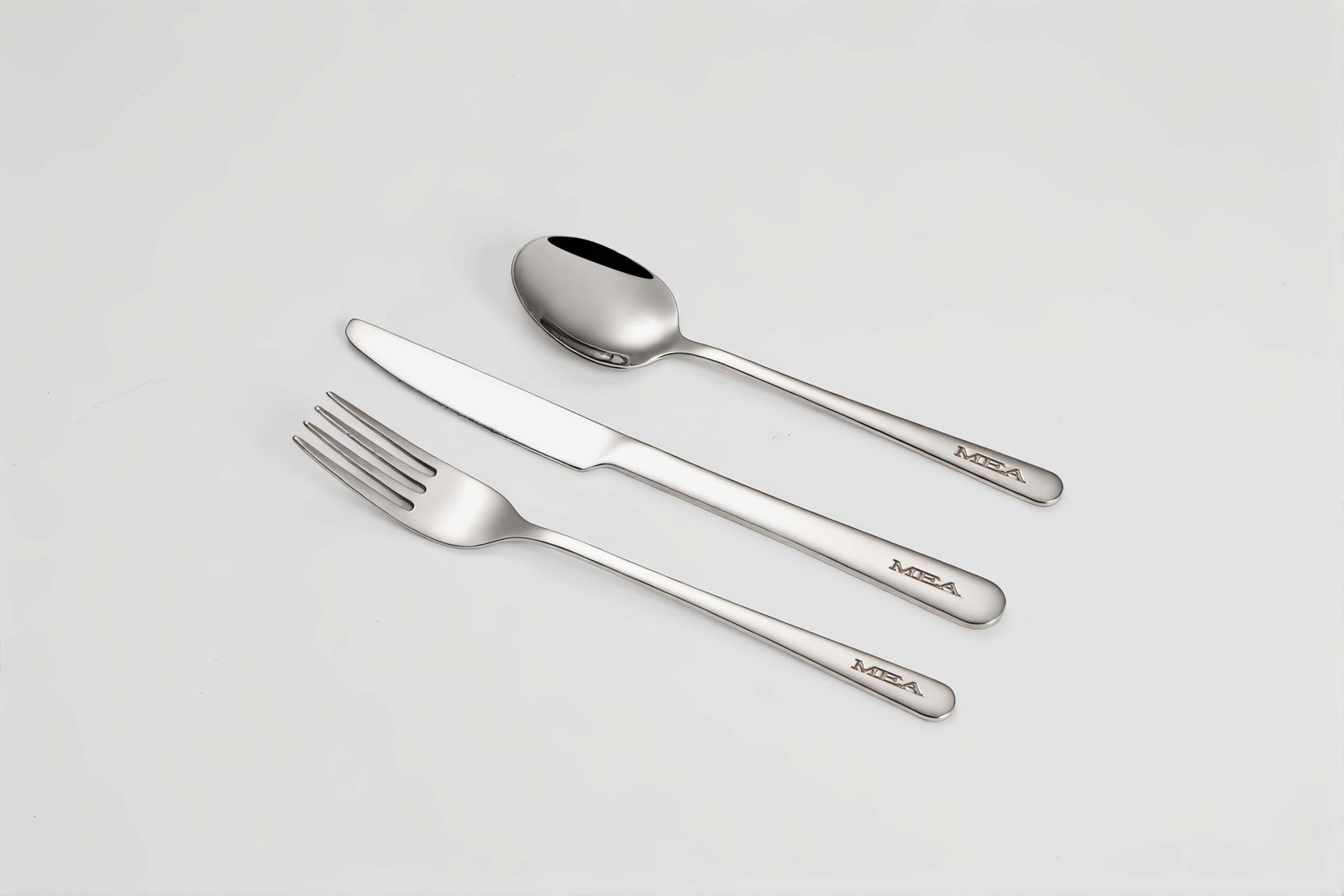
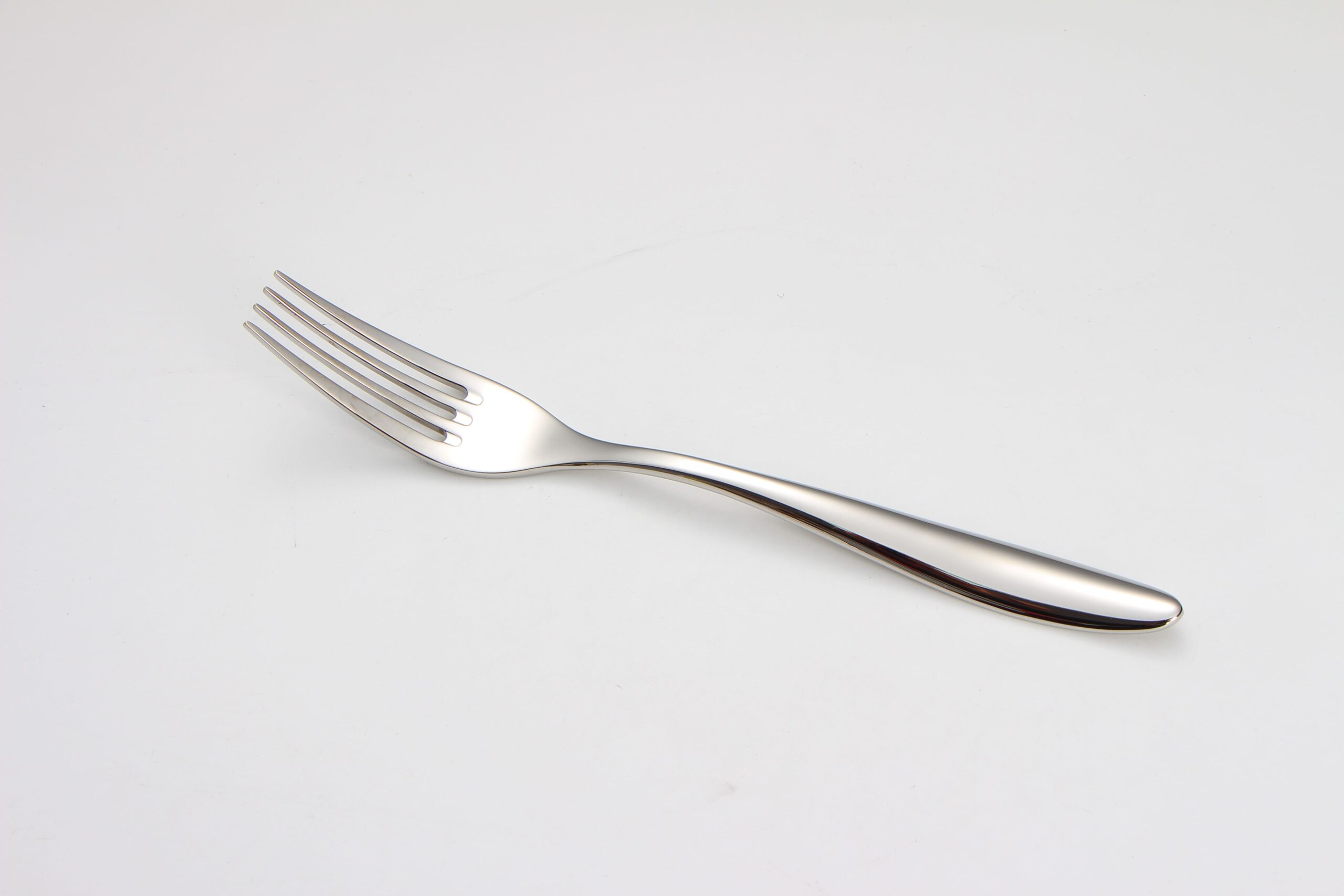
I remember working with a Middle Eastern airline that wanted an extremely thin fork design. The initial 3D model looked perfect. But our stress analysis showed the tines would bend under normal use. We adjusted the tine thickness by 0.3mm and added subtle reinforcement ribs. The final design passed all strength tests while maintaining the sleek appearance the client wanted.
### Creating the Digital Design Variations
We start by modeling your preferred design in full detail. The software calculates the exact weight based on material density and volume. This gives us immediate feedback on whether we’re hitting your weight target. If not, we adjust wall thickness, handle shape, or other parameters.
The design variations explore different approaches to your requirements. Maybe one version prioritizes weight savings. Another focuses on durability. A third emphasizes brand visibility. We present these options with technical data for each. This helps you make informed decisions rather than choosing based on appearance alone.
Virtual stacking tests happen entirely in software. We create digital models of your meal trolley. Then we simulate stacking hundreds of pieces. The software shows us if they nest properly. It identifies interference points where handles might catch or where the stack becomes unstable. We fix these issues before building physical prototypes.
### Producing Physical Prototypes for Testing
Digital models can’t replace physical testing. We produce initial prototypes using 3D printing or rapid tooling methods. These prototypes let you hold the cutlery, test the ergonomics, and verify the size relationships. We typically produce 20-50 prototype pieces for comprehensive testing.
The prototype testing phase reveals issues that don’t show up in computer simulations. We conduct drop tests, bend tests, and wash cycle tests. One airline client discovered their fork tines were too flexible during prototype testing. We increased the tine thickness by 0.5mm. The final production run had zero complaints about durability.
| Prototype Testing Type | Purpose | Pass Criteria | Typical Iterations |
|————————|———|—————|——————-|
| Drop Test | Safety compliance | No sharp edges after 1.5m drop | 1-2 |
| Bend Test | Structural integrity | Returns to shape after 45° bend | 2-3 |
| Stacking Test | Space efficiency | 100 pieces fit in specified height | 1-2 |
| Wash Cycle Test | Durability | Maintains finish after 100 cycles | 2-4 |
| Ergonomic Test | User comfort | Passes user feedback survey | 1-3 |
We also test the branding elements during prototyping. Logo placement, engraving depth, and color application all get verified. Some airlines want their logo visible but subtle. Others want bold branding. We’ve learned that laser etching works better than stamping for logos smaller than 15mm. The prototype phase lets us confirm these details before committing to production tooling.
## How Do You Select Materials and Conduct Testing?
Material selection determines your cutlery’s performance characteristics. The right material balances weight, strength, cost, and compliance requirements. We’ve tested dozens of material combinations over the years. Each has specific advantages and limitations. Your operational environment determines which material works best.
**Material selection involves choosing the base alloy, determining the optimal thickness, selecting the surface treatment, verifying compliance with aviation safety standards, and conducting accelerated aging tests to predict long-term performance. We source materials only from certified suppliers who provide full material composition reports and quality certifications.**
A Southeast Asian airline once asked us to develop cutlery that could withstand tropical humidity without corrosion. We tested five different stainless steel grades. The standard 18/0 grade showed surface oxidation after 90 days in our humidity chamber. We switched to a specialized marine-grade alloy with higher chromium content. The final product showed zero corrosion after 180 days of testing.
### Choosing the Right Stainless Steel Grade
Stainless steel grades differ in their composition and properties. The numbers tell you the chromium and nickel content. 18/10 means 18% chromium and 10% nickel. Higher nickel content improves corrosion resistance but adds weight and cost. Airlines usually don’t need the extra corrosion protection of 18/10 grade.
We recommend 18/0 stainless steel for most airline applications. It offers excellent strength and adequate corrosion resistance. The weight reduction compared to 18/10 adds up across thousands of pieces. Some airlines operating in very humid environments need the extra protection of 18/8 grade. We help you calculate whether the added cost justifies the improved durability.
### Testing for Compliance and Safety Standards
Compliance testing varies by destination market. The FDA requires specific stainless steel grades for US flights. European routes need LFGB certification for Germany and DGCCRF approval for France. We maintain testing relationships with accredited laboratories in multiple countries. This speeds up the certification process significantly.
Safety testing goes beyond material composition. The cutlery must pass impact tests without creating sharp edges. It needs to withstand temperature extremes from freezer storage to hot food service. We conduct thermal shock tests where pieces go from -20°C to 100°C repeatedly. This simulates years of service in compressed timeframes.
| Testing Standard | Region | Key Requirements | Typical Timeline |
|—————–|——–|——————|——————|
| FDA Food Contact | USA | Material migration limits | 6-8 weeks |
| LFGB | Germany | Heavy metal content limits | 4-6 weeks |
| DGCCRF | France | Material composition verification | 4-6 weeks |
| BSCI | Global | Factory social compliance | Ongoing |
| Drop Test | Aviation Industry | No sharp edges after impact | 1 week |
We also test for dishwasher compatibility. [Industrial flight kitchen dishwashers use harsh detergents at high temperatures.](https://www.energystar.gov/products/commercial_dishwashers)[^9] Some materials degrade faster than others. We run 5000 wash cycle tests on prototype materials. This tells us whether the cutlery will maintain its appearance and function over its expected lifetime.
### Conducting Durability and Wash Cycle Testing
Durability testing simulates years of use in weeks. We subject prototype pieces to repeated stress cycles. Fork tines get bent hundreds of times. Knife edges face impact tests. Spoon bowls undergo pressure tests. Any failure points show up quickly. We adjust the design or material to address these weaknesses.
The wash cycle testing reveals unexpected issues. Some surface finishes that look beautiful initially deteriorate after 1000 washes. Certain logo application methods fade or peel. We’ve developed proprietary finishing processes that maintain their appearance even after 5000 industrial wash cycles. This testing saved one European airline from having to replace their entire cutlery inventory after just two years.
## What Certifications Are Needed for Airline Cutlery Production?
Certifications prove your cutlery meets required standards. You can’t legally supply airline cutlery without proper documentation. The certification process takes time and money. But skipping it creates massive problems later. We’ve seen entire shipments rejected at customs because of missing certifications.
**Essential certifications include food contact safety approvals (FDA, LFGB, DGCCRF), factory social compliance (BSCI), quality management systems (ISO 9001), and aviation-specific safety documentation. Each certification requires testing by accredited laboratories, periodic factory audits, and ongoing compliance maintenance. The complete certification process typically takes 3-6 months for a new supplier.**
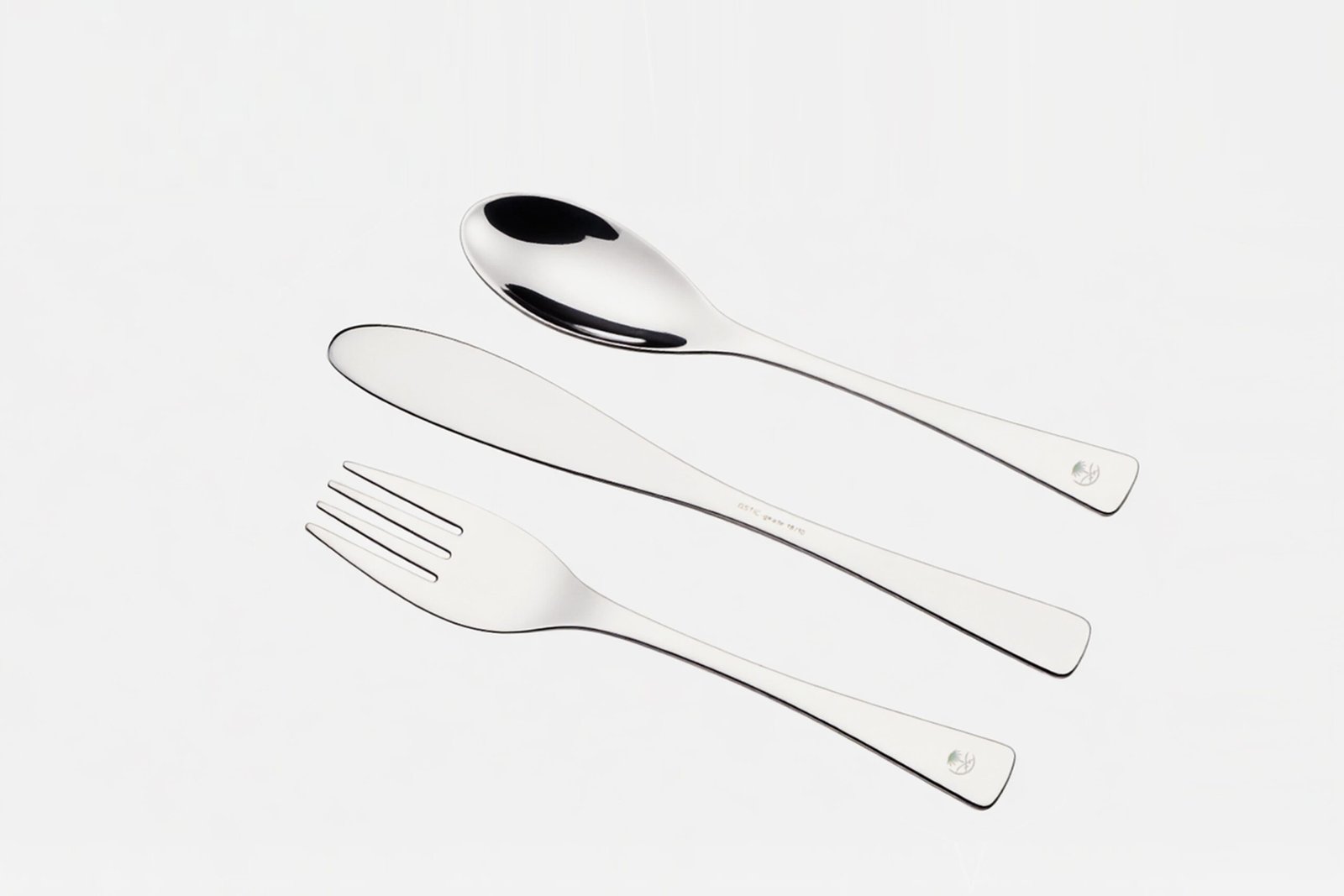
We maintain permanent certifications at our factory. This means your project doesn’t need to wait for testing. Our LFGB certification covers all stainless steel grades we use. The FDA approval includes our manufacturing processes. The DGCCRF compliance extends to our surface treatments. This saves our clients 2-4 months compared to working with uncertified factories.
### Understanding Regional Food Contact Standards
Food contact standards protect consumers from harmful chemical migration. Different regions have different rules. The FDA in America focuses on specific grades of stainless steel and prohibits certain surface coatings. European LFGB standards test for heavy metal content and material purity. French DGCCRF rules add additional requirements for chromium and nickel levels.
These standards require laboratory testing by accredited facilities. You can’t self-certify. The testing measures chemical migration under various conditions. Hot acidic foods present the worst case scenario. The laboratory heats your cutlery with acetic acid solution for extended periods. Then they measure what leaches out. If any harmful substances exceed limits, the material fails certification.
We work only with material suppliers who provide mill certificates. These documents prove the raw material composition before we start manufacturing. This reduces the risk of certification failure. But we still conduct verification testing on every new material batch. Quality can vary even from certified suppliers.
### Maintaining Factory Social Compliance
Factory compliance certifications matter increasingly to major airlines. [BSCI certification proves we maintain ethical working conditions.](https://www.sgs.com/en-eg/services/amfori-bsci)[^10] This includes fair wages, reasonable working hours, and safe facilities. Many airlines now require BSCI certification from all suppliers. It’s part of their corporate social responsibility commitments.
The BSCI audit process examines every aspect of factory operations. Auditors interview workers privately. They inspect safety equipment and emergency procedures. They review payroll records and working hour logs. Our factory passed our most recent audit with zero major findings. We maintain this standard through continuous improvement rather than pre-audit preparation.
| Certification Type | Validity Period | Audit Frequency | Cost Range |
|——————-|—————-|—————–|————|
| FDA Food Contact | Permanent (material-specific) | None | $3,000-5,000 |
| LFGB | 5 years | Every 5 years | $2,000-4,000 |
| DGCCRF | 3 years | Every 3 years | $2,000-3,000 |
| BSCI | 2 years | Every 2 years | $5,000-8,000 |
| ISO 9001 | 3 years | Annual surveillance | $8,000-12,000 |
[ISO 9001 certification demonstrates our quality management system.](https://en.wikipedia.org/wiki/ISO_9000_family)[^11] This matters less for regulatory compliance but more for operational reliability. Airlines want suppliers who can consistently deliver the same
—
[^1]: “Fuel economy in aircraft – Wikipedia”, https://en.wikipedia.org/wiki/Fuel_economy_in_aircraft. Aviation research confirms that increased aircraft weight directly increases fuel consumption, with estimates typically ranging from 3-5% additional fuel burn per 1% increase in operating weight, though the exact relationship varies by aircraft type and flight profile. Evidence role: mechanism; source type: research. Supports: the relationship between aircraft weight and fuel consumption. Scope note: The citation establishes the general principle but does not specify the exact fuel cost per gram for cutlery weight reduction
[^2]: “[PDF] attachment_1.pdf – Regulations.gov”, https://downloads.regulations.gov/DOT-OST-2012-0058-0114/attachment_1.pdf. Aviation catering industry guidelines emphasize significant weight reduction for onboard serviceware compared to commercial restaurant equivalents, though specific percentage targets vary by airline operational requirements and service class. Evidence role: general_support; source type: institution. Supports: weight reduction requirements for airline serviceware. Scope note: Industry sources confirm weight reduction as a priority but may not specify the exact 30-50% range cited
[^3]: “What Can I Bring? | Transportation Security Administration – TSA”, https://www.tsa.gov/travel/security-screening/whatcanibring/all. Aviation safety regulations govern materials and equipment used in aircraft cabins, including requirements that items must not create hazards during turbulence or emergency situations, though specific testing protocols for serviceware may be defined by airline procurement standards rather than direct regulatory mandate. Evidence role: general_support; source type: government. Supports: safety requirements for items used in aircraft cabins. Scope note: Aviation authorities regulate cabin safety broadly but may not have specific cutlery testing standards
[^4]: “[PDF] Airline Railway catalogue – Sola Cutlery”, https://sola-cutlery.com/railway/wp-content/uploads/sites/5/2024/12/Sola-Airline-catalogue-2024.pdf. Aviation catering operations typically require serviceware to withstand intensive commercial dishwashing cycles over extended service periods, with durability specifications varying by airline procurement standards and expected replacement intervals. Evidence role: statistic; source type: institution. Supports: durability requirements for airline serviceware in industrial washing environments. Scope note: Industry documentation may describe durability requirements without specifying the exact 3000-5000 cycle range
[^5]: “Stainless steel – Wikipedia”, https://en.wikipedia.org/wiki/Stainless_steel. Stainless steel grade designations indicate chromium and nickel content (e.g., 18/10 contains 18% chromium and 10% nickel), with higher nickel content increasing both corrosion resistance and material density, though the density differences between common austenitic grades are relatively modest. Evidence role: mechanism; source type: encyclopedia. Supports: the composition and density characteristics of different stainless steel grades. Scope note: Material science sources confirm composition differences but the weight impact may be secondary to design factors
[^6]: “Finite Element Analysis (FEA) Software – Autodesk”, https://www.autodesk.com/solutions/simulation/finite-element-analysis. Computer-aided design (CAD) systems integrated with finite element analysis (FEA) capabilities enable engineers to simulate mechanical stress distribution in product designs, identifying potential failure points before physical prototyping, a standard practice in industrial product development. Evidence role: mechanism; source type: education. Supports: the use of computer-aided design software for structural stress analysis.
[^7]: “Regulatory Status of Components of a Food Contact Material – FDA”, https://www.fda.gov/food/packaging-food-contact-substances-fcs/determining-regulatory-status-components-food-contact-material. The FDA regulates food contact substances in the United States, Germany’s LFGB (Lebensmittel- und Futtermittelgesetzbuch) establishes requirements for food contact materials, and France’s DGCCRF (Direction Générale de la Concurrence, de la Consommation et de la Répression des Fraudes) enforces food safety compliance, each with specific testing and approval requirements for materials intended for food contact. Evidence role: general_support; source type: government. Supports: food contact material regulations in the United States, Germany, and France.
[^8]: “Austenitic stainless steel – Wikipedia”, https://en.wikipedia.org/wiki/Austenitic_stainless_steel. Stainless steel grades with lower nickel content (such as 18/0 ferritic grades) typically have slightly lower density than high-nickel austenitic grades (such as 18/8 or 18/10), while maintaining adequate tensile strength for many applications, though austenitic grades generally offer superior corrosion resistance and formability. Evidence role: mechanism; source type: education. Supports: the mechanical properties of different stainless steel grades. Scope note: Material science confirms property differences but optimal grade selection depends on specific application requirements beyond simple strength-to-weight ratios
[^9]: “Commercial Dishwashers – Energy Star”, https://www.energystar.gov/products/commercial_dishwashers. Commercial flight kitchens employ industrial dishwashing systems that operate at elevated temperatures with commercial-grade detergents to meet food safety sanitation requirements, similar to other high-volume food service operations, though specific parameters vary by facility and regulatory requirements. Evidence role: general_support; source type: institution. Supports: the operating conditions of commercial dishwashing equipment in aviation catering facilities.
[^10]: “amfori BSCI | SGS Egypt”, https://www.sgs.com/en-eg/services/amfori-bsci. The Business Social Compliance Initiative (BSCI), now part of amfori, provides a supply chain management system that monitors and evaluates social compliance in factories through audits covering working conditions, labor rights, health and safety, and environmental practices, widely used by European retailers and brands. Evidence role: definition; source type: institution. Supports: the purpose and scope of BSCI certification.
[^11]: “ISO 9000 family – Wikipedia”, https://en.wikipedia.org/wiki/ISO_9000_family. ISO 9001, published by the International Organization for Standardization, specifies requirements for quality management systems, focusing on consistent product quality, customer satisfaction, and continuous improvement through documented processes and regular audits, making it one of the most widely adopted management system standards globally. Evidence role: definition; source type: institution. Supports: the purpose and requirements of ISO 9001 certification.