Are you struggling to choose between a direct factory and a trading company? Making the wrong choice can shrink your profits and create supply chain headaches. Let’s find the right fit.
**Direct factory sourcing is best for large-scale buyers who need cost control and deep customization, like with [OEM/ODM cutlery](https://www.researchgate.net/publication/358704957_Furniture_online_consumer_experience_A_literature_review). Trading companies are better for startups or small businesses needing a wide variety of products in low quantities and don’t mind paying a middleman’s fee.**
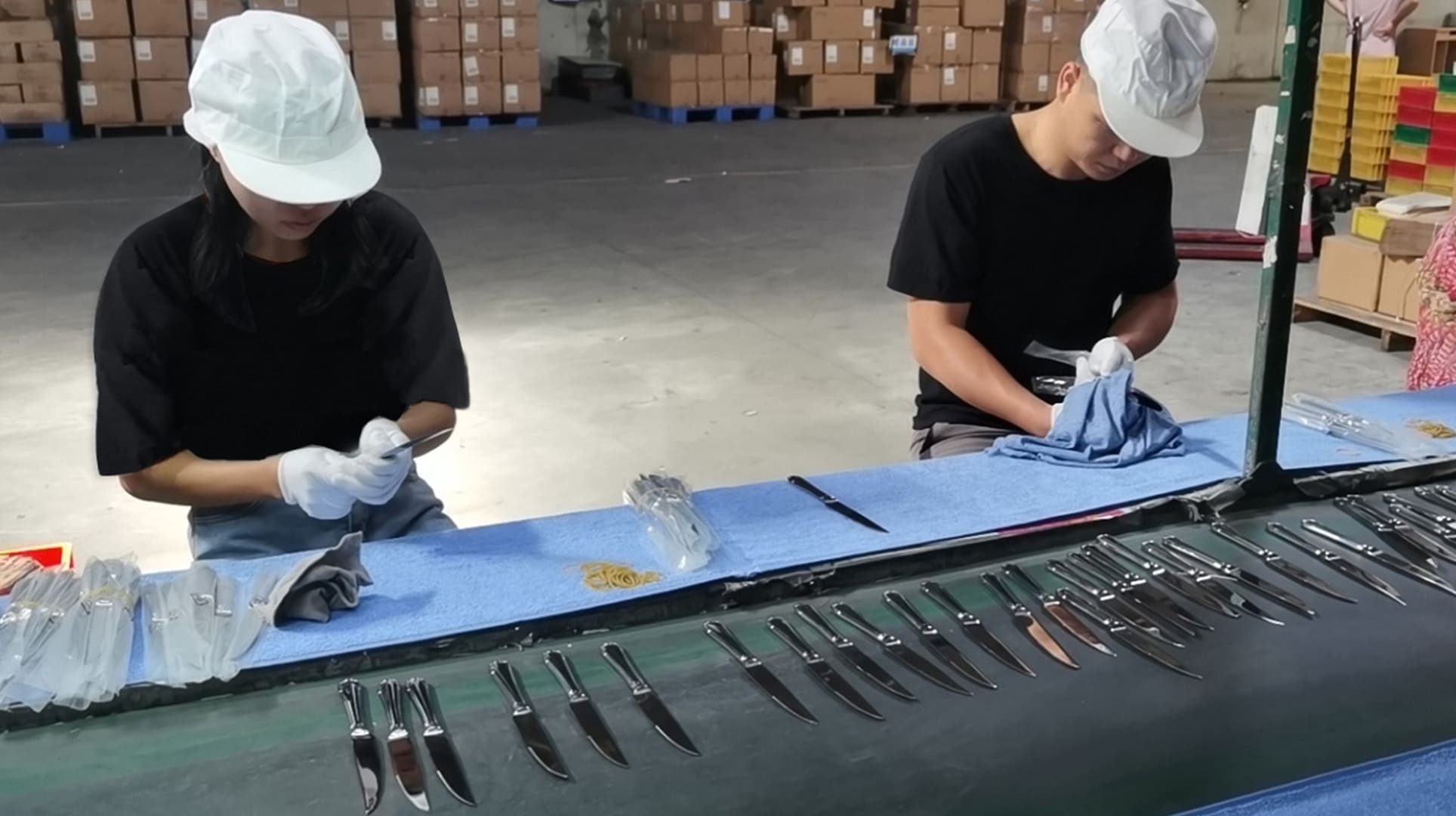
Choosing your sourcing partner is one of the most important decisions you’ll make for your business. It affects your product quality, price, and even your brand’s reputation. As a manufacturer with years of experience, I’ve seen many businesses, like Lisa from Turkey, grapple with this choice. She is a smart businesswoman who needs innovative products but is also sensitive to price and production time. This post will break down everything you need to know, so you can make a confident decision that protects your bottom line and helps your business grow. Let’s dive in.
## Which sourcing strategy is most suitable for items with high value and high supply risk?
Sourcing high-value goods like premium cutlery can feel risky. You worry about getting the exact quality you paid for and if your supplier can deliver on time. Let’s solve this.
**For high-value, high-risk items, a direct-from-factory sourcing strategy is the most suitable. It gives you direct oversight of materials, production, and quality control. This significantly reduces supply chain risks and protects your investment by ensuring product integrity from start to finish.**
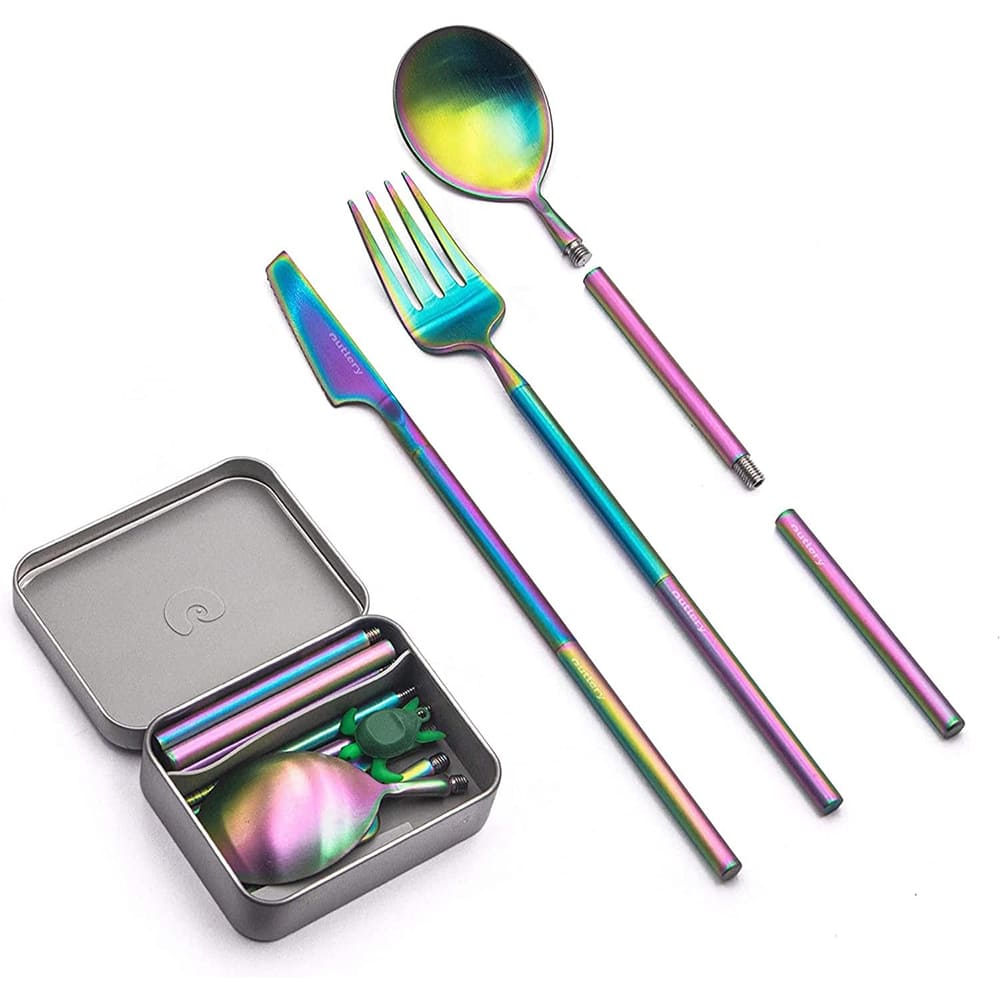
When you’re investing in premium products, you can’t afford any surprises. Working directly with a factory like us means you are at the center of the production process. You have a direct line of communication to the people actually making your goods. This eliminates the “telephone game” that often happens when working with intermediaries. You can specify the exact grade of stainless steel you want, whether it’s 18/10, 18/8, or 18/0, and we can verify it on the spot. This level of control is crucial for high-value items where material quality defines the product. Modern factories are also equipped to handle all compliance needs, from FDA to LFGB, and have professional teams to manage the entire process, making it just as seamless as working with a trader, but with far more control and transparency.
### Risk Management: Factory vs. Trader
| Risk Factor | Direct Factory Sourcing | Trading Company Sourcing |
| :— | :— | :— |
| **Quality Control** | Direct oversight; you can inspect the production line. | Relies on the trader’s QC; one step removed. |
| **Cost Transparency** | Full transparency; you see the raw cost. | Hidden margins; price includes the trader’s fee. |
| **Communication** | Direct and fast; talk to the source. | Slower; messages are relayed through a middleman. |
| **Technical Expertise** | Deep knowledge of one product category. | Broad but shallow knowledge of many products. |
| **Supply Stability** | High; you control the production schedule. | Lower; depends on the trader’s relationship with factories. |
## What is the difference between a trading company and a manufacturing company?
Are you confused by the difference between a trading company and a manufacturer? This confusion can lead to you paying more or not getting the product you expected. Let’s fix that.
**A manufacturing company, or factory, is the source that physically produces the goods. A trading company is an intermediary that buys from factories and sells to you. The main difference is control over the production process, quality, and price—the factory has it, the trader doesn’t.**
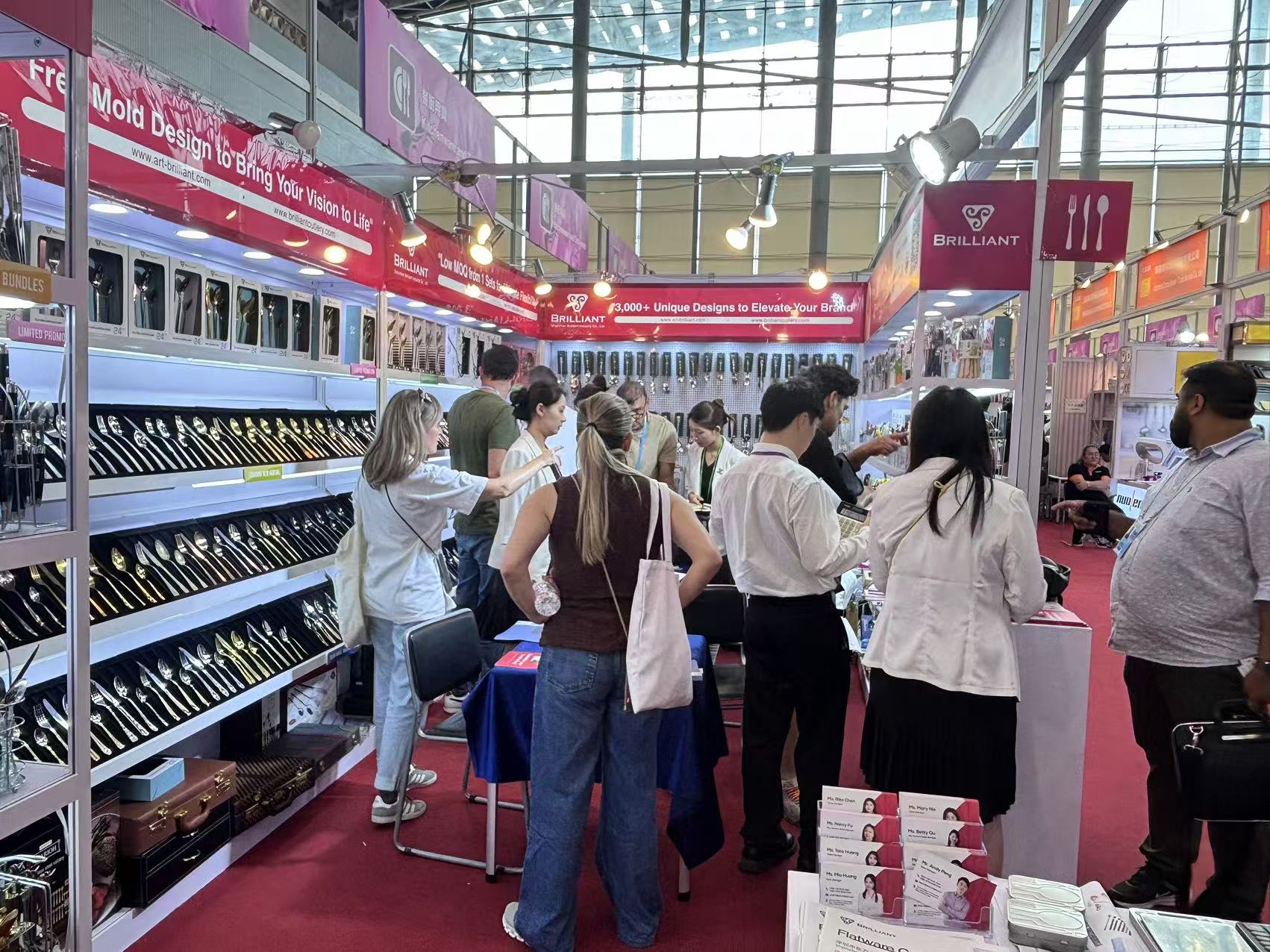
Understanding this difference is key to building a smart supply chain. As a manufacturer, we are the experts in cutlery. We have over 100 staff on the factory floor, dedicated to making high-quality products. We control everything from the raw stainless steel to the final polishing and packaging. When you work with us, you are talking directly to the source. This means we can offer deep OEM/ODM customization because our engineers and designers are in-house. A trading company, on the other hand, is a sourcing agent. They are great at finding a wide variety of different products, like cutlery, glassware, and ceramics, and combining them into one shipment. This is helpful for small businesses. But they don’t make anything themselves. They add a markup for their service, which means you pay more.
### Key Differences at a Glance
| Feature | Manufacturing Company (Factory) | Trading Company |
| :— | :— | :— |
| **Core Business** | Designs and produces goods. | Sources and resells goods. |
| **Price** | Lower, direct factory cost. | Higher, includes middleman markup. |
| **Product Range** | Specialized and deep in one category. | Broad and diverse across many categories. |
| **Customization (OEM/ODM)** | High capability, direct access to engineers. | Limited, depends on their factory partners. |
| **Quality Control** | Direct and integrated into production. | Acts as a third-party inspector. |
| **Minimum Order Quantity (MOQ)** | Higher, geared for mass production. | Lower, can consolidate small orders. |
| **Expertise** | Deep technical knowledge of the product. | General market and logistics knowledge. |
## What does [direct sourcing](https://en.wikipedia.org/wiki/Indirect_procurement) mean the company works directly with the factory to produce the goods?
You have probably heard the term “[direct sourcing](https://en.wikipedia.org/wiki/Indirect_procurement),” but what does it really mean for your business? It sounds simple, but its benefits are huge and can transform your profitability.
**Yes, [direct sourcing](https://en.wikipedia.org/wiki/Indirect_procurement) means your company bypasses all middlemen and works directly with the factory making your products. This partnership gives you maximum control over the entire process, from design and quality to cost and lead times, creating a transparent and efficient supply chain.**

Direct sourcing is the most powerful way to build a [private-label brand](https://en.wikipedia.org/wiki/Drop_shipping) or manage large-volume wholesale. It’s a complete partnership. Here at Brilliant, the process is straightforward. It starts with your idea. You come to us with a concept, and our team works with you to create the design (ID). Then, we move to tooling, create samples for your approval, and begin mass production once you are happy. Throughout this journey, you have a direct line to our team. This transparency is a game-changer. It means we can solve problems in real-time. If there is a quality issue, the communication chain is short, and we can respond in seconds, not days. This direct model is how we cut costs for our clients by 15-20% compared to using a trading company. It eliminates unnecessary fees and puts that profit back in your pocket.
## Which [supply chain model](https://en.wikipedia.org/wiki/Lean_manufacturing) works well for companies that produce the same products with little variation?
Do you sell a core line of products with steady demand, like standard cutlery sets? Using the wrong supply model can slowly eat away at your profits, even with consistent sales.
**For companies that sell stable product lines with little variation, a direct-from-factory supply model is the most effective. It is designed for large, predictable production runs, which maximizes cost-efficiency, ensures consistent quality, and protects your profit margins on high-volume items.**

If your business relies on a core set of products, your goal is efficiency and consistency. This is where [direct factory sourcing](https://en.wikipedia.org/wiki/Bulk_purchasing) truly shines. Think of large chain supermarkets, hotel suppliers, or major retail brands. They need thousands of the same fork, the same spoon, day in and day out. A [trading company](https://en.wikipedia.org/wiki/Supply_chain_management) adds an unnecessary layer of cost and complexity for this kind of business. By working directly with a manufacturer, you can leverage [economies of scale](https://en.wikipedia.org/wiki/Global_value_chain). Placing large, regular orders allows us to optimize our production lines, like our [automated polishing and PVD plating](https://www.researchgate.net/publication/273697217_Influence_of_Ti-TiN_multilayer_PVD-coatings_design_on_Residual_stresses_and_Adhesion) lines, which lowers the cost per unit. This gives you a powerful price advantage in the market. This model ensures that every shipment you receive has the exact same quality, which is vital for building [brand trust](https://en.wikipedia.org/wiki/Brand_equity). It is the core strategy for any business looking to secure [long-term profitability](https://en.wikipedia.org/wiki/Inventory) by controlling the physical cost of its goods.
## Conclusion
Choosing between a factory and a trader depends on your business scale and needs. For large-volume, specialized sourcing, direct factory is best. For small, diverse orders, a trader can be useful.