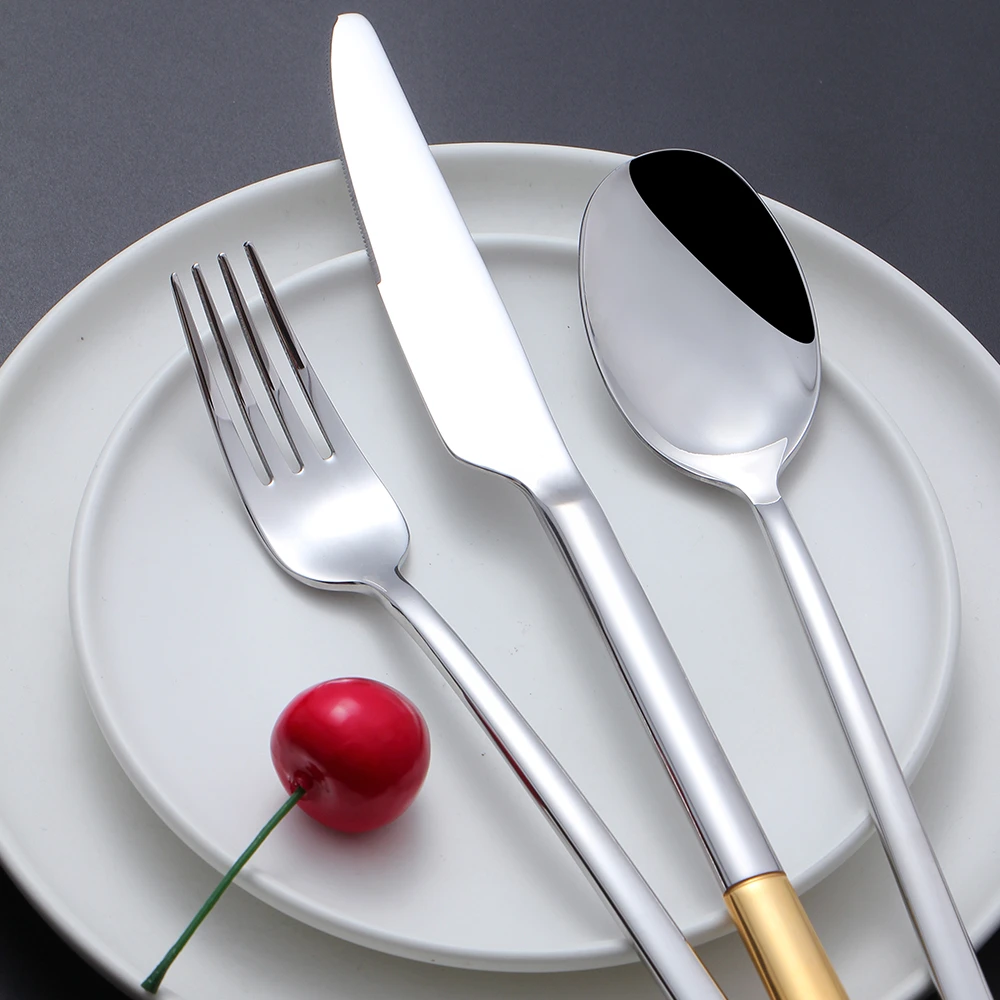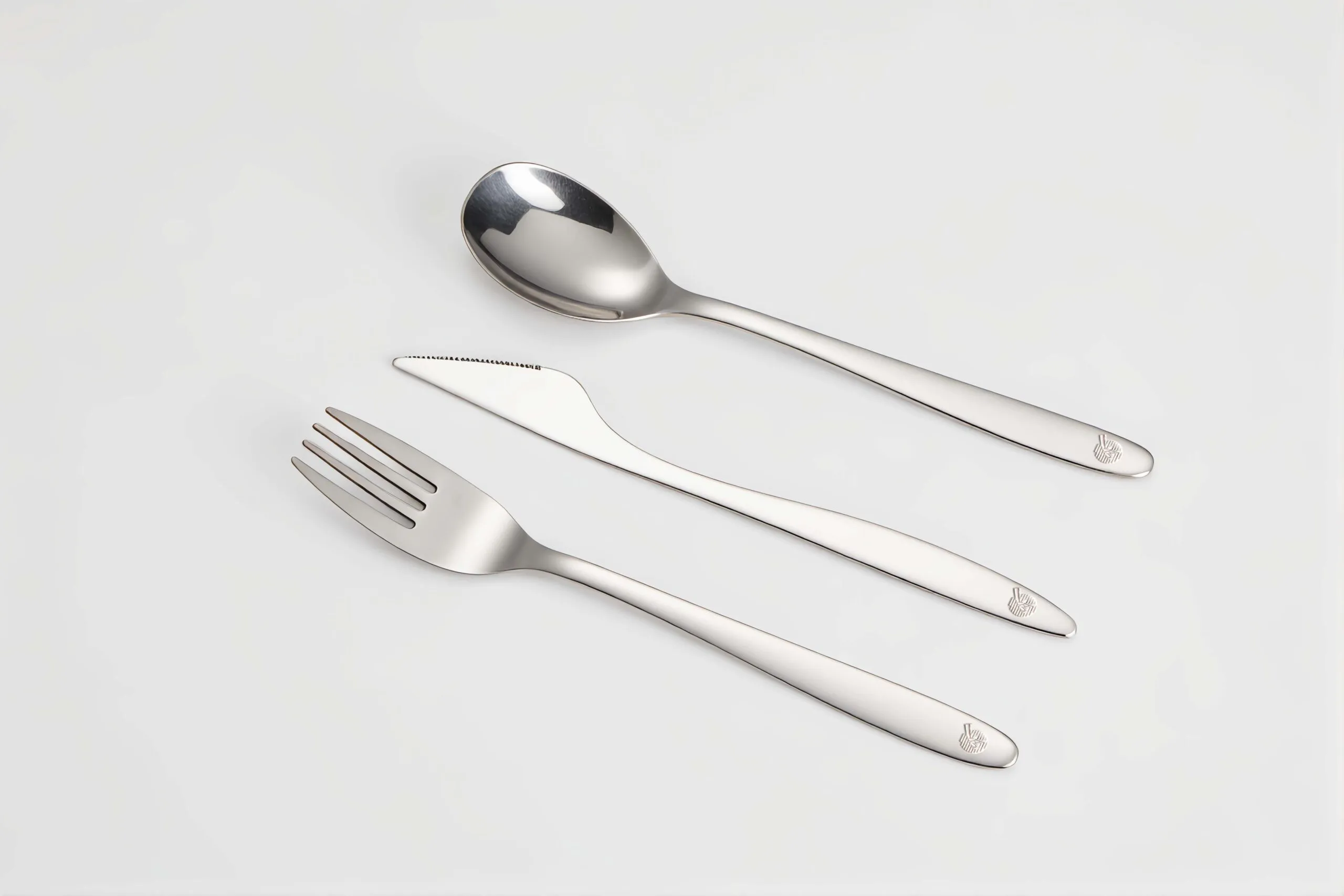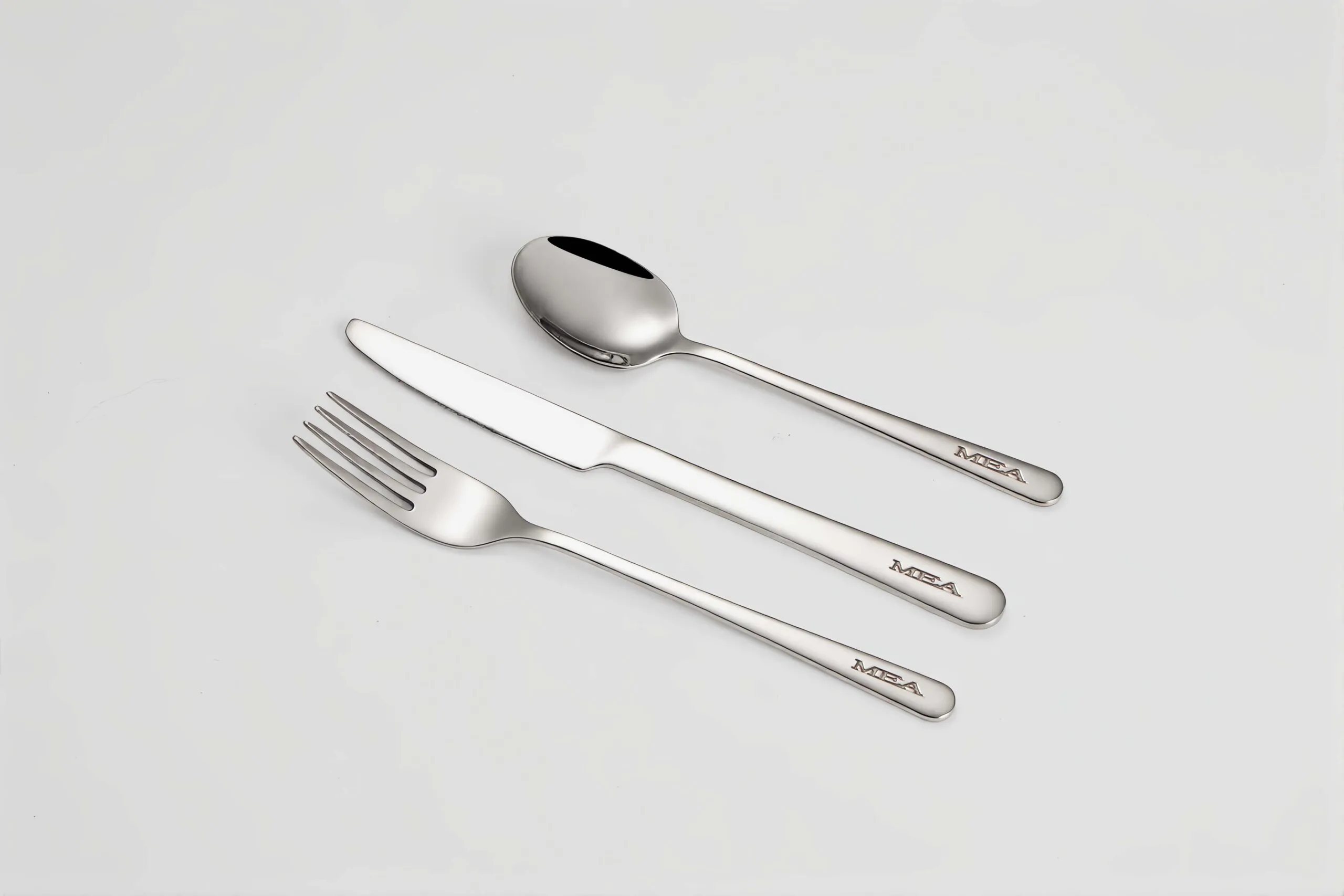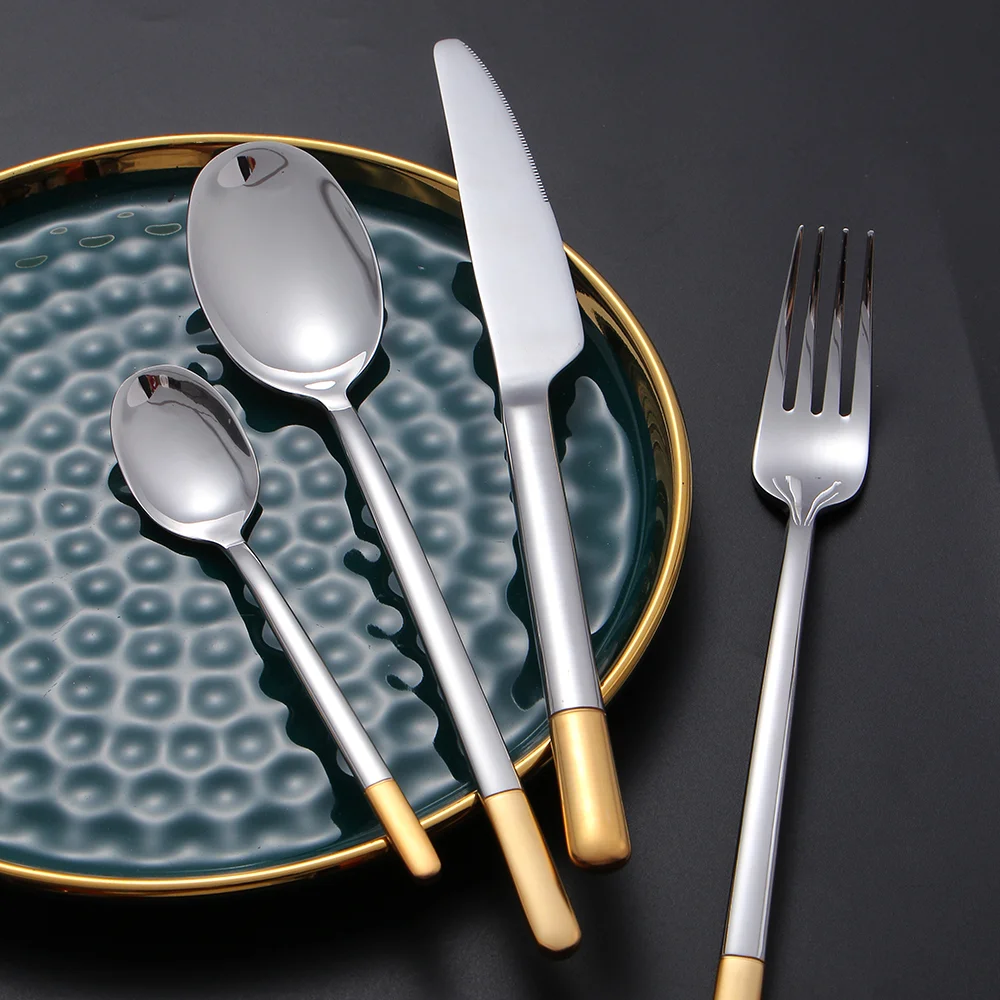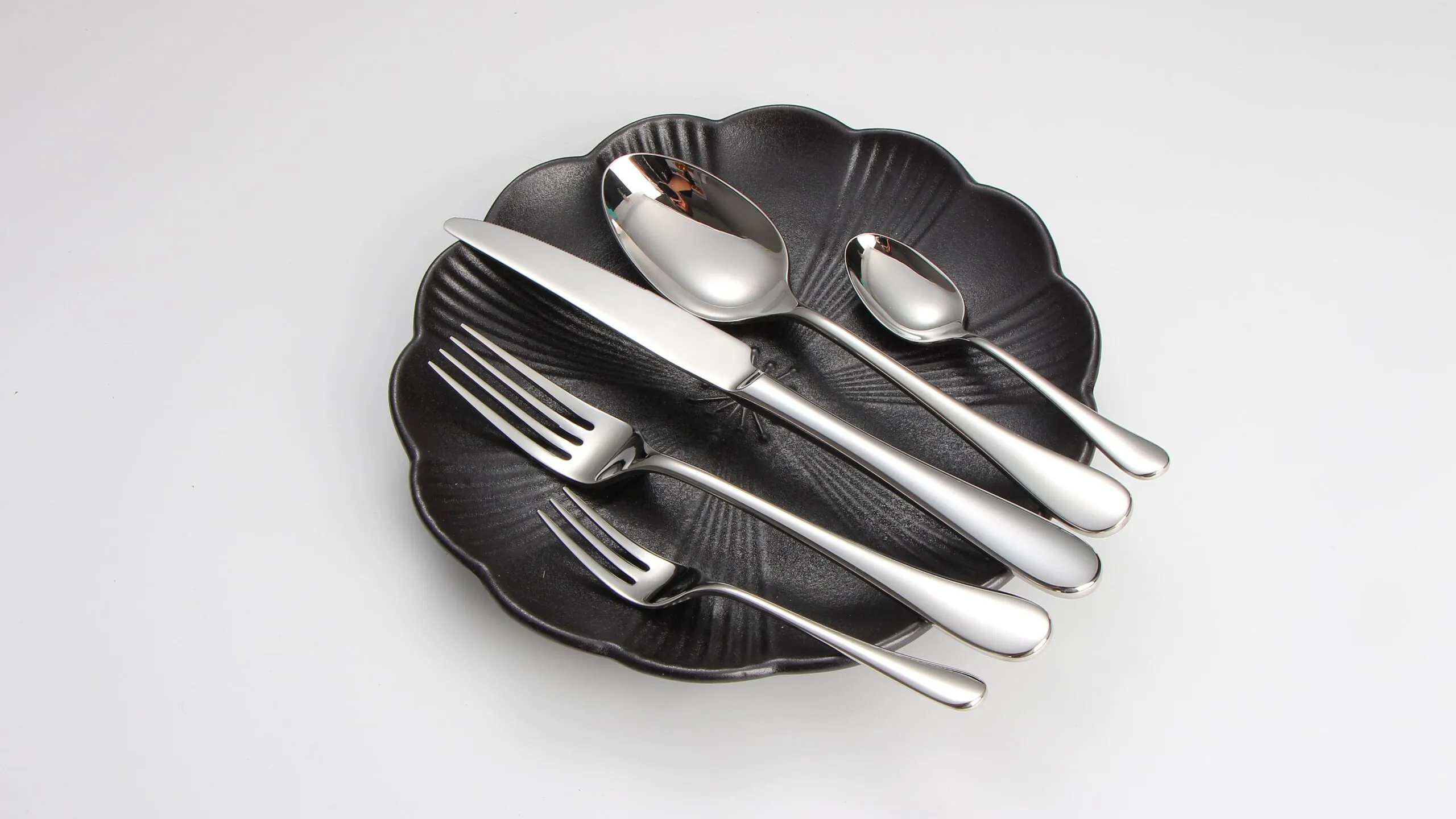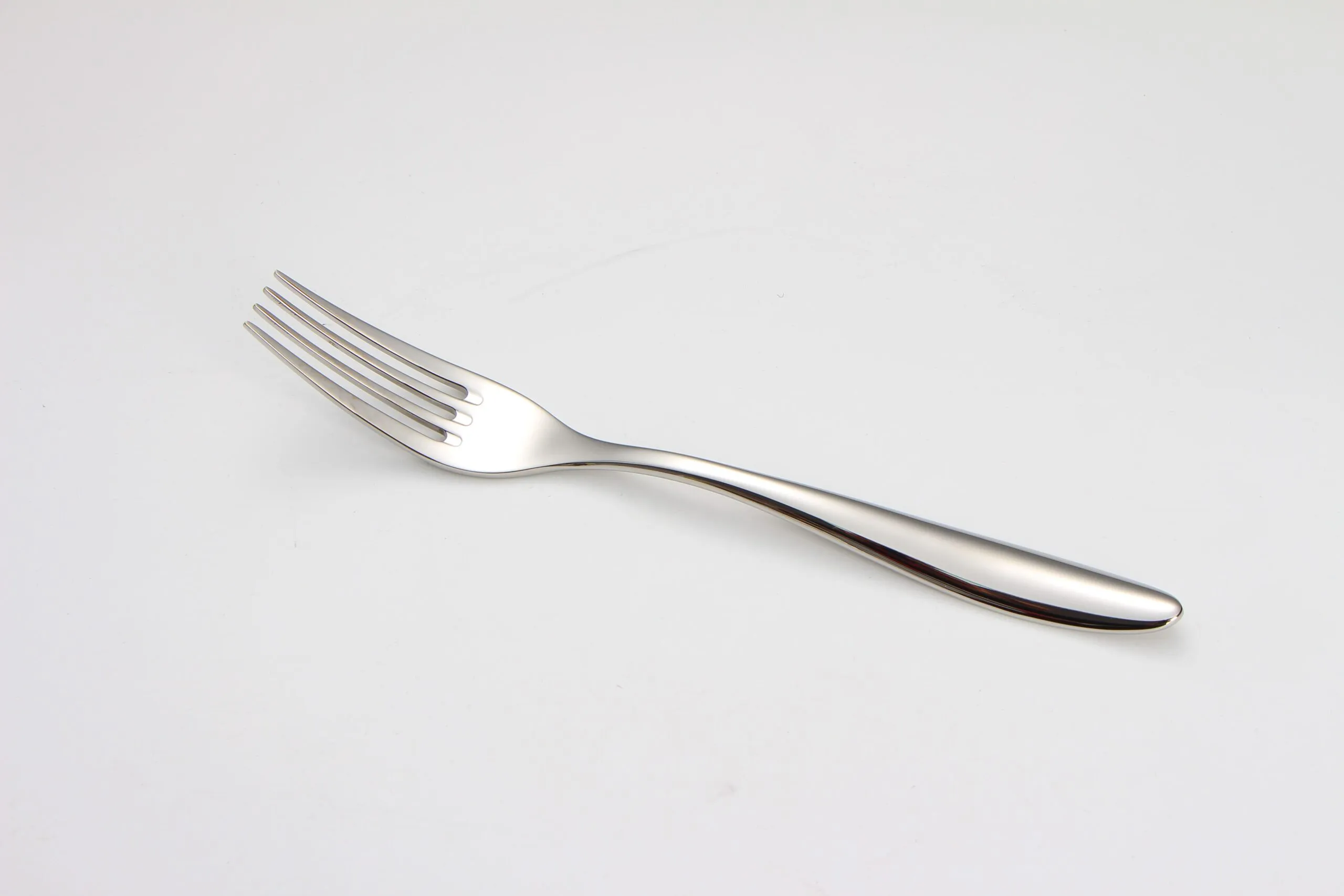
Choosing the wrong polish can ruin your product’s budget and quality. This decision impacts everything from cost to customer perception. We can help you make the right choice.
**Choose [hand polishing](https://en.wikipedia.org/wiki/Electrochemical_machining) for premium, complex designs where a flawless, high-value finish is essential. Opt for [automatic machine polishing](https://en.wikipedia.org/wiki/Floor_scrubber) for large, standard orders where consistency, speed, and cost-effectiveness are your main priorities. The best method depends entirely on your project’s goals.**
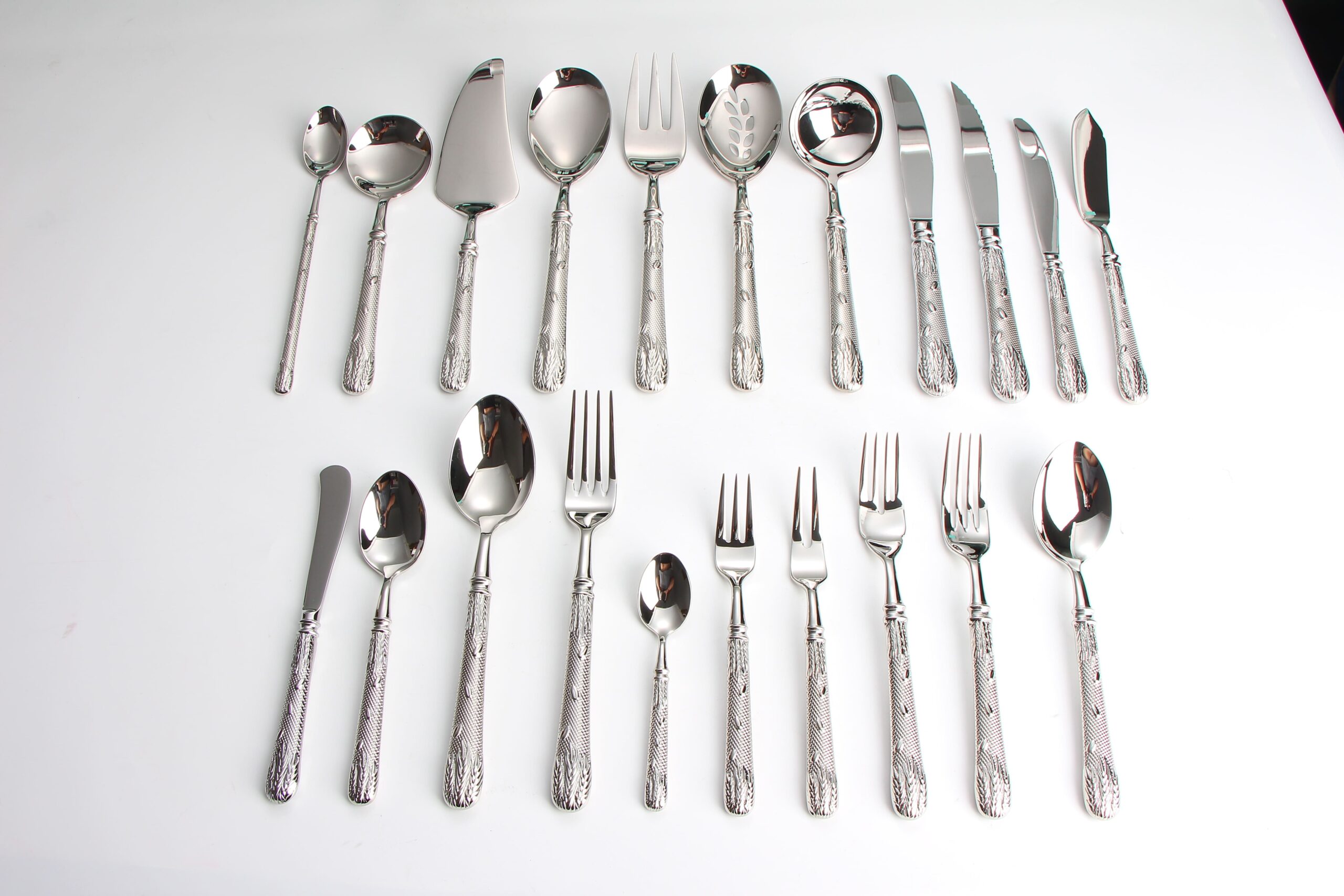
Making the right choice between these two methods is one of the most critical decisions in cutlery production. It affects the final look, the unit cost, and the production timeline. I’ve seen clients overjoyed with a perfect mirror finish and others frustrated by unexpected costs. The key is to align the polishing method with your brand’s promise and your business model from the very beginning. Let’s break down how to choose the best path for your specific needs, so you can avoid common pitfalls and get the exact result you want for your customers.
## Is machine polishing better than [hand polishing](https://en.wikipedia.org/wiki/Electrochemical_machining)?
You want the “best” polish, but that term can be misleading. Choosing the wrong method means you might overpay for a finish you don’t need or get a subpar look.
**Machine polishing is better for speed, cost-efficiency, and consistency on large orders of standard designs. Hand polishing is superior for achieving a flawless [mirror finish](https://en.wikipedia.org/wiki/Knife_sharpening), especially on complex shapes or for high-end, premium products where quality is the top priority.**
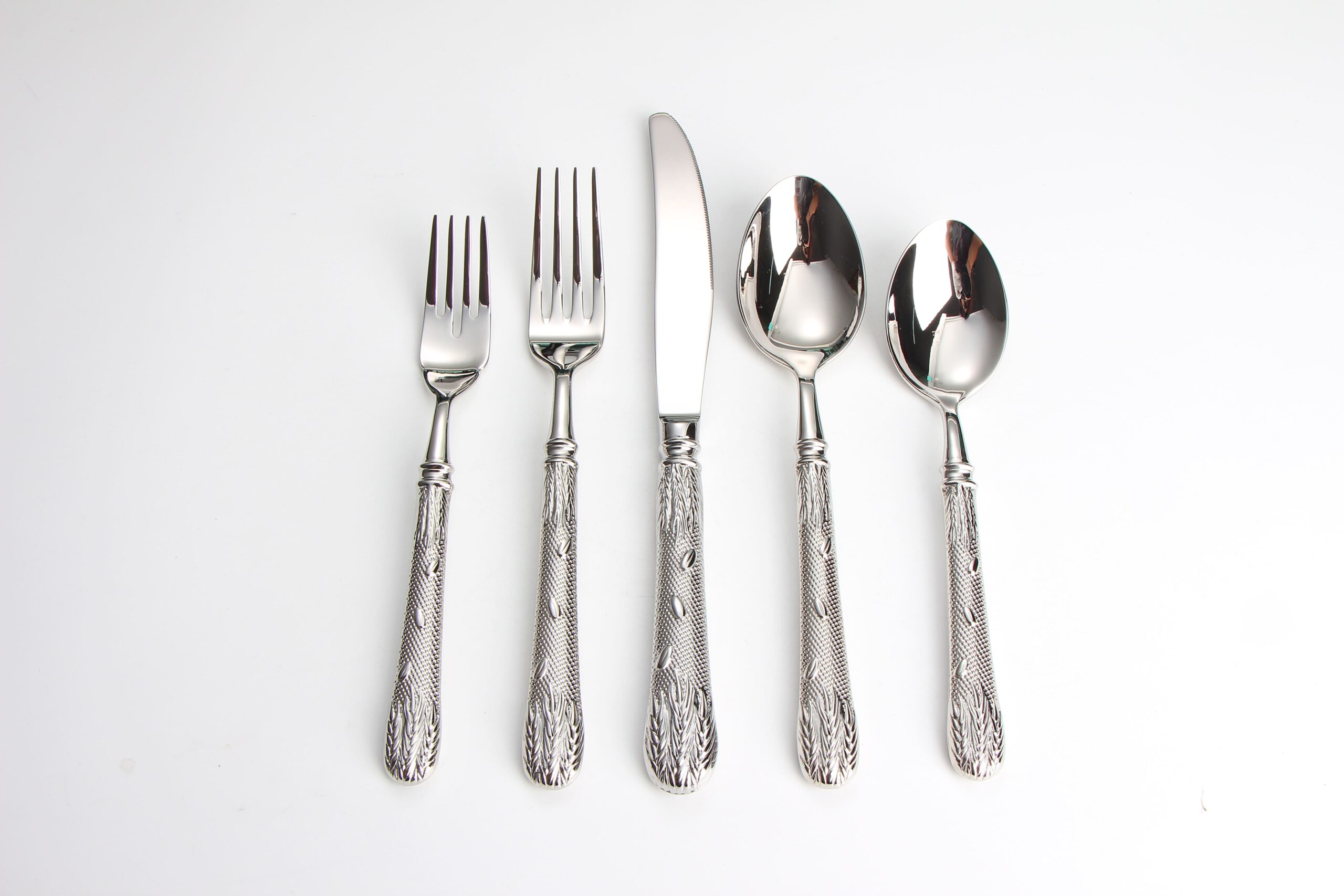
The question of which is “better” really comes down to your priorities. There is no single answer. I guide my clients by asking them to define what “better” means for their specific product. Is it better to have the lowest possible cost? Or is it better to have a finish that commands a premium price?
Here’s a simple breakdown to help you decide:
### Key Differences: Hand vs. Machine Polishing
| Feature | Hand Polishing | Automatic Machine Polishing |
| :— | :— | :— |
| **Best For** | High-end, [complex shapes](https://en.wikipedia.org/wiki/Cylinder_head_porting), luxury items | Standard shapes, large volumes |
| **Finish Quality** | Superior, true mirror-like reflection | Very good, consistent, but may lack depth |
| **Cost** | Higher due to skilled labor | Lower due to automation and speed |
| **Speed** | Slower, more time-consuming | Much faster, ideal for tight deadlines |
| **Consistency** | Can have minor variations | Extremely high consistency across thousands of units |
For a client like Lisa in Turkey, who develops her own cutlery brand with innovative designs, [hand polishing](https://en.wikipedia.org/wiki/Electrochemical_machining) is the only way to go. Her unique shapes can’t be handled by a machine, and the perfect [mirror finish](https://en.wikipedia.org/wiki/Knife_sharpening) justifies the higher price for her customers. On the other hand, when we produce for a large supermarket chain, they need hundreds of thousands of identical spoon sets at a competitive price. Automatic machine polishing is the only method that makes sense for that kind of scale and budget.
## Is it better to wax by hand or machine?
Applying polish seems simple, but the method really matters. The wrong application can leave streaks or fail to create the desired shine, wasting time and money on your production run.
**Applying polishing compounds, often called “wax,” is an integral part of the polishing process itself, not a separate step. The choice depends on the overall polishing method. Hand application offers detailed control, while machine application ensures even coverage for mass production.**
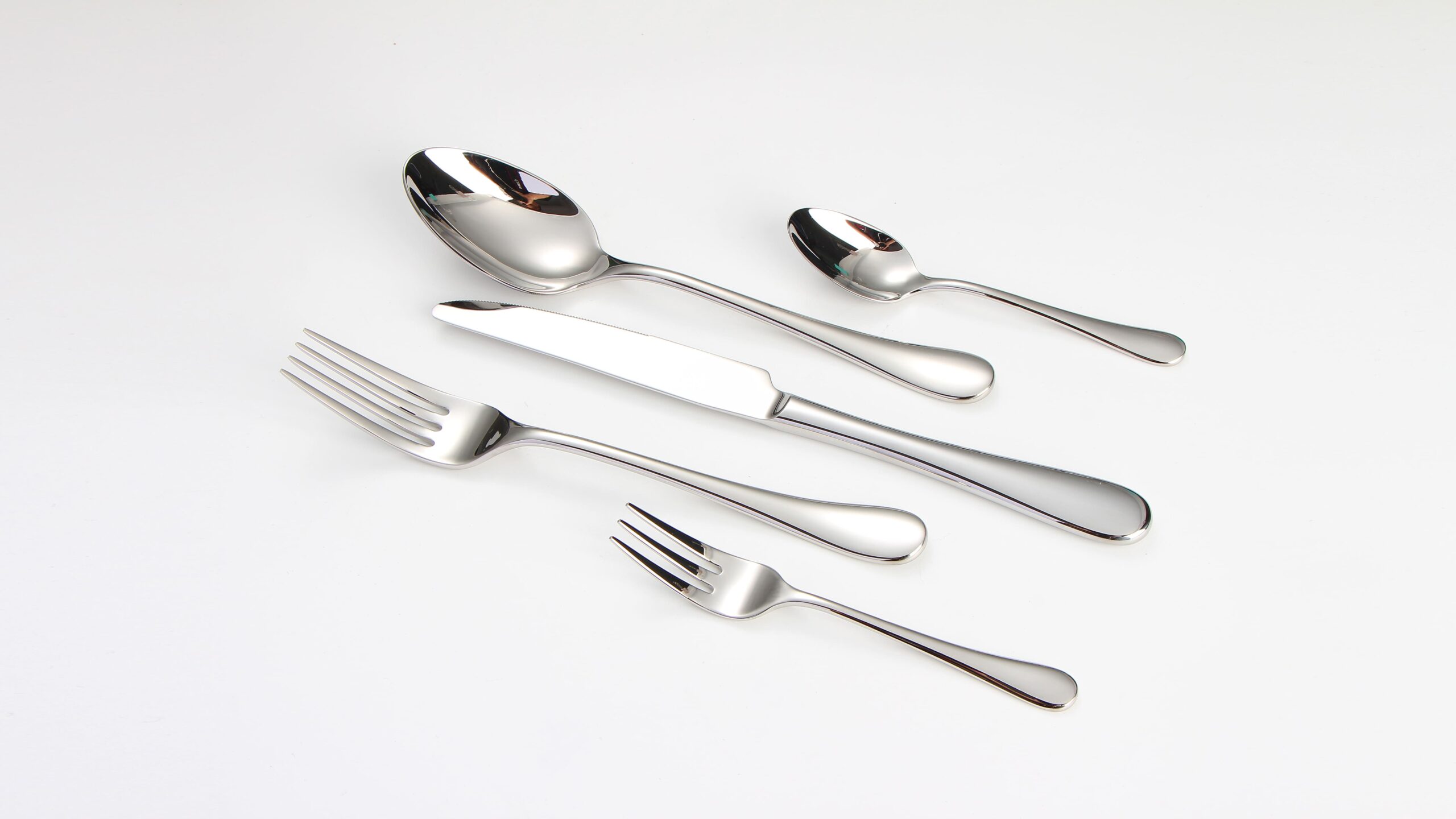
When we talk about “waxing” in the cutlery industry, we’re referring to the polishing compounds. These are solid bars of fine abrasive materials mixed with grease or wax. The compound is applied to a spinning cloth wheel, and the cutlery piece is then pressed against it. The real question is how the cutlery piece meets that wheel.
In [hand polishing](https://en.wikipedia.org/wiki/Electrochemical_machining), a skilled artisan is in complete control. They hold the fork or spoon and manually press it against a series of wheels, each with a different, progressively finer compound. They can adjust the pressure, angle, and time spent on each area. This human touch is what allows them to work on complex curves and achieve a flawless, deep mirror shine. It’s a craft that takes years to perfect.
In [automatic machine polishing](https://en.wikipedia.org/wiki/Floor_scrubber), the process is standardized. A machine holds the cutlery piece and moves it against the polishing wheels in a pre-programmed sequence. The compound application is also automated. This method is incredibly efficient and repeatable. It ensures that the 100,000th spoon looks exactly like the first one. This is essential for large B2B orders where consistency across the entire shipment is a contractual requirement.
## Which one is better, hand polishing or electro polishing?
You hear terms like “[mirror polish](https://en.wikipedia.org/wiki/Chrome_plating)” and “electropolish” and they can sound similar. But they are completely different processes with very different results. Choosing the wrong one can drastically affect your product’s look and function.
**Hand polishing is a mechanical process that creates a bright, highly reflective “mirror” surface. Electropolishing is an electrochemical process that removes a microscopic layer of metal, resulting in a smooth, clean, but less shiny finish. For decorative cutlery, [hand polishing](https://en.wikipedia.org/wiki/Electrochemical_machining) is almost always preferred.**
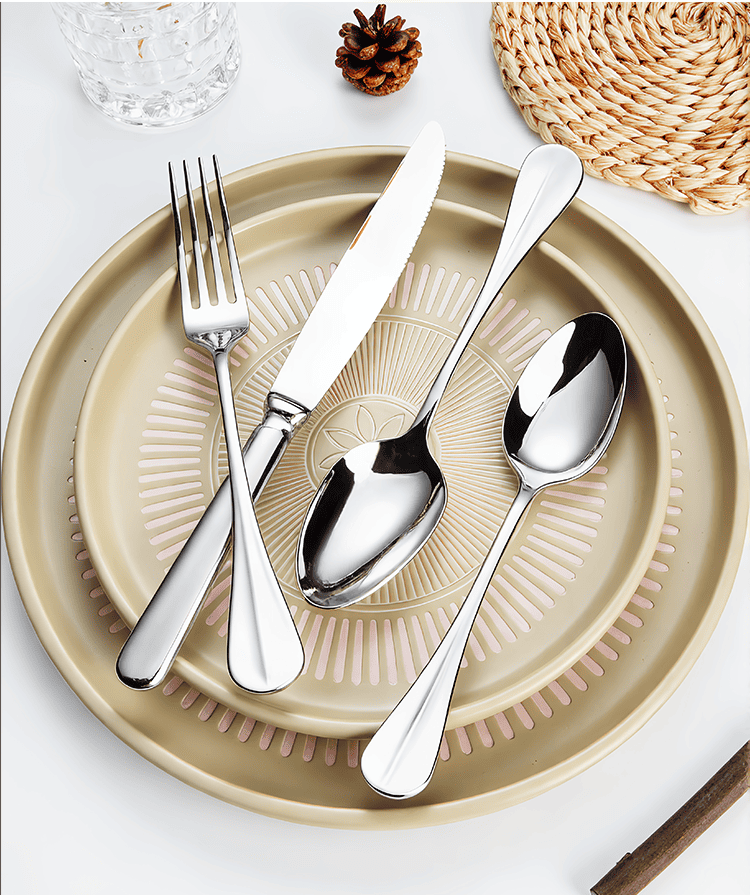
I often have to clarify this for new clients. While both processes create a smooth surface, their purpose and final appearance are worlds apart. Hand polishing is about aesthetics. It’s about creating that beautiful, luxurious shine that customers love on their dining tables.
Electropolishing is about function and hygiene. It’s a process where the metal part is submerged in a chemical bath and an electric current is run through it. This actually dissolves the outer microscopic layer of the steel, removing burrs and creating an ultra-clean, passive surface that is very easy to sterilize and resistant to bacterial growth. The finish is smooth and clean, but it’s more of a satin or semi-bright look, not a true mirror.
Here is a comparison:
| Feature | Hand Mirror Polishing | Electropolishing |
| :— | :— | :— |
| **Process** | Mechanical (abrasion) | Electrochemical (dissolving metal) |
| **Appearance** | Highly reflective, mirror-like | Smooth, clean, semi-bright |
| **Primary Goal** | Aesthetics and luxury feel | Hygiene, [corrosion resistance](https://en.wikipedia.org/wiki/Electropolishing), purity |
| **Common Use** | High-end cutlery, wedding sets, home decor | Medical tools, food processing parts |
For our business, which focuses on daily-use, hotel, and wedding cutlery, the visual appeal is paramount. Our customers want the “wow” factor of a perfect [mirror polish](https://en.wikipedia.org/wiki/Chrome_plating). Electropolishing is a fantastic technology, but it serves a completely different market, like medical or pharmaceutical manufacturing.
## What are the three types of polishing?
“Polishing” isn’t a single process. There are different levels, and asking for the wrong one can lead to miscommunication, incorrect quotes, and a product that doesn’t meet your expectations.
**In the cutlery industry, we generally focus on three main finishing levels. First is a basic tumble polish for a matte look. Second is a buff or [satin polish](https://en.wikipedia.org/wiki/Thiers_Issard) for a semi-shiny finish. Third is a [mirror polish](https://en.wikipedia.org/wiki/Chrome_plating) for a highly reflective, premium surface.**
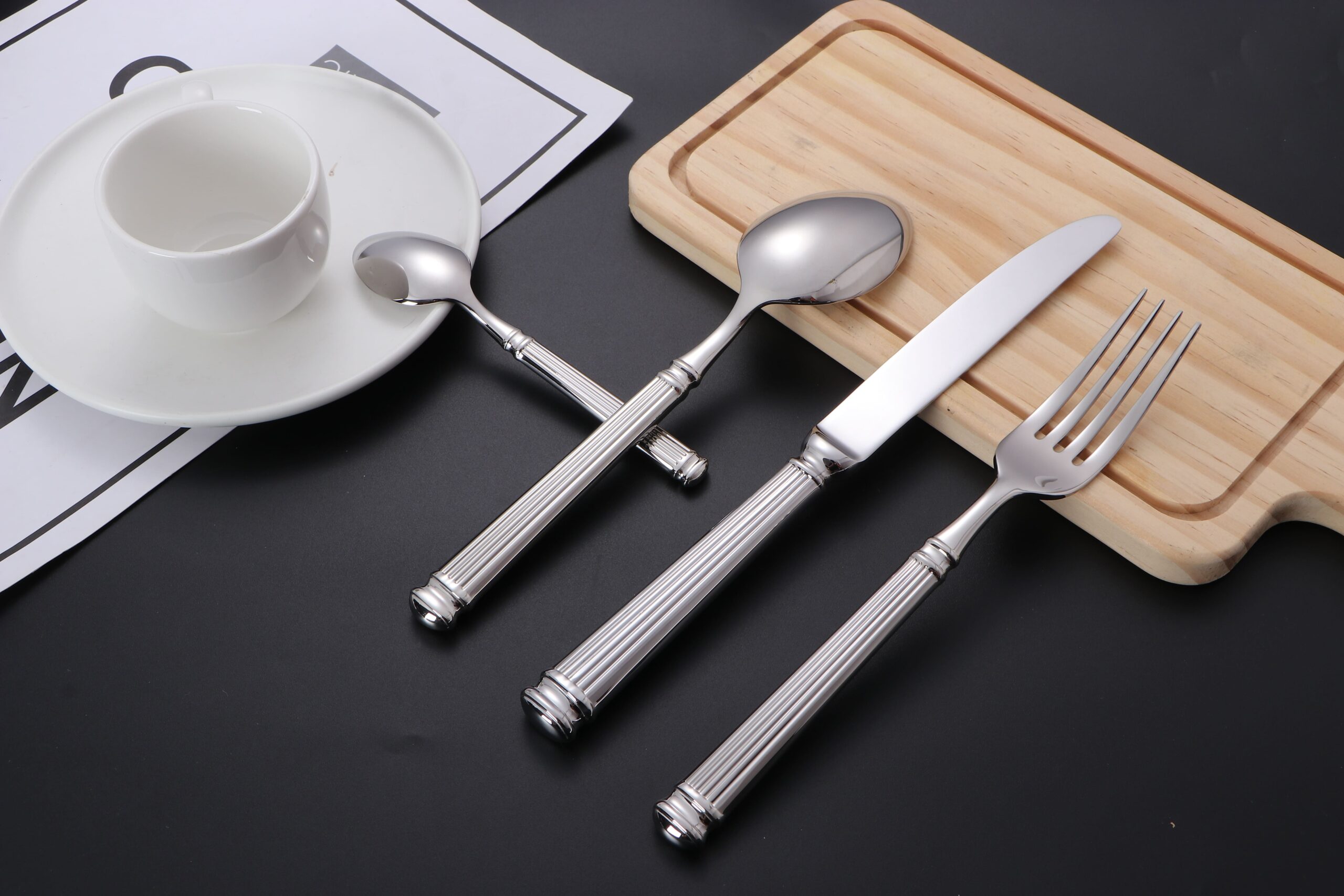
Understanding these three tiers helps you specify exactly what you need and ensures you are paying for the right level of work. Each step requires more time, more labor, and more cost.
### 1. Tumble Polishing
This is the most basic finish. We place the cutlery pieces in a large tumbling machine with abrasive media, like small ceramic stones or pebbles. The machine vibrates, and the media rubs against the cutlery, removing sharp edges and creating a uniform, non-reflective matte finish. It’s a low-cost, bulk process perfect for basic, functional cutlery where appearance is not the primary concern, such as for some airline or cafeteria-grade items.
### 2. Satin Polish (or Buff Polish)
This is the middle ground and very common for everyday household cutlery. After a basic tumble, the pieces are buffed with a coarser polishing compound. This creates a smooth surface with a soft sheen. If you look closely, you can often see very fine, uniform lines from the buffing process. It looks clean and feels smooth, but it doesn’t have a clear reflection. It’s a great balance of good looks, durability, and reasonable cost.
### 3. Mirror Polish
This is the highest level of finish. It’s a multi-step, labor-intensive process that starts where a [satin polish](https://en.wikipedia.org/wiki/Thiers_Issard) ends. The cutlery is polished with a series of progressively finer compounds on different types of cloth wheels. The final step uses a very fine compound on a soft wheel to remove all lines and create a flawless, non-directional surface that reflects like a mirror. This is the finish you see on luxury cutlery, wedding sets, and high-end hotel flatware. It carries the highest cost but also the highest perceived value.
## How to Audit “Hand Mirror Polish” Quality Without Visiting the Factory?
You ordered premium mirror-polished cutlery, but you can’t visit the factory. How do you make sure you are getting the high quality you paid for and not a lower-grade product?
**To audit hand [mirror polish](https://en.wikipedia.org/wiki/Chrome_plating) quality remotely, demand high-resolution videos from your supplier showing the product under different lighting. Also, request random samples from the production batch and consider hiring a third-party inspection service to provide an unbiased on-site report.**
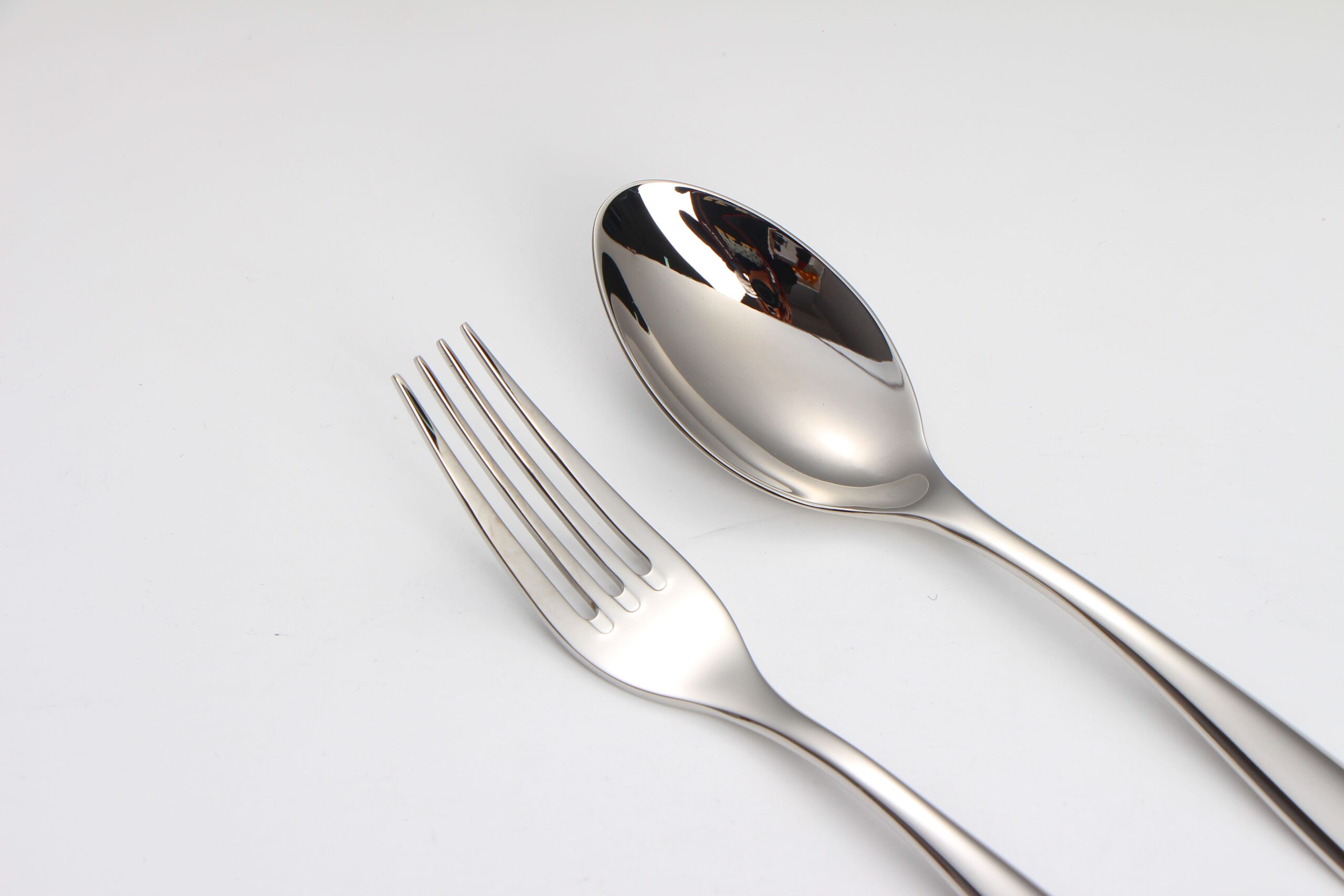
As a manufacturer, we understand the need for trust and verification, especially for our international clients who can’t just drop by. We are fully prepared to provide the proof our clients need to feel confident. Here is the process I recommend to all my clients, and it’s something we are happy to facilitate.
**1. Demand High-Resolution Video Evidence**
Photos can be deceiving. Ask your supplier for a video. They should hold the item under a single, strong light source and slowly rotate it. This is the best way to reveal any hidden flaws.
– **What to look for:** A true [mirror polish](https://en.wikipedia.org/wiki/Chrome_plating) will have a clear, undistorted reflection. Look for any fine swirl marks, hazy spots, or directional lines. These indicate a less-than-perfect polish.
**2. Request Random Production Samples**
Don’t rely on the pre-production “golden sample” they sent you months ago. Ask for 5-10 pieces to be pulled randomly from the current mass production run and have them shipped to you by express courier. This gives you a real-world look at the quality your customers will receive.
**3. Use a Third-Party Inspection Service**
For larger orders, this is a wise investment. Companies like SGS, QIMA, or Intertek have inspectors in China who can visit our factory on your behalf. They will perform a professional inspection based on your specific quality criteria (e.g., “no visible polishing lines from 30cm away”) and provide you with a detailed report with photos and videos. This gives you an unbiased assessment before the shipment leaves the port.
## Why Does “Mirror Polish” Often Hide Surface Pitting in Bulk Shipments?
Your beautiful mirror-polished samples looked perfect. But when the bulk order arrives, some pieces have tiny dots or pits. This is a common and very frustrating problem for importers.
**Mirror polishing’s intense shine and the residual polishing compound can temporarily fill and conceal microscopic pits that exist in the raw stainless steel. These tiny flaws may only become visible after the cutlery is washed and the compound is removed, or when viewed under certain lighting.**
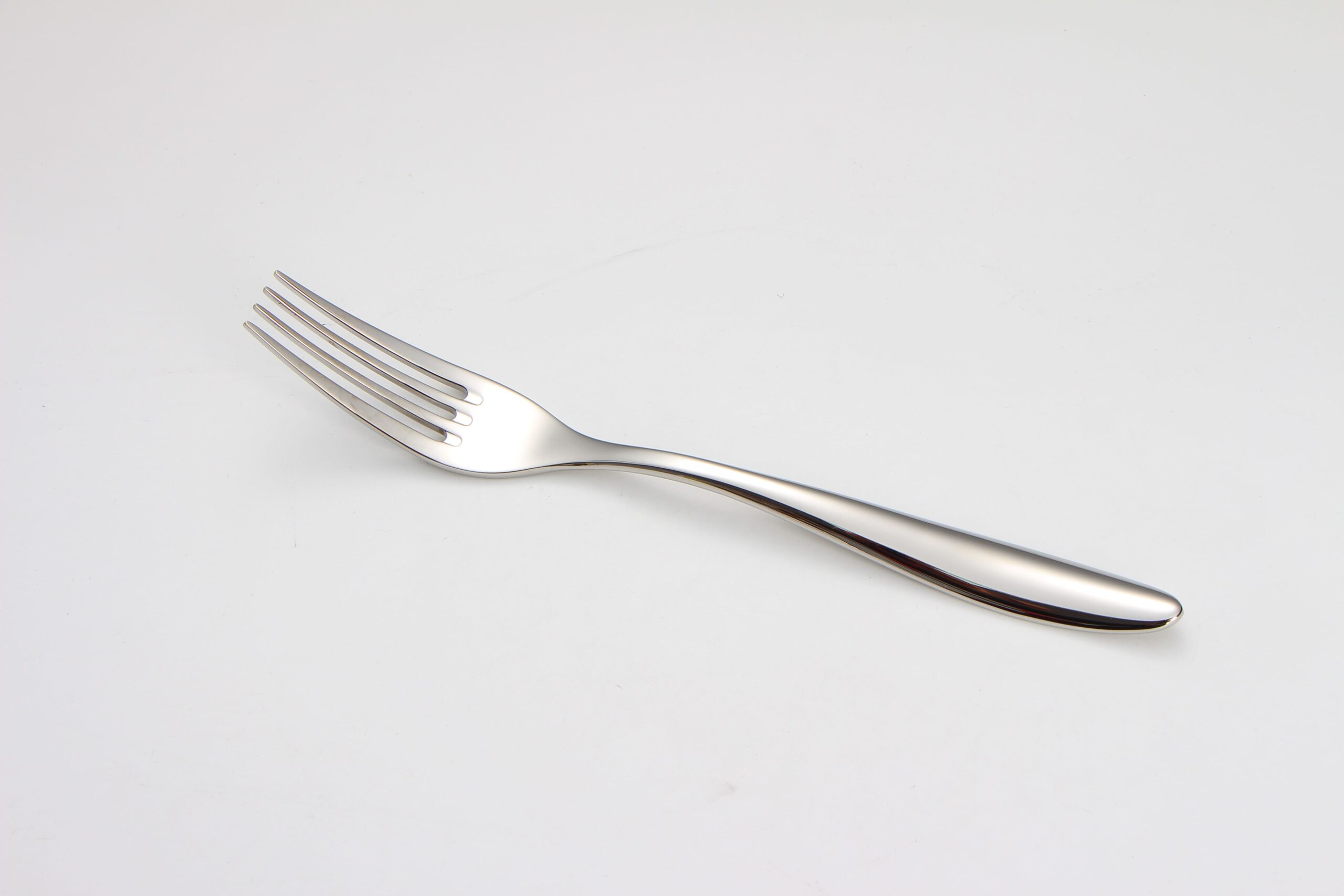
This issue is one of the trickiest in quality control. The problem doesn’t usually come from the polishing process itself, but from the raw material. Here’s what happens:
The coils of stainless steel we use to make cutlery can sometimes have tiny, microscopic impurities or air bubbles. When we stamp a spoon from this steel, these micro-pores are present on the surface. During the polishing process, the thick, waxy polishing compound is forced into these tiny holes, effectively filling them. At the same time, the extremely bright reflection of the mirror finish makes it very difficult for the human eye to even spot these filled-in points during a factory inspection. The surface looks perfectly smooth and flawless.
The problem appears later. When the end-user washes the cutlery for the first time, the soap and hot water can wash away the compound from the pits. Suddenly, a tiny dot appears. This is why a client might approve a perfect-looking shipment, only to receive complaints later.
How do we prevent this?
– **Strict Raw Material Control:** This is the most important step. We only work with reputable steel mills and perform checks on incoming raw materials.
– **Pre-Polish Inspection:** We inspect the surface quality of the items *before* the final [mirror polish](https://en.wikipedia.org/wiki/Chrome_plating)ing stages. It’s easier to spot defects on a less-reflective surface.
– **Final QC with Cleaning:** Our final inspection process includes taking a random sample from the batch, cleaning it thoroughly to simulate a customer’s first wash, and then inspecting it under controlled lighting.
## How do you prevent “sea-salt corrosion” during 45-day ocean freight for mirror-polished cutlery?
Your cutlery leaves the factory in perfect condition. It arrives at its destination 45 days later with small rust spots or a hazy film. The humid, salty air during ocean freight can ruin a perfect [mirror polish](https://en.wikipedia.org/wiki/Chrome_plating).
**To prevent sea-salt corrosion, each cutlery piece must be thoroughly cleaned, dried, and placed in its own protective sleeve. The items are then packed in strong, sealed cartons with desiccant packs inside to absorb any moisture during the long ocean journey.**
We ship thousands of containers of cutlery all over the world, and we have perfected our packaging protocol to withstand even long sea