Struggling with ESG requirements in your bids? Losing out to competitors who are ahead on sustainability? Recycled stainless steel might be the key you’re missing.
**Yes, recycled stainless steel is quickly becoming a core requirement for global chains. It helps meet sustainability targets, improves brand image, and is cost-effective for large volume orders. Using it shows you are a responsible partner, making it a crucial factor in winning major hotel and retail contracts.**
I’ve seen this shift firsthand in my conversations with procurement managers from global hotel groups. The conversation is no longer just about price. They now ask about our environmental certifications and the percentage of recycled material in our products. This intense focus on sustainability and durability now extends to every single detail of the products they source. It requires a whole new level of quality and transparency from us as manufacturers, and it’s a challenge we are ready to meet.
## How to Source Modern “Hotel Silver” That Withstands Industrial Dishwashing?
Is your hotel cutlery losing its shine or corroding after just a few washes? Constant replacement costs are likely eating into your profits. You need to source cutlery designed for industrial use.
**To find cutlery that survives industrial dishwashing, you need to check three things. First, choose a high-grade material like 18/10 stainless steel. Second, look for a durable surface finish, like PVD coating. Third, make sure it passes adhesion and cycle tests.**
### Diving Deeper into Durability
Industrial dishwashers are incredibly harsh. They combine high temperatures, strong alkaline detergents, and powerful water jets to clean hundreds of items quickly. This environment is nothing like a home dishwasher. Cutlery that isn’t specifically designed for these conditions will degrade fast. I remember a client, a new boutique hotel chain, who tried to save money with cheaper “hotel silver.” Within three months, their cutlery looked dull and had ugly rust spots. Their guests noticed, and it affected their reviews.
To avoid this, you need to understand the technical specifications. Here is what you should focus on:
| Feature | Specification | Why It Matters |
| :— | :— | :— |
| **Material Grade** | 18/10 (304) Stainless Steel or higher | The 10% nickel content provides excellent resistance to corrosion from food acids and harsh detergents. |
| **Surface Finish** | High-mirror polish or PVD coating | A smooth, non-porous surface is easier to clean and resists food and chemical adhesion. PVD adds an extra hard, inert layer. |
| **Testing** | Commercial dishwasher cycle & adhesion tests | Ask for proof that the cutlery can survive at least 500 wash cycles. For PVD, an adhesion test ensures the coating won’t flake off. |
Focusing on these technical details from the start ensures you purchase cutlery that will last for years, not months. It’s a smart investment that protects your brand’s reputation and saves you significant money in the long run.
## Why Is the 96-Hour Salt Spray Test Mandatory for Coastal Hotel Cutlery?
Are you equipping a hotel near the coast? Worried that the salty air will rust your beautiful new cutlery in just a few months? You need to insist on a 96-hour salt spray test.
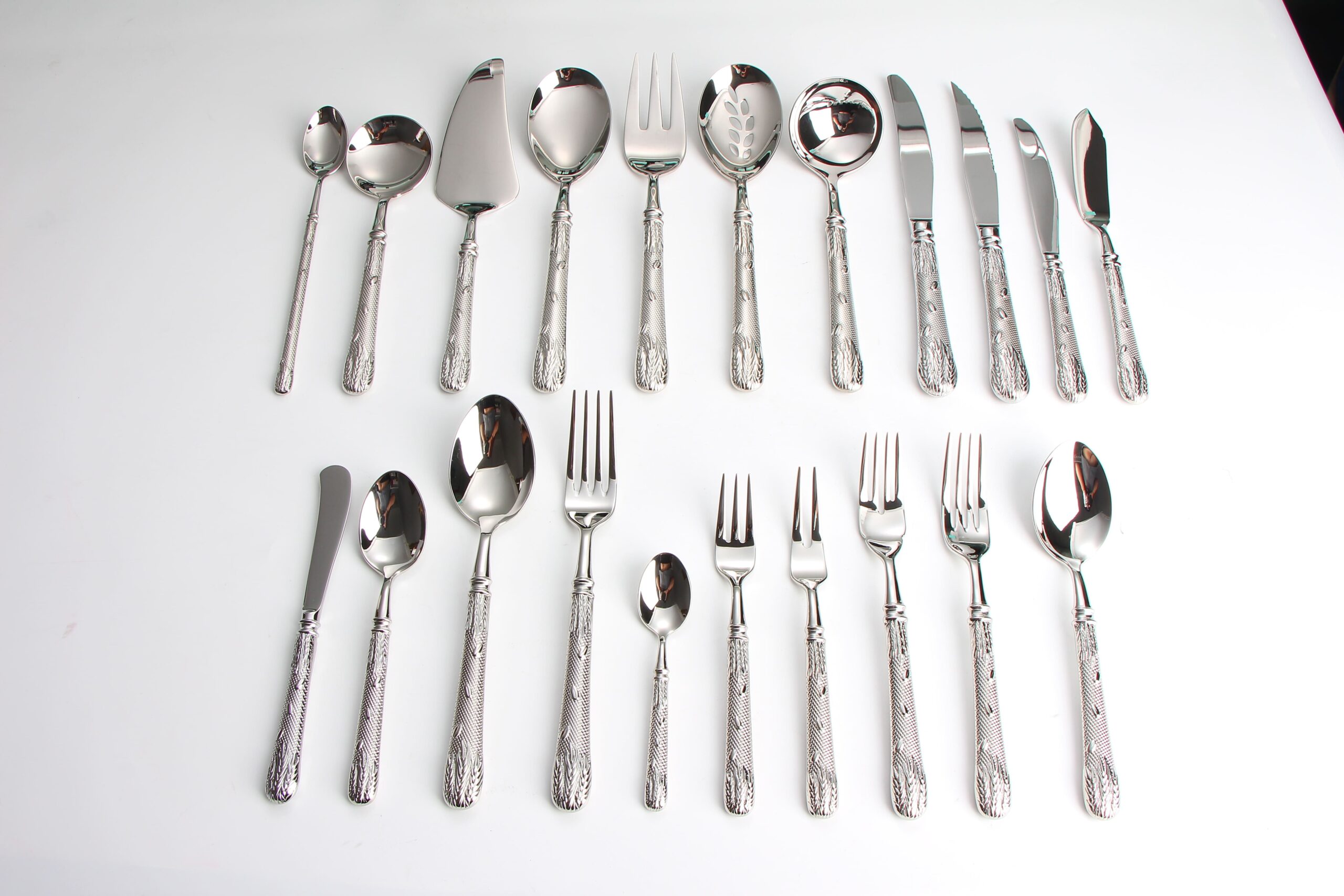
**The 96-hour salt spray test is vital for coastal hotels because it simulates years of exposure to salty air. It doesn’t just test the steel; it tests the protective passivation layer’s ability to resist constant attack from chloride ions, preventing widespread corrosion and product failure.**
### Diving Deeper into Corrosion Prevention
Many people think the salt spray test is about checking the basic quality of the steel. It is much more specific than that. We are actually testing the self-healing limit of the passivation layer. Stainless steel is “stainless” because a thin, invisible layer of chromium oxide forms on its surface, protecting the steel underneath.
In coastal areas, the air is full of chloride ions from the sea salt. These ions act like tiny drills, constantly attacking this protective layer. If they break through at a weak spot, corrosion begins. The 96-hour salt spray test continuously sprays a high-concentration salt mist onto the cutlery inside a chamber. This process is extremely aggressive. It is equivalent to several years of real-world exposure in a location like the Caribbean.
We look for any sign of *intergranular corrosion*, which is when rust forms between the metal’s microscopic grains. This is a deep, structural failure that can’t be polished away. I once worked with a developer on a large resort project. They chose a supplier who skipped this test to lower the price. One year after opening, all 10,000 sets of their cutlery showed rust spots. It was a massive, expensive failure. This test is the only technical way to prevent a “systemic failure” for large B2B orders meant for coastal projects. For us, it is a non-negotiable quality check.
## Forged vs. Stamped: Why Pay a 20% Premium for Forged Handles in Luxury Hospitality?
Are you choosing between forged and stamped cutlery for your establishment? The 20% higher price for forged handles might seem steep. But you should understand the long-term value it provides.
**The 20% premium for forged handles buys superior density, strength, and balance. The forging process strengthens the metal, preventing bending during heavy use. This durability and refined feel are essential for luxury hospitality, ultimately lowering replacement costs and enhancing the guest experience.**
### Diving Deeper into Manufacturing Methods
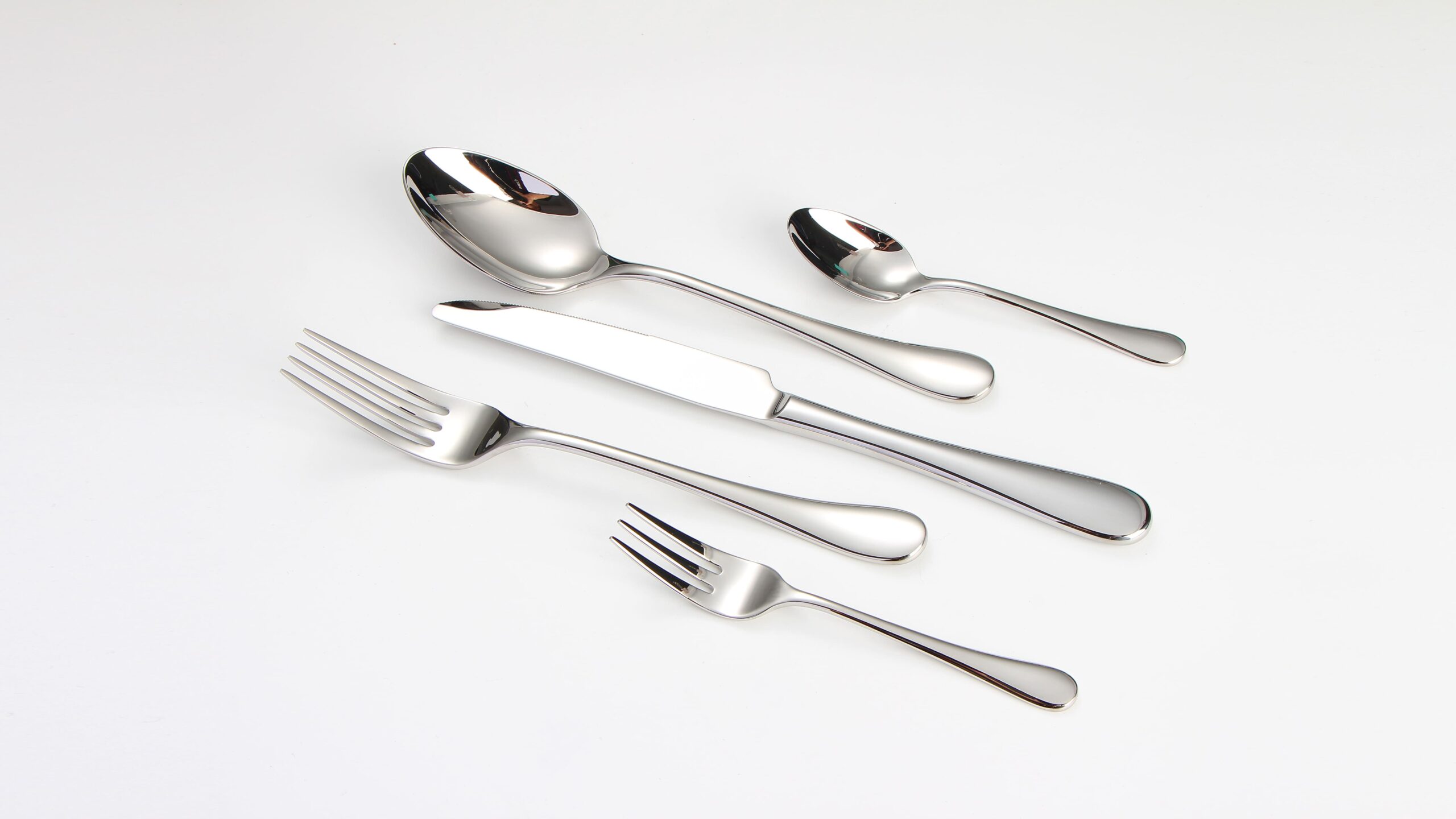
When you hold a stamped fork and a forged fork, you can immediately feel the difference. The forged piece feels heavier, more balanced, and more substantial. The real difference, however, is at the molecular level.
| Process | Description | Resulting Quality |
| :— | :— | :— |
| **Stamped** | Cut from a single flat sheet of steel, like using a cookie cutter. The handle is then bent into shape. | Fast and cost-effective. Weaker at stress points, especially the neck. Feels lighter and less balanced. |
| **Forged** | Made from a heated bar of steel that is hammered into shape. This process realigns the metal’s internal grain structure. | Slower and more expensive. Creates superior density and strength. The handle and neck are extremely resistant to bending. |
This alignment of the metal’s grains from forging dramatically increases what we call *fatigue strength*. This is especially important at the neck, the thinnest part of a fork or spoon. A guest trying to scoop hard ice cream can easily bend a stamped fork. A forged fork will not bend. The forging process also creates a denser surface, which allows for a finer, smoother polish. A smoother surface (a lower Ra, or surface roughness, value) is more resistant to tiny scratches and pitting corrosion. For a luxury hotel, this means the cutlery lasts longer and looks pristine for years. Paying 20% more upfront can reduce the total life cycle cost by over 30% because you replace it far less often.
## Why Does Your “18/10” Hotel Cutlery Still Develop Rust Spots in Industrial Washers?
Is your expensive 18/10 cutlery developing rust spots? You probably feel cheated after paying for what you thought was high-quality stainless steel. The problem is likely the finish, not the material.
**Your 18/10 cutlery rusts because of a poor surface finish and a failed protective layer. Cheap manufacturing often skips proper polishing and passivation. This leaves microscopic pits that trap detergents and cause rust spots, even on good quality steel. True quality is in the details of the finishing process.**
### Diving Deeper into Surface Science
This is one of the most common complaints I hear from new clients. They tell me, “I bought 18/10 stainless, the best grade, but it’s still rusting!” The reason is almost always hidden in the manufacturing process, not the raw material itself. The two main culprits are a poor surface and a weak protective layer.
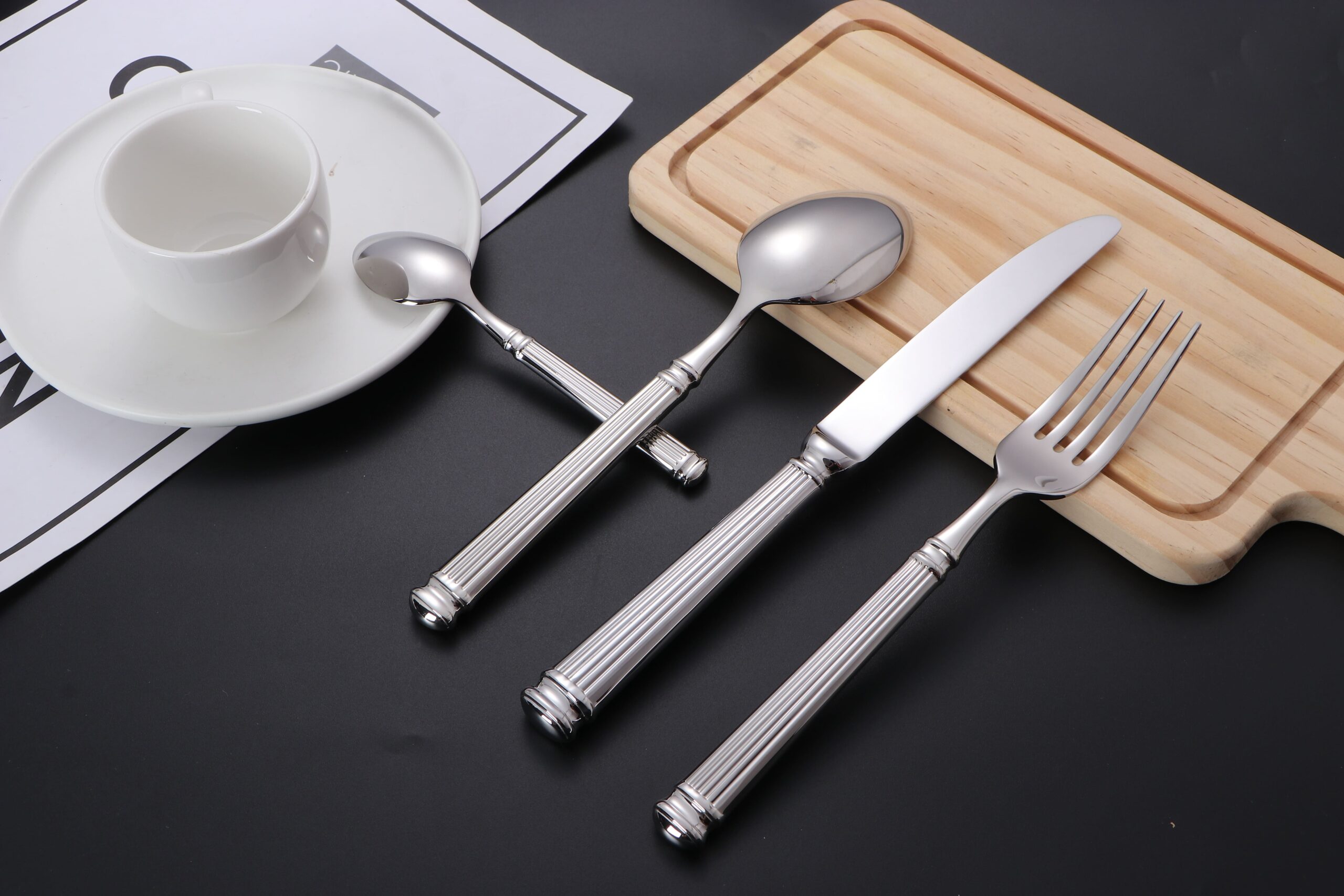
To save money and time, some factories rush the polishing process. This leaves the steel surface microscopically rough, full of tiny “pits.” After polishing, high-quality cutlery goes through an acid wash (a process called pickling) and then passivation. This two-step process thoroughly cleans the surface and then helps form a thick, uniform, protective chromium oxide layer.
When these crucial steps are shortened or skipped, those tiny pits on the surface trap water and chloride ions from dishwasher detergents. This is where *pitting corrosion*—the small, stubborn rust spots you see—begins. I explained this to Lisa, a sharp buyer from Turkey. She had sourced cutlery from a factory that offered a very low price. The samples looked fine, but the bulk order started rusting within weeks. We showed her magnified images of her cutlery’s surface compared to ours. The difference was obvious. True quality means using processes like vacuum passivation to create a dense, inert layer that can withstand harsh industrial washing. It’s a hidden detail that makes all the difference.
## Conclusion
From recycled steel to finishing details, choosing the right cutlery involves technical specifics. Focusing on these ensures durability, sustainability, and long-term value for your business.