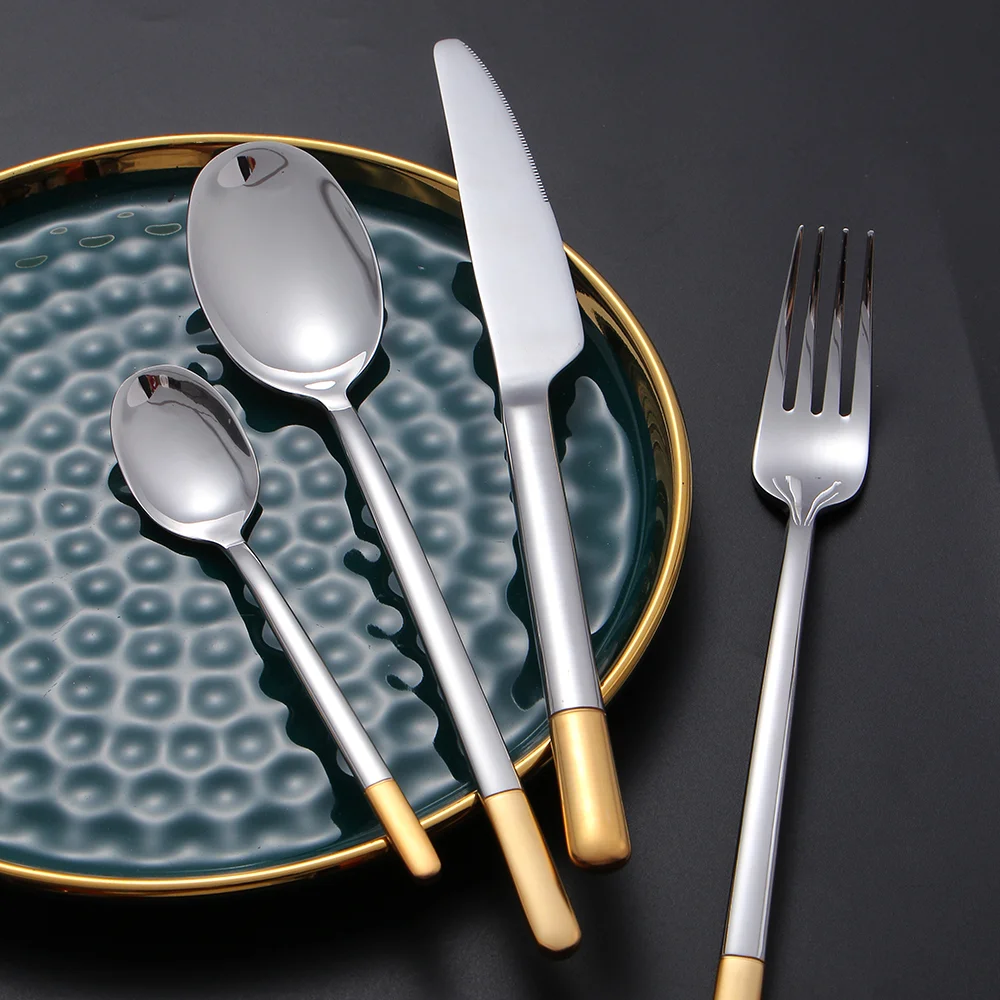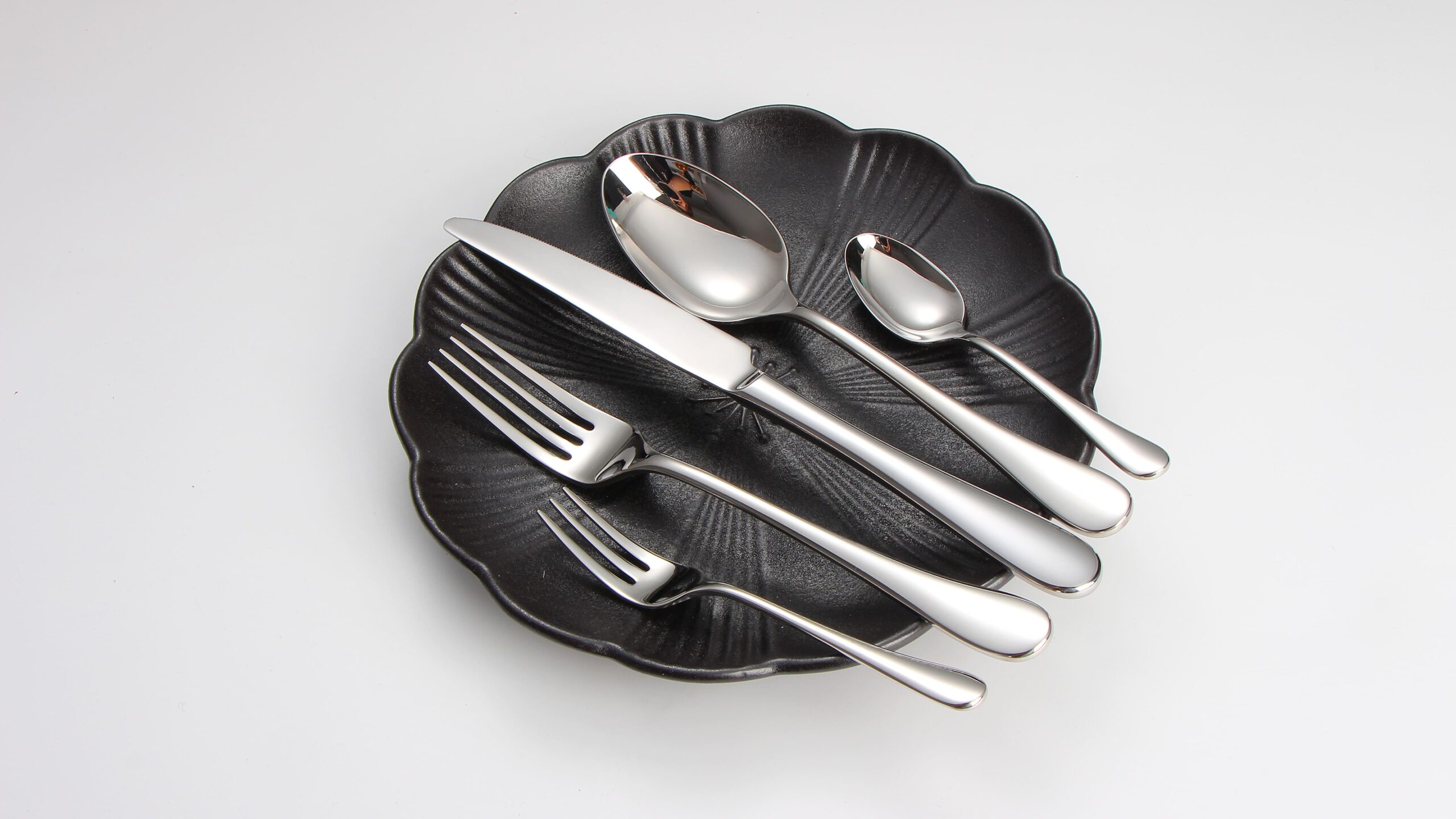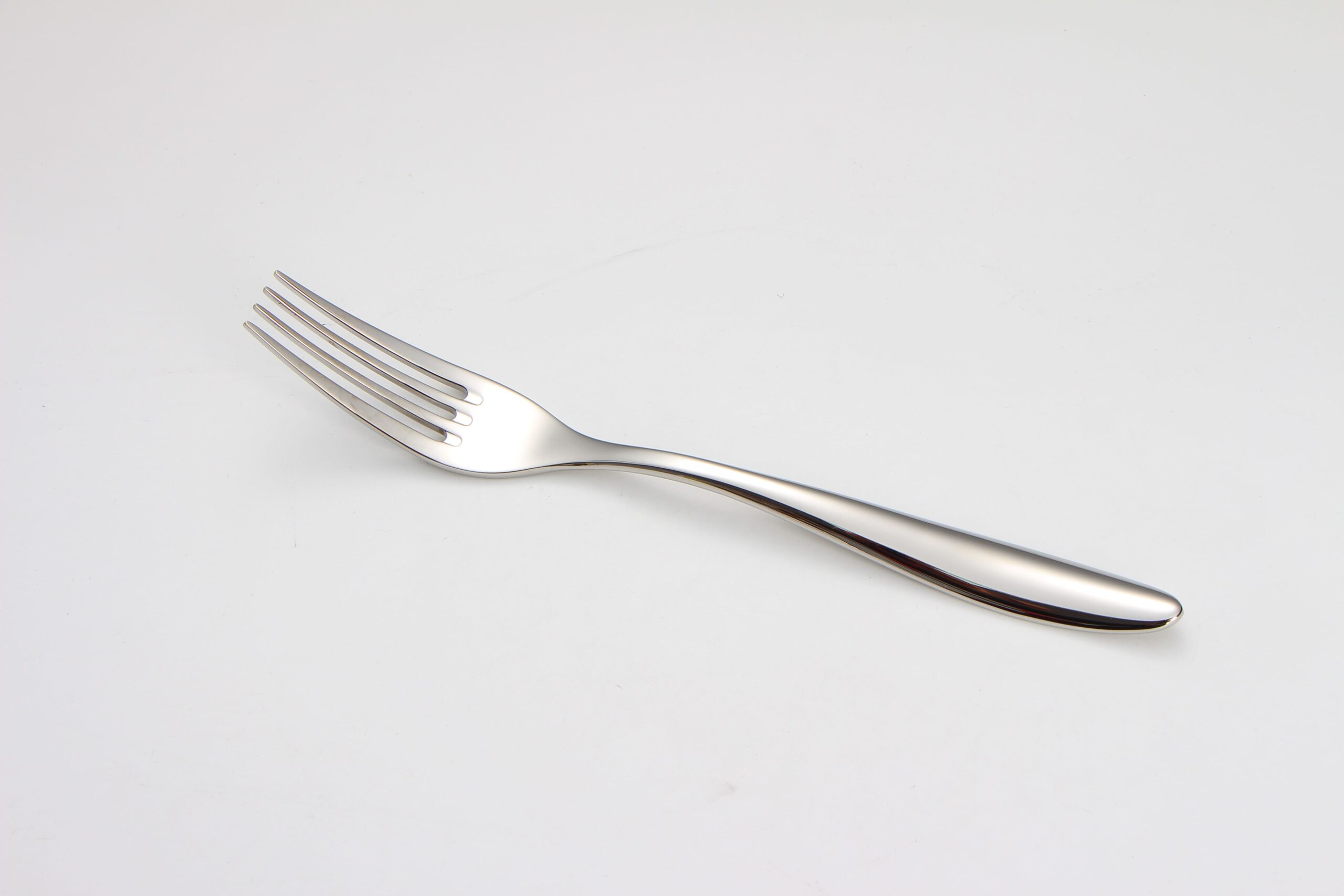
Your hotel’s flatware is constantly being replaced. This high turnover from harsh industrial washing is a hidden cost that eats away at your profits. What if the solution was microscopic?
**The key to reducing replacement rates isn’t just the steel grade; it’s molecular-level passivation and micron-level polishing. This process creates a protective shield, preventing chemical pitting and residue buildup from industrial detergents, which dramatically extends the life of your flatware and lowers long-term costs.**
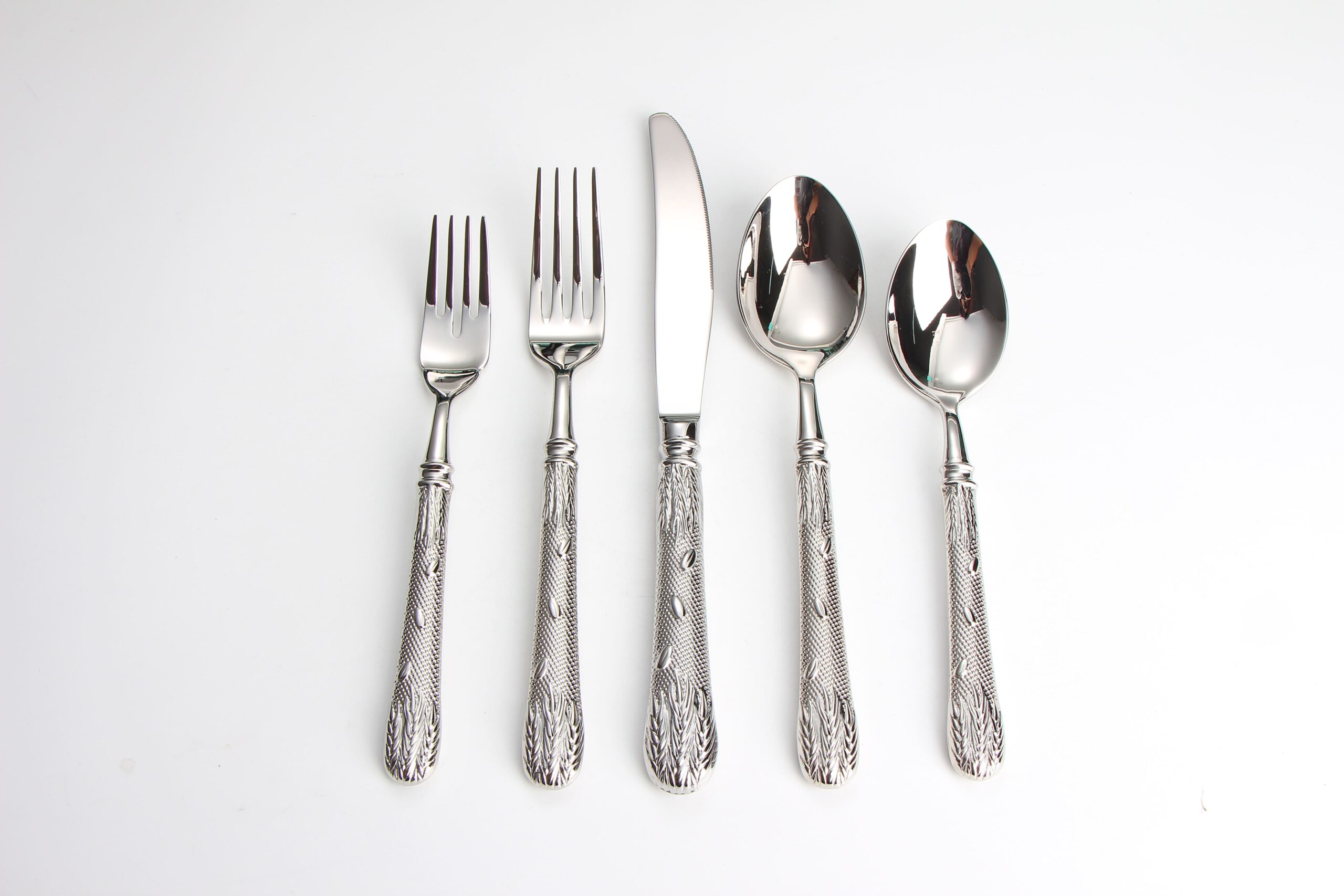
We work with hospitality clients every day, and one of their biggest unseen expenses is the constant cycle of replacing cutlery. It looks like a small cost on paper, but it adds up to a significant operational drain over the year. Many believe that buying [18/10 stainless steel](https://en.wikipedia.org/wiki/Stainless_steel)[^1] is the final answer, but that’s only the beginning of the story. The real secret to longevity lies in the finishing processes that happen long before the flatware reaches your hotel. In this article, we’ll break down the technical details that separate durable, investment-grade cutlery from the kind you have to replace every year. Let’s look at the specific issues that cause premature failure and the solutions we’ve developed to solve them for our B2B partners.
## Why Does the Failure of Hollow Handle Knife Welding Lead to Mass Recall in the Hospitality Industry?
You invested in elegant hollow handle knives for a lighter feel. But now, you notice a strange smell, or worse, a customer sees rusty water leak onto their plate.
**A poorly sealed weld on a hollow handle knife allows dirty wash water to get trapped inside. This creates an unhygienic breeding ground for bacteria and causes internal corrosion, leading to product failure and potentially damaging brand reputation, which often forces a mass recall.**
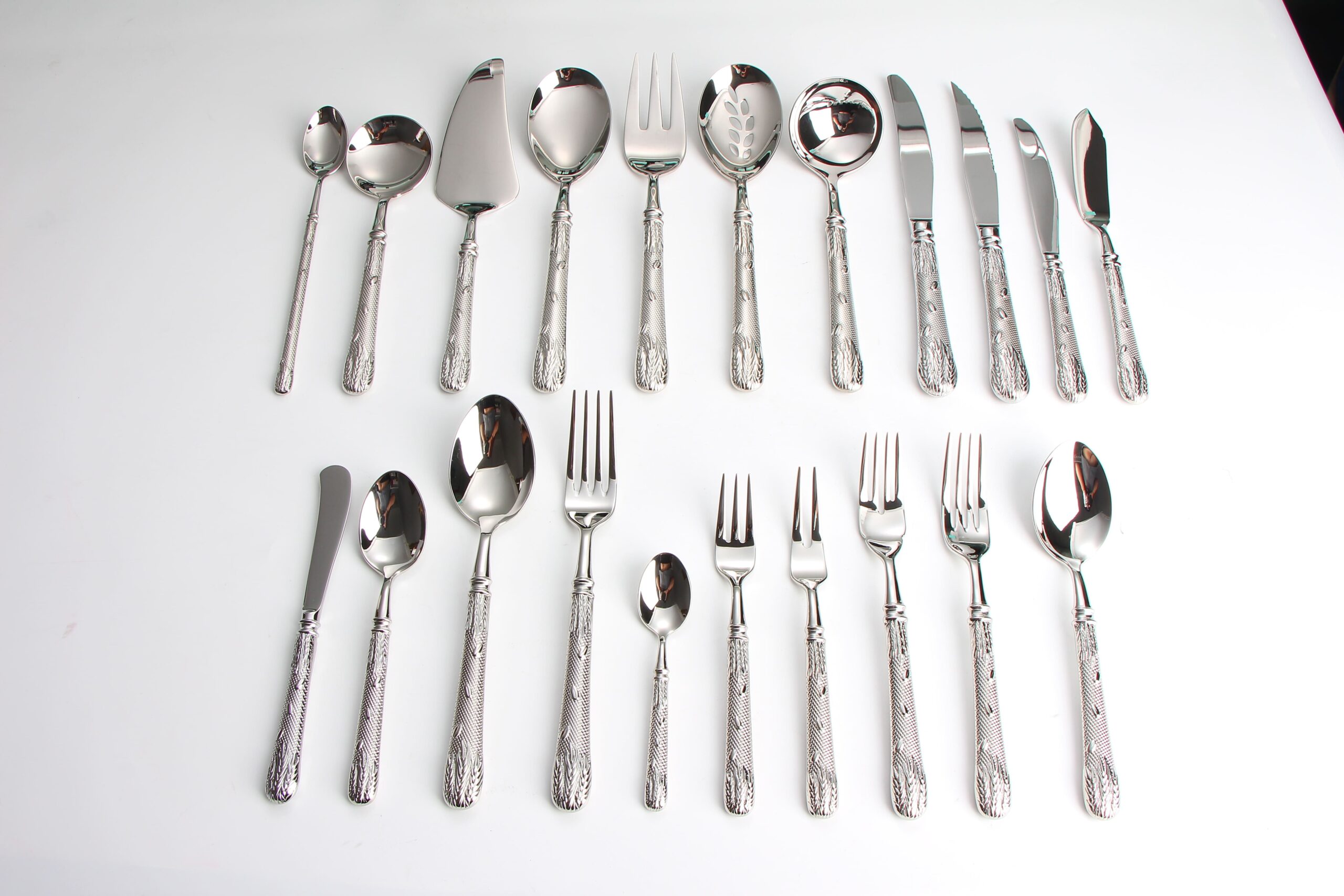
The integrity of a hollow handle knife comes down entirely to its weld. This single point is where the blade joins the handle, and it must be a perfect, airtight seal. If there are any microscopic gaps, the high-pressure water from an [industrial dishwasher](https://en.wikipedia.org/wiki/List_of_How_It%27s_Made_episodes)[^2] will force its way inside. Once trapped, that water and detergent mixture can’t escape. It corrodes the metal from the inside out, creating a serious health hazard. For a hotel or restaurant, this is a ticking time bomb. We’ve seen clients come to us after experiencing this with other suppliers, facing the massive cost and logistical nightmare of a full product recall. Our manufacturing process includes multi-stage quality checks specifically on these weld points to guarantee a perfect seal, protecting our clients from this preventable failure.
### Comparing Welding Standards
| Feature | Low-Quality Welding | Our B2B Standard (High-Frequency Welding) |
| :— | :— | :— |
| **Seal Integrity** | Microscopic gaps present | Completely hermetic and seamless |
| **Internal Risk** | Water ingress, internal rust | No risk of internal contamination |
| **Durability** | Prone to failure under stress | Withstands thermal shock and pressure |
| **Hygiene** | High risk of bacteria growth | 100% sanitary and safe for guests |
## Can a Standardized Washing SOP Reduce Your Hotel’s Cutlery Annual Replacement Rate by 15%?
You’re buying high-quality cutlery, but it’s still scratching, staining, and getting discarded. The problem isn’t the product; it’s the process your team follows every single day.
**Yes, absolutely. A clear, standardized washing SOP can cut your replacement rate significantly. By defining everything from detergent use to rack placement, you prevent the common mistakes that damage flatware, saving your hotel thousands in annual replacement costs and preserving the guest experience.**
Many of our B2B clients, especially large hotel chains, are surprised to learn how much of their cutlery loss is due to improper handling, not product defects. Without a clear set of rules, staff may use harsh chemicals, overload dishwasher racks causing scratches, or leave acidic food residue on utensils for too long, causing pitting. To solve this, we provide our partners with a customized care and maintenance manual. This isn’t just a generic guide; it’s a detailed [Standard Operating Procedure (SOP)](https://en.wikipedia.org/wiki/Kitchen_utensil)[^3] tailored to their specific equipment and cutlery. It’s a simple, value-added service that empowers their team to protect the investment. By implementing these clear guidelines, our clients have seen a direct and measurable drop in their annual replacement needs, proving that a good process is just as important as a good product.
### Key Elements of a Cutlery Care SOP
– **Pre-Soaking:** Use a non-abrasive plastic container with a mild, pH-neutral pre-soak solution. Never use metal bins, which can cause galvanic corrosion.
– **Loading:** Place cutlery in racks with handles down and business ends up to ensure thorough cleaning. Avoid overcrowding to prevent scratching.
– **Detergent:** Use only recommended, non-chlorinated detergents. Chlorine is the number one enemy of stainless steel.
– **Rinsing:** Ensure the final rinse cycle is working properly to remove all chemical residue.
– **Drying & Storage:** Towel-dry immediately to prevent water spots and store in a dry, non-abrasive container.
## What Maintenance Protocols Reduce the Annual Replacement Cost of Hotel Cutlery by 20%?
Cutlery seems to just disappear or get damaged, and it’s written off as a standard business expense. But this steady drain on your budget is controllable and can be significantly reduced.
**To cut replacement costs by 20% or more, implement a four-part system: staff accountability agreements, full process controls from table to storage, a strict handling SOP, and a rapid-response agreement with your supplier. This comprehensive approach tackles loss and damage from all angles.**
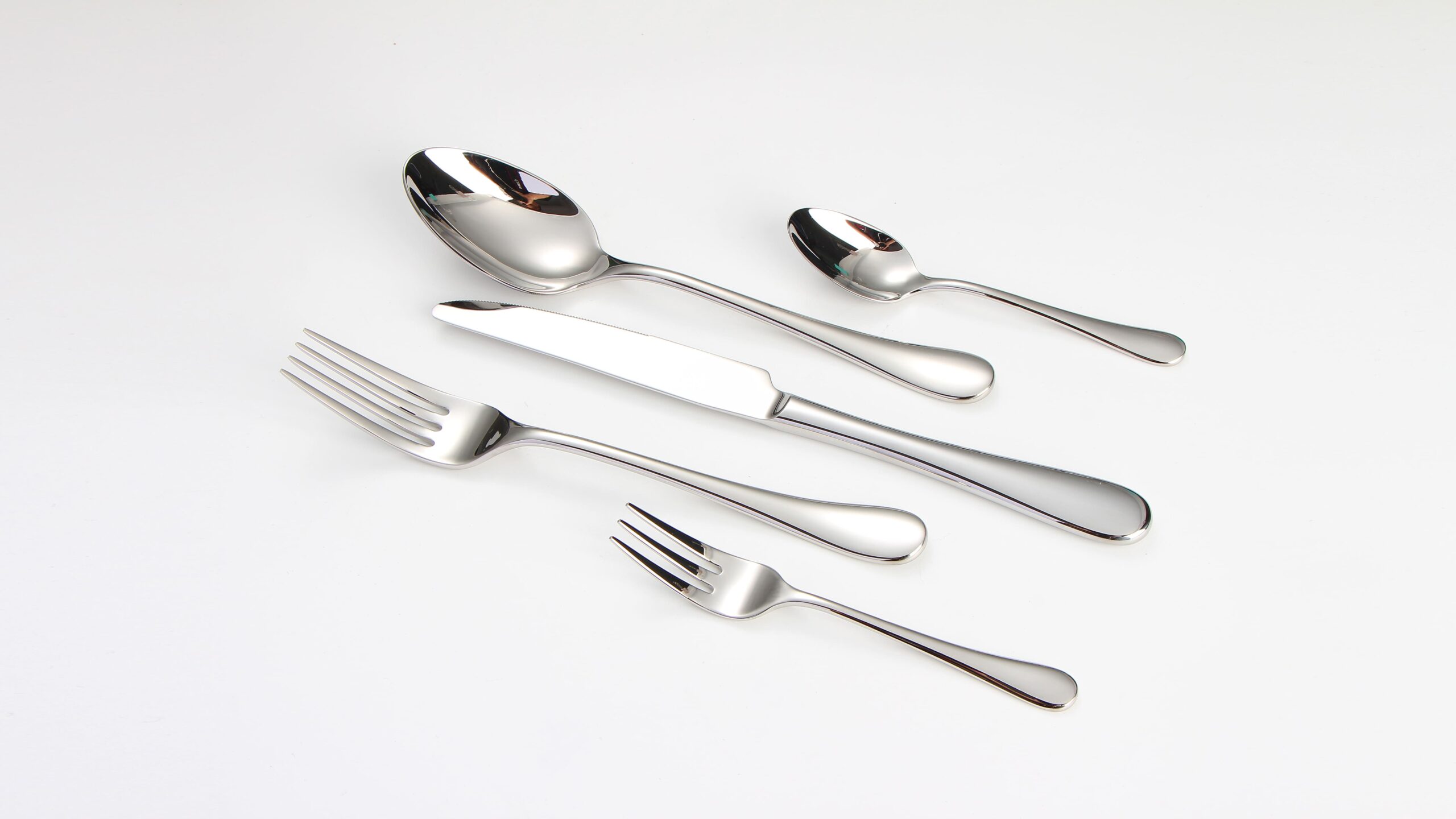
Reducing asset loss goes beyond just washing procedures. It requires a holistic system that involves your people, your processes, and your partners. We’ve helped our most successful hotel clients build robust maintenance protocols that deliver real savings. It starts with clear accountability, where staff understand the value of the tools they use. Then, we help map out the entire journey of the cutlery—from the dining table, to the clearing station, to the dish pit, and finally to storage. By identifying and controlling each touchpoint, you can minimize opportunities for accidental damage or loss. The final piece is the partnership with us, your supplier. Our B2B agreements include rapid support clauses, ensuring that if a manufacturing issue ever arises, you get a fast solution without impacting your service. This four-pronged strategy turns a variable expense into a predictable, well-managed cost.
### The Four Pillars of Cutlery Cost Control
| Protocol | Objective | Key Action |
| :— | :— | :— |
| **1. Accountability Protocol** | Reduce careless loss | Implement a sign-out/sign-in system for special items and link breakage to team performance. |
| **2. Process Control Protocol** | Minimize handling damage | Use designated sorting bins and non-abrasive transport methods; forbid throwing cutlery. |
| **3. Care & Handling SOP** | Extend product lifespan | Enforce the standardized washing, drying, and storage procedures mentioned earlier. |
| **4. Supplier Support Agreement** | Ensure operational continuity | Establish a warranty and rapid replacement plan with us for any quality-related issues. |
## How Many Microns of Gold Plating Are Needed for Professional Hotel Cutlery?
You want the opulent look of gold cutlery for your five-star establishment. But you’re worried the finish will wear off in your [industrial dishwasher](https://en.wikipedia.org/wiki/List_of_How_It%27s_Made_episodes)[^2], making a poor impression on guests.
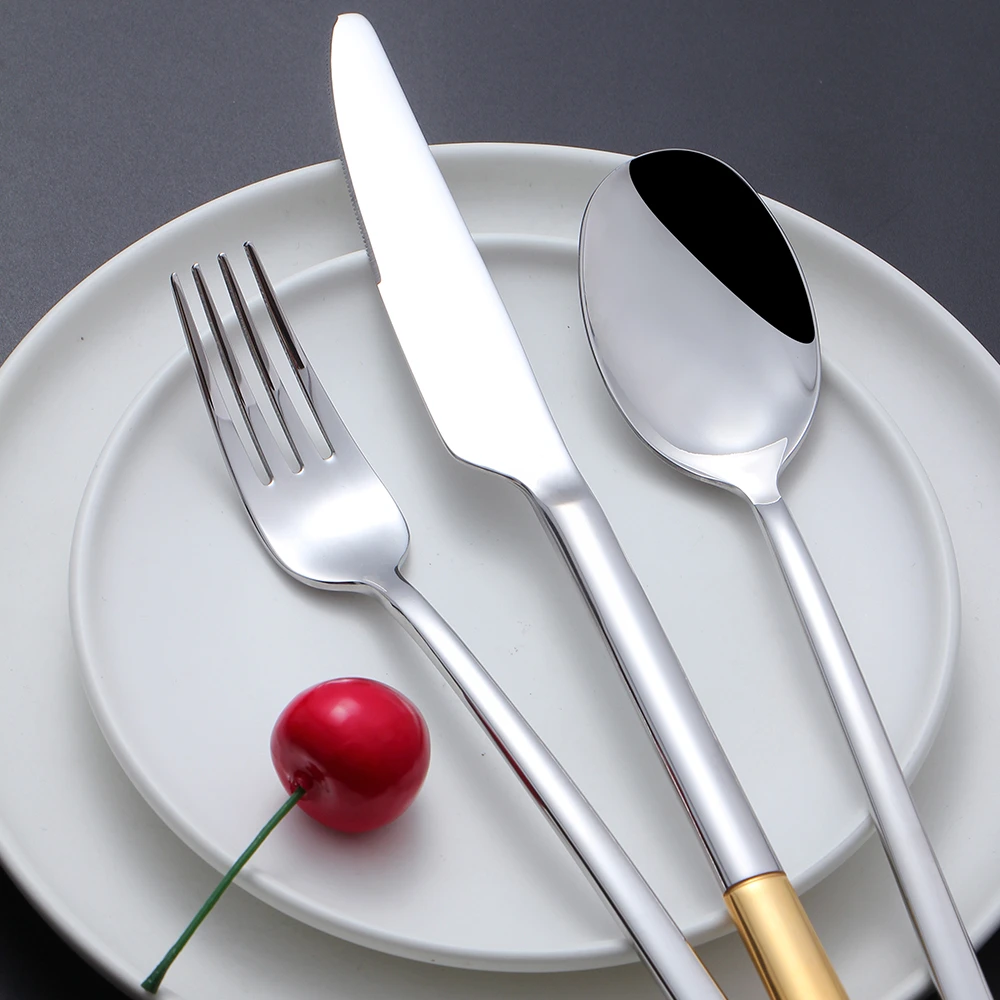
**Modern five-star hotels have moved away from thick electroplating. Instead, we use [PVD vacuum plating](https://en.wikipedia.org/wiki/Zirconium_dioxide)[^4] at a thickness of 0.1-0.3 microns. Anything thicker can become brittle and flake off. This advanced method is far more durable for professional use.**
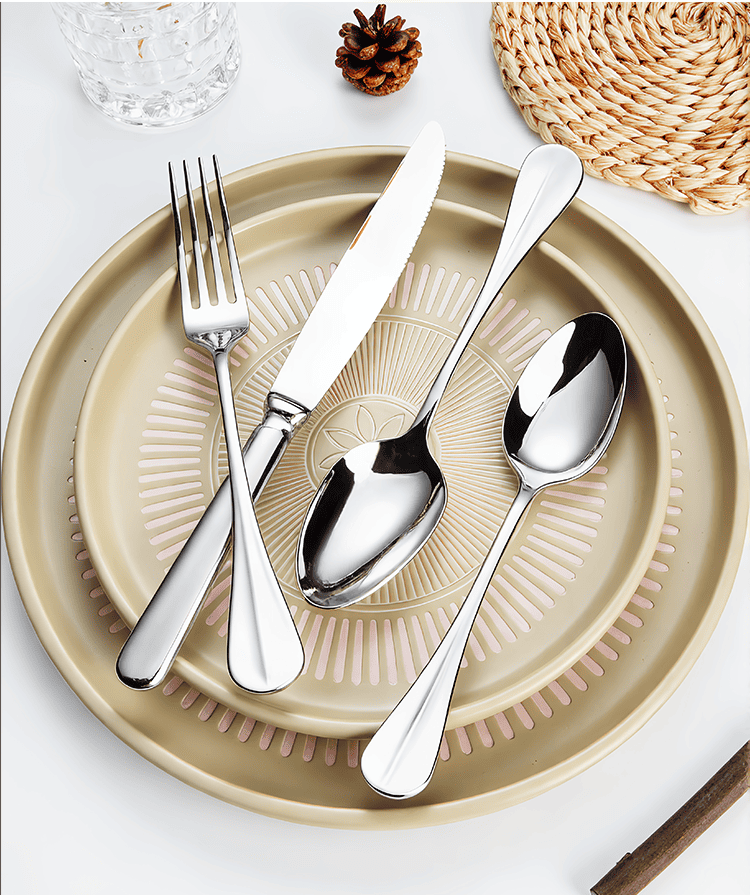
The common assumption is that a thicker gold coating means better quality. In reality, for the demands of the hotel industry, the opposite is true. Traditional electroplating, especially when applied too thickly (over 0.5 microns), has internal stresses that make it prone to chipping and flaking under the thermal shock of a commercial dishwasher. That’s why we exclusively use [Physical Vapor Deposition (PVD)](https://en.wikipedia.org/wiki/Plating)[^5] technology for our B2B clients. We start by applying an ultra-hard [Titanium Nitride (TiN)](https://en.wikipedia.org/wiki/List_of_blade_materials)[^6] base layer to the stainless steel. Then, in a vacuum chamber, we sputter gold elements onto the surface molecule by molecule. This creates a finish that is thin, flexible, and incredibly hard—over 2000HV. The result is a “thin but tough” coating that maintains its color after more than 1,000 industrial wash cycles, giving you the perfect balance of luxury appearance and B2B durability.
## Conclusion
Reducing your hotel’s cutlery replacement costs comes down to smart technology, solid operational processes, and choosing a supplier who acts as a true partner in your success.Your hotel’s flatware is constantly being replaced. This high turnover from harsh industrial washing is a hidden cost that eats away at your profits. What if the solution was microscopic?
**The key to reducing replacement rates isn’t just the steel grade; it’s molecular-level passivation and micron-level polishing. This process creates a protective shield, preventing chemical pitting and residue buildup from industrial detergents, which dramatically extends the life of your flatware and lowers long-term costs.**

We work with hospitality clients every day, and one of their biggest unseen expenses is the constant cycle of replacing cutlery. It looks like a small cost on paper, but it adds up to a significant operational drain over the year. Many believe that buying [18/10 stainless steel](https://en.wikipedia.org/wiki/Stainless_steel)[^1] is the final answer, but that’s only the beginning of the story. The real secret to longevity lies in the finishing processes that happen long before the flatware reaches your hotel. In this article, we’ll break down the technical details that separate durable, investment-grade cutlery from the kind you have to replace every year. Let’s look at the specific issues that cause premature failure and the solutions we’ve developed to solve them for our B2B partners.
## Why Does the Failure of Hollow Handle Knife Welding Lead to Mass Recall in the Hospitality Industry?
You invested in elegant hollow handle knives for a lighter feel. But now, you notice a strange smell, or worse, a customer sees rusty water leak onto their plate.
**A poorly sealed weld on a hollow handle knife allows dirty wash water to get trapped inside. This creates an unhygienic breeding ground for bacteria and causes internal corrosion, leading to product failure and potentially damaging brand reputation, which often forces a mass recall.**

The integrity of a hollow handle knife comes down entirely to its weld. This single point is where the blade joins the handle, and it must be a perfect, airtight seal. If there are any microscopic gaps, the high-pressure water from an industrial dishwasher will force its way inside. Once trapped, that water and detergent mixture can’t escape. It corrodes the metal from the inside out, creating a serious health hazard. For a hotel or restaurant, this is a ticking time bomb. We’ve seen clients come to us after experiencing this with other suppliers, facing the massive cost and logistical nightmare of a full product recall. Our manufacturing process includes multi-stage quality checks specifically on these weld points to guarantee a perfect seal, protecting our clients from this preventable failure.
### Comparing Welding Standards
| Feature | Low-Quality Welding | Our B2B Standard (High-Frequency Welding) |
| :— | :— | :— |
| **Seal Integrity** | Microscopic gaps present | Completely hermetic and seamless |
| **Internal Risk** | Water ingress, internal rust | No risk of internal contamination |
| **Durability** | Prone to failure under stress | Withstands thermal shock and pressure |
| **Hygiene** | High risk of bacteria growth | 100% sanitary and safe for guests |
## Can a Standardized Washing SOP Reduce Your Hotel’s Cutlery Annual Replacement Rate by 15%?
You’re buying high-quality cutlery, but it’s still scratching, staining, and getting discarded. The problem isn’t the product; it’s the process your team follows every single day.
**Yes, absolutely. A clear, standardized washing SOP can cut your replacement rate significantly. By defining everything from detergent use to rack placement, you prevent the common mistakes that damage flatware, saving your hotel thousands in annual replacement costs and preserving the guest experience.**
Many of our B2B clients, especially large hotel chains, are surprised to learn how much of their cutlery loss is due to improper handling, not product defects. Without a clear set of rules, staff may use harsh chemicals, overload dishwasher racks causing scratches, or leave acidic food residue on utensils for too long, causing pitting. To solve this, we provide our partners with a customized care and maintenance manual. This isn’t just a generic guide; it’s a detailed [Standard Operating Procedure (SOP)](https://en.wikipedia.org/wiki/Kitchen_utensil)[^3] tailored to their specific equipment and cutlery. It’s a simple, value-added service that empowers their team to protect the investment. By implementing these clear guidelines, our clients have seen a direct and measurable drop in their annual replacement needs, proving that a good process is just as important as a good product.
### Key Elements of a Cutlery Care SOP
– **Pre-Soaking:** Use a non-abrasive plastic container with a mild, pH-neutral pre-soak solution. Never use metal bins, which can cause galvanic corrosion.
– **Loading:** Place cutlery in racks with handles down and business ends up to ensure thorough cleaning. Avoid overcrowding to prevent scratching.
– **Detergent:** Use only recommended, non-chlorinated detergents. Chlorine is the number one enemy of stainless steel.
– **Rinsing:** Ensure the final rinse cycle is working properly to remove all chemical residue.
– **Drying & Storage:** Towel-dry immediately to prevent water spots and store in a dry, non-abrasive container.
## What Maintenance Protocols Reduce the Annual Replacement Cost of Hotel Cutlery by 20%?
Cutlery seems to just disappear or get damaged, and it’s written off as a standard business expense. But this steady drain on your budget is controllable and can be significantly reduced.
**To cut replacement costs by 20% or more, implement a four-part system: staff accountability agreements, full process controls from table to storage, a strict handling SOP, and a rapid-response agreement with your supplier. This comprehensive approach tackles loss and damage from all angles.**

Reducing asset loss goes beyond just washing procedures. It requires a holistic system that involves your people, your processes, and your partners. We’ve helped our most successful hotel clients build robust maintenance protocols that deliver real savings. It starts with clear accountability, where staff understand the value of the tools they use. Then, we help map out the entire journey of the cutlery—from the dining table, to the clearing station, to the dish pit, and finally to storage. By identifying and controlling each touchpoint, you can minimize opportunities for accidental damage or loss. The final piece is the partnership with us, your supplier. Our B2B agreements include rapid support clauses, ensuring that if a manufacturing issue ever arises, you get a fast solution without impacting your service. This four-pronged strategy turns a variable expense into a predictable, well-managed cost.
### The Four Pillars of Cutlery Cost Control
| Protocol | Objective | Key Action |
| :— | :— | :— |
| **1. Accountability Protocol** | Reduce careless loss | Implement a sign-out/sign-in system for special items and link breakage to team performance. |
| **2. Process Control Protocol** | Minimize handling damage | Use designated sorting bins and non-abrasive transport methods; forbid throwing cutlery. |
| **3. Care & Handling SOP** | Extend product lifespan | Enforce the standardized washing, drying, and storage procedures mentioned earlier. |
| **4. Supplier Support Agreement** | Ensure operational continuity | Establish a warranty and rapid replacement plan with us for any quality-related issues. |
## How Many Microns of Gold Plating Are Needed for Professional Hotel Cutlery?
You want the opulent look of gold cutlery for your five-star establishment. But you’re worried the finish will wear off in your industrial dishwasher, making a poor impression on guests.
**Modern five-star hotels have moved away from thick electroplating. Instead, we use PVD vacuum plating at a thickness of 0.1-0.3 microns. Anything thicker can become brittle and flake off. This advanced method is far more durable for professional use.**

The common assumption is that a thicker gold coating means better quality. In reality, for the demands of the hotel industry, the opposite is true. Traditional electroplating, especially when applied too thickly (over 0.5 microns), has internal stresses that make it prone to chipping and flaking under the thermal shock of a commercial dishwasher. That’s why we exclusively use Physical Vapor Deposition (PVD) technology for our B2B clients. We start by applying an ultra-hard Titanium Nitride (TiN) base layer to the stainless steel. Then, in a vacuum chamber, we sputter gold elements onto the surface molecule by molecule. This creates a finish that is thin, flexible, and incredibly hard—over 2000HV. The result is a “thin but tough” coating that maintains its color after more than 1,000 industrial wash cycles, giving you the perfect balance of luxury appearance and B2B durability.
## Conclusion
Reducing your hotel’s cutlery replacement costs comes down to smart technology, solid operational processes, and choosing a supplier who acts as a true partner in your success.