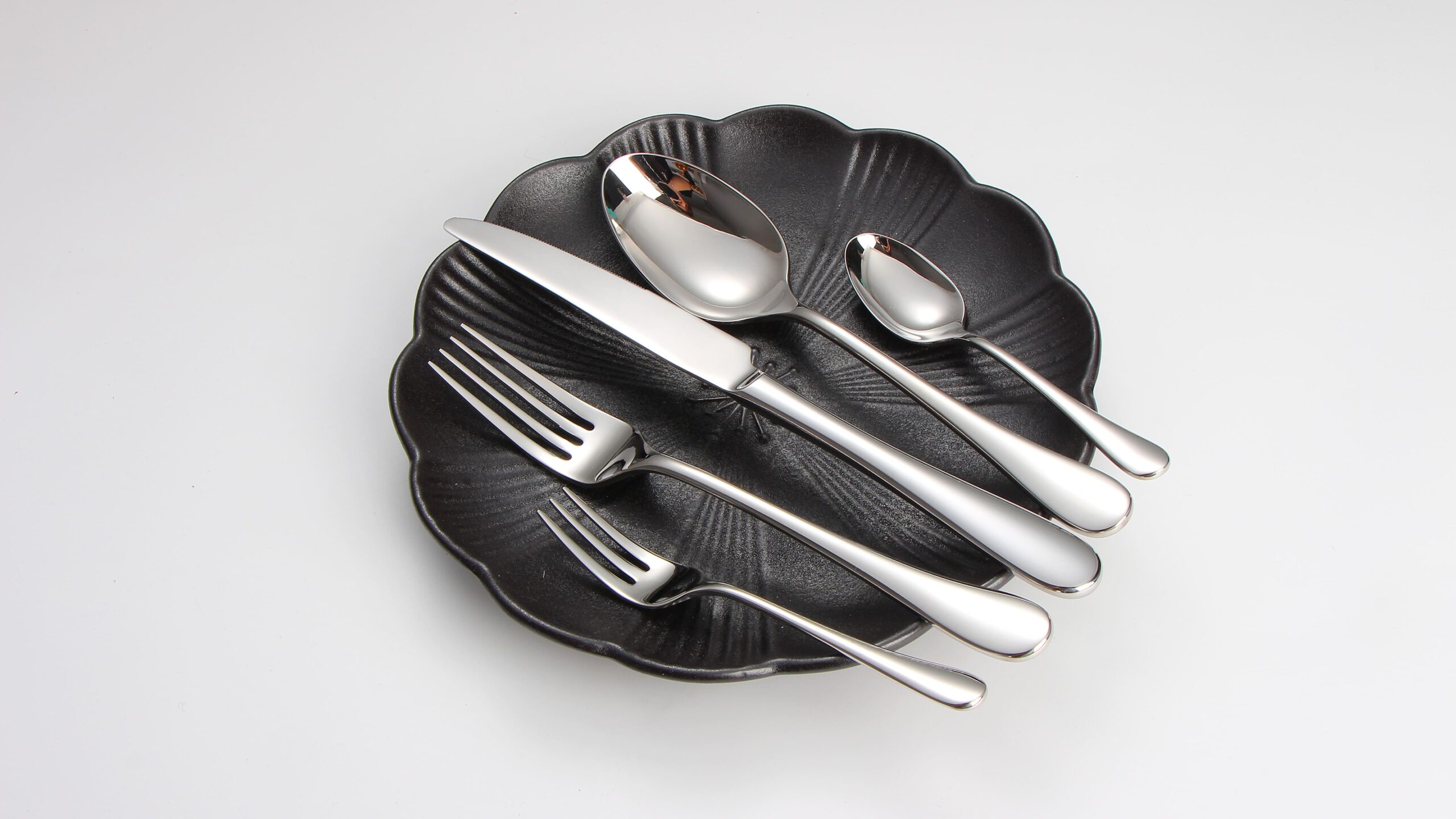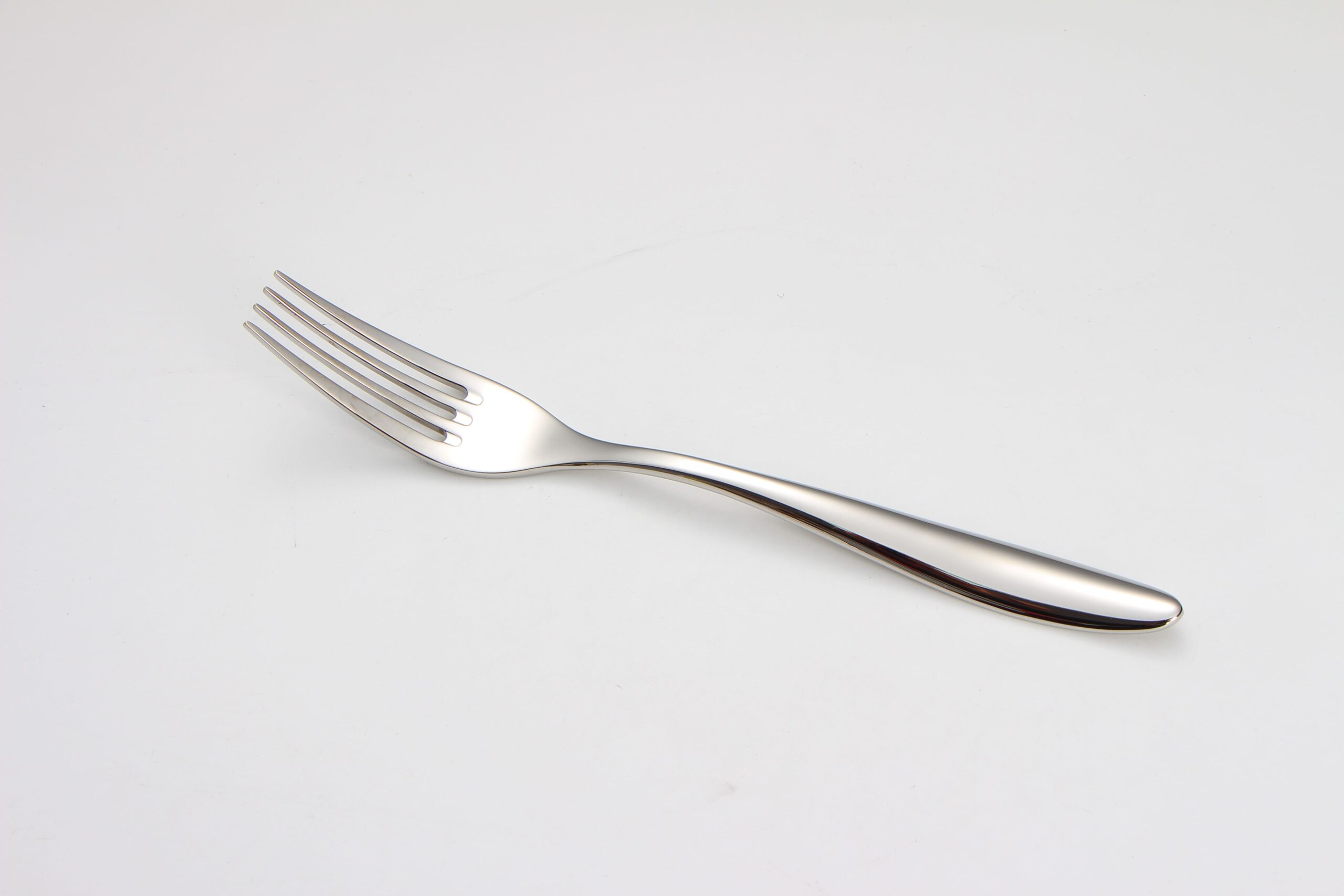
Airlines face constant pressure from [high fuel costs](https://en.wikipedia.org/wiki/Fuel_economy_in_aircraft). Every extra gram on board adds up, so finding clever ways to reduce weight, like [optimizing flatware](https://en.wikipedia.org/wiki/Wikipedia:Unusual_articles), is a smart move.
**The key to balancing weight and durability is using advanced manufacturing and materials. Techniques like [hollow handle technology](https://en.wikipedia.org/wiki/Bob_Loveless), precision tapering, and materials like titanium reduce flatware weight significantly without compromising the strength needed for constant airline use and industrial washing.**
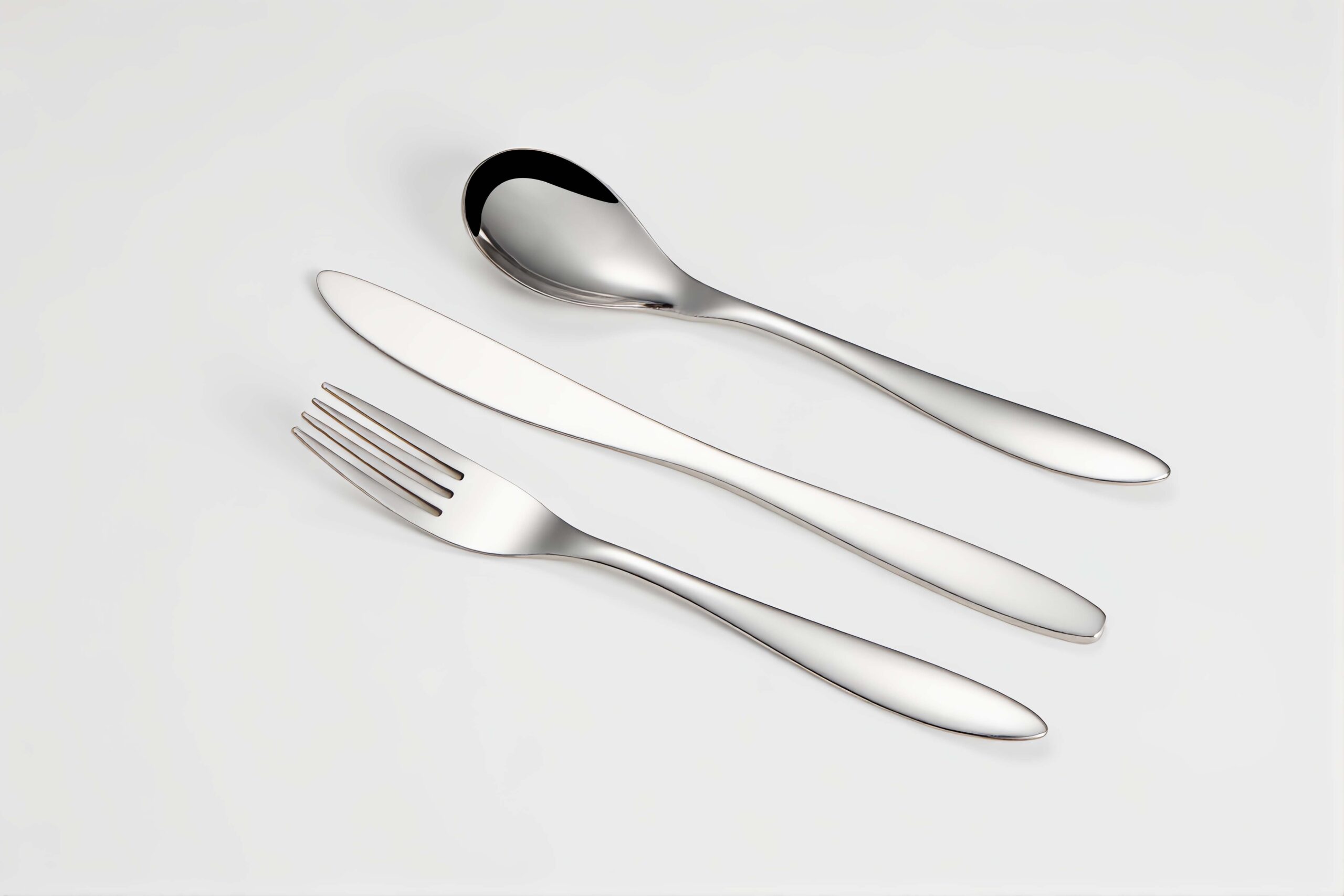
It sounds simple, but getting this balance right is a real manufacturing challenge. As a supplier, we’ve spent years perfecting these techniques to help our airline partners save money without disappointing their passengers. The a-ha moment for many of our clients is when they realize that the small fork in their hand is directly connected to the airline’s massive fuel bill. Let’s look at some specific ways we achieve this for our airline clients, turning a simple meal service into a source of significant savings.
## Can Custom Titanium Sporks Enhance the Cabin Service Experience for Airlines?
Standard metal flatware can feel cold and leave a metallic taste. This small detail can detract from the premium dining experience that airlines work so hard to create for passengers.
**Yes, custom titanium sporks greatly improve the cabin experience. Their natural [biocompatibility](https://en.wikipedia.org/wiki/Biocompatibility) removes any metallic aftertaste, and their low thermal conductivity gives them a warmer, more pleasant feel. They are also incredibly lightweight and durable, offering a premium, eco-friendly option for airlines.**
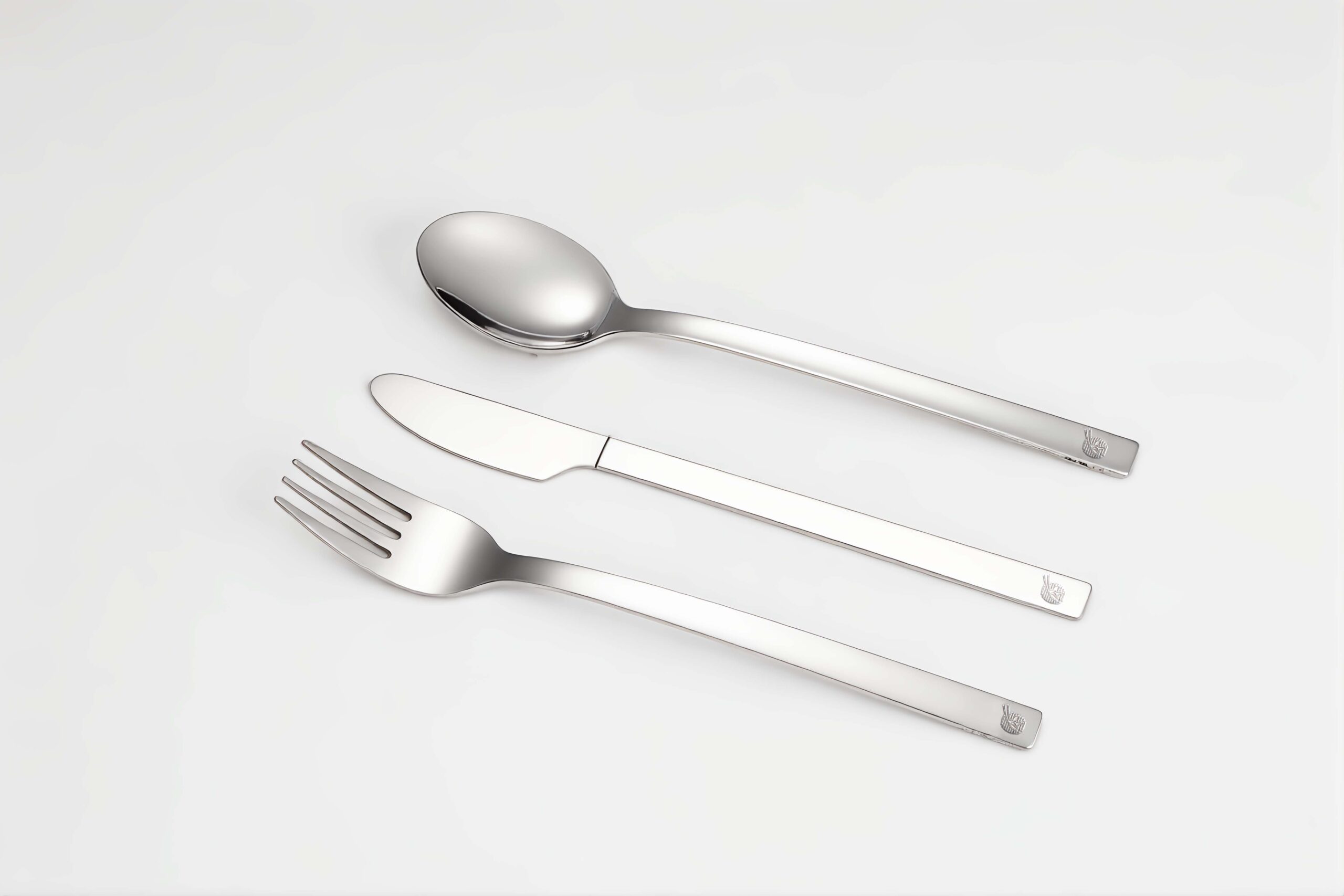
When we talk about titanium, we are moving into the top tier of in-flight service. The core advantages of [titanium flatware](https://en.wikipedia.org/wiki/Cutlery) are its biocompatibility and extremely low heat conduction. This means it completely eliminates the metallic taste you sometimes get with steel and provides a much warmer, more comfortable feel when eating. From a technical standpoint, we had to solve some challenges. Titanium is prone to showing fingerprints, so we use a special vacuum anodizing process to create a clean, resistant surface. The tooling process is also much harder to control than with stainless steel due to the material’s spring-back properties. However, the benefits are clear. Titanium is ultra-lightweight and has a nearly infinite lifespan. For an airline, it’s the perfect tool to signal a commitment to a “geeky-eco-friendly” image and extreme weight reduction, justifying a premium service.
| Feature | Stainless Steel | Titanium | Benefit for Airlines |
| :— | :— | :— | :— |
| **Taste** | Can have a slight metallic taste | No metallic taste (biocompatible) | Enhances food flavor |
| **Feel** | Cold to the touch | Warmer to the touch | More comfortable for passengers |
| **Weight** | Standard | Ultra-lightweight | Significant fuel savings |
| **Durability** | High | Extremely high | Nearly infinite lifespan |
## How Can Hollow Handle Technology Reduce Fuel Costs for Global Airline Fleets?
First and business-class passengers expect substantial, premium-feeling flatware. But this traditional heavy weight adds up quickly across an entire fleet, directly increasing fuel consumption on every single flight.
**Hollow handle technology cuts the weight of each utensil by 30-45% while keeping that premium, solid feel. We achieve this by precisely welding a thinned-out, hollowed handle. This weight reduction, multiplied across a large fleet, leads to major fuel savings and lower emissions.**
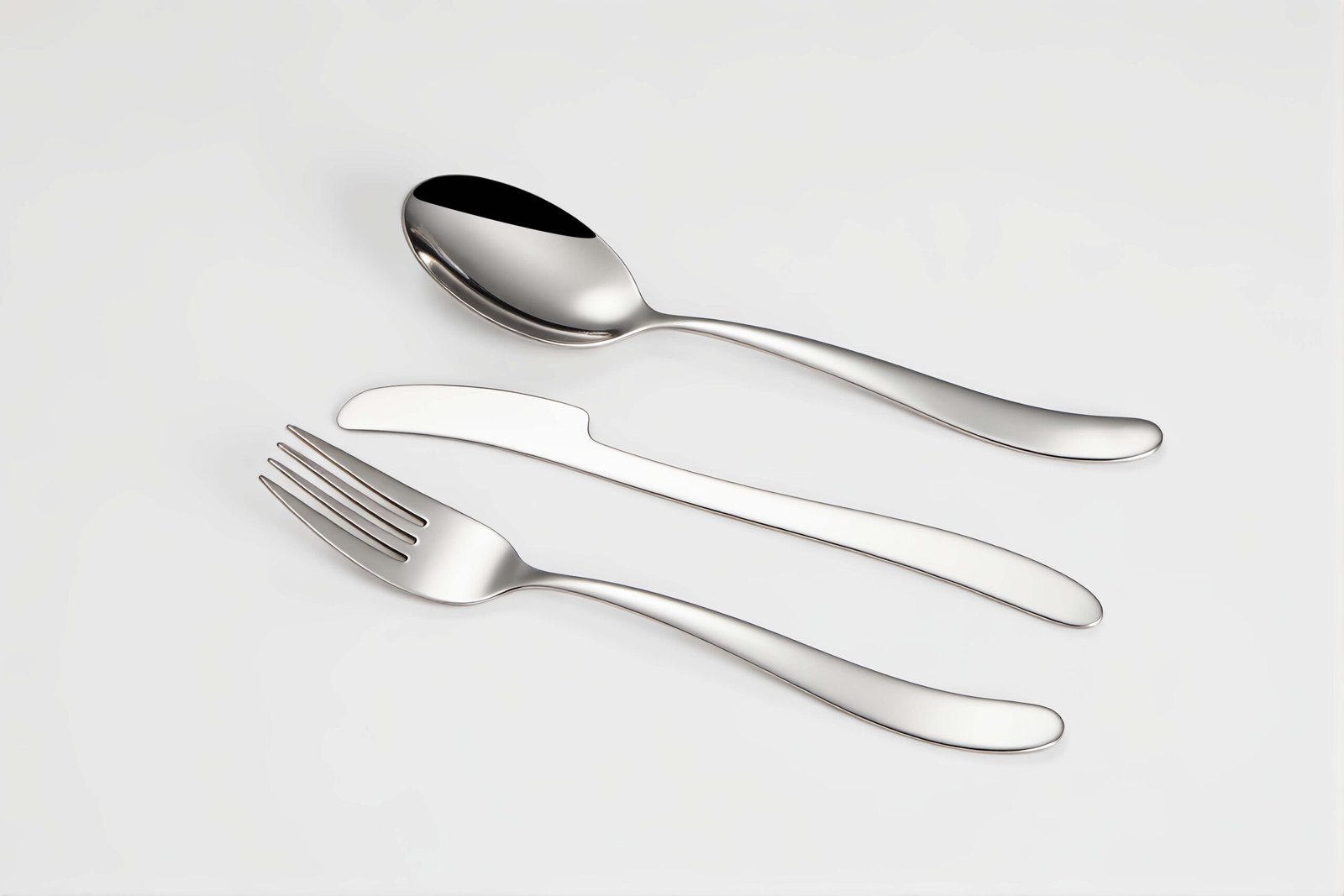
The magic behind our hollow handle technology is a two-part process: “laser welding + argon arc sealing.” It’s a highly precise manufacturing method. First, we use precision molds to form the handle with much thinner walls than a solid piece. Then, we weld the parts together to create a sealed, hollow structure. This allows us to keep the thick, satisfying shape and feel that premium passengers expect, but we dramatically reduce the actual material used. A single fork or knife can be up to 45% lighter. For a large airline with hundreds of aircraft, this “per-unit” weight reduction adds up fast. Over thousands of flights a year, it translates into a noticeable drop in both carbon emissions and fuel costs. It’s the perfect way to balance a high-end dining experience with the airline’s need for extreme cost control.
## How Can a 5-Gram Weight Reduction per Set Save Airlines Thousands in Fuel Costs?
Reducing a cutlery set’s weight by just 5 grams seems tiny and insignificant. But when you multiply that small saving by thousands of sets on every flight, it becomes a huge number.
**A 5-gram reduction works because of the “[Fuel Burn Penalty](https://en.wikipedia.org/wiki/Fuel_economy_in_aircraft)” principle. Industry data shows that for every kilogram of weight removed, a large airline fleet can save over 100 liters of fuel each year. That tiny 5-gram saving quickly becomes kilograms, translating to real financial savings.**
The core idea here is the “[Fuel Burn Penalty](https://en.wikipedia.org/wiki/Fuel_economy_in_aircraft),” a standard metric in the aviation industry. The math is simple but powerful. Let’s say an airline has 10,000 full cutlery sets in use across its fleet. A 5-gram reduction per set saves 50,000 grams, or 50 kilograms, of total weight. Based on the industry average, that 50 kg reduction can save over 5,000 liters of fuel per year. To achieve this, we use a technique called “[precision tapering](https://en.wikipedia.org/wiki/Threading_(manufacturing)).” We carefully analyze the design and use [CNC machines](https://en.wikipedia.org/wiki/Skiving_(metalworking)) to remove tiny amounts of material from non-critical areas of the handle or body, while ensuring the fork tines stay hard and the knife blade retains its bending strength. This 5-gram reduction acts as an invisible economic lever for airlines. It helps them fight back against volatile fuel prices and meet their carbon neutrality goals over tens of thousands of flights.
| Reduction Step | Calculation | Result |
| :— | :— | :— |
| **Per Set** | – | 5 grams |
| **10,000 Sets** | 5g x 10,000 | 50,000g or 50kg |
| **Annual Fuel Savings** | 50kg x ~100 L/kg/yr | ~5,000 Liters |
## How can an airline reduce fuel consumption?
Fuel is a huge and unpredictable expense for all airlines. Finding new ways to cut fuel use is a constant challenge where every small improvement matters for staying profitable and competitive.
**Airlines reduce fuel use by optimizing flight paths, using more efficient engines, and cutting aircraft weight. An important and often-missed area for weight reduction is in-cabin items like catering equipment and, specifically, the flatware used for meal service.**
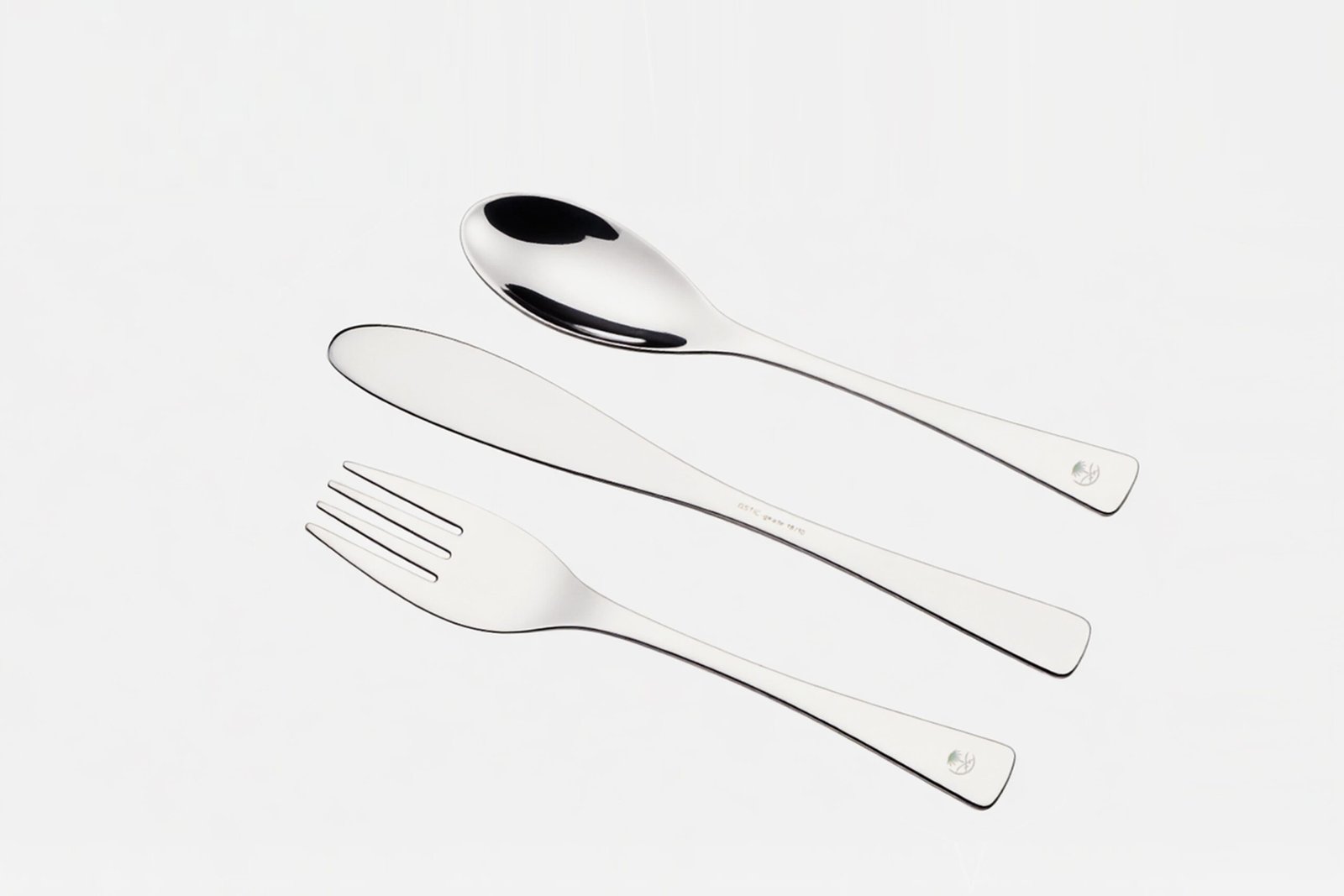
Airlines use a mix of strategies to lower fuel burn. On the operational side, they use advanced software for flight planning to find the most efficient routes and altitudes. They also use procedures like single-engine taxiing on the ground. On the technical side, they invest in new aircraft with more efficient engines and add aerodynamic improvements like winglets. But a huge focus is on weight reduction. Every single item on a plane is scrutinized for weight. This includes lighter passenger seats, carbon fiber service trolleys, and all the catering equipment. This is where we come in. The cutlery, plates, and glasses all contribute to the total weight. As specialists in flatware, we focus on this specific piece of the puzzle. We provide a real, measurable way for airlines to contribute to their larger weight-reduction goals and save fuel.
## Is fuel the biggest expense for airlines?
Airlines operate on very thin profit margins. Unexpected costs can easily wipe out profits, so controlling every expense is a top priority for survival and growth in this industry.
**Yes, fuel is consistently one of the biggest and most unpredictable operating costs for an airline. It often makes up 20-30% of all expenses. This is why even small gains in fuel efficiency can have a massive positive impact on an airline’s bottom line.**
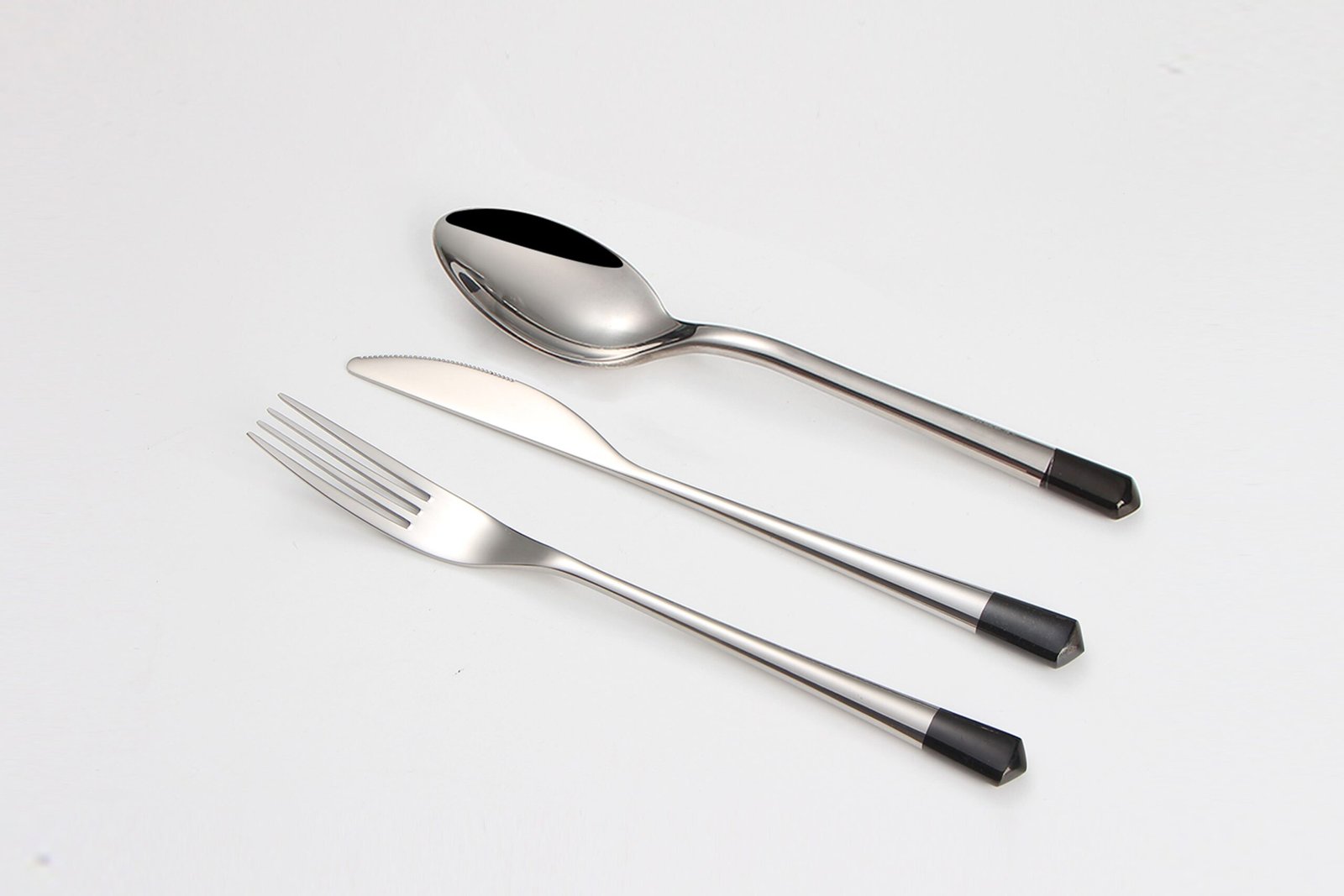
When you look at an airline’s budget, a few major costs stand out. Labor, which includes pilots, cabin crew, and ground staff, is a huge and relatively fixed cost. Maintenance, repair, and overhaul (MRO) is another massive but necessary expense to ensure safety. Aircraft ownership, whether through leases or direct purchases, is also a major line item. But fuel is unique among these top expenses. Its price is incredibly volatile and tied to global oil markets, making it hard to predict. More importantly, it is a variable cost that is directly affected by aircraft weight. Unlike labor or lease payments, the amount of fuel burned on every single flight can be actively managed by controlling how heavy the plane is. This is why our work on lightweight flatware is so valuable. We help airlines directly attack one of their biggest and most challenging expenses.
## How to Optimize Airline Flatware Weight to Reduce Fuel Consumption Without Sacrificing Durability?
You need to reduce flatware weight to save fuel. But you can’t use flimsy, cheap-feeling cutlery that breaks easily and ruins the passenger experience, especially in premium cabins.
**To optimize weight without losing durability, we use a strategy of precise material distribution. By analyzing the design, we can strategically reduce thickness in non-critical areas while keeping strength at key stress points like fork tines and knife blades, achieving weight goals without compromise.**
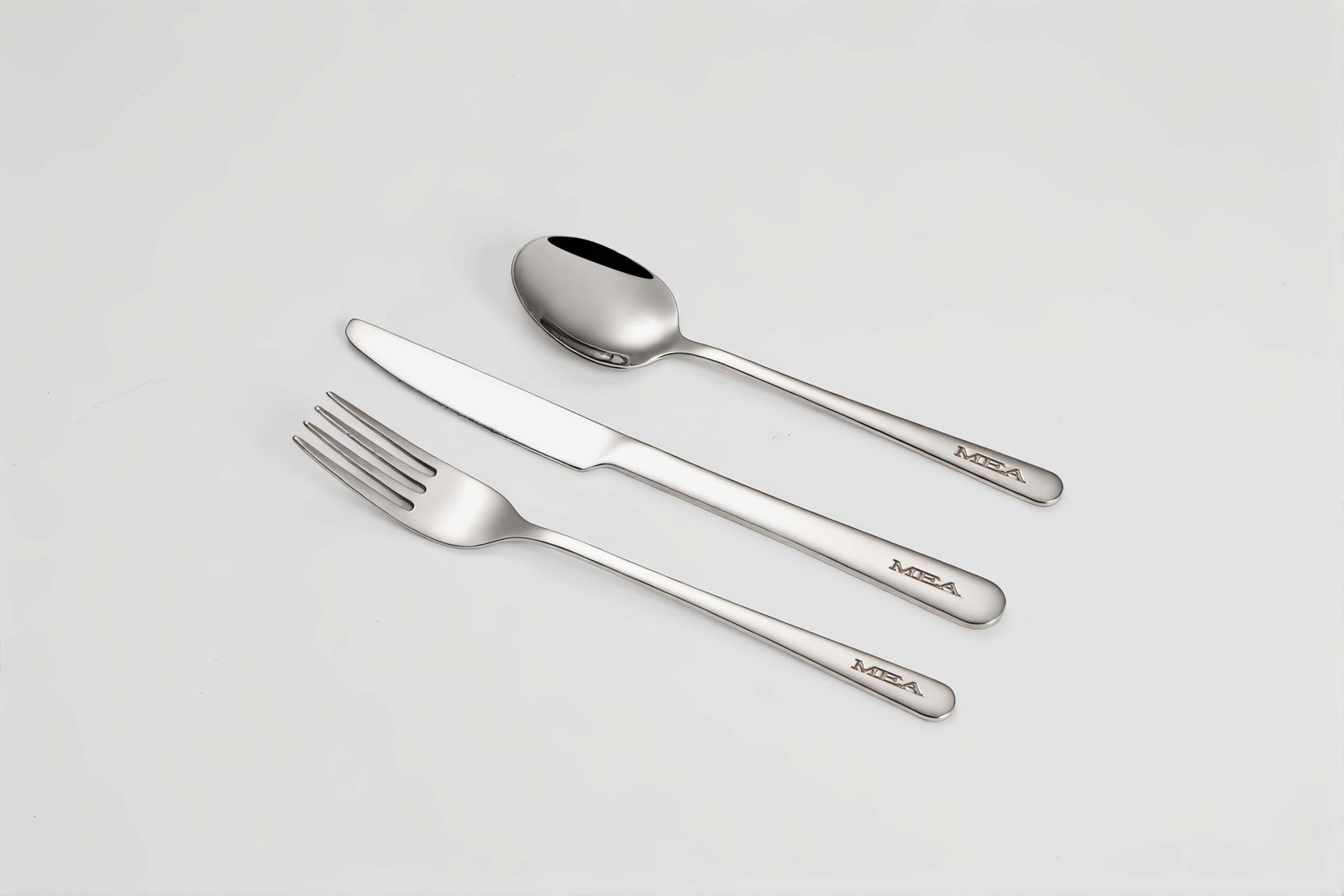
The key to successful lightweighting is [intelligent design](https://en.wikipedia.org/wiki/Smart_manufacturing), not just making everything uniformly thinner. Our process involves a careful analysis of each cutlery piece. First, we study the specific style and shape the airline wants. Then, we identify the high-stress points. For a fork, this is usually the neck where the tines meet the handle. For a knife, it’s the blade itself, which needs to resist bending. After mapping these critical areas, we identify the non-critical zones, like the middle of the handle, where we can safely remove material without affecting performance. The goal is to create a piece of cutlery that has a non-uniform thickness, perfectly engineered to be strong where it needs to be and light everywhere else. This method delivers the target weight reduction while ensuring the flatware feels good in the hand and can withstand hundreds of [industrial wash cycles](https://en.wikipedia.org/wiki/Stainless_steel).
## Conclusion
Optimizing flatware weight with smart design and advanced materials is a proven way for airlines to cut fuel costs, improve the passenger experience, and meet sustainability goals.