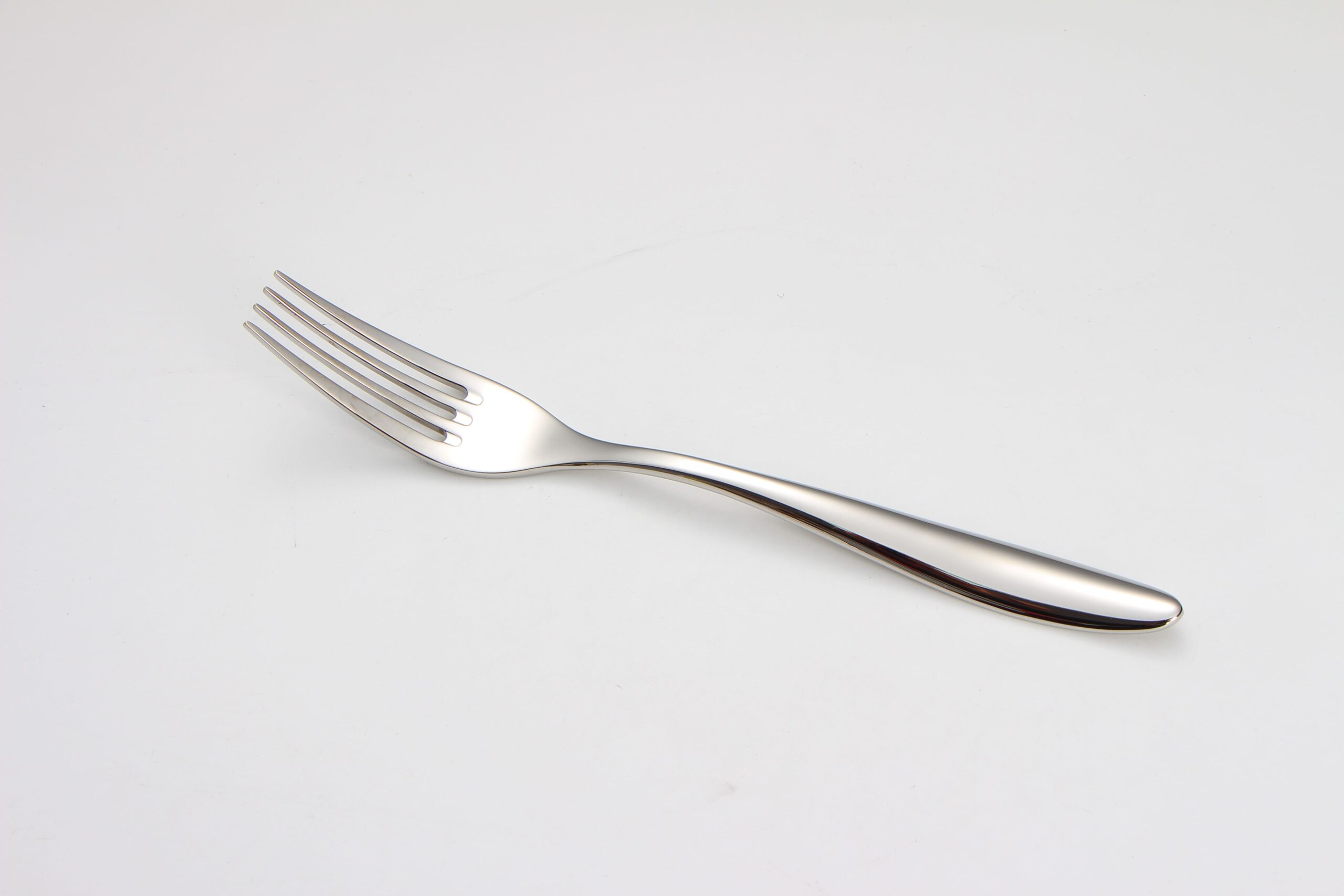
Sourcing [adaptive cutlery](https://en.wikipedia.org/wiki/Assistive_technology)[^1] is complex. The wrong choice can fail users and damage your brand reputation. Understanding key design requirements is the first step to procuring effective, high-quality products for your market.
**To procure effective [adaptive cutlery](https://en.wikipedia.org/wiki/Assistive_technology)[^1], focus on three key areas: [ergonomic handle design](https://en.wikipedia.org/wiki/Combination_eating_utensils)[^2] with a non-slip grip, precision weight distribution for stability, and the use of certified medical-grade, [food-safe materials](https://en.wikipedia.org/wiki/Cutlery)[^3]. These elements ensure user safety, comfort, and independence, meeting critical market demands.**
Sourcing products for specialized markets, like senior care or healthcare, requires a deep understanding of the end-user’s needs. It’s not just about creating a fork or a spoon; it’s about engineering a tool that restores dignity and independence. As a manufacturer with over a decade of experience, we’ve worked with hundreds of brands to navigate these specific requirements. Getting the design right from the start is crucial for your brand’s success and, more importantly, for the well-being of the people who will use your products. Let’s explore the critical details you need to know.
## What cutlery is good for people with arthritis?
Arthritis can make holding standard, thin cutlery a painful task. This daily struggle can lead to frustration and a loss of independence at mealtimes, a core part of life.
The best cutlery for arthritis features large, thick handles for an easy grip, a non-slip texture to prevent dropping, and a balanced weight that reduces strain on joints. These designs minimize pain and maximize control, making meals more comfortable and enjoyable for the user.
When we work with clients developing products for the senior care market, we focus on specific, data-driven design principles. The goal is to create a utensil that feels like a natural extension of the hand, even for someone with a weak or painful grip. We have found that certain specifications are critical for success in this market.
Key Handle Specifications
The handle is the most important component. A standard cutlery handle is often too thin and slippery for someone with arthritis. Our research and client feedback show that an optimized handle must have:
A Larger Diameter: We recommend a handle diameter of at least 35mm. This allows the user to hold the utensil with a fuller, more relaxed grip, which puts less stress on individual finger joints.
A Non-Slip Surface: A smooth, polished handle can easily slip. We incorporate textured patterns or use soft-touch materials to ensure a secure grip, even if the user’s hands are weak or slightly damp.
Appropriate Weight: For general arthritis use, a handle weight of around 50-80 grams provides enough substance to feel stable without being too heavy to lift comfortably. This careful balance is key to usability.
By focusing on these core [biomechanical details](https://en.wikipedia.org/wiki/Goniometer)[^4], we help brands create products that genuinely solve a problem, building customer loyalty and a strong market presence.
## What is the purpose of adaptive cutlery?
For many people, using standard forks and spoons is impossible. This daily challenge can strip away their dignity, turning a simple meal into a frustrating and difficult experience for them.
**The primary purpose of [adaptive cutlery](https://en.wikipedia.org/wiki/Assistive_technology)[^1] is to restore independence and safety for individuals with limited hand strength, dexterity, or control. It enables them to eat on their own, enhancing their quality of life and sense of dignity by making mealtimes manageable and enjoyable again.**
From a business perspective, understanding the core purpose of [adaptive cutlery](https://en.wikipedia.org/wiki/Assistive_technology)[^1] is essential for successful product development and marketing. Your customers aren’t just buying a fork or a spoon; they are buying a solution that provides autonomy. As an OEM/ODM partner, we help our clients focus on the human-centric aspects of design. The real value of these products lies in their ability to empower the end-user. This is a growing market, driven by an aging global population and a greater awareness of accessibility needs. For brands, distributors, and importers, this represents a significant opportunity to serve a community with meaningful products. The key is to partner with a manufacturer who understands the technical requirements needed to achieve this purpose, from ergonomic shaping to material safety certifications like FDA and LFGB. This ensures the final product is not only functional but also safe and reliable, building trust in your brand.
## What are the adapted equipment for arthritis?
Living with arthritis involves more than just mealtime challenges. Everyday tasks can become difficult, causing constant frustration and a feeling of dependence on others for simple things.
**Beyond cutlery, common adapted equipment for arthritis includes jar openers with enhanced grip, long-handled shoe horns, button hooks for dressing, and rocker knives for one-handed cutting. These tools are all designed to reduce strain on joints and increase independence in daily activities.**
While there is a wide range of adaptive equipment available, cutlery is often one of the most critical and frequently purchased items. Eating is a fundamental daily activity, and the inability to do it independently has a significant psychological impact. For wholesalers and brands entering the adaptive equipment market, cutlery is a strategic starting point. It addresses a universal need and has a high potential for customer impact. When we consult with our clients, we emphasize that the principles used to design great [adaptive cutlery](https://en.wikipedia.org/wiki/Assistive_technology)[^1]—ergonomics, weight balance, and material safety—are transferable to other adaptive products. By mastering the design and manufacturing of high-quality cutlery, you establish a strong foundation of trust and expertise. This allows your brand to confidently expand into other product categories, knowing you have a reliable manufacturing partner who understands the stringent requirements of the healthcare and [senior care market](https://en.wikipedia.org/wiki/Sustainable_Development_Strategy_in_Canada)[^5]s.
## Why is Precision Weight Distribution Critical for the Adaptive Cutlery Market?
A product that looks right but feels wrong can be useless. For [adaptive cutlery](https://en.wikipedia.org/wiki/Assistive_technology)[^1], inconsistent or poorly balanced weight can make a user’s tremors worse, creating a frustrating and unsafe experience.
**Precision weight distribution provides stability and control for users with tremors or weak grip strength. A consistent, predictable balance helps steady the hand, making it easier and safer to bring food to the mouth. This is a critical factor for user trust and product effectiveness.**
In our factory, we treat [adaptive cutlery](https://en.wikipedia.org/wiki/Assistive_technology)[^1] not as simple utensils, but as medical-grade instruments. The standards are completely different from standard household cutlery. For brands serving this market, manufacturing precision is a key selling point. We adhere to strict quality control protocols to ensure every single piece is consistent.
Here’s what that looks like in practice:
| Feature | Standard Cutlery | Adaptive Cutlery (Our Standard) |
| :— | :— | :— |
| Weight Tolerance | Often ±10g or more | Strictly controlled to ±5g |Strictly controlled to ±4g |
| Balance Point | Varies by design | Engineered for a specific, consistent point | Engineered for a specific, consistent point |
| Certification | Food-grade (e.g., FDA) | Food-grade standards | Food-grade plus medical device standards |
We operate under guidelines that align with [ISO 13485](https://www.researchgate.net/publication/328862794_Guiding_principles_of_integrated_management_systems_Towards_unifying_a_starting_point_for_researchers_and_practitioners)[^6], a quality management system for medical devices. This commitment ensures that the weight is uniform across a production run of thousands of units. This precision gives the end-user a reliable and predictable tool, which is essential for building the confidence they need to eat independently. For our B2B clients, this level of quality control minimizes defects, ensures product performance, and builds a strong brand reputation for reliability and care.
## Why Is Ergonomic Weight Distribution Critical for Adaptive Weighted Utensils?
Simply adding weight to a utensil is not enough. If the weight is poorly placed, it can create leverage that strains the wrist and makes the utensil difficult to control.
**Ergonomic weight distribution ensures the utensil’s center of gravity works with the user’s natural hand movement, not against it. This reduces stress on weak joints and muscles, improves control, and makes the act of eating less fatiguing and more comfortable.**
The science behind this is biomechanics. When we design a new piece of [adaptive cutlery](https://en.wikipedia.org/wiki/Assistive_technology)[^1], we don’t just guess where the weight should go. We analyze how a person with limited dexterity or strength holds and moves an object. This involves optimizing the handle shape based on detailed grip pressure analysis. The goal is to distribute the pressure evenly across the palm and fingers, avoiding stress points that can cause pain. The internal weighting is then strategically placed to create a counterbalance, which helps to dampen tremors and stabilize movement. This combination of an optimized external shape and precise internal balance is what defines a truly ergonomic product. For our clients, this engineering-led approach means they can market their products with confidence, knowing they are based on sound scientific principles that deliver real benefits to the end-user. It moves the product from a simple “weighted spoon” to a “[biomechanically optimized eating aid](https://en.wikipedia.org/wiki/Decompression_theory)[^7].”
## Why Do Weighted Eating Utensils for Parkinson’s Require Medical-Grade Engineering Standards?
Designing for Parkinson’s patients is a serious responsibility. A poorly made utensil could be ineffective or even unsafe, failing the very people who need it most and exposing your brand to risk.
**Parkinson’s utensils require medical-grade standards because their effectiveness depends on precise weight (to counteract tremors) and unwavering safety. This includes exact weight consistency, biocompatible materials, and designs that prevent accidental injury, ensuring reliable therapeutic benefit.**
We have developed specific product lines, like our BC3315 anti-tremor cutlery, based on these exacting standards. Each piece in this set weighs between 187 and 207 grams—a specific range engineered to provide the inertia needed to help control the involuntary movements common with Parkinson’s. This is significantly heavier than standard [adaptive cutlery](https://en.wikipedia.org/wiki/Assistive_technology)[^1] and requires a different level of engineering.
Medical-grade standards are non-negotiable for several reasons:
Consistency is Therapy: The weight must be consistent from one utensil to the next. A user’s muscle memory adapts to the tool, and any variance could disrupt their ability to eat. Our ±5g tolerance is critical here.
Material Safety: The materials must be food-safe and certified (FDA, LFGB, DGCCRF). They also need to be durable enough for repeated washing and sterilization without degrading.
Structural Integrity: The utensil must be robust. A weak point where the handle meets the metal could be dangerous. We conduct rigorous stress tests to ensure our products can withstand daily use without fail.
For any company looking to serve the Parkinson’s community, partnering with a manufacturer that understands and implements these medical-grade standards is essential for creating a safe, effective, and reputable product.
## How to Design Adaptive Flatware for the Global Senior Care Market?
Entering the senior care market requires more than a good idea. Without specific design knowledge, products can miss the mark, leading to wasted investment and a failed launch.
**To design effective adaptive flatware for seniors, focus on three pillars: a thick, non-slip handle (over 35mm diameter), a moderate weight (50-80g) for stability, and certified [food-safe materials](https://en.wikipedia.org/wiki/Cutlery)[^3]. These core features address the primary needs of reduced grip strength and control.**
As a manufacturer for over 1000 brands, we have refined the design process for adaptive flatware into a clear, actionable checklist. When a client like Lisa from Turkey comes to us with a project for the senior care market, we guide them through these essential design considerations to ensure the final product is perfectly tailored to the end-user.
Here is a summary of our proven design framework:
| Design Element | Specification |
| :— | :— | :— |
| Handle Ergonomics | Diameter > 35mm, textured non-slip surface. | Accommodates a weaker, less flexible grip and prevents slipping, which is a common issue. |
| Weight and Balance | 50-80g per utensil, balanced towards the hand. | Provides stability to counteract minor hand tremors without being too heavy, reducing user fatigue. |
| Material & Safety | Certified food-grade stainless steel & plastics (FDA, LFGB). | Ensures the product is safe for daily use, easy to clean, and durable, which is crucial for care facilities. |
| Manufacturing Quality | Adherence to medical-grade standards (e.g., [ISO 13485](https://www.researchgate.net/publication/328862794_Guiding_principles_of_integrated_management_systems_Towards_unifying_a_starting_point_for_researchers_and_practitioners)[^6] principles). | Guarantees consistency and reliability, building trust with institutional buyers and end-users. |
By following this structured approach, we help our clients move from concept to mass production efficiently. We turn their vision into a market-ready product that truly meets the needs of the [global senior care market](https://en.wikipedia.org/wiki/Mercury_(element))[^8], ensuring both commercial success and a positive impact on people’s lives.
**Conclusion**
In summary, successful [adaptive cutlery](https://en.wikipedia.org/wiki/Assistive_technology)[^1] relies on user-centric design: ergonomic handles, precise weighting, and medical-grade safety standards. Partnering with an experienced manufacturer is key to meeting these critical requirements.