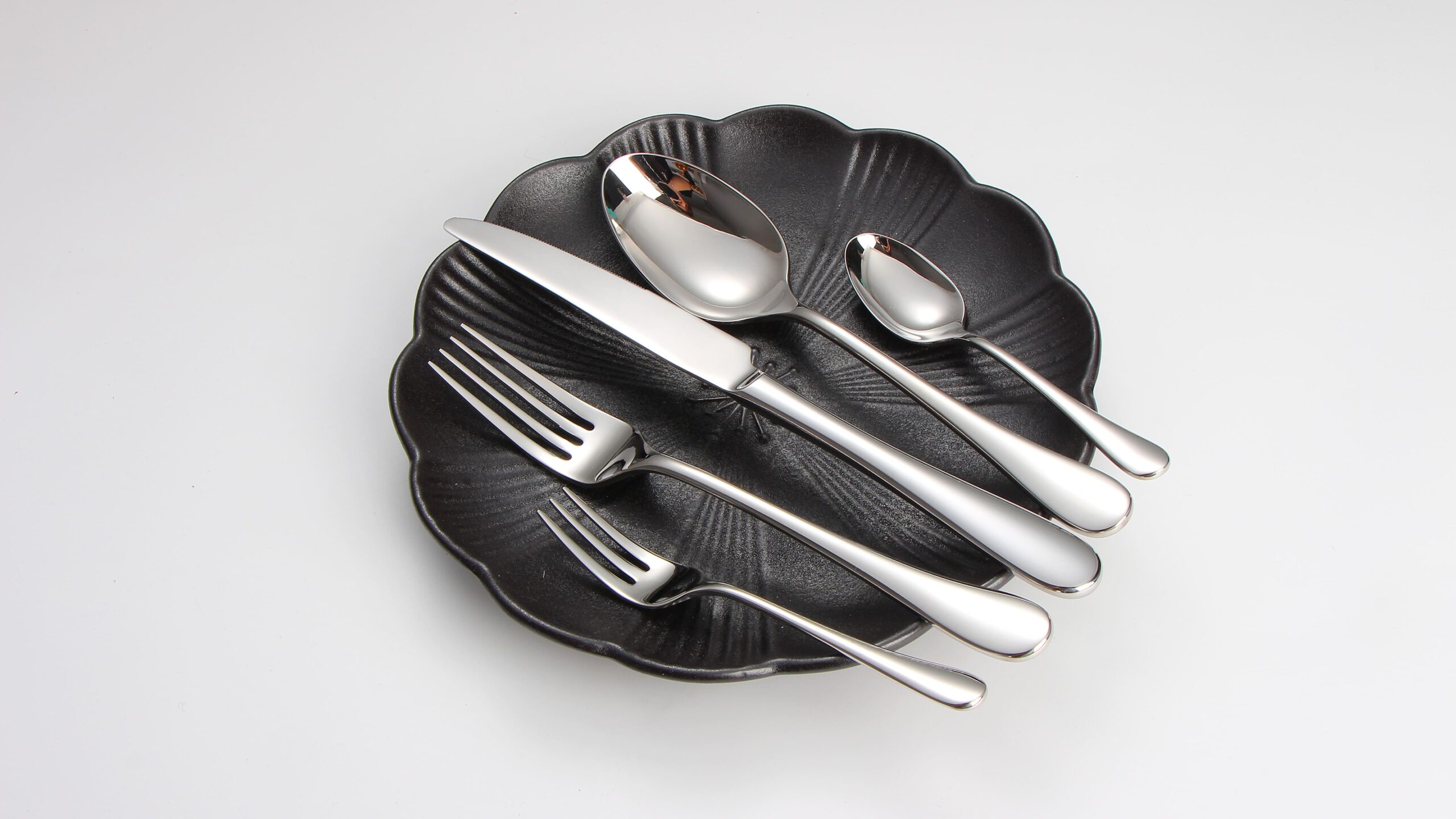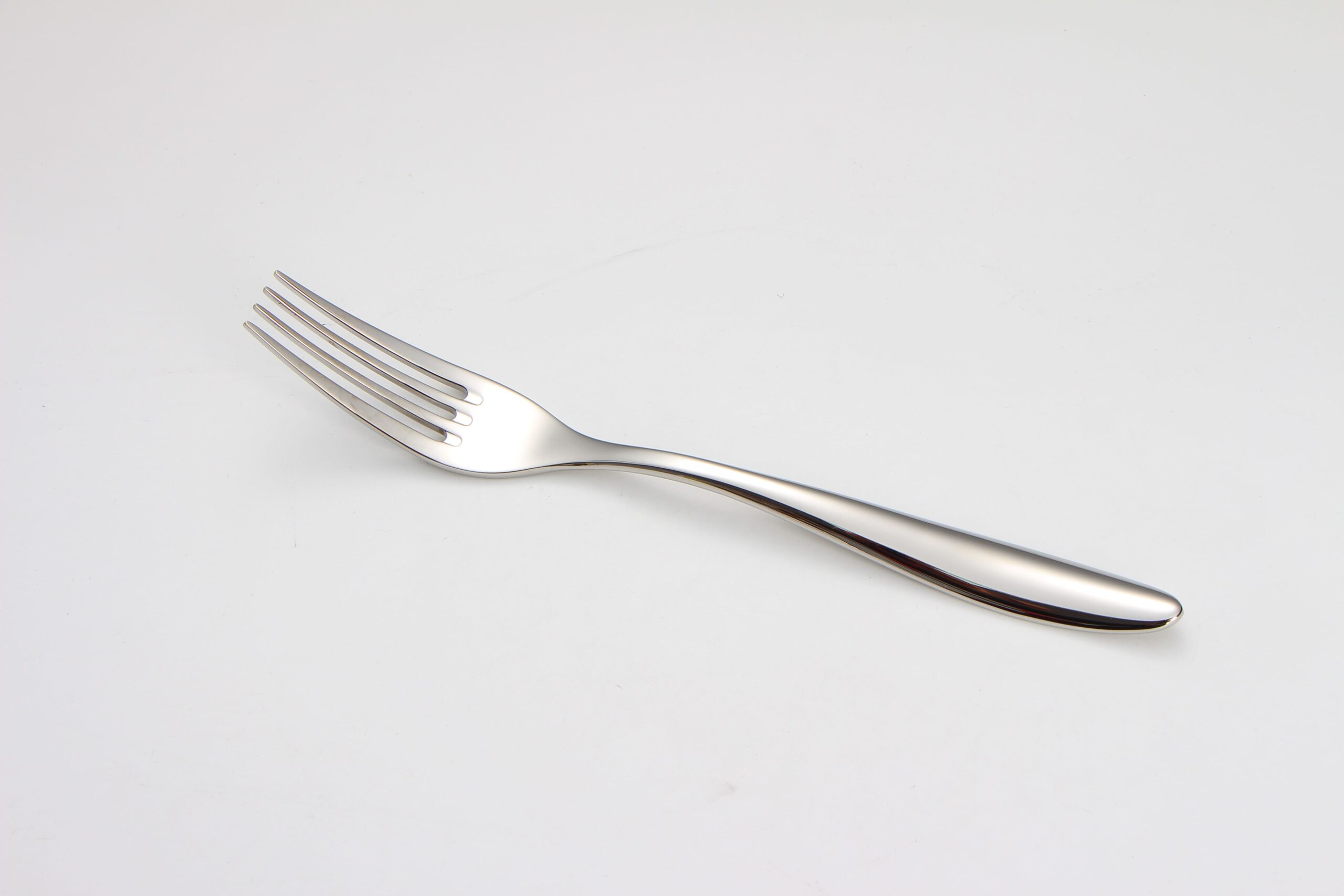
Mealtime can be a struggle for children with autism. Finding the right tools is frustrating. We have a solution that brings calm and independence to the table.
**The key features of [adaptive utensils for autism](https://en.wikipedia.org/wiki/Assistive_technology)[^1] are a weighted handle for stability, ergonomic grips for easier holding, and sensory-neutral materials. These elements work together to reduce motor challenges and sensory sensitivities, making self-feeding more successful and less stressful for the user.**
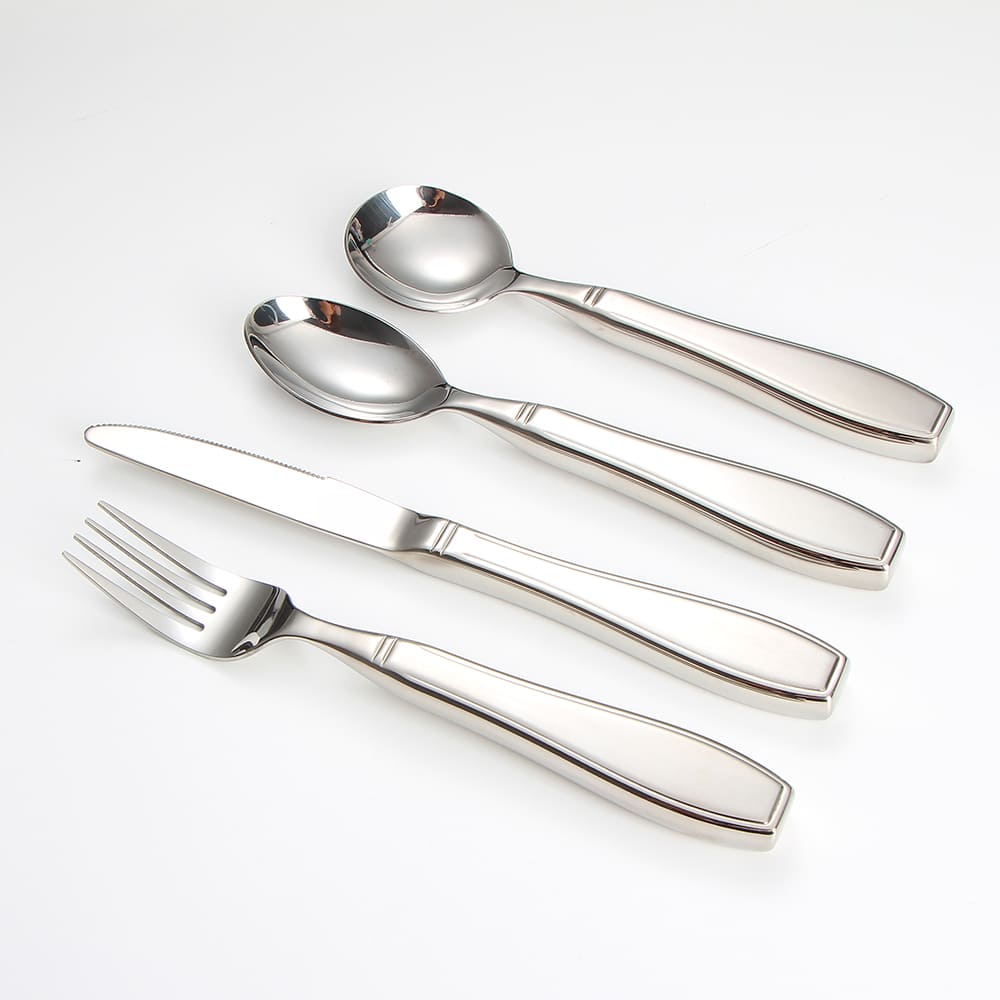
I’ve spent years in the cutlery manufacturing business, and I’ve seen how a small design change can make a huge difference in someone’s life. When we started exploring adaptive utensils, I learned that it’s not just about making a fork or spoon. It’s about creating a tool that builds confidence and improves daily life. Many of our clients, brand owners and importers, come to us with a vision to help people. They just need a manufacturing partner who understands the technical details to bring that vision to life. This journey into adaptive cutlery has been one of the most rewarding parts of my career. Let’s explore what makes these utensils so effective.
## How Do Adaptive Utensils Improve Mealtime for Children with Autism?
Frustrating mealtimes can disrupt the entire family. Unsuitable cutlery often makes the problem worse. This leads to stress for both the child and the caregiver every single day.
**Adaptive utensils improve mealtimes by providing stability through added weight, which calms tremors and improves control. They also reduce sensory overload and feature ergonomic grips, which together promote independence, build confidence, and make eating a more positive and manageable experience.**
I remember talking to a therapist who works with children on the autism spectrum. She told me, “It’s not just about getting food from the plate to the mouth. It’s about giving the child a sense of control and success.” That really stuck with me. The design of these utensils directly addresses the core challenges these children face.
### The Power of Deep Pressure and Sensory Stability
The improvements come from a few key design principles that we focus on during manufacturing.
* **Deep Pressure Input:** The main feature is often a weighted handle. This isn’t just about making the utensil heavier. The added weight provides deep pressure tactile feedback to the hand and arm. This sensory input can be very calming and organizing for a nervous system that is easily overwhelmed. It helps to reduce tremors and increase awareness of where their hand is in space, leading to more controlled movements.
* **Reduced Visual Stimulation:** Shiny, reflective cutlery can be visually distracting or overstimulating. We use a specific satin-polishing technique on our stainless steel. This creates a matte, low-glare finish that is visually calm. It removes a potential source of sensory distress, allowing the child to focus on the task of eating.
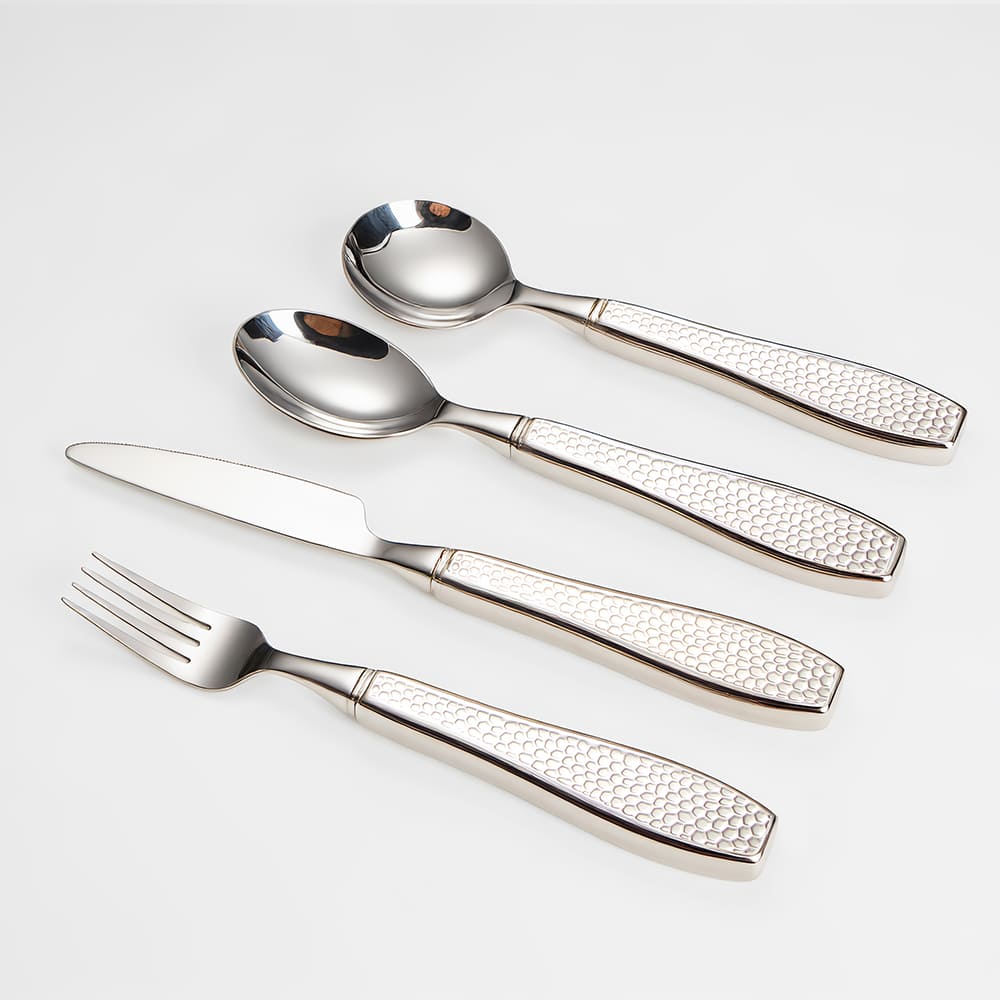
* **Ergonomic Support:** A standard thin handle is difficult for anyone with grip challenges. We design wider, often textured, handles that are easier to hold. This reduces the muscle strain required to maintain a firm grasp, preventing fatigue and frustration during the meal.
## What Materials Are Best for Autism-Friendly Utensils?
Choosing a utensil means you’re worried about safety, durability, and how it feels to your child. Many plastics can hold odors or break, which is a constant concern.
**The best material for autism-friendly utensils is high-grade [18/10 (304) stainless steel](https://www.researchgate.net/publication/381370278_Bisphenol_A_and_its_analogues_from_their_occurrence_in_foodstuffs_marketed_in_Europe_to_improved_monitoring_strategies-a_review_of_published_literature_from_2018_to_2023)[^2]. It is chemically inert, meaning no metallic taste, extremely durable, non-porous for easy sterilization, and provides a consistent, neutral sensory experience without the risks of plastic or silicone.**

As a manufacturer, material selection is my top priority, especially for products used by vulnerable people. For adaptive utensils, the choice is clear. While plastics and silicones have their place, they fall short in key areas for this specific use. Plastics can absorb odors and stains, and silicone can sometimes feel “tacky” and attract dust. For B2B buyers like schools or clinics, these materials can degrade with the high-temperature sterilization required for institutional use.
### Why Stainless Steel is the Professional Choice
We insist on using 18/10 stainless steel for our adaptive cutlery. The reason goes beyond just passing safety tests like LFGB or FDA. It’s about performance and user experience.
| Feature | 18/10 Stainless Steel | Silicone | Plastic |
| :— | :— | :— | :— |
| **Taste/Odor** | Completely neutral | Can retain odors | Can retain odors/flavors |
| **Durability** | Extremely high | Can tear or degrade | Can crack or warp |
| **Sterilization** | Withstands high heat | Can degrade with heat | Often not heat-safe |
| **Sensory Feel** | Smooth, cool, consistent | Can be tacky or sticky | Varies, can feel cheap |
| **Allergen Risk** | Zero | Low, but possible | Low, but possible |
We also use a process called [vacuum passivation](https://en.wikipedia.org/wiki/Titanium)[^3]. This is a critical step that removes any free iron from the surface of the steel. This is what truly eliminates the “metallic” or “rusty” taste that can cause food aversion in individuals with heightened sensory sensitivities. For our clients, this means a better product, fewer returns, and a higher rate of success for the end-user.
## How to Design Ergonomic Cutlery for Autism?
Standard cutlery feels awkward and slips easily. This makes self-feeding a constant battle against the utensil itself, leading to spills, frustration, and a desire to give up.
**Ergonomic design for autism focuses on the handle. It must have enough weight for stability, a wide and textured shape for a secure grip, and perfect balance. This combination makes the utensil feel like a natural extension of the hand, not a difficult tool.**
When a new client, like Lisa from Turkey, comes to us for a custom design, we don’t just talk about looks. We talk about function. I always explain that the ergonomics of the handle are where the magic happens. We’ve seen many designs, and the most successful ones share a few core principles. The goal is to solve a physical problem with a smart physical solution.
### Breaking Down the Ergonomic Design Process
Creating a truly ergonomic utensil is a multi-step process that combines user feedback with manufacturing precision.
1. **Weight and Balance:** The first step is determining the ideal weight. It needs to be heavy enough to provide calming deep pressure but not so heavy that it causes fatigue. The real art is in the balance. We design our utensils so the center of gravity is in the palm, which makes the utensil feel secure and stable, not clumsy. We achieve this with a solid stainless steel core, not by simply filling a hollow handle.
2. **Handle Shape and Size:** There is no one-size-fits-all. However, most successful designs feature a wider, more bulbous handle than standard cutlery. This allows for a more relaxed grip that doesn’t require as much fine motor strength. We often develop several prototypes with slight variations in shape to find what works best for a wider range of users.
3. **Grip and Texture:** A smooth, slippery handle is a recipe for disaster. We incorporate subtle textures or use non-slip materials for the grip area. This provides tactile feedback and prevents the utensil from rotating or slipping in the hand, especially when dealing with different food textures.
## What Are the Most Popular Adaptive Utensil Brands in the Market?
You see many different adaptive utensils online. It’s confusing to know which features actually work and which brands are just copying others without understanding the real needs.
**The most popular and effective adaptive utensils aren’t about the brand name, but about the features they share. Successful products consistently include weighted solid handles, wide non-slip grips, and high-quality, [sensory-neutral materials](https://en.wikipedia.org/wiki/Augmented_reality)[^4] like 18/10 stainless steel. These are the designs that truly help.**
As an OEM/ODM manufacturer, we are the factory behind many brands you see on the market. I can’t name them, of course, but I can tell you what makes a product line successful enough to become popular. It’s always the same story: a deep focus on solving the user’s core problems. The brands that succeed are the ones who partner with a manufacturer who understands the “why” behind every design choice, not just the “how.” They invest in quality materials and proven ergonomic principles.
### The Anatomy of a Best-Selling Adaptive Utensil
When we analyze the market leaders, we see a clear pattern. Their success is built on a foundation of thoughtful design that we help them produce at scale.
* **Solid, Not Hollow:** The best weighted utensils use a solid steel core. Cheaper versions might use a hollow handle filled with sand or metal beads. This creates a poor user experience, as the weight can shift, and it’s a point of failure if the seal breaks. We manufacture solid-core utensils for ultimate stability and durability.
* **Seamless Construction:** Look for utensils where the handle and the metal part are joined seamlessly. This is crucial for hygiene, as it prevents food and bacteria from getting trapped in crevices. This is especially important for use in clinics and schools where strict cleaning protocols are in place.
* **Material Honesty:** The top products are clear about their materials. They specify “18/10” or “304 Grade” stainless steel. This transparency builds trust with knowledgeable buyers and shows a commitment to quality over cost-cutting.
## Can Custom Adaptive Utensils Be Developed for Schools or Therapy Clinics?
Your school or clinic needs a reliable, safe, and effective utensil. Off-the-shelf options might not meet your specific sterilization needs, durability requirements, or budget for large quantities.
**Yes, absolutely. As a manufacturer, we specialize in OEM/ODM services to develop custom adaptive utensils for institutions. We can tailor the design, materials, and even branding to meet your specific requirements for durability, hygiene protocols, and large-scale deployment.**
This is one of our core services. A large therapy organization once approached us with a problem. They loved the concept of weighted utensils but were breaking the consumer-grade products they bought. The plastic handles couldn’t withstand their industrial dishwashers and autoclaves. They needed something better, something built for their environment. This is a perfect example of a B2B challenge that requires a manufacturing solution.
### Our Custom Development (OEM/ODM) Process
We work with organizations to create the perfect solution. The process is straightforward and collaborative.
1. **Consultation & Design:** We start by understanding your needs. What are your cleaning methods? What specific user challenges are you trying to solve? Do you need custom logos? We then create design concepts and 3D models based on this discussion.
2. **Material Selection & Prototyping:** We recommend the best materials for your use case, almost always starting with 18/10 stainless steel for the reasons we’ve discussed. We then create physical prototypes so you can feel the weight, test the grip, and approve the design before mass production.
3. **Tooling & Mass Production:** Once the prototype is approved, we create the production tooling. Our automated production lines ensure every single piece is identical in weight, balance, and quality. We handle everything from manufacturing to packaging.
4. **Certification & Compliance:** We ensure the final product meets all required certifications for your market, whether it’s LFGB in Europe or FDA in the US, giving you complete peace of mind.
## How to Source Adaptive Utensils for Autism from Chinese Manufacturers?
Sourcing from overseas seems risky. You worry about quality control, communication issues, and whether you’ll get what you paid for, potentially delaying your project for months.
**To source successfully, partner with a manufacturer specializing in cutlery, not a general trading company. Verify their certifications (BSCI, ISO) and demand product test reports (LFGB, FDA). Prioritize clear communication and ask detailed questions about their materials and production process.**
[](https://youtube.com/shorts/KuTnQiNWmAQ)
*Video: Our automated [laser seamless welding process](https://en.wikipedia.org/wiki/Stainless_steel)[^5] in action.*
I understand the hesitation. As a manufacturer in China, I’ve seen buyers have both good and bad experiences. The difference always comes down to finding the right partner. A good partner is an expert in their field, not just a middleman. They should be able to answer deep technical questions and guide you. For example, when a potential client asks me about our [passivation process](https://en.wikipedia.org/wiki/Anodizing)[^6] for eliminating metal taste, I know they are a serious buyer, and we are the right factory for them.
### Checklist for Vetting a Chinese Manufacturer
To help buyers like you, I’ve made a simple checklist. If a supplier can’t give you confident answers to these questions, you should be cautious.
| Area | Key Question to Ask | Why It Matters |
| :— | :— | :— |
| **Expertise** | “Can you explain your process for making weighted utensils?” | A real factory will explain their specific technique (e.g., solid core, automated welding). |
| **Materials** | “What grade of stainless steel do you use? Can you provide a material certificate?” | Insist on 18/10 (304). This question weeds out low-quality producers. |
| **Quality Control** | “What quality checks do you perform during and after production?” | They should mention weight consistency, balance checks, and surface finish inspections. |
| **Compliance** | “Can you show me your [BSCI or ISO factory audit](https://en.wikipedia.org/wiki/Barabanki_district)[^7] and [LFGB/FDA product reports](https://en.wikipedia.org/wiki/Food_contact_materials)[^8]?” | This is non-negotiable. It proves they meet international standards for social and product safety. |
| **Capacity** | “What is your monthly production capacity for this type of item?” | This ensures they can handle your order volume and scale with your business’s growth. |
## What Role Does Sensory Design Play in Autism-Friendly Cutlery?
You might think weight is the only important feature. But if the utensil looks, feels, or tastes wrong, a sensitive user will reject it, no matter how heavy it is.
**Sensory design is the most critical element. It’s a holistic approach that minimizes negative inputs (glare, metallic taste, rough texture) while providing positive, calming inputs (deep pressure, smooth surfaces, neutral temperature). This “sensory-neutral” approach is the key to acceptance and success.**
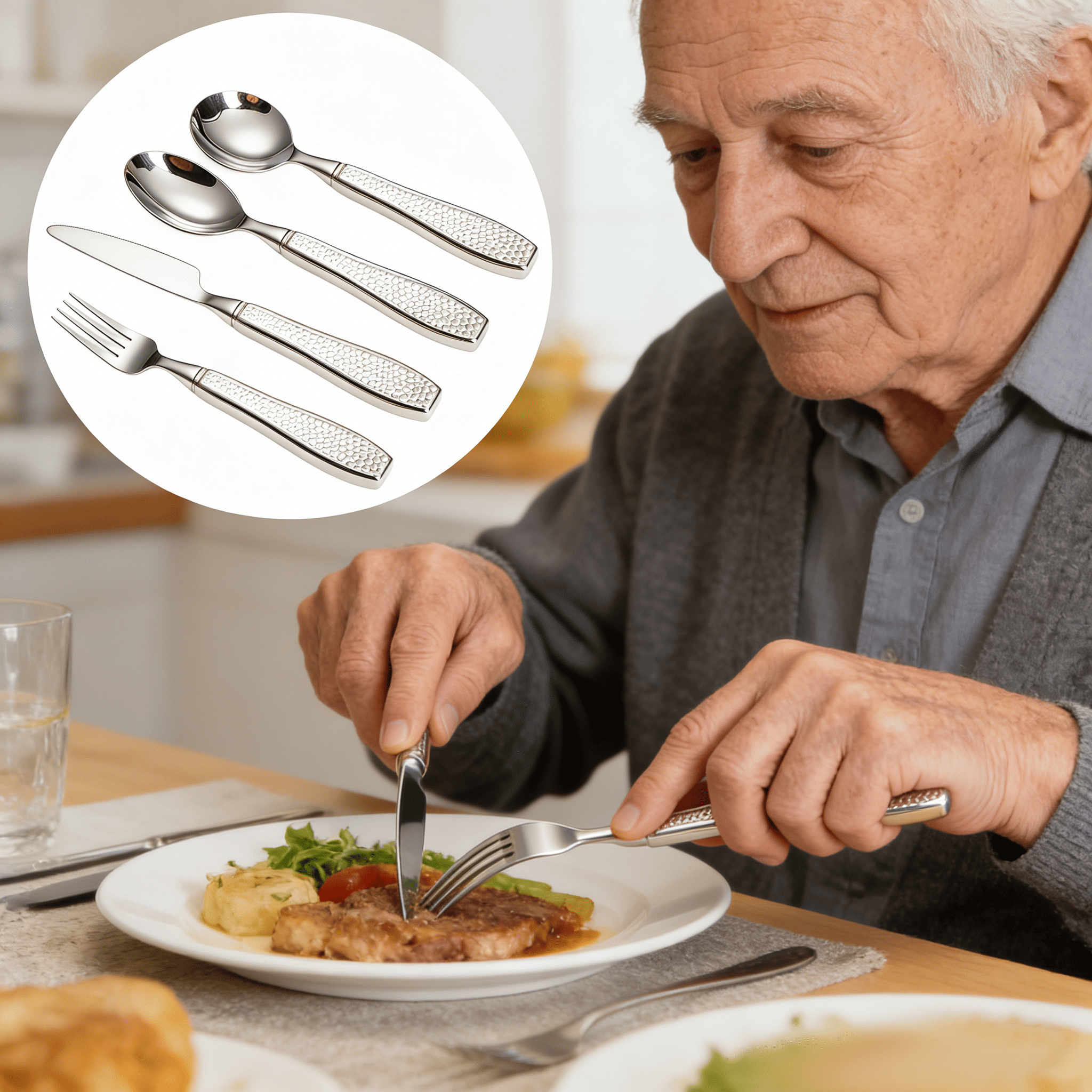
This is the part of my job I am most proud of. We call it achieving “Sensory Neutrality.” It’s the core philosophy behind our best adaptive products. It’s where deep industry knowledge meets real-world compassion. Any factory can add weight to a handle. But very few understand how to control the subtle sensory outputs that make or break the product for an autistic user. This is our secret sauce.
### The Three Pillars of Sensory-Neutral Design
We engineer our utensils to be as non-intrusive as possible across three key sensory pathways.
1. **Visual (Sight):** The problem is glare. A standard polished spoon can create bright, unpredictable flashes of light that are distressing. Our solution is a controlled, multi-step satin polish. It diffuses light, creating a soft, matte finish that is visually quiet and calming.
2. **Gustatory (Taste):** The problem is the “metal taste.” This is caused by metal ions transferring from the steel to the user’s mouth. Our solution is twofold: we use highly stable 18/10 stainless steel and apply a mandatory vacuum passivation process. This creates a chemically inert surface, completely eliminating the metallic taste that can trigger food refusal.
3. **Tactile (Touch):** The problem is instability and unpleasant texture. The solution is providing positive, predictable tactile input. A solid, weighted core provides calming deep pressure. A seamless, smooth finish from tip to handle provides a consistent and pleasant texture, with no sharp edges or uncomfortable joints.
This combination of physical and chemical stability is the ultimate feature. For our B2B clients, this is their secret weapon to increase user adoption and dramatically lower return rates.
## Conclusion
The best adaptive utensils combine sensory-neutral design, safe materials, and ergonomic function. This thoughtful approach transforms mealtimes, building confidence and bringing calm to the table for everyone involved.